Leaving aside the underlying merits of the contractual dispute, it is now abundantly clear that the Trump administration’s aggressive actions against Anthropic have been counterproductive.
The cutting-edge artificial intelligence business announced last week that its next-generation model, Mythos, has discovered zero-day vulnerabilities — previously unknown software bugs that can be used by hackers to compromise systems — in all major internet browsers and operating systems. The implication is stark: software may be more brittle than anyone suspected, and AI can now find and exploit those weaknesses faster than any human team can patch them. Everything that depends on software — hospitals, banks, power grids, the devices in your pocket — is potentially exposed.
Anthropic’s response was to launch Project Glasswing, sharing Mythos with 11 partners so they can harden their systems before attackers catch up. This head start is a good act of corporate citizenship, and the blue-chip companies brought in to help include Apple, Microsoft, Google and Amazon, founded by Post owner Jeff Bezos.
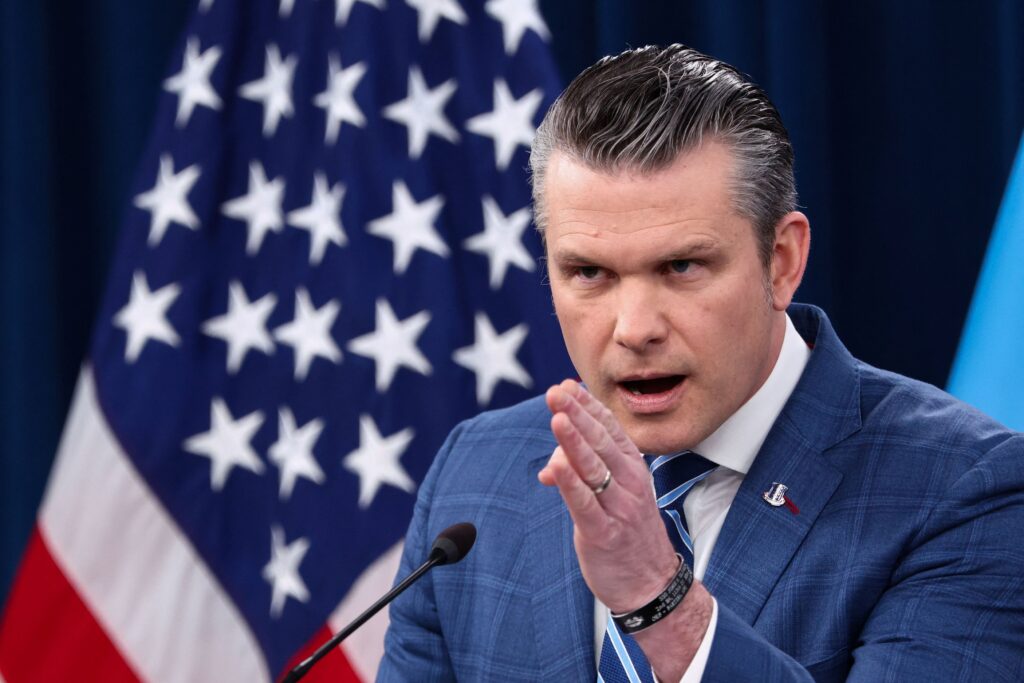
Conspicuously absent from Anthropic’s list is the War Department, which has been barred from using any Anthropic technology after Defense Secretary Pete Hegseth designated the company a supply-chain risk to national security. That label is normally reserved for foreign adversaries. President Donald Trump then ordered every federal agency to cut ties.
Hegseth’s dispute with Anthropic is about whether a private firm can dictate how its model is used in war. Anthropic had maintained two red lines in its government work since signing a $200 million contract last year: It couldn’t be used for domestic surveillance nor for fully autonomous weapons. In February, Hegseth demanded Anthropic drop those and allow its model to be used “for all lawful purposes.”
Anthropic sued in both California and D.C. In late March, a San Francisco federal judge issued a sweeping preliminary injunction against the government. But the Pentagon’s supply-chain-risk label rests on two separate statutes, and only the D.C. appeals court can review one of them. Earlier this week, that court declined to lift it. As a result, the Pentagon itself and defense contractors more broadly, at least in their work for the government, remain barred from using Anthropic’s technology.
China was already known to be using AI to break into American systems as early as last year. Anthropic has built the best tool currently available to find the vulnerabilities before Beijing’s hackers can. But the U.S. military is systematically removing Anthropic software from its systems, with a six-month transition period.
It’s one thing to fight with one arm tied behind your back. It’s another to have tied it yourself.
The post The U.S. military is missing out because of Hegseth’s war on Anthropic appeared first on Washington Post.