
The Masters kicked off at Augusta National Golf Club in Georgia on Thursday, with golf’s biggest talents all vying for a green jacket.
The tournament is among the world’s most-watched sports events. Last year’s competition, which ended with a long-coveted win for Rory McIlroy, averaged 12.7 million viewers, the tournament’s largest viewership since 2018, per Yahoo Sports.
While prestige and honor are synonymous with the Masters, the competition is also full of oddities and quirks. Also ever-present are the golf club’s surprising rules and traditions, ranging from a ban on backward hats to autographs only being permitted in designated areas.
Here are 34 surprising quirks and traditions that make the Masters unique.
Food prices are ridiculously low.
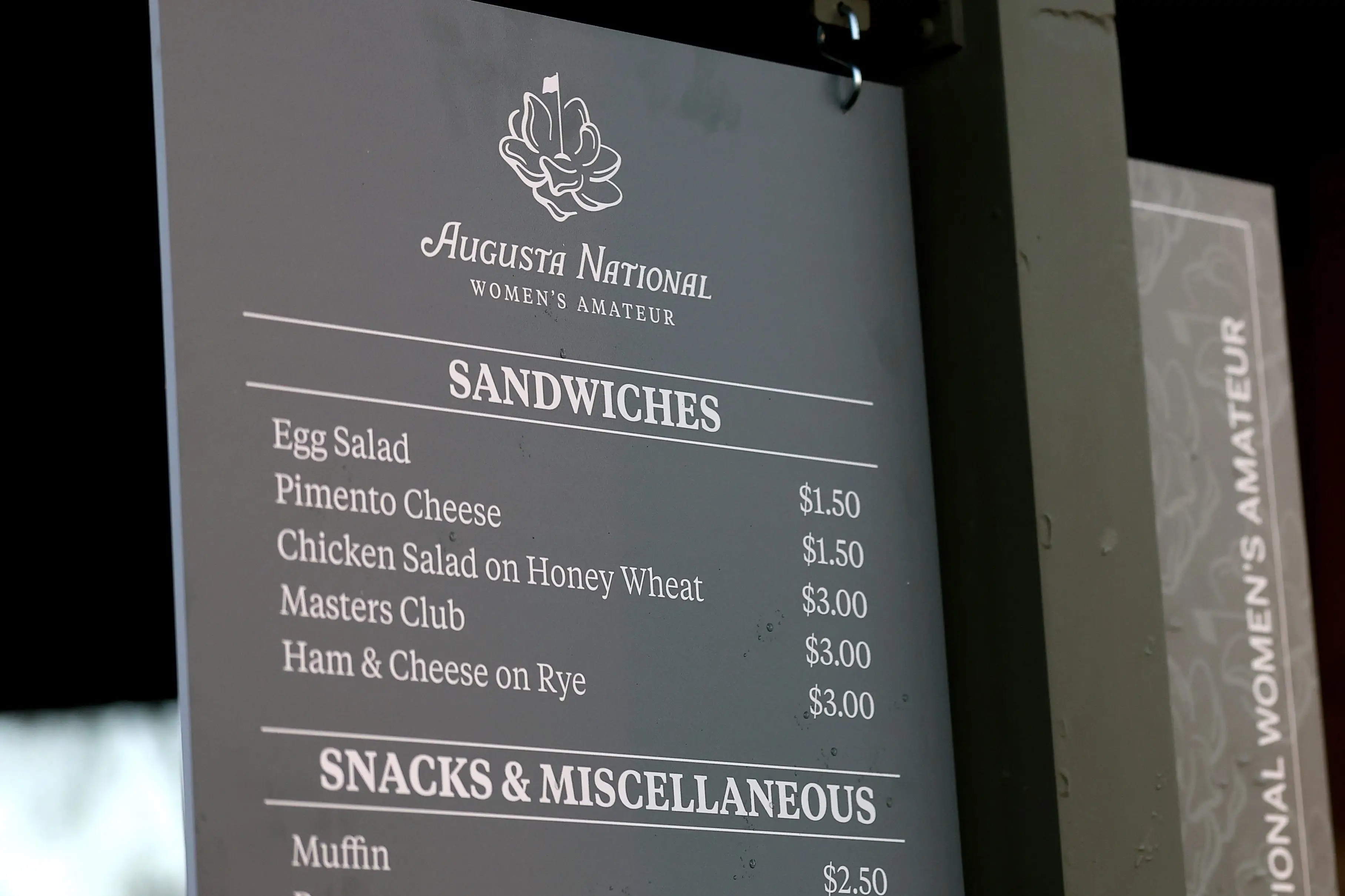
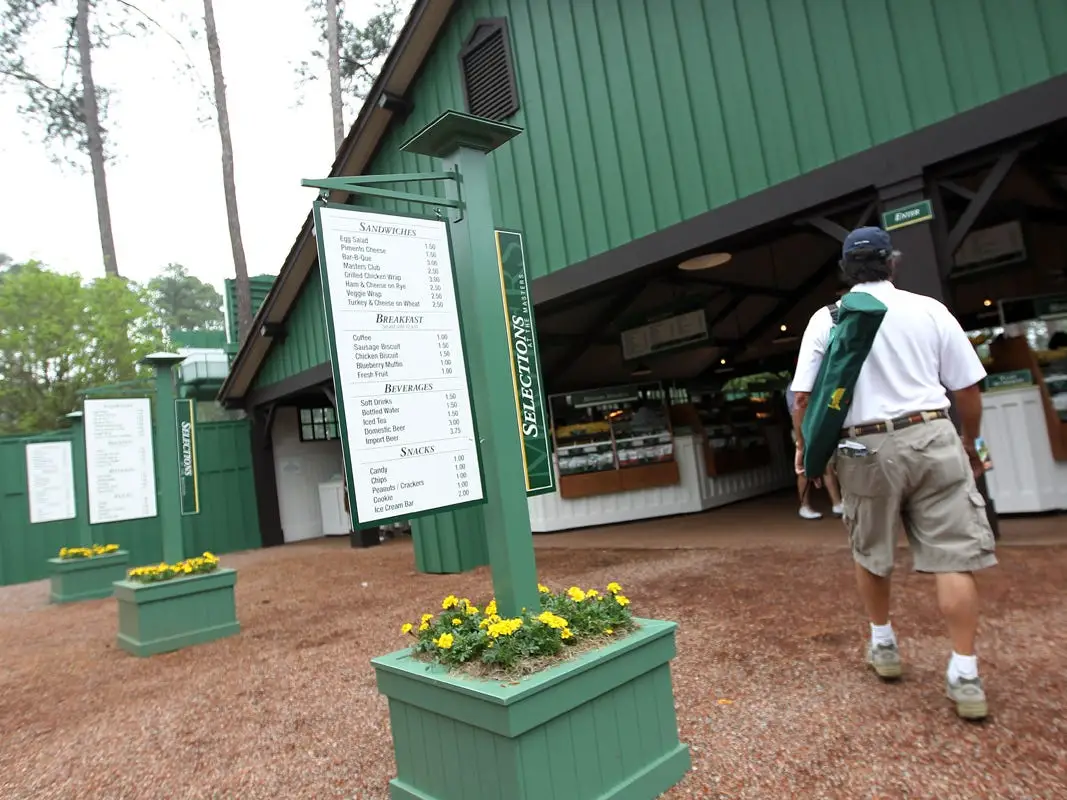
As a silver lining for fans who participated in the ticket lottery or shelled out thousands of dollars on the resale market, the Masters has concession prices that are more reminiscent of 1996 than 2026.
Two items — the egg salad and pimento cheese sandwiches — have been $1.50 since 2002, per USA Today. A serving of beer or wine, the most expensive items on the menu, costs $6.
Tipping is banned.
At Augusta, you’ll have to think twice about floating your caddie a few 20s, The New York Times reported.
Cell phones are prohibited at all times, and cameras are not permitted during the tournament.

Yes, the Masters has a longstanding ban on cell phones, though chairman Fred Ridley said in 2019 said he thinks patrons appreciate the rule.
The same can be said for some players.
Two-time Masters winner Scottie Scheffler said of the ban, “There’s no people asking for selfies in the middle of the round. It’s very calm out there, and people follow the rules here. For us as players, it’s really an enjoyable experience,” USA Today reported.
It’s one of the only places in the US where there are long lines for payphones.
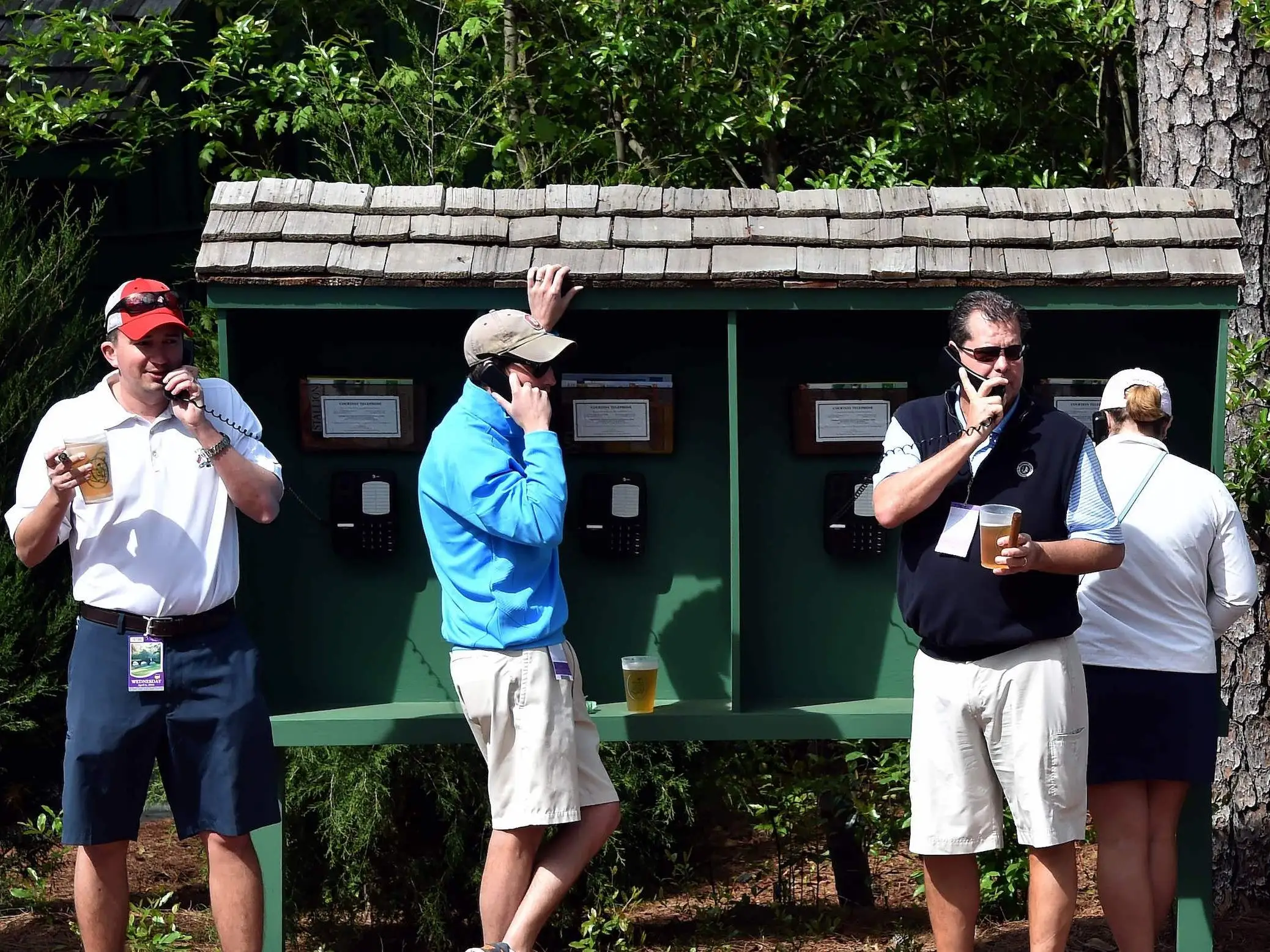
For those in attendance who just can’t wait to make a call, there are payphones available.
There’s a large fence around the course to keep out animals.
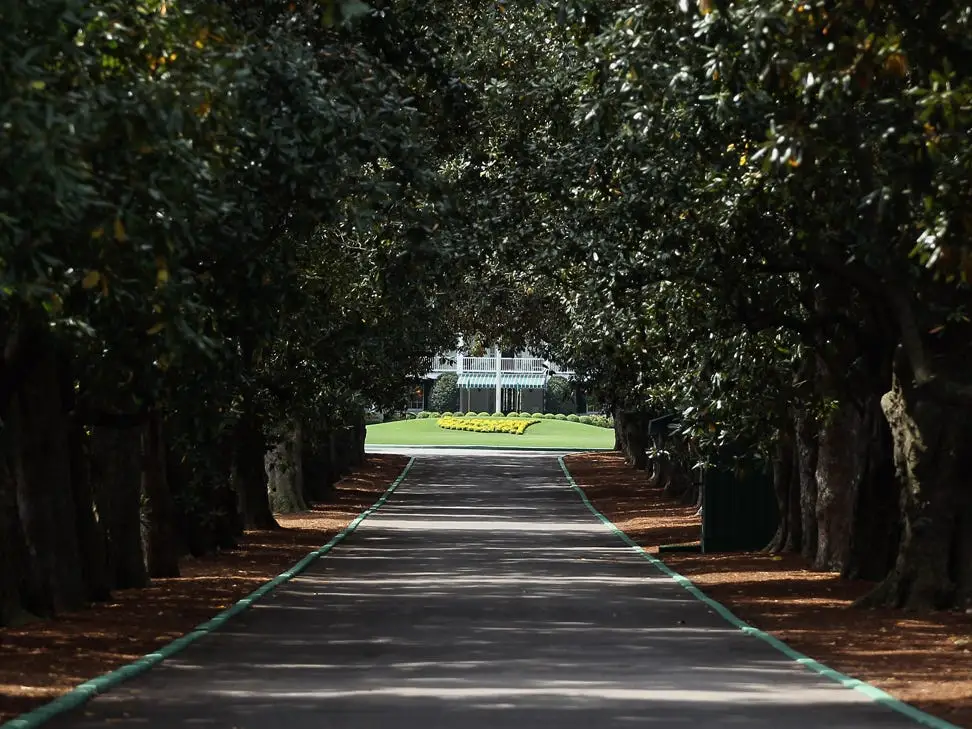
Per the New York Times, there has been one deer sighting in the last 65 years, and visitors often talk of never seeing a single squirrel.
Birds are also mysteriously rarely seen at Augusta National.
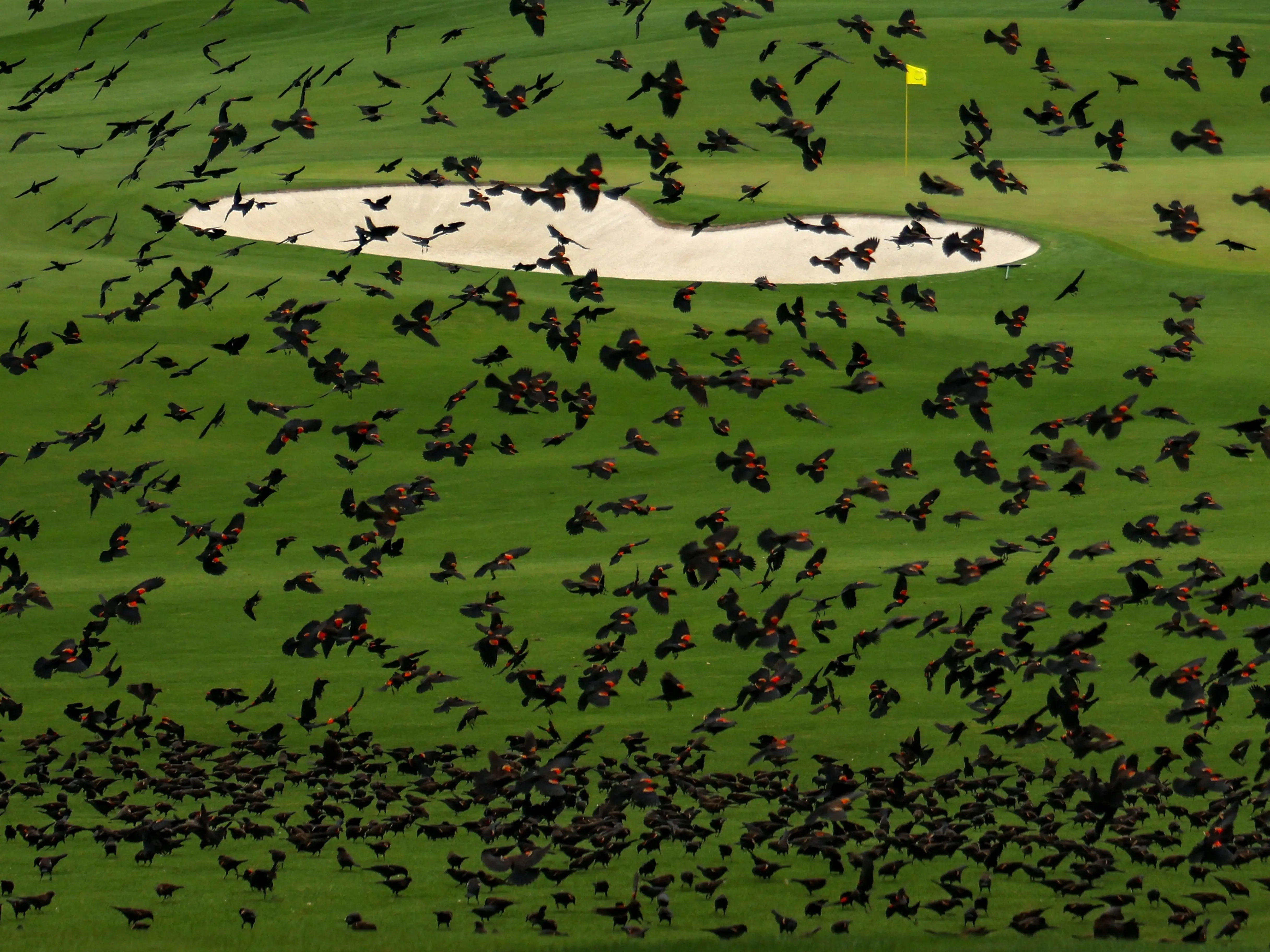
Bird sounds are heard during television broadcasts, but there is a rumor that those sounds are artificial. Some patrons, like Thomas Boswell of the Washington Post, have reported seeing no birds at Augusta National.
Augusta National insists that all birds are real and native to the area.
The lakes are also reportedly artificially enhanced to look immaculate on TV.

Golf Digest tested the water on one hole in 1996 and reported it contained blue food dye. Augusta National has never commented publicly on the report.
Dyed water or not, there’s good fishing at Augusta National.

The players, though, don’t like to talk about it because it is forbidden.
In 2011, Forbes interviewed golfers about the best fishing spots on the PGA Tour. When Augusta was brought up, he described their responses as “squeamish” and they only admitted to hearing there were some good spots.
For years, it was thought that the course’s lone palm tree was a myth.
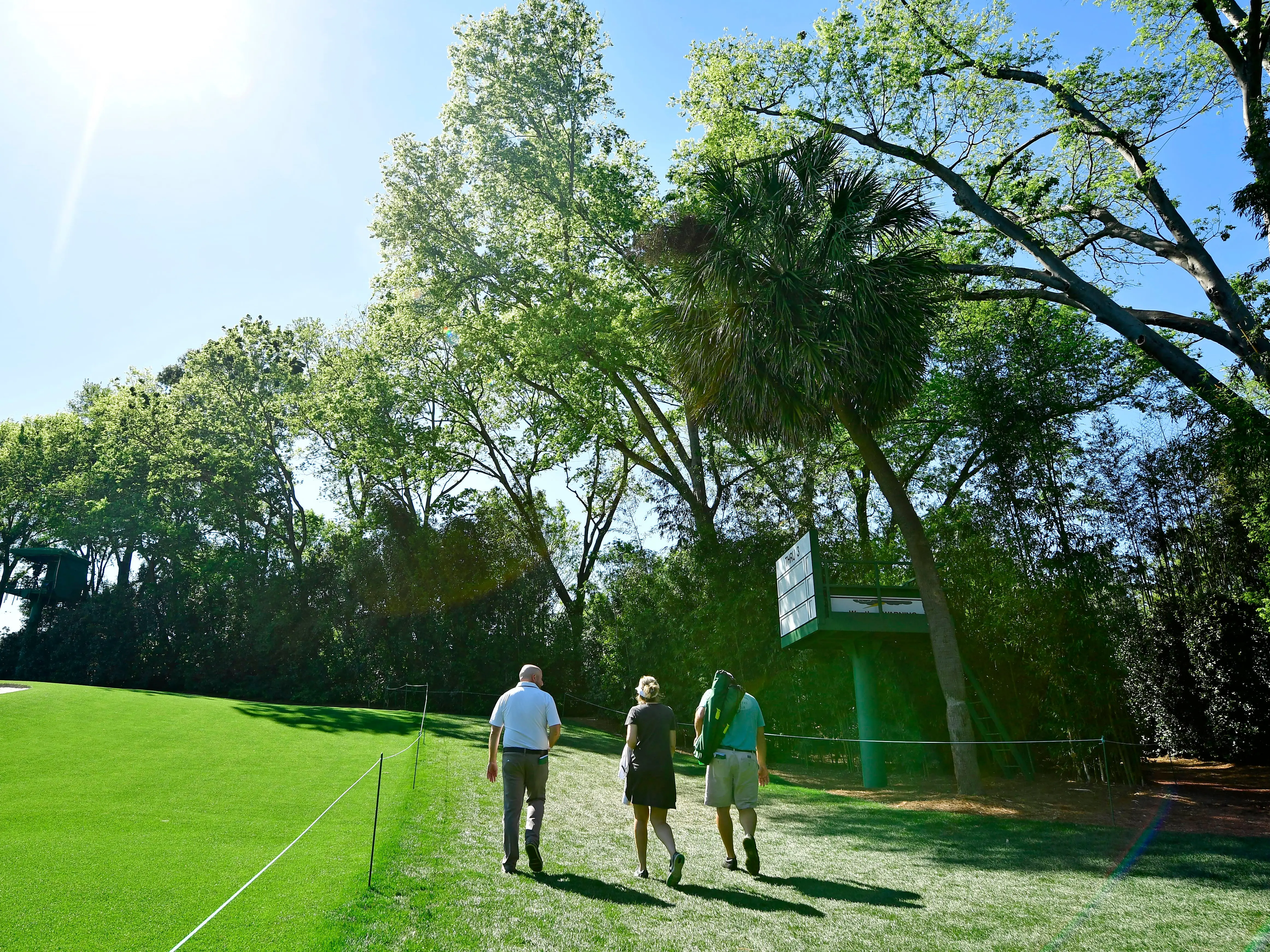
For a long time, there was a legend of a single palm tree on the Augusta National Golf Club. It was said to be hidden by larger trees on the fourth hole, and only golfers who hit a terrible shot into the woods had seen it.
In 2006, the fourth hole was lengthened to ensure it remained challenging for golfers with modern equipment. During the work, many trees were removed, revealing the lone palm tree.
Golf.com reported that there used to be more palms in the area until a winter storm destroyed all but one.
Only 4 minutes of commercials per hour are allowed during the broadcast.
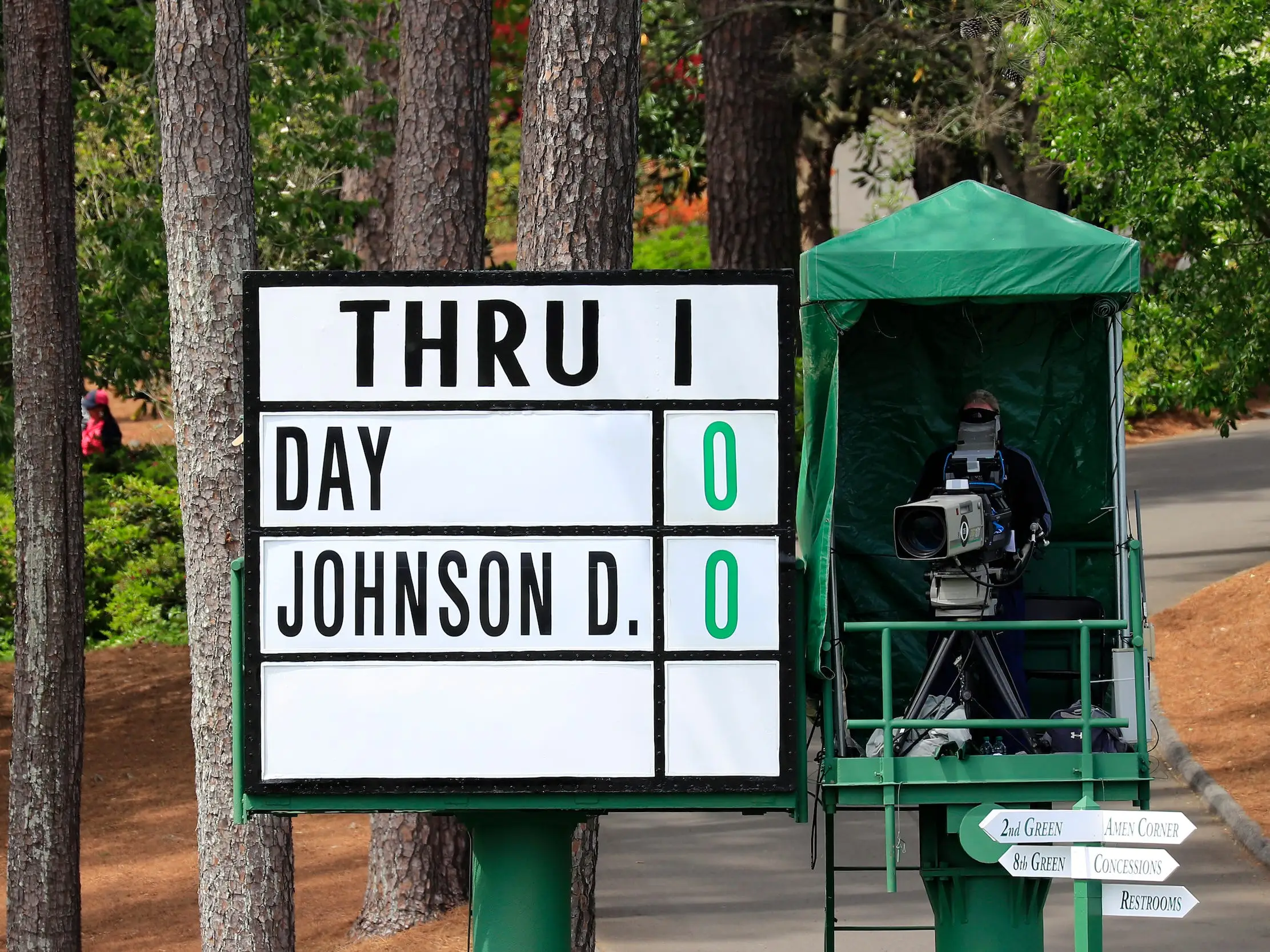
While seemingly unheard of in modern sports broadcasting, the Masters has stayed consistent in its allotted commercial time over the years, Golf Monthly reported.
TV commentators are not allowed to refer to fans as “fans” or “spectators.”

They are to be called “patrons.” In fact, weekly passes to the Masters are called “patron badges.”
The rough is also to be referred to as the “second cut.”
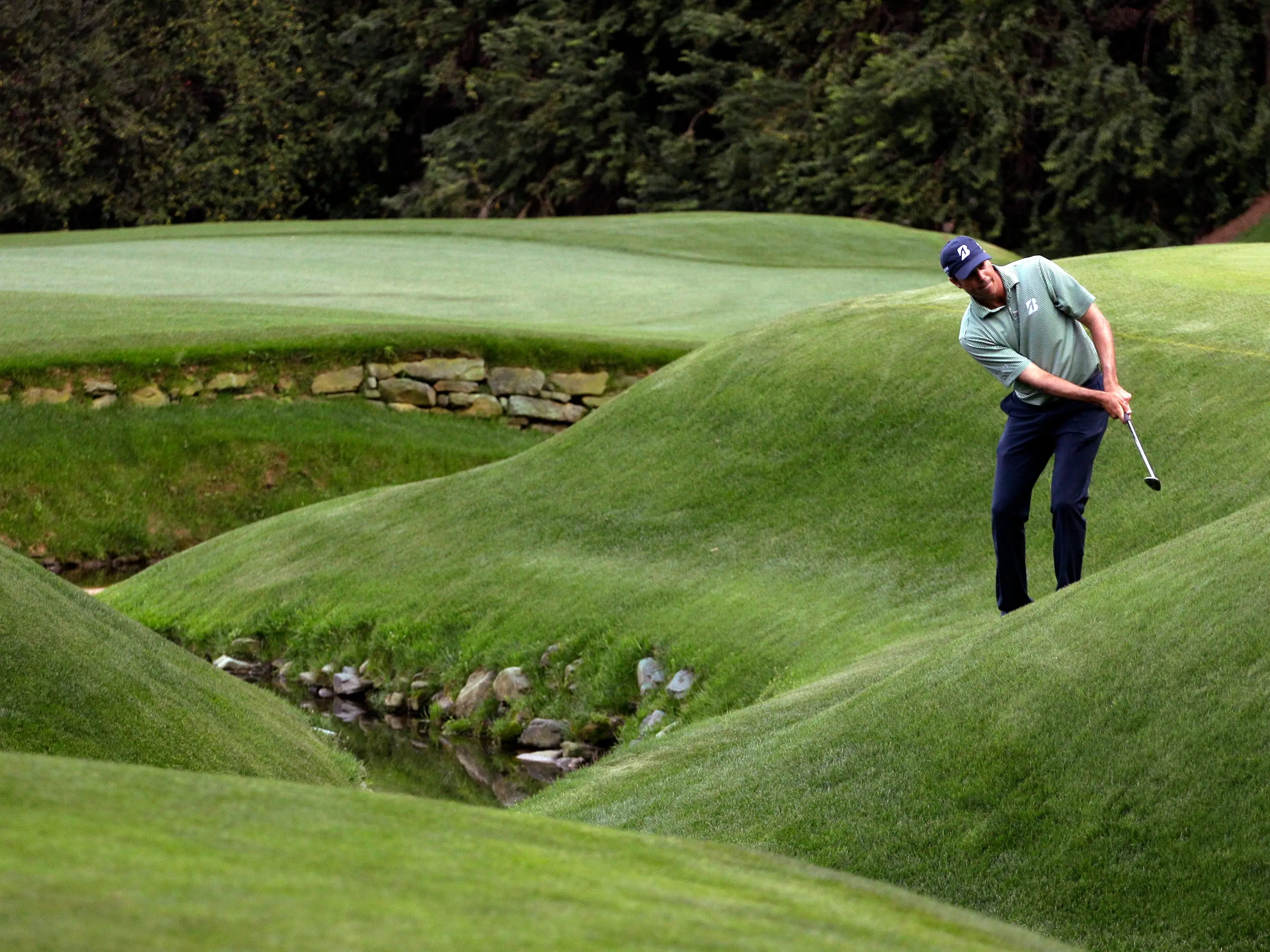
According to Golf Digest, Augusta annually releases its mowing specs. This year, the “second cut” is 1 3/8 inches.
Players had to use local caddies provided by Augusta until 1983.
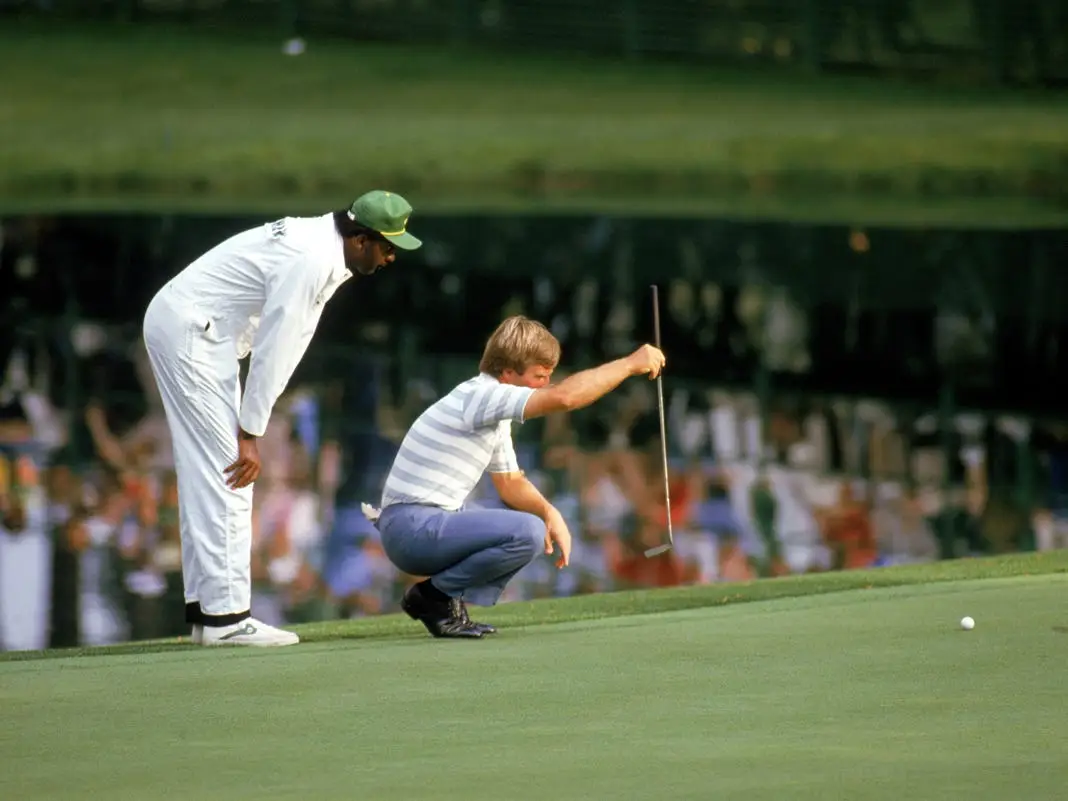
Augusta’s caddies at the time didn’t use yardage books, instead relying on course knowledge and feel, according to the Golf Heritage Society.
Players are now allowed to use their own caddies, but they must wear the Augusta uniform: a green hat and a white jumpsuit.

Per the Masters, in the late 1940s, caddies began to wear these outfits so they could be set apart from the crowd.
For the rest of the year, caddies at Augusta can wear whatever they want.
Patrons aren’t allowed to wear their hats backward.
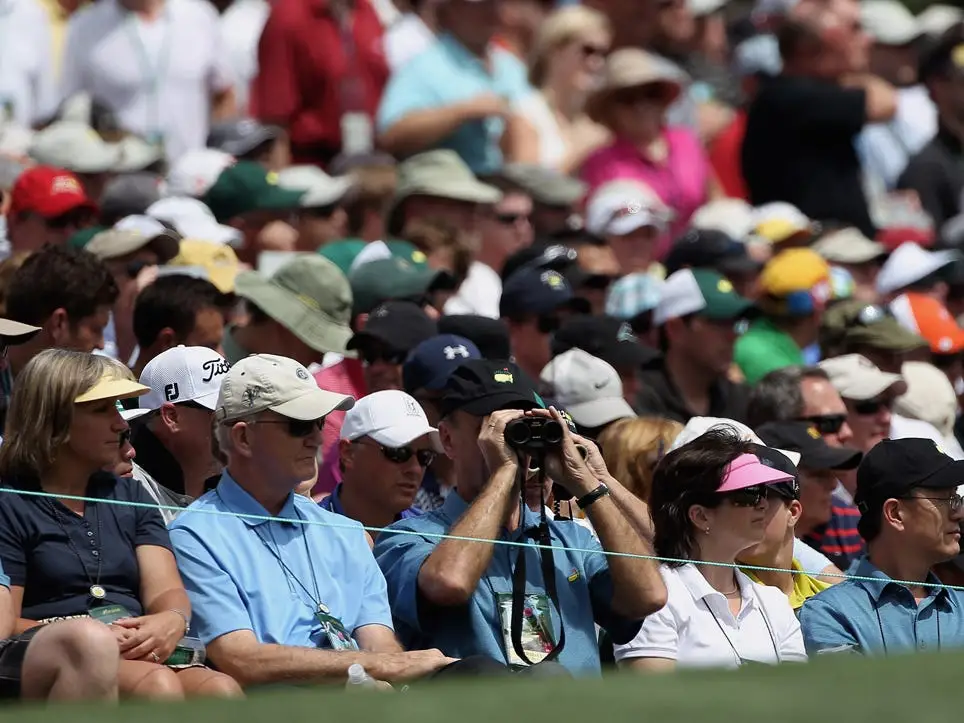
The rule even applies to players. In 2011, top-ranked Rickie Fowler was wearing his hat backwards at a press conference, where he was promptly ordered to turn it around, per Yahoo Sports.
Patrons can bring collapsible chairs to sit on, but they must not have armrests.
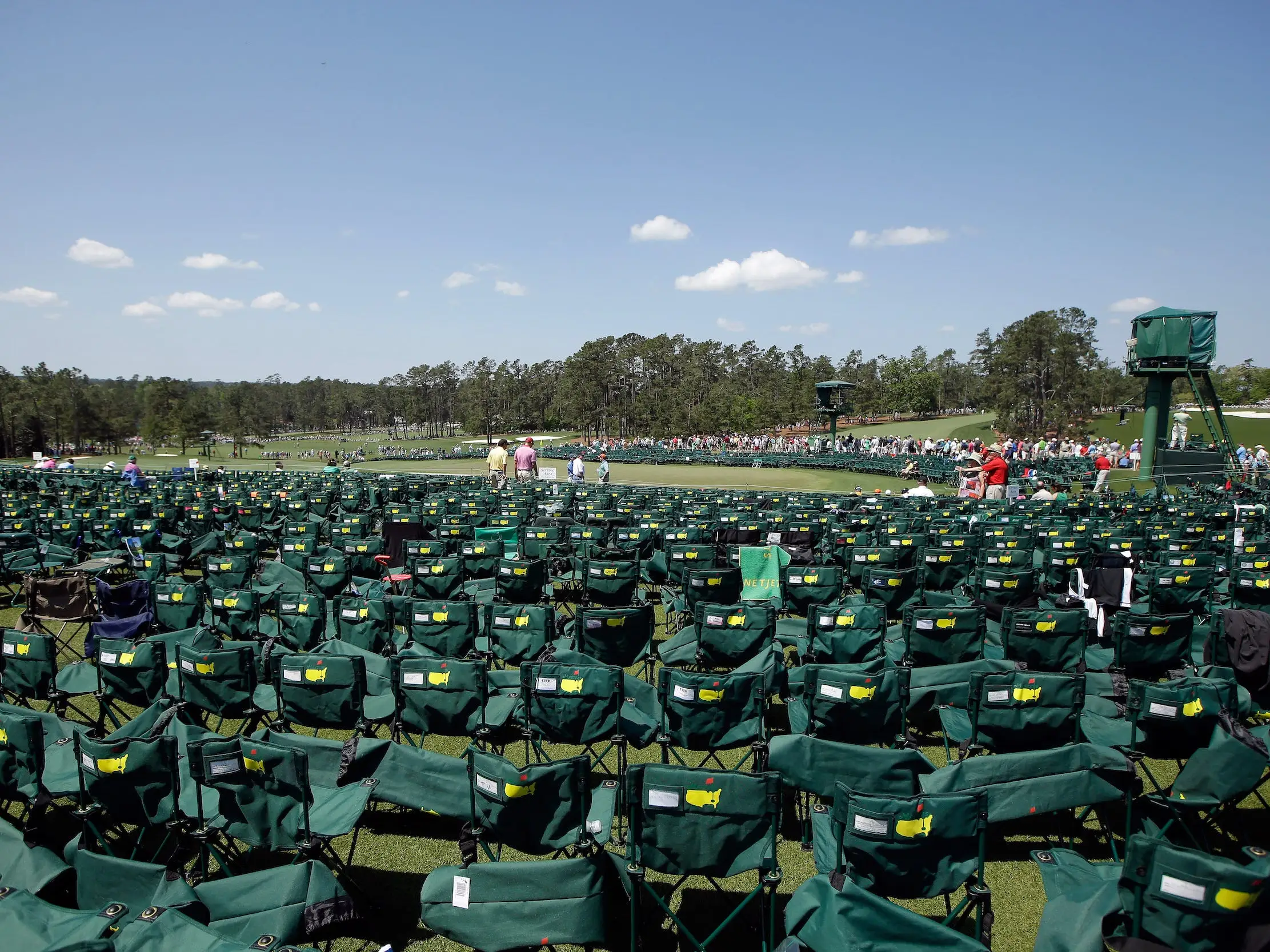
Patrons can also arrive early, stake a claim to a small plot of land on the course, place their chair, and then wander around the course without losing their spot. Most own the official green Masters chair, which sells for $30 in the shop, per Golf.com.
There is also an unwritten rule that it is acceptable to sit in an unoccupied chair as long as you are willing to move when the owner returns.
Running is not allowed unless you are a player.
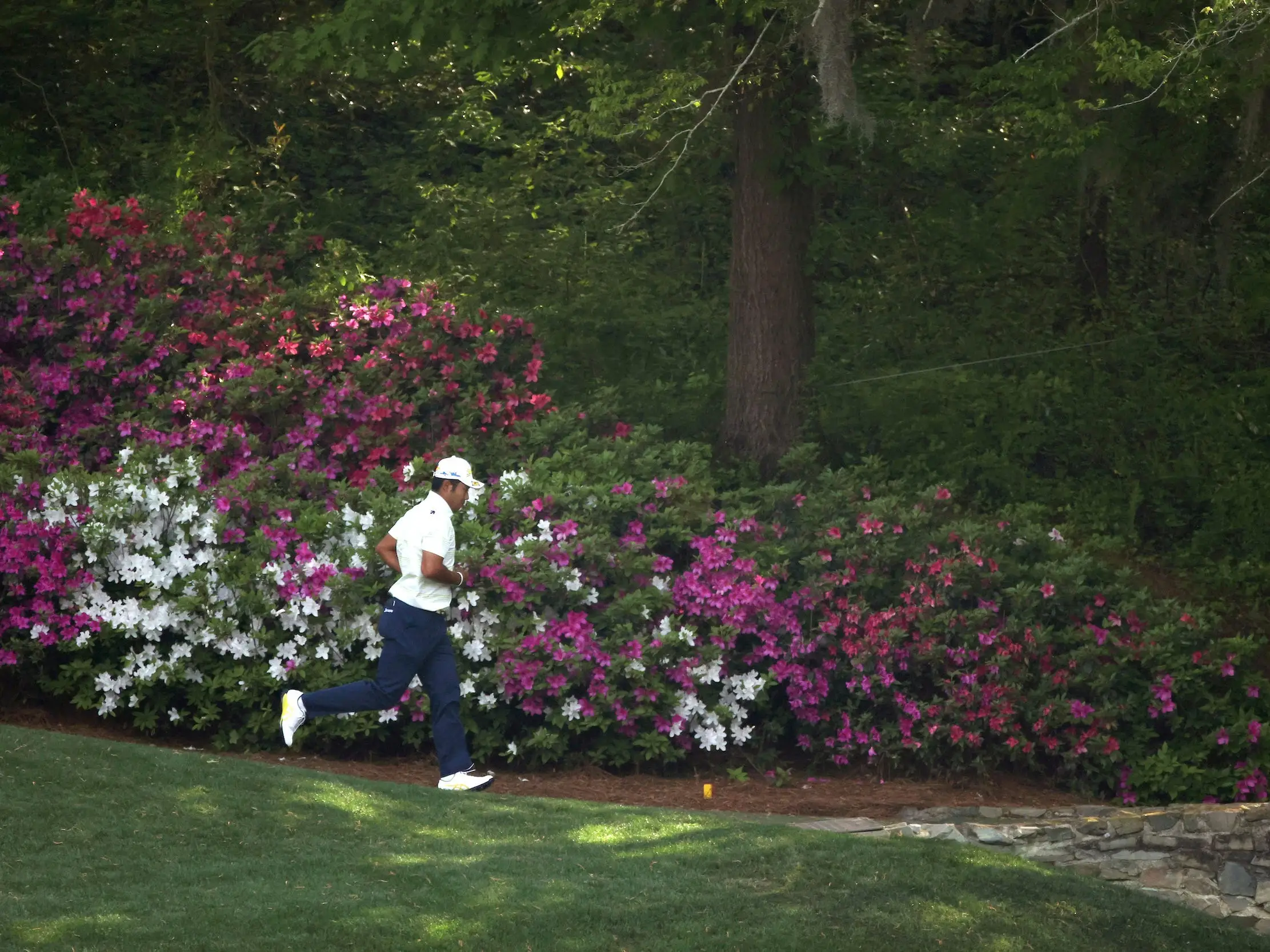
Even for a bathroom break or concessions run, patrons must walk.
Grounds crew members used to wear hard hats.
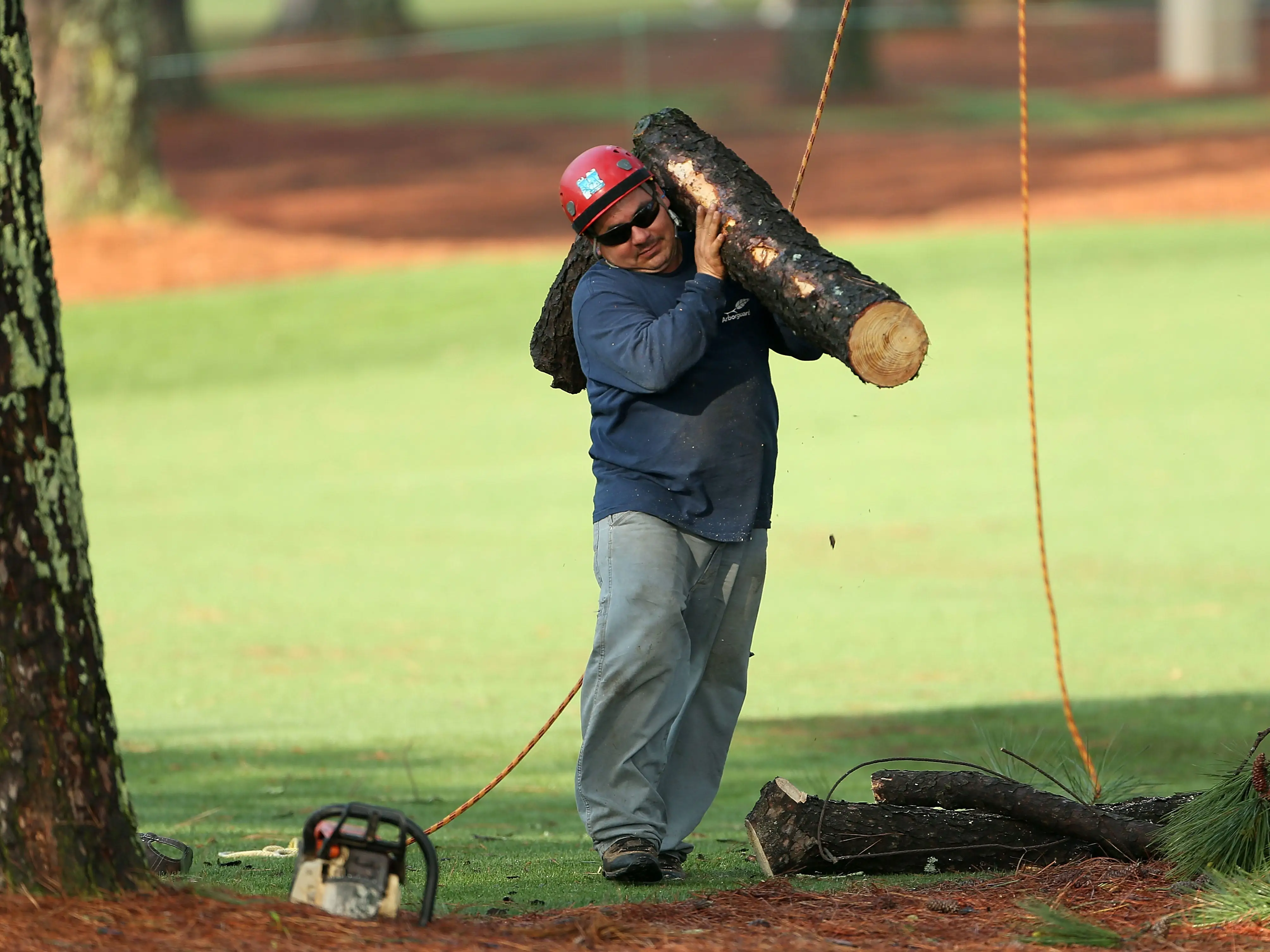
Even though some workers may still wear them for certain jobs, all grounds crew members wore them into the early 2000s to protect themselves from flying golf balls.
Many of the grounds crew members are volunteers, but volunteers get to play the course.
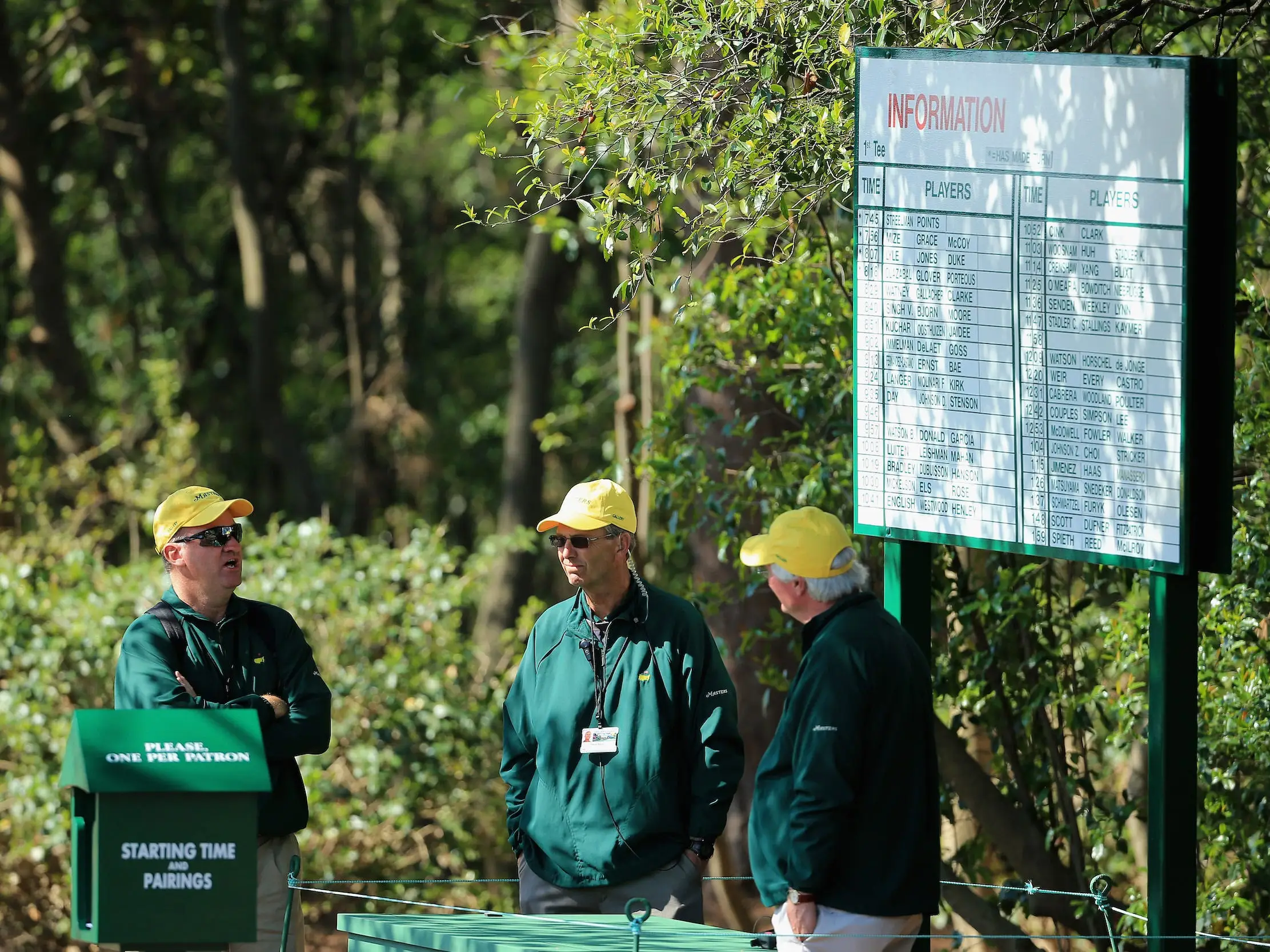
Augusta National holds an “Appreciation Day” after the tournament, when all volunteers get to play the course.
The course used cows as lawnmowers in the 1940s.
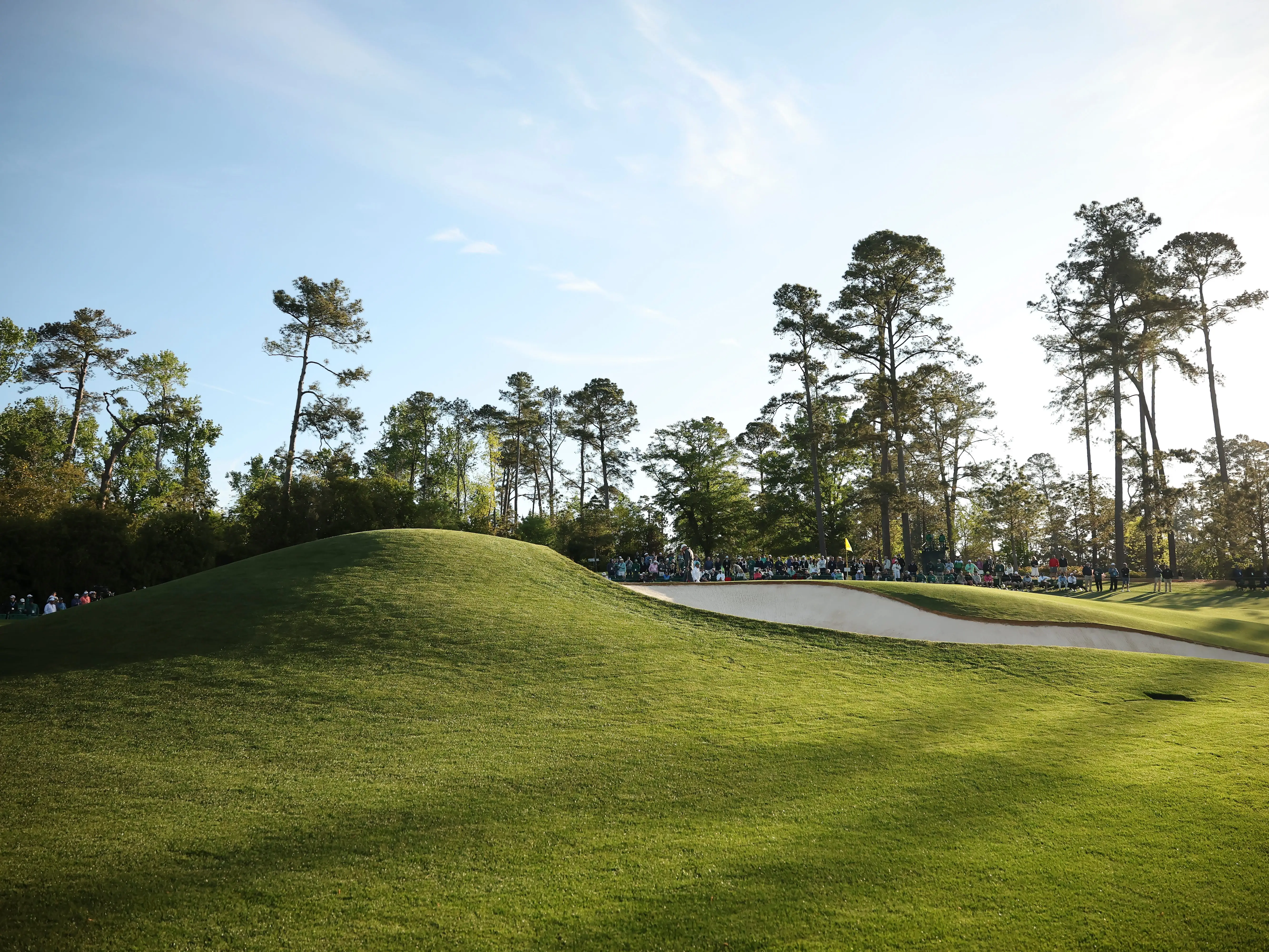
World War II affected Augusta just like it did the rest of the country. During the war, Augusta didn’t have the manpower to maintain the course, so they set 200 cattle loose on the grounds in hopes that they would “trim” the grass by eating it.
Unfortunately, it backfired as the grass was not being replanted and the cows turned to the azaleas and bark of young trees, per Golf Digest.
Another odd myth is that the grounds crew at Augusta packs the azalea plants with ice if spring comes early.
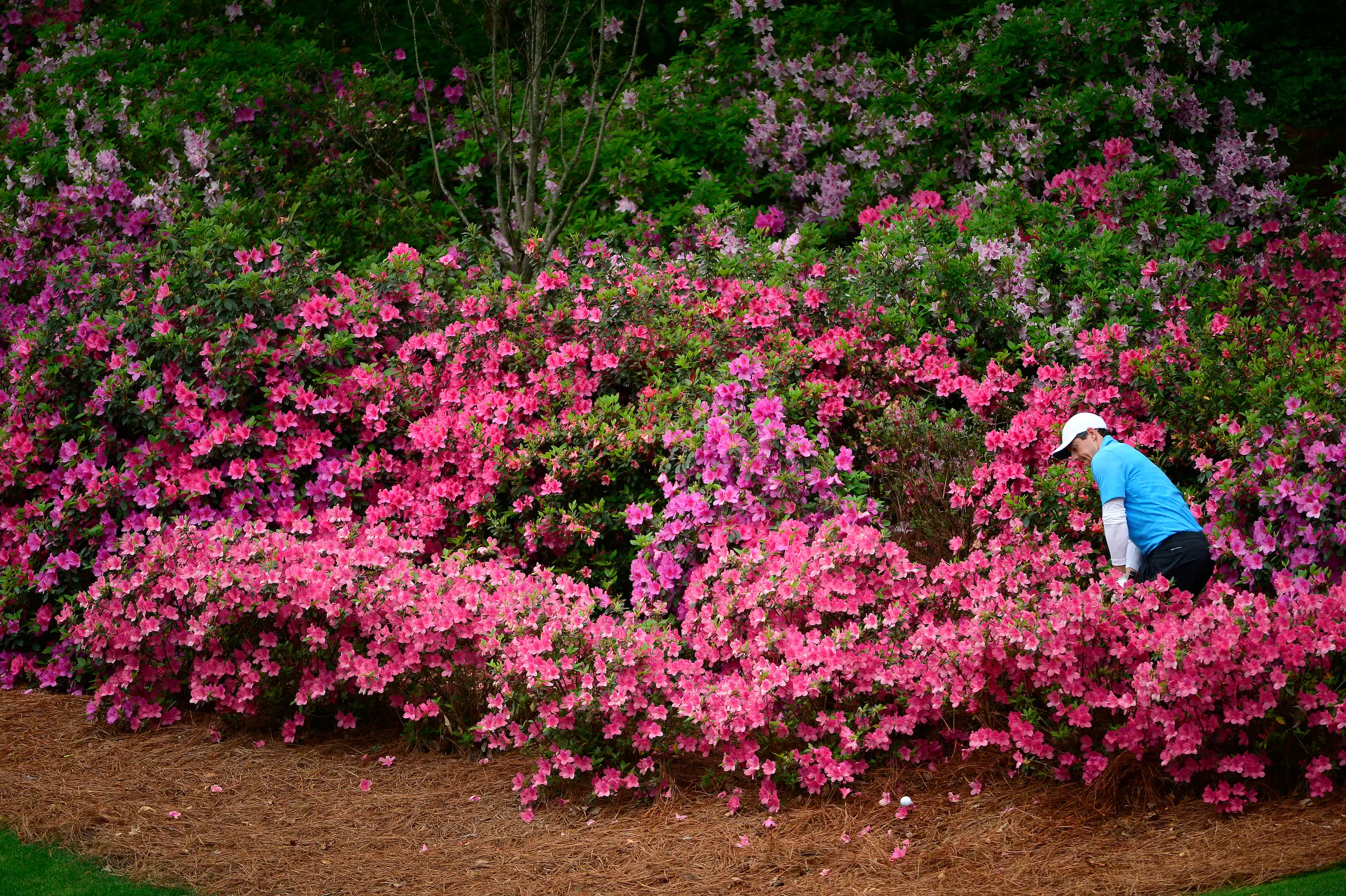
The practice, known as “the ice theory,” is believed to keep the plants from flowering too soon before the tournament, but horticulturalists have cast doubts on the theory.
There is a house located in the middle of the Augusta National parking lot because the owners refuse to sell it, reportedly turning down millions.

While Augusta National has spent hundreds of millions acquiring property around the course, one house still stands in a once full neighborhood.
Fox Business reported, “The home at 1112 Stanley Rd. was built in 1959 by Herman and Elizabeth Thacker, and it still stands just across from Gate 6-A.”
You can’t apply to become a member at Augusta, and nobody outside of Augusta knows how many members there are.

It’s nearly impossible to become a member at Augusta.
Per Golf.com, you have to be nominated by a current Augusta member, and new initiations generally aren’t accepted unless someone quits or dies. The total membership hovers around 300.
Augusta is closed in the summer to keep the course in pristine shape.
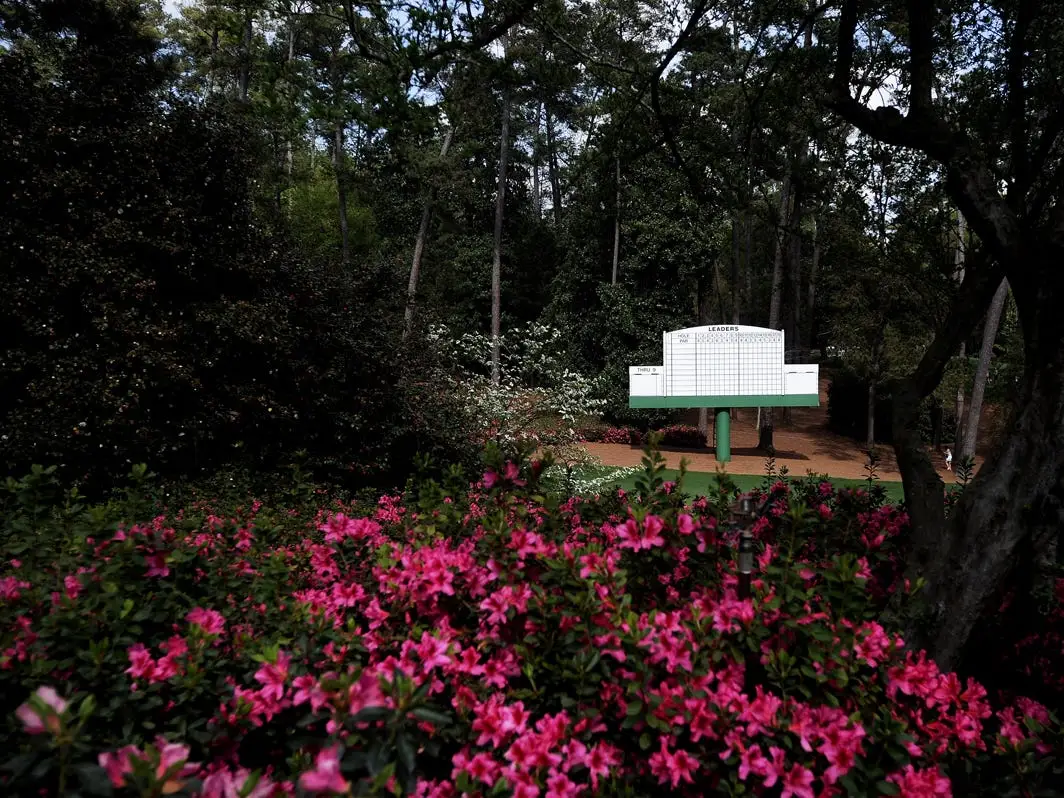
The closure from May to October allows the club to make changes, which is part of the reason it’s the most renovated golf course in the world, according to Golf.com.
Golfers must return their green jackets to Augusta National one year after winning the Masters.

After that, their jacket can only be worn when they are at Augusta National.
Also, if a player wins more than one Masters, he does not receive a second green jacket unless his size changes considerably.

When Tiger Woods won his fifth Masters in 2019, it was very likely the same jacket he was given for his first win in 1997.
There is no set field size for the Masters.

Past winners who get a lifetime invitation to compete in the Masters are not taking spots from younger, more deserving players. In fact, there’s a long list of ways to qualify.
Players are given a brand new Mercedes for use during the week.
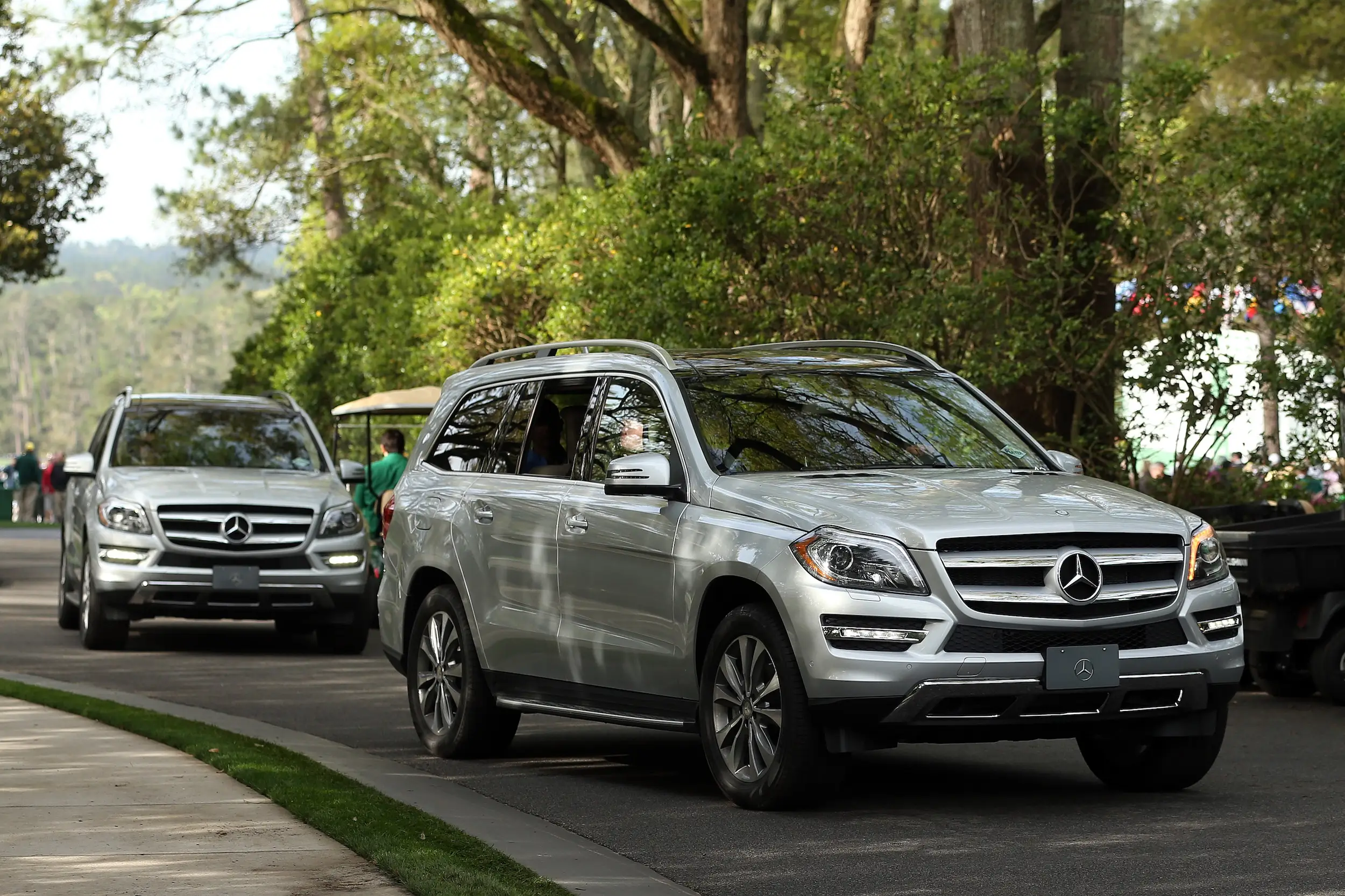
Golf cart drivers hired to drive players around Augusta National also pick up the golfers at the airport in the Mercedes they will be using. The cars have a number in the back window so that employees can always identify the players by the car they are in.
Though elusive, tickets are cheap, and a patron badge that grants you access to the entire week is $450.
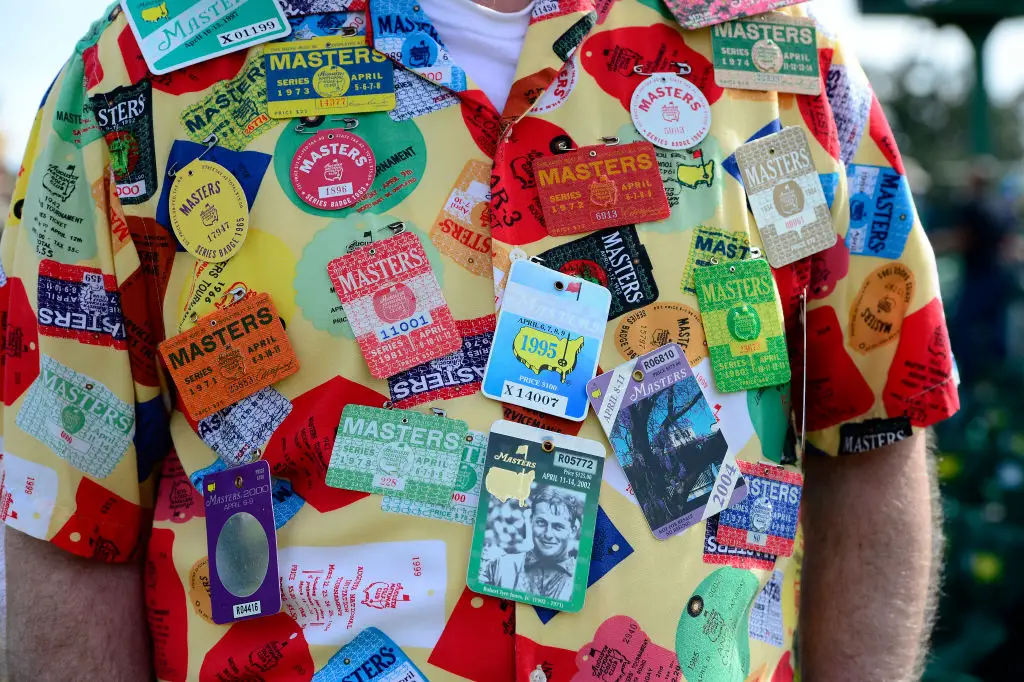
There is a waiting list for the elusive and mysterious patron badges, but it has been closed since 2000.
A limited number of single-day tickets are sold via lottery each year. Those are $150 for the tournament rounds and $125 for practice rounds.
You can go to jail for buying or selling tickets near Augusta National.
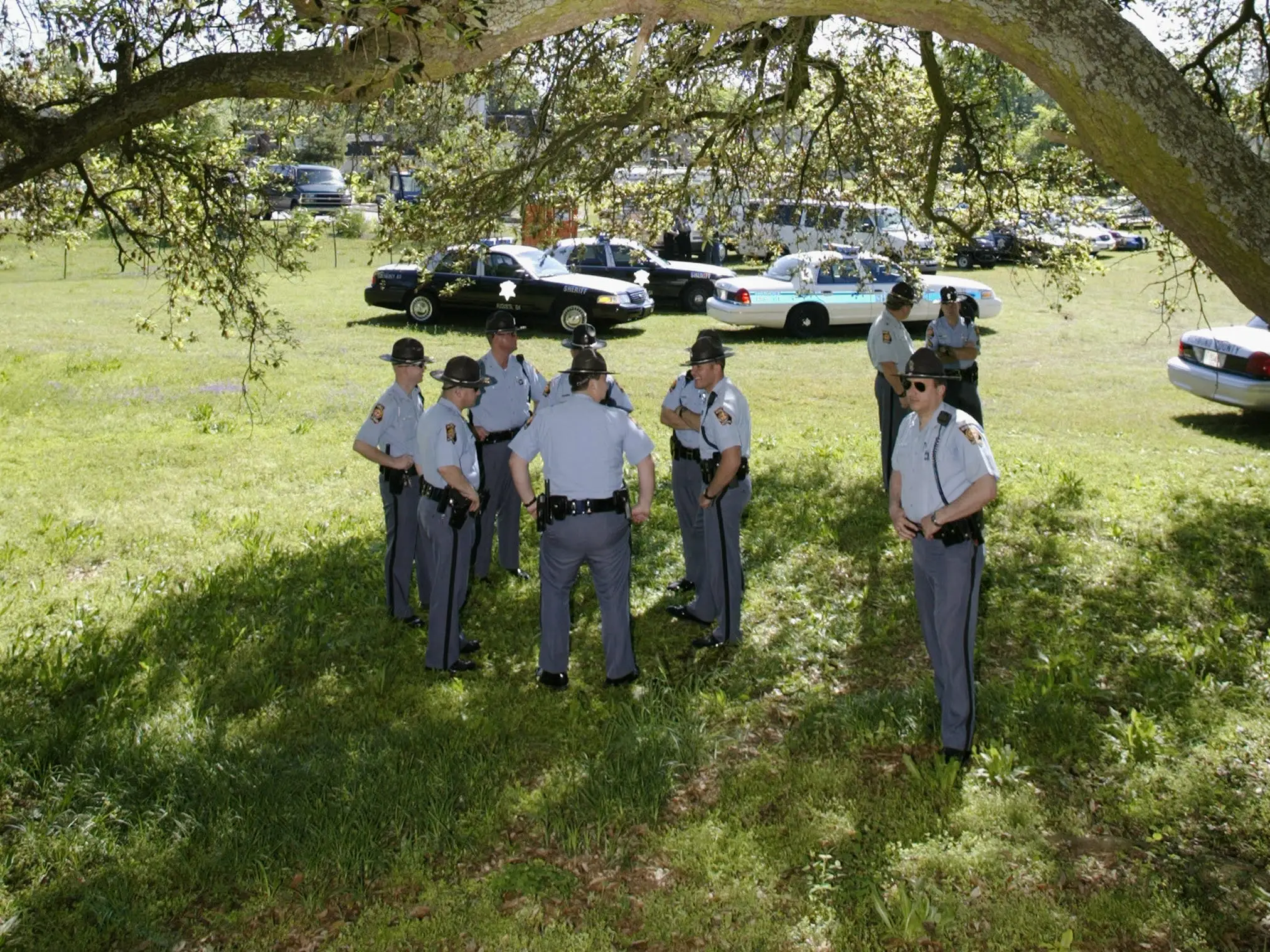
The course is strict about who it lets into the tournament, and it’s illegal to sell tickets within 2,700 feet of the gates.
Twenty-four people were arrested outside Augusta in 2012 for trying to scalp tickets, the Augusta Chronicle reported.
You can also go to jail for trying to take sand home as a souvenir.
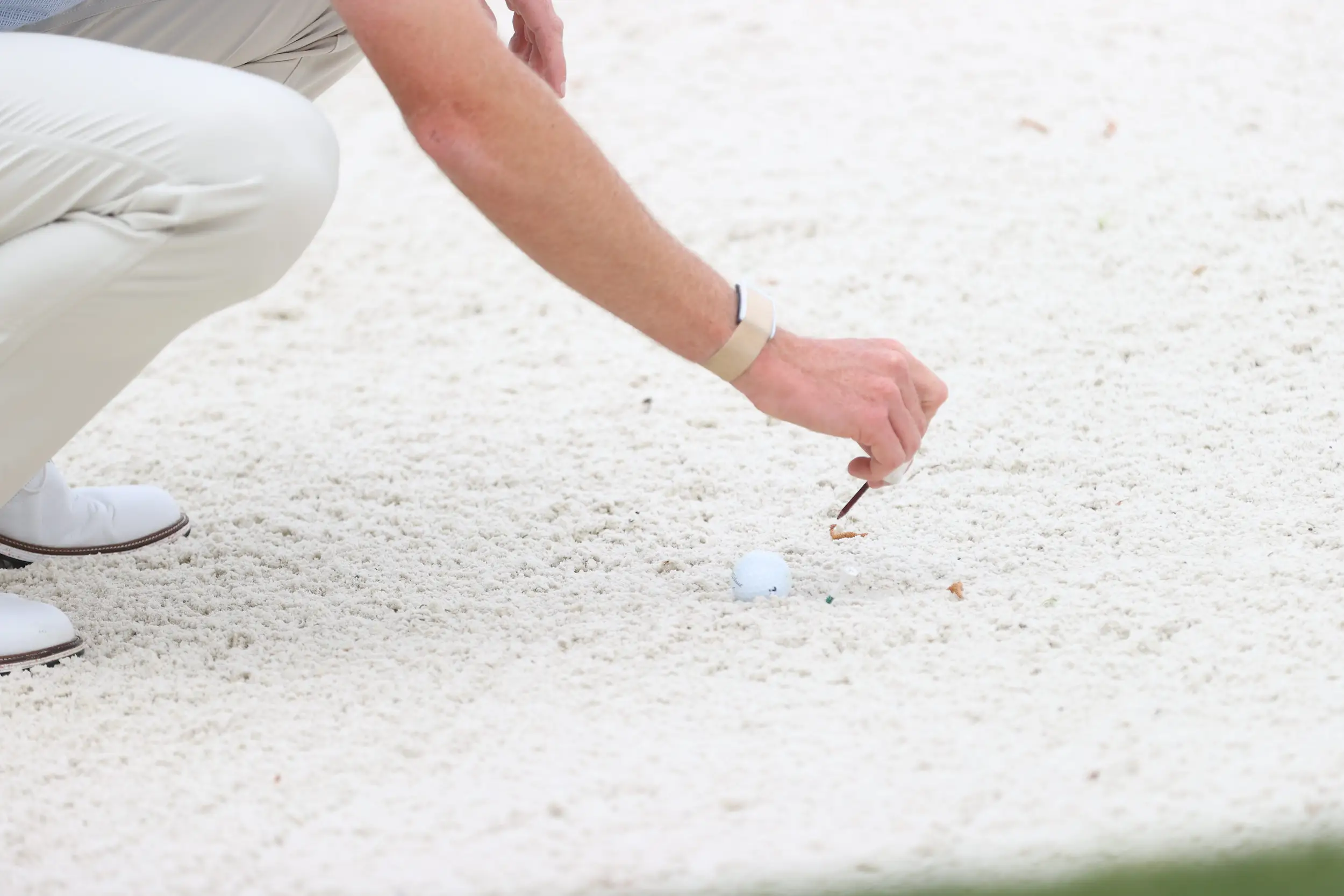
In 2012, Clayton Baker made headlines when he made a quick run to a bunker to get some sand to take home. He was quickly arrested and thrown in jail. The charges were ultimately dropped, but he says the incident cost him $20,000 and led to depression because of how he was treated.
Meanwhile, those bunkers at Augusta are filled with mining waste.

The sand comes from Spruce Pine mining area near the Blue Ridge Mountains in North Carolina, per Golf News Net. The sand is merely a byproduct from the quartz and feldspar mining.
You can only ask for autographs in one part of the course.
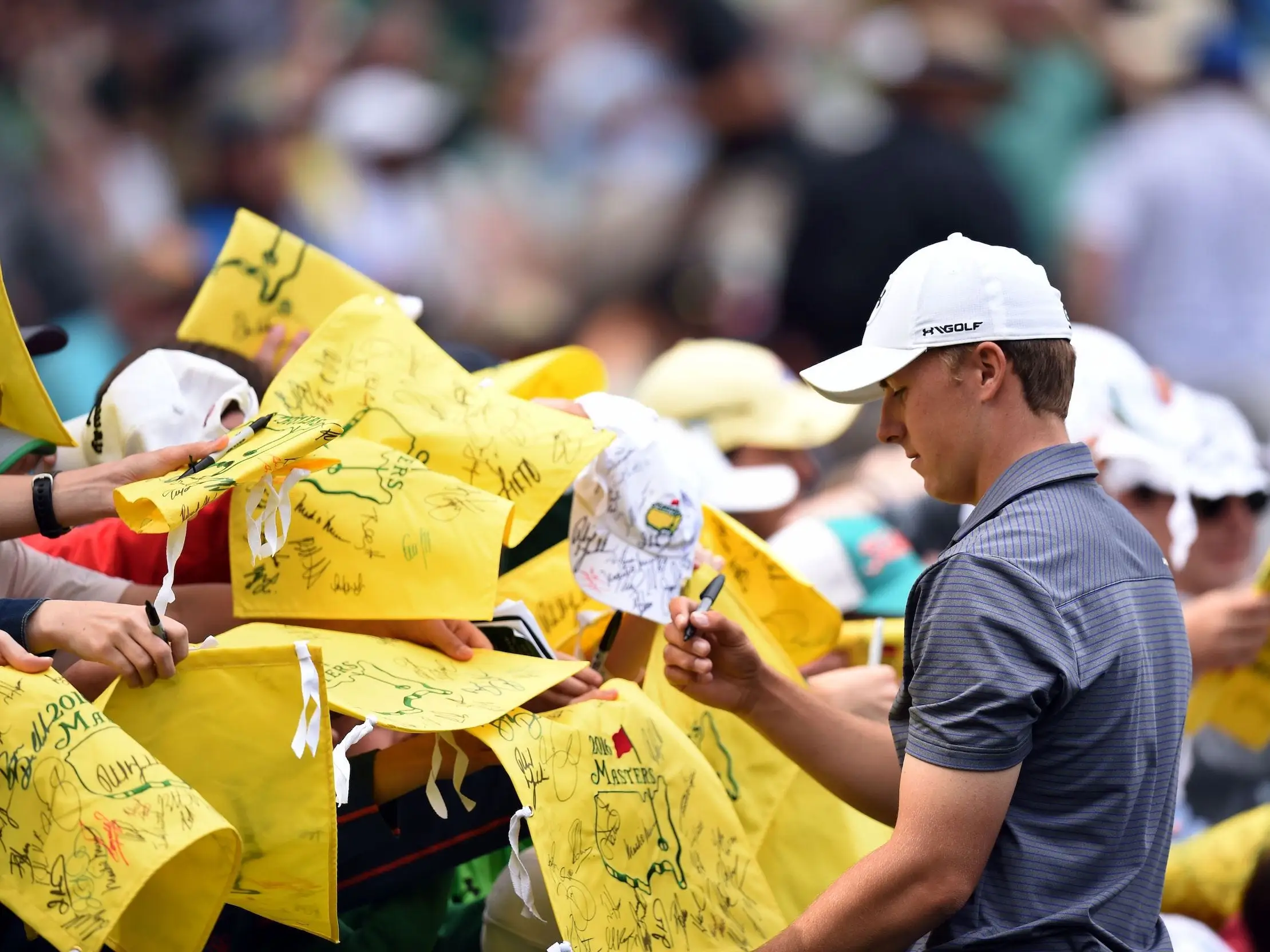
The tournament enforces the rule “for player safety and protection,” per its website.
“Autograph seeking is only allowed in areas adjacent to the Tournament Practice Area and No. 9 green of the Par 3 course during the Par 3 Contest,” the rules state.
The pro shop is unlike any other in sports. It is the only place to buy Masters gear, and it sells 125 different styles of caps.
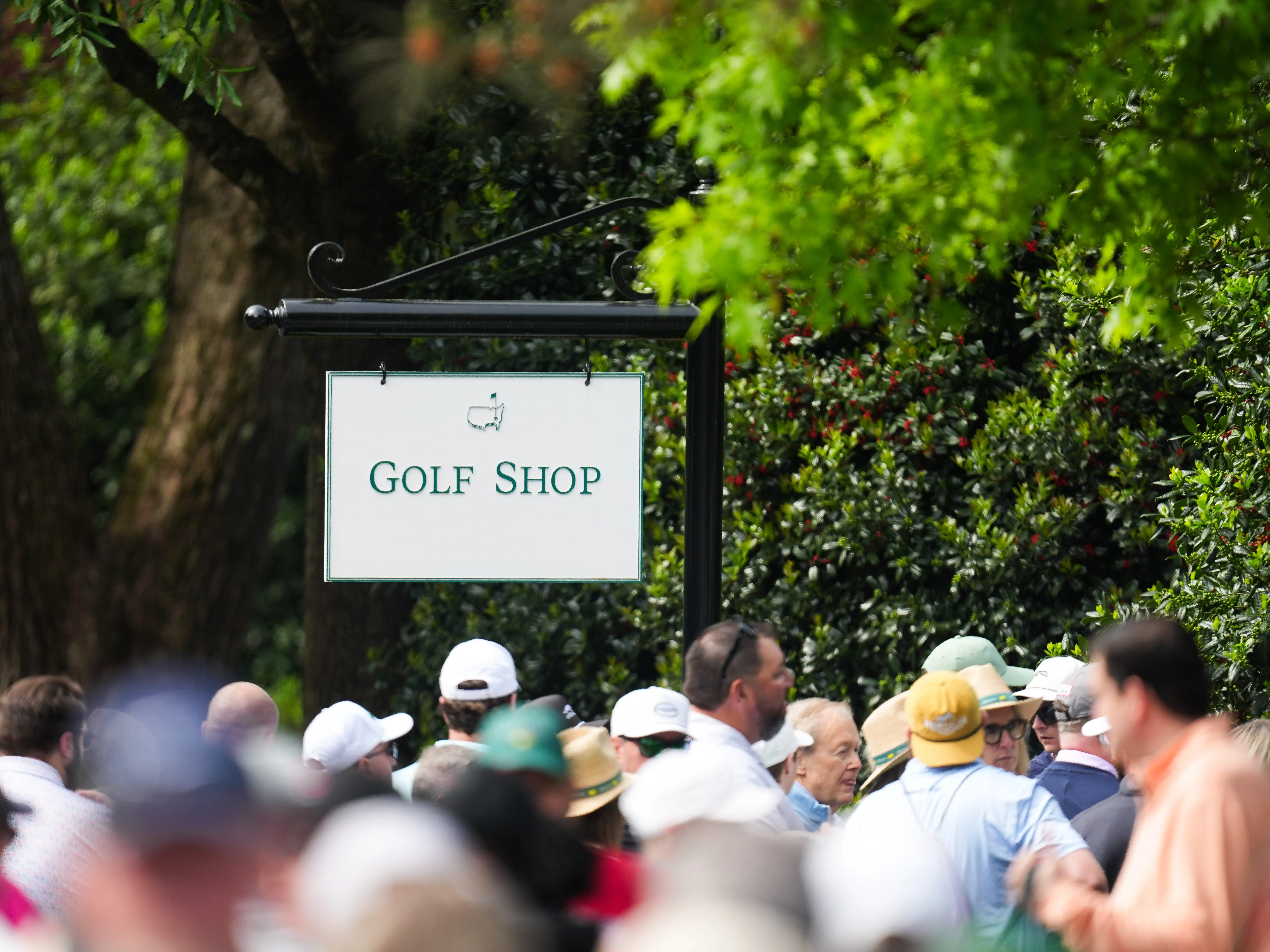
The shop opened in 2018, and unlike the concessions, prices aren’t cheap. Patrons have a wide selection of items to choose from, and the store’s 64 registers prevent long lines.
Read the original article on Business Insider
The post 34 quirks, myths, rules, and traditions that make the Masters unique appeared first on Business Insider.