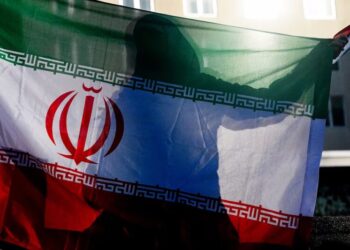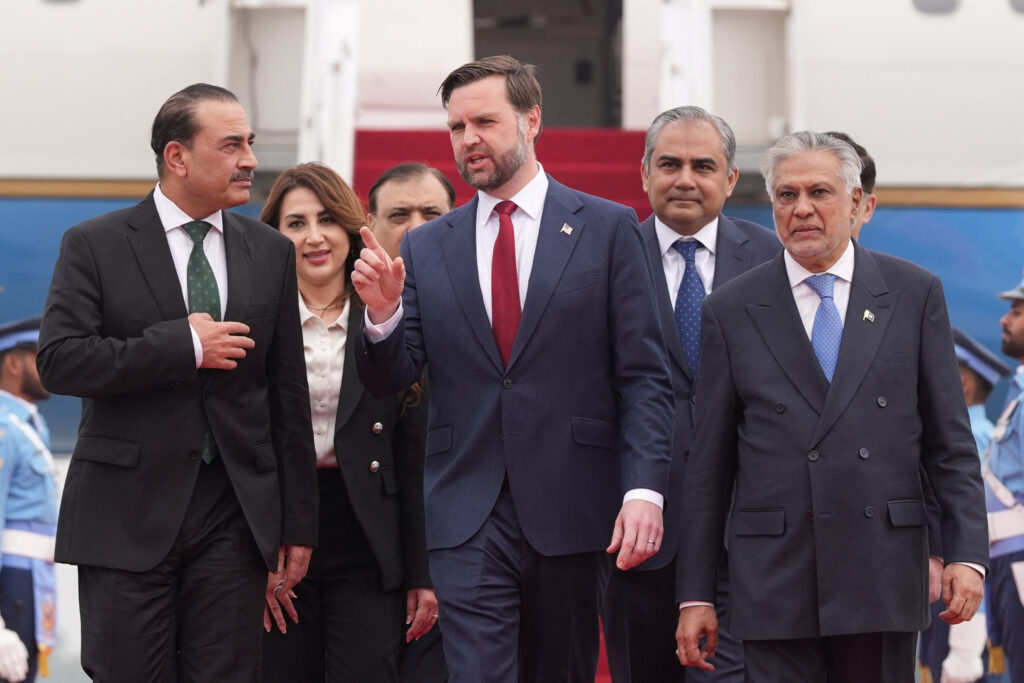
ISLAMABAD — The Iranian and U.S. delegations have arrived in Islamabad for talks on ending the war in Iran days after the two sides agreed to a shaky ceasefire.
Heavy security was visible across the Pakistani capital on Saturday, with few cars on the streets and many roads completely closed to civilian traffic ahead of the arrival of U.S. Vice President JD Vance, who arrived around 10:30 a.m.
Both sides traded allegations of ceasefire violations right up until talks were set to begin on Saturday. President Donald Trump has repeatedly called on Iran to reopen the Strait of Hormuz, the critical waterway that he said should have been opened under the two-week ceasefire agreed Tuesday. Iran has criticized continued Israeli attacks in Lebanon, stating that the ceasefire should have extended to that front as well.
Iranian parliament speaker Mohammad Bagher Ghalibaf, who is leading the Iranian delegation, said Friday that two measures “mutually agreed upon between the parties have yet to be implemented” — a ceasefire in Lebanon and the release of blocked Iranian assets. “These two matters must be fulfilled before negotiations begin,” he said in an X post on Friday.
Trump also voiced his frustration on social media Friday. “The Iranians don’t seem to realize they have no cards,” he said in a Truth Social post. “The only reason they are alive today is to negotiate!”
Pakistani Prime Minister Shehbaz Sharif said in a national address Friday that the ceasefire between Iran and the U.S. was at a “make or break” moment as the two sides begin negotiations to move from a temporary truce to a lasting agreement.
Both Iran and the U.S. have sent larger, more senior groups of officials to the talks in Pakistan than were sent to nuclear talks between the two sides.
Vance is leading the U.S. delegation, alongside U.S. envoy Steve Witkoff and Trump son-in-law Jared Kushner, the two men who headed the U.S. side in the last round of talks with Iran earlier this year.
The Iranian delegation that arrived in Pakistan late Friday includes more than a dozen senior officials. In addition to Ghalibaf, Iranian Foreign Minister Abbas Araghchi, who took the lead on nuclear talks, is present. They are accompanied by several senior security officials and Iran’s central bank governor.
While both Iran and the U.S. appear motivated to end the war, significant gaps remain on key issues including the Strait of Hormuz, Iran’s nuclear program and the payment of reparations for war-related damage.
Iran has published a 10-point plan to end the war. The plan calls for Iran to remain in control of the Strait of Hormuz and the withdrawal of U.S. forces from military bases in the Middle East, both likely problematic for the United States. But Trump has called the outline “a workable basis on which to negotiate.”
Among the demands detailed is that of compensation for related destruction. Iranian officials have said they will only entertain a peace deal that includes compensation from the U.S. for damage caused by the war.
Less is known about the Trump administration’s position going into the talks. The administration says it sent a 15-point plan to Tehran last month, but it hasn’t been made public. Officials speaking on the condition of anonymity have detailed the points to The Washington Post, saying it offers extensive sanctions relief in return for the removal of all enriched uranium from Iran and strict limits to its nuclear and missile programs, among other provisions.
The post Talks set to begin in Islamabad as U.S. and Iran seek path to end war appeared first on Washington Post.