Americans are starting to pay more for goods and services, from airline baggage fees to package deliveries. Companies such as Delta Air Lines and the United States Postal Service have warned that higher energy costs tied to the war in Iran are forcing price increases across industries.
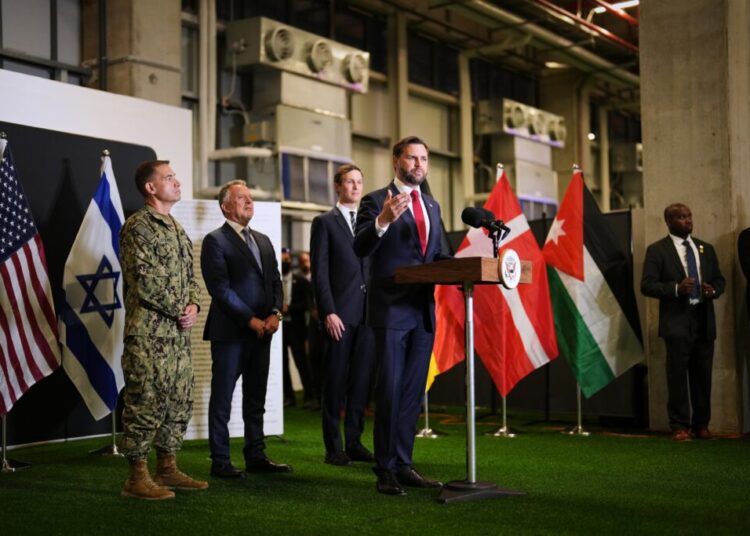
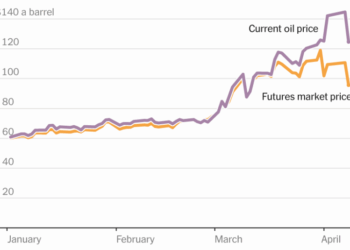
Oil and gas prices surged after the United States and Israel launched attacks on Iran, disrupting shipments through the Strait of Hormuz, a narrow passageway through which roughly a fifth of the world’s oil and gas supply typically passes.
After more than five weeks of conflict before a cease-fire was called, the economic effects are becoming clearer. Gas prices have topped $4 a gallon on average. Utility bills have climbed and consumers are facing higher costs for groceries and air travel — prices that are unlikely to return to prewar levels anytime soon.
How long it will take to stabilize the Gulf’s energy system remains highly uncertain, with the cease-fire appearing fragile.
Federal Reserve officials have taken a wait-and-see approach, holding interest rates steady amid the uncertainty about the conflict’s economic impact. Minutes from the March meeting show policymakers were increasingly concerned that a prolonged crisis could drive sustained inflation. The Organization for Economic Cooperation and Development expects U.S. inflation to jump to 4.2 percent this year, up from 2.6 percent in 2025.
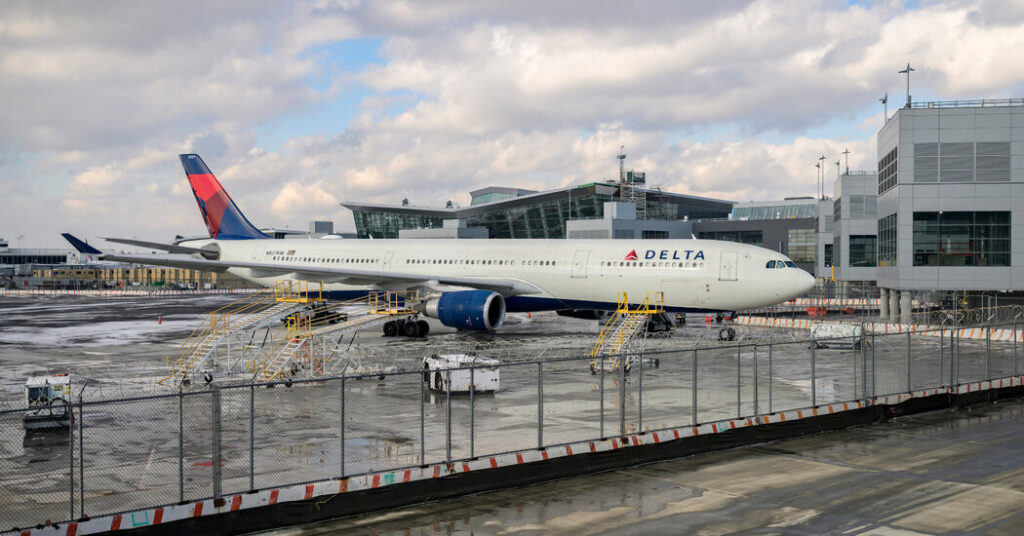
Corporate leaders are beginning to acknowledge the impact. Delta Air Lines said it raised baggage fees by $10 for the first and second bags, and by $50 for a third bag, as of April 8 for domestic and select international routes. U.S.P.S. will impose an 8 percent temporary surcharge on packages starting April 26 and slated to end on Jan. 17, 2027, citing increased transportation and fuel expenses.
Here is what some other companies have said about raising prices as a result of higher energy costs:
-
Amazon: The online retailer implemented a 3.5 percent “fuel and logistics‑related surcharge” for third-party sellers who use its fulfillment services in the United States and Canada, starting on April 17.
-
FedEx: The shipping company announced a 26.5 percent package and airfreight fuel surcharge as of April 6.
-
United Airlines: The airline raised fees for the first two checked bags by $10 for flights in the United States, Mexico, Canada and Latin America. It is the first time in two years the airline has increased bag fees.
-
UPS: Since March 2, the package delivery company has raised its fuel surcharge weekly. Its domestic ground surcharge is now up by more than 5 percent and its domestic air surcharge by nearly 10 percent. Its international air export and import surcharge has jumped more than 10 percent.
-
JetBlue Airways: The airline said it raised baggage fees by $4 for the first checked bag and $9 for the second.
-
Southwest Airlines: The airline announced baggage fee increases of $10.
Kailyn Rhone is a Times business reporter and the 2025 David Carr fellow.
The post The Iran War Has Prompted Some Companies to Raise Prices appeared first on New York Times.