A new inflation report is around the corner, likely unveiling the effects of the Iran war on prices, but even if a tentative ceasefire holds, energy prices could stay high for months.
It’s likely that inflation surged in March due to energy prices; annual inflation, as measured by the consumer price index, is expected to rise from 2.4% in February to 3.4% in March, the highest rate since 2024.
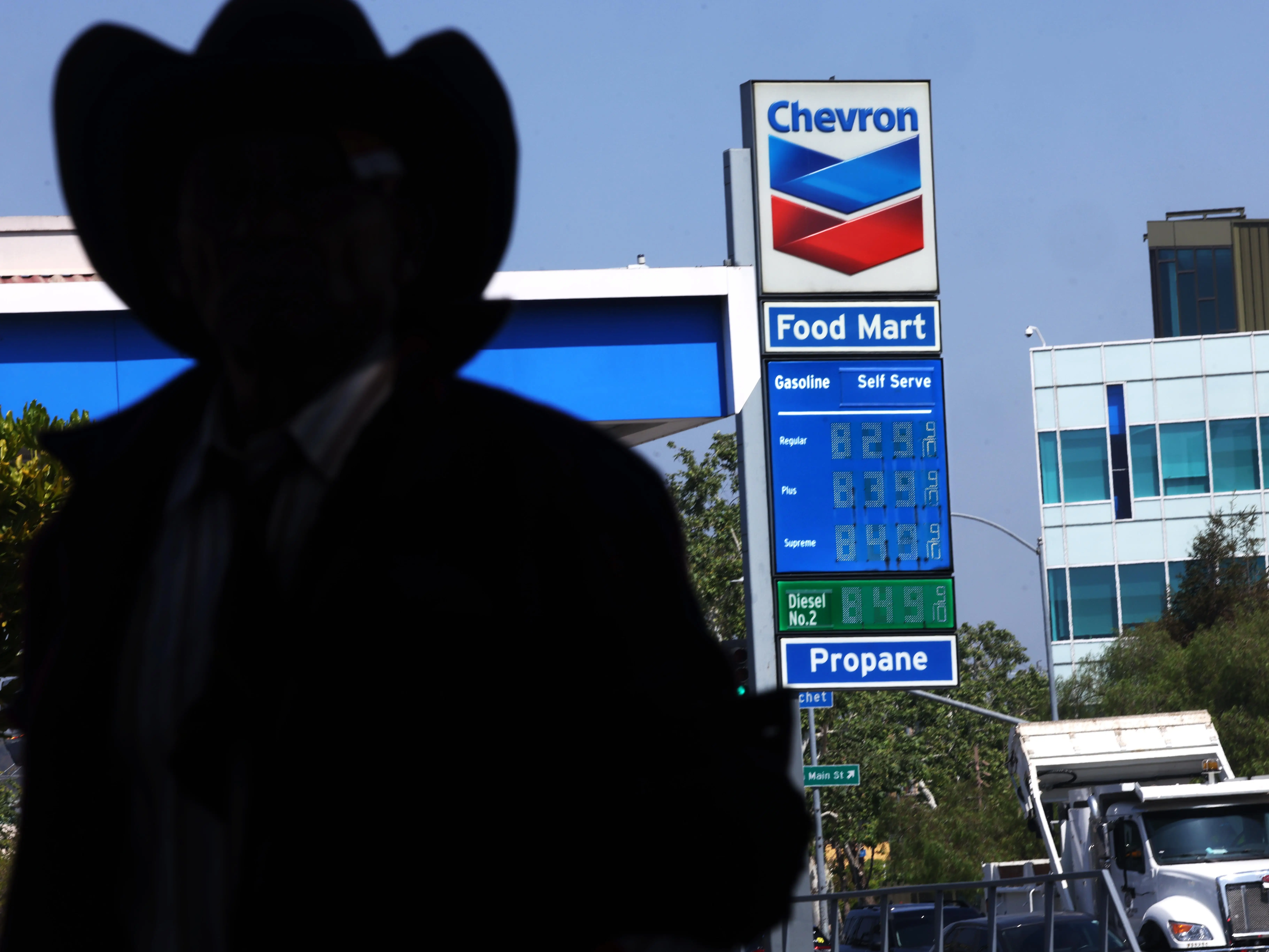
Gas prices hit a milestone recently; after speeding up throughout March, the national average ended the month at $4.018. AAA said the price surpassed $4 a gallon for the first time in four years. The current average for regular gas is $4.166.
“Even if the prices of gasoline and diesel start to come down after the conflict resolves, the effect on the economy will be more long-lasting,” Stephen Kates, a financial analyst at Bankrate, said. “Fuel prices will not fall as quickly as they rose, but they should decline relatively quickly in the months following the end of the conflict,” adding that it could take at least six months for inflation to drop back below 3%.
Kates added: “The ripple effects from these events, however, will take longer to play out and will affect the prices of shipped products, manufactured goods, building materials, and consumer products for far longer.”
Inflation had been steady at 2.4% in both January and February after cooling down from 2.7% in November and December.
In the short term, energy prices could stay volatile. “The ceasefire had an immediate cooling effect on the spot price of oil, but tensions remain high,” Kates said. “Oil will likely swing wildly on rumors throughout the duration of the ceasefire, and there is no guarantee it will lead to a lasting peace.”
Stephen Dover, chief market strategist and head of Franklin Templeton Institute at Franklin Templeton, said in a LinkedIn post that the “ceasefire is clearly market-positive because it directly reduces the risk of an oil-driven inflation and growth shock. But given its temporary and conditional nature, it should be treated as a relief rally—not a definitive all-clear.”
The exact effects on prices will be dependent on how consumers respond. “If consumers continue to spend despite rising prices, it will exacerbate inflation,” Kates said. “Alternatively, if price increases begin to reduce demand as consumers are forced to spend less or substitute lower-cost options, inflation may be more contained.”
Changes in consumer behavior could have other effects as well. “Looking at the economy as a whole, the risk is that inflation continues to run at a much higher level, which leads to weaker real income growth and less purchasing power,” Stephen Juneau, senior economist in BofA Global Research, said.
It’s not just the war that could affect consumer prices; tariffs are still filtering through the economy. “We estimate they are adding about 50-60bp to y/y inflation,” Juneau said.
“For now we expect headline inflation to peak in May and June then fall after,” Juneau said, adding core CPI, which excludes volatile food and energy prices, will likely accelerate through the year. Core inflation is expected to increase from 2.5% in February to 2.7% in March. He said it’s too early to “see material pass through to core” just yet. He suggested people keep an eye on delivery services and airfares for signals, though.
Juneau said that headline inflation could slow down in April, which we will learn in May.
Minutes from the March Fed meeting said that Federal Open Market Committee members expected inflation to get closer to the Fed’s 2% target by the end of next year, as effects from both higher crude oil prices and tariffs are expected to dwindle later in 2026.
Read the original article on Business Insider
The post Inflation is expected to rise — and Iran war costs could linger for months despite the ceasefire appeared first on Business Insider.