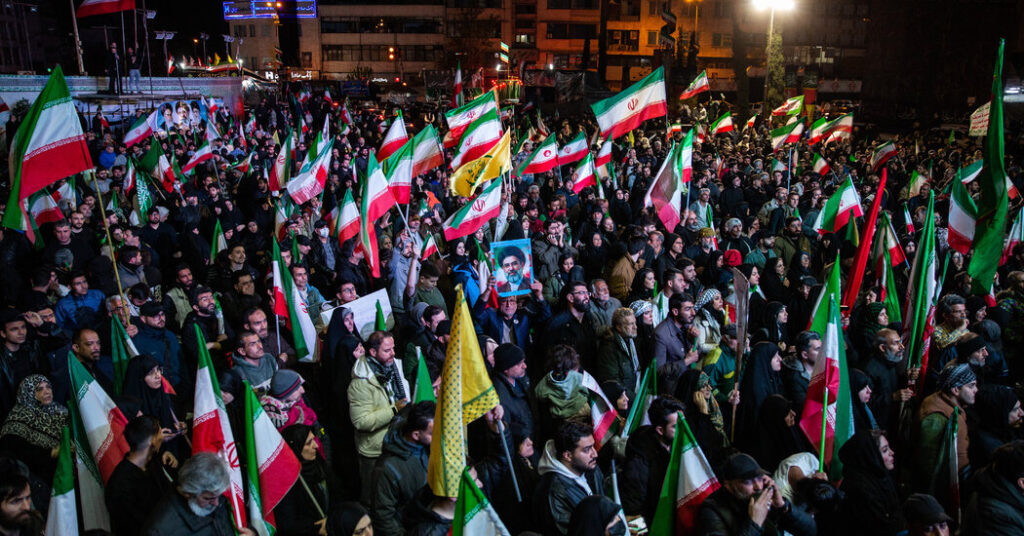
The cease-fire agreement between Iran and the United States has been greeted with relief around the world. But what comes next is far from certain.
Both sides claimed victory after the announcement of the deal, which was brokered by Pakistan. Iran says it will allow ships safe passage through the Strait of Hormuz, a crucial corridor for the world’s oil and gas, if they coordinate with its military. President Trump had threatened to destroy Iran’s “whole civilization” unless it reopened the strait.
But shipping companies seem hesitant to return to the waterway, at least immediately. Scattered attacks in the Gulf continued early on Wednesday, hours after the agreement was reached. Israel made clear that it would continue its military campaign against Hezbollah in Lebanon.
What’s in the agreement?
The United States and Iran agreed to halt fighting for two weeks. The Trump administration wants to get oil, gas and other commodities flowing through the strait again, at least temporarily.
The deal does not end the war, but the hope is that it will buy time for both sides to work out a longer-term peace agreement. Investors seemed optimistic: Oil prices fell sharply on the news, while Asian stocks surged on Wednesday morning.
But hours after the announcement, there were still some attacks in the Gulf region. It was unclear how quickly word of the deal had reached Iranian local commanders, who are allowed to make their own strike decisions under Iran’s decentralized control system.
What led up to the deal?
Mr. Trump had been escalating his threats for days. He repeatedly said he would destroy Iran’s power plants and civilian infrastructure if it did not reopen the Strait of Hormuz.
On Tuesday, he took the rhetoric a step further: “A whole civilization will die tonight, never to be brought back again,” he wrote on social media. Deliberately attacking civilian infrastructure to coerce a government is a war crime.
Threats have been a core part of Mr. Trump’s approach to diplomacy. His comments on Tuesday suggested he would be willing to violate both American and international law.
U.S. and Israeli forces also put pressure on Iran with attacks: The Americans launched more than 90 strikes on Kharg Island, Iran’s main oil export hub, while Israel bombed railroads and bridges across the country.
While Mr. Trump was menacing Iran, Pakistan was working to broker a deal.
It came through. Mr. Trump announced the agreement on social media, just over an hour before his Tuesday deadline of 8 p.m. Eastern time.
What could be next: Prime Minister Shehbaz Sharif of Pakistan said he had invited American and Iranian delegations for talks in Islamabad, Pakistan’s capital, on Friday.
Does this include Lebanon?
Confusion swirled in Lebanon over whether it was part of the deal.
Pakistan said it was. But Israel said the cease-fire did not apply to its northern neighbor, where Israeli ground forces have been fighting Hezbollah, the Iran-backed militant group.
On Wednesday, Israel issued an evacuation order for residents of the southern Lebanese city of Tyre. The Lebanese military warned displaced residents of the south, near the Israeli border, not to go home yet.
Israel, too, faced attacks, with emergency sirens there warning of incoming Iranian missiles on Wednesday.
Will the Strait of Hormuz reopen?
Iran says it will. But it remained unclear whether ship operators considered the strait safe for transit. The shipping giant Maersk said on Wednesday that it was looking into the deal. “The cease-fire may create transit opportunities, but it does not yet provide full maritime certainty, and we need to understand all potential conditions attached,” it said in a statement.
Amelia Nierenberg is a Times reporter covering international news from London.
The post What to Know About the U.S.-Iran Cease-Fire appeared first on New York Times.