You’re reading Red Tape, a newsletter on the consequences of overregulation. Click here to get it in your inbox.
Cynthia Lummis, a Republican, represents Wyoming in the U.S. Senate.
Natural resources are one of America’s greatest strengths. Gas, coal, rare earth elements, liquid natural gas and crude oil exports have powered the nation’s economy, helped put food on the table for generations of families, and aided allies in times of great need. So, it’s maddening to watch a broken permitting system stand between the United States and so much more.
I see it constantly in Wyoming. Companies willing to invest billions sit in regulatory limbo for years, sometimes decades. The average time to bring a new mine online in America is almost 29 years; the permitting process consumes most of that time. Only three mines have come online in the United States since 2002. Meanwhile, China has built entire industries.
Uncertainty and regulatory whiplash keep people up at night. For example, when a project gets approved, jobs and investments get planned, and then a new administration comes in and stops it.
The last two Democratic presidents slow-walked and killed traditional energy projects while green-lighting questionable renewable energy deals. President Joe Biden canceled already approved oil and gas leases in Alaska and revoked two federal mineral leases for a mine in Minnesota. In the final months of his presidency, Biden stopped federal coal leasing in the Powder River Basin of Wyoming and Montana, a region providing about 40 percent of the country’s coal. Reversing this unpopular decision required an act of Congress. These administrative policy moves were wrong and costly.
President Donald Trump has started to change that, and I’m glad for it. But executive action isn’t enough. Congress should codify project certainty into law.
Look at what occurred with TerraPower’s proposed nuclear reactor in Kemmerer, Wyoming. Regulatory changes under the Trump administration cut Nuclear Regulatory Commission review time from 26 months to 19. This was done safely, without compromising standards. The result? New jobs in western Wyoming on a reasonable timeline.
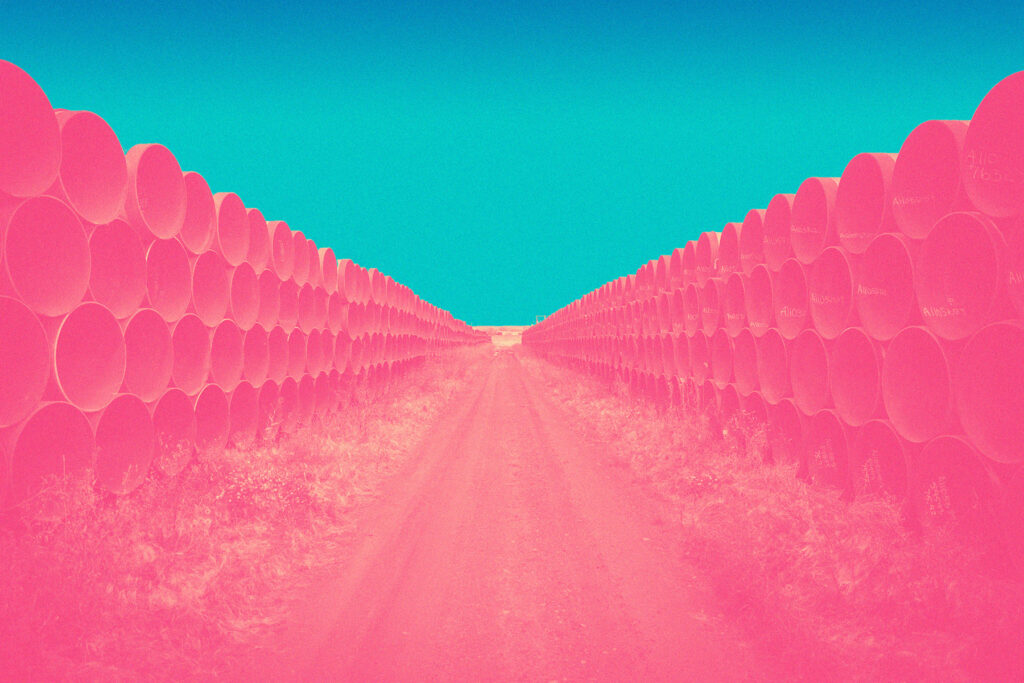
But these projects take years to build. The next Democratic administration could decide it isn’t a fan of a project, just like when Biden inexplicably killed the Keystone XL pipeline on Day 1 of his administration. President Barack Obama had also summarily rejected the Keystone project in 2015. Congress should lock in the positive changes under Trump that give projects the certainty they need to move forward and invest in communities.
Environmental reviews that stretch five, seven or 10 years aren’t thorough; they’re broken. Two years for major environmental reviews is enough. One year for smaller projects. An analysis by the Business Roundtable, an association of more than 200 chief executives, puts the economic cost of permitting delays for projects now in federal review as high as $2.4 trillion.
The longer reviews drag on, the worse the damage. Costs pile up, then workforce plans collapse.
Then there’s litigation. An energy project in Wyoming, approved by the Bureau of Land Management in 2020 for a 5,000-well development, was tied up in a lawsuit, led by an out-of-state environmental group with no real stake in the outcome. Four years later, a judge appointed by Obama halted the project and dragged out the process. The U.S. needs strict, real-time limits on these cases.
A company can do everything right: work with state regulators, get input from local groups, and then an environmental organization at the last minute sues to stop it. That’s not environmental protection. That’s obstruction.
Another permitting issue is the Endangered Species Act. It was meant to protect wildlife but is often wielded as a wedge to stop projects. When a species recovers, it should be delisted and management returned to the states. Federal conservation dollars should go toward species that truly need help.
I don’t want corners cut. Weak projects damage the environment and destroy public trust. What the nation needs is a permitting system that’s clear, consistent, vetted and works.
The National Environmental Policy Act (NEPA), which requires the federal government to evaluate impacts of projects, produces reams of paperwork that are not focused on the law’s core objectives. The mandated reviews make projects slower, more expensive and drain revenue from the communities that could use the investment the most.
This congressional term, the Republican-led House passed the Standardizing Permitting and Expediting Economic Development Act and the Promoting Efficient Review for Modern Infrastructure Today Act, demonstrating a clear appetite for meaningful reform. The former would reform the NEPA process, while the latter would amend the Clean Water Act.
I encourage Sens. Shelley Moore Capito (R-West Virginia), Mike Lee (R-Utah), Sheldon Whitehouse (D-Rhode Island) and Martin Heinrich (D-New Mexico), who lead the Senate’s key energy, natural resources and environment committees, to carry that momentum forward and deliver a strong, bipartisan bill that meets the permitting needs of our time.
Fixing permitting isn’t a choice between the environment and the economy. America can protect both. The current system protects neither and hurts everyone. The opportunity to get something done is this year. Congress should not squander it.
The post It takes 29 years to open a mine. Why? appeared first on Washington Post.