The Essential Air Service program, through which the government subsidizes money-losing commercial flights to tiny airports, was supposed to expire 38 years ago. Like so many zombie programs, this wasteful spending — nearly $700 million last year — persists because a small constituency, with outsize influence in the Senate, fights for it while few others care enough to push back.
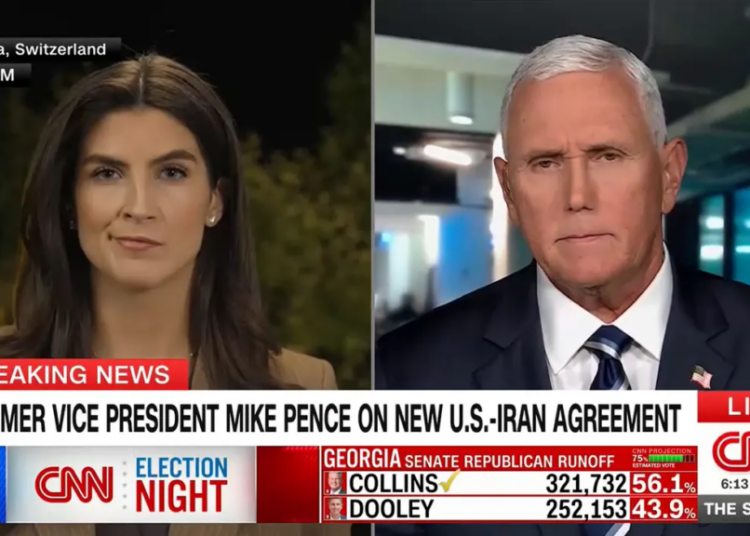
That risks happening again. President Donald Trump’s new budget proposes $372 million in cuts to EAS, but key lawmakers in both parties declared that dead on arrival, including Senate Appropriations Chair Susan Collins (R-Maine) and Sen. Kirsten Gillibrand (D-New York), a member of the committee. Their partisan affiliations are less important than the number of airports in their states receiving subsidized service: four in Maine, five in New York.
The EAS program was part of the 1978 compromise that deregulated passenger air travel, allowing airlines to compete freely on price and scheduling. Congress feared service to smaller airports would disappear without government mandates, so the deal created EAS as a 10-year stopgap to soften the transition to the free market. As the deadline approached, legislators extended it another 10 years. Then, in 1996, they made the program permanent.
It was never necessary. From 1978 to 1982, the number of passengers on flights subsidized by EAS fell by over 50 percent, even as the total number of passengers increased nationwide, suggesting that passengers did not view the “essential” service as very essential.
Nevertheless, the government continues paying to keep flights operating with barely any passengers. The floor to continue receiving subsidies is an average of just 10 passengers per day.
The cost of the subsidies has soared in recent years. The total annual price of the government contracts has risen by 60 percent after remaining flat from 2016 to 2022 when adjusted for inflation. But average U.S. domestic airfares, adjusted for inflation, declined by 17 percent between 2016 and 2025.
People in communities receiving EAS subsidies frequently don’t use the subsidized flights, preferring instead to drive to larger airports with more options, according to a 2025 study by Austin Drukker, an economist at the Federal Trade Commission. The people who do take the subsidized flights tend to be from out of town and have incomes 40 percent higher than local residents.
In other words, a program created to keep people in rural communities connected to air travel is now allowing the affluent to fly in and out of remote destinations, underwritten by taxpayers.
People who chose to live in rural communities probably don’t value access to commercial air travel as much as people who chose to live closer to major airports. According to a survey by Airlines for America, an industry trade group, 55 percent of American adults did not take a commercial flight in 2025, despite a record high number of overall passengers, and 13 percent have never flown at all. Many Americans have no use for air travel, regardless of service levels or prices.
EAS also harms the rest of air travel by the way it’s funded. One revenue source is “overflight fees,” which are charges that foreign airlines pay when they use U.S.-controlled airspace for flights that never touch the ground. Rather than being diverted, those fees would be better used to pay for modernization of the air traffic control system.
Trump is not even trying to eliminate the subsidies, just reduce them. If D.C. was serious about fiscal restraint, that would be on the table. Instead, the zombie flights to nowhere will continue.
The post Zombie flights to nowhere appeared first on Washington Post.