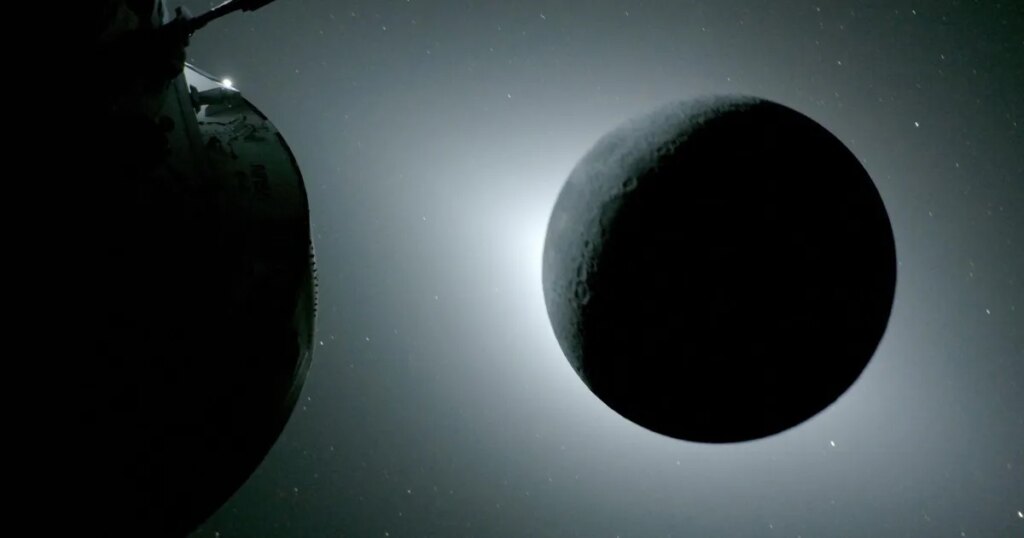
On Monday, the four crew members of NASA’s Artemis 2 mission made history, officially breaking the record for the farthest any human has ever traveled from Earth, at an astonishing 252,752 miles from home.
At the time, the crew’s capsule was swinging around the Moon before starting its multi-day return journey, offering the astronauts some truly astonishing views. The team spent many hours using both professional-grade photography equipment — as well as their iPhones — to capture the exceedingly rare moment, from a dazzling “Earthset” to a total solar eclipse that lasted nearly an entire hour.
The team was extensively coached on how to take these pictures and what to look out for as they gazed at the rugged surface of the Moon through Orion’s windows. It was a highly organized “seven-hour lunar observation period,” as NASA notes, with the crew dividing into pairs. Two crew members observed for 55 to 85 minutes at a time, “while the other pair exercises or works on other tasks.”
Here are some of the most spectacular snapshots NASA recently received from the historic flyby.
Earthset
One particularly impressive image shows the Earth, half plunged into nighttime, peeking out from behind the cratered lunar surface. It’s essentially the equivalent of a sunset as seen from Earth, except that it’s the entire Earth setting below the horizon of the Moon, hence NASA’s use of the word “Earthset.”
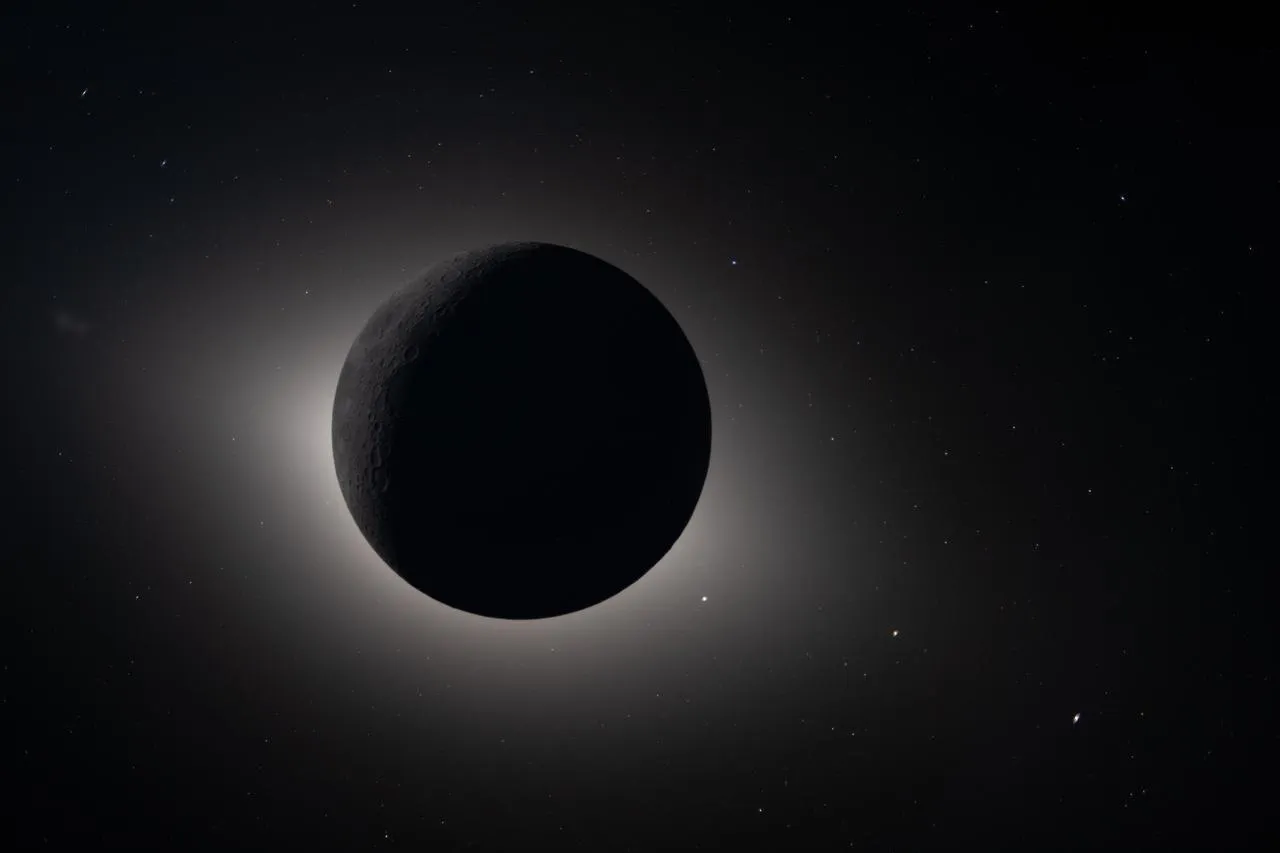
Total Solar Eclipse
Another photo captures the total solar eclipse the crew was beholden to for a stunning 54 minutes as the Moon fully eclipsed the Sun from their perspective. The image shows the Sun’s corona in the form of a “halo around the dark lunar disk,” as NASA explains.
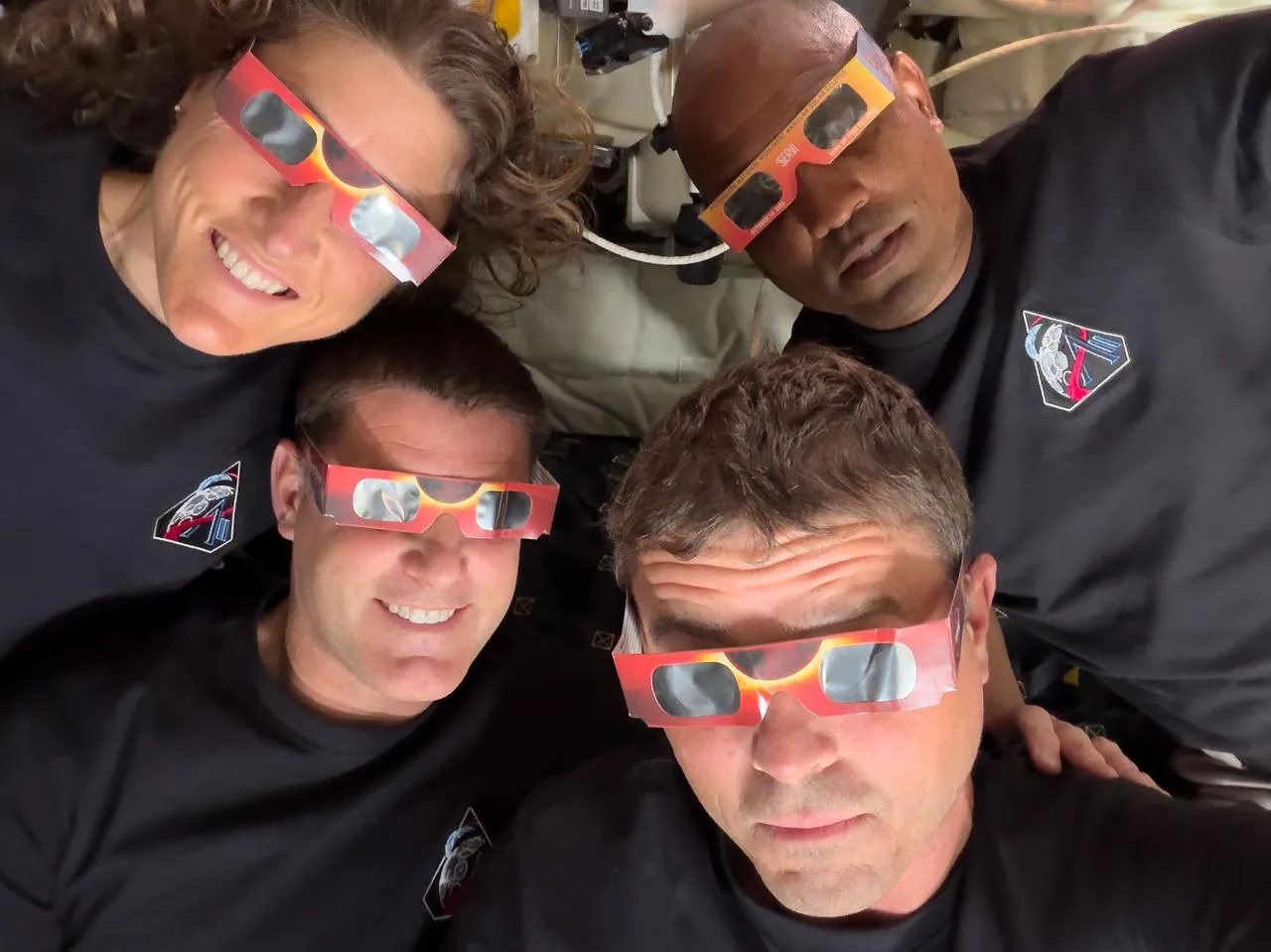
Eclipse Selfie
The prolonged eclipse forced the crew to don eclipse glasses, much like the ones we wear during the (much shorter) total solar eclipses on Earth, as seen in an iPhone 17 Pro selfie seemingly taken by NASA astronaut and mission commander Reid Wiseman.
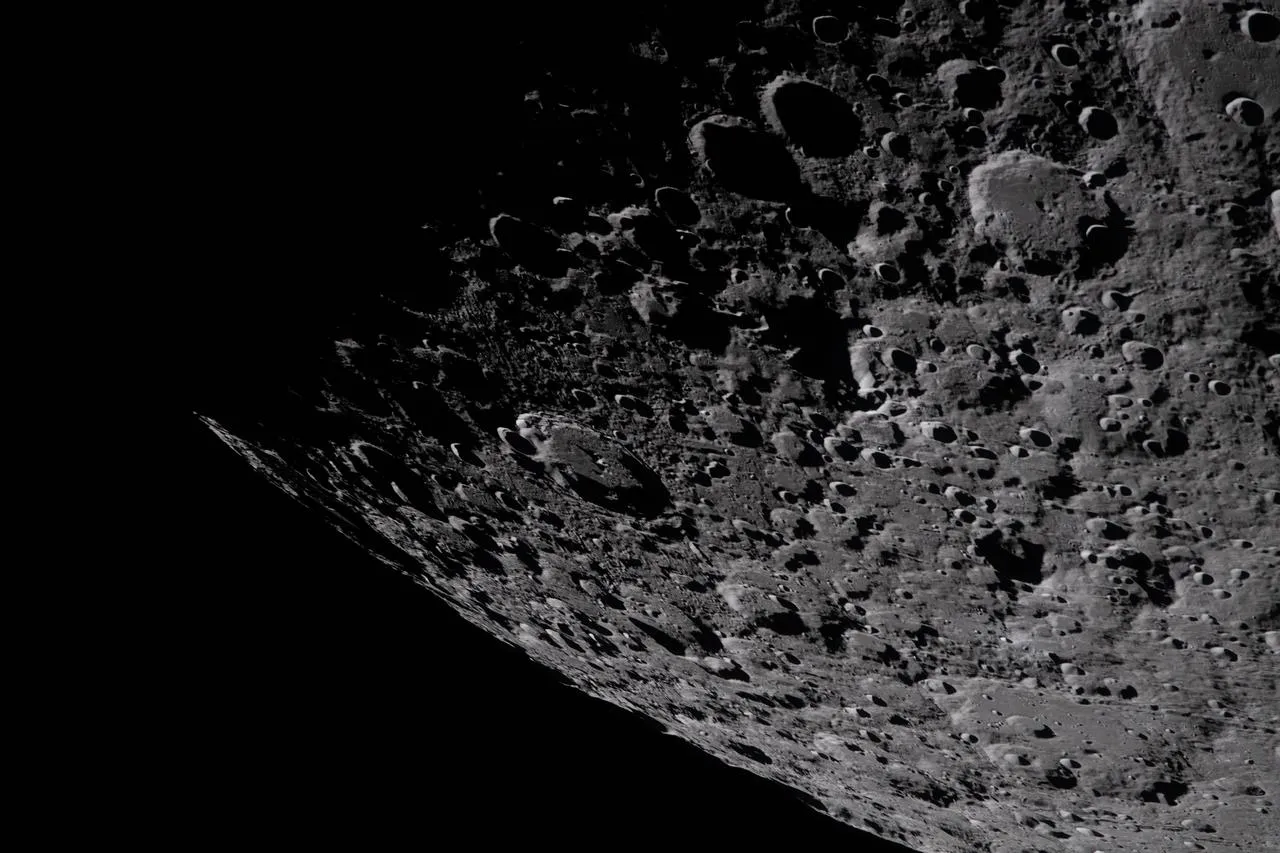
South Pole
The crew were also treated to an extremely close view of the eastern edge of the Moon’s South Pole-Aitken basin, a region of particular interest as NASA is eyeing it as a place to land during its first crewed mission to the lunar surface. The Aitken basin is the largest impact crater on the far side of the Moon, measuring around 1,600 miles in diameter.
Orientale Basin
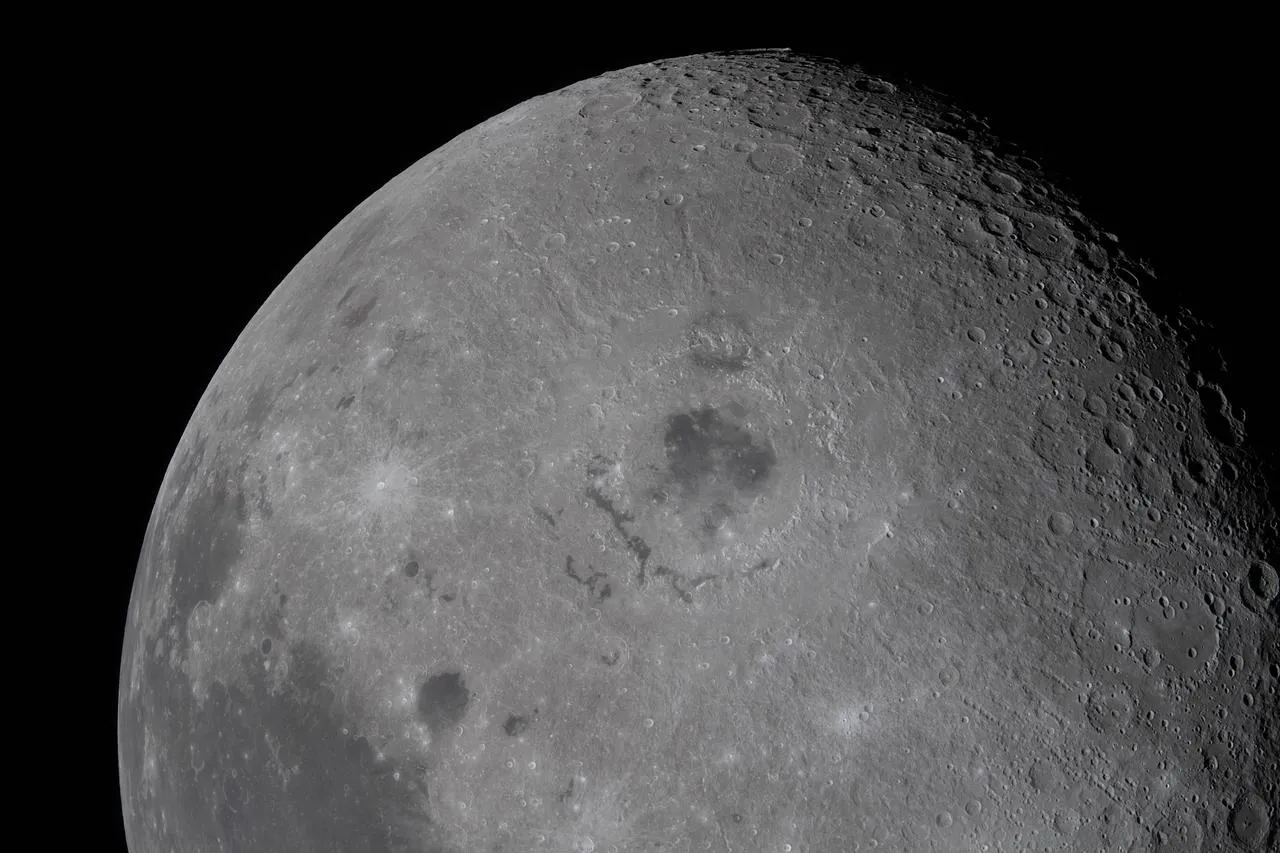
The crew also got a perfect look at the Orientale Basin, a “black patch of ancient lava in the center that punched through the Moon’s crust in an eruption billions of years ago,” per NASA. It measures roughly 600 miles across and lies in the transition between the Moon’s far and near sides.
Earthrise
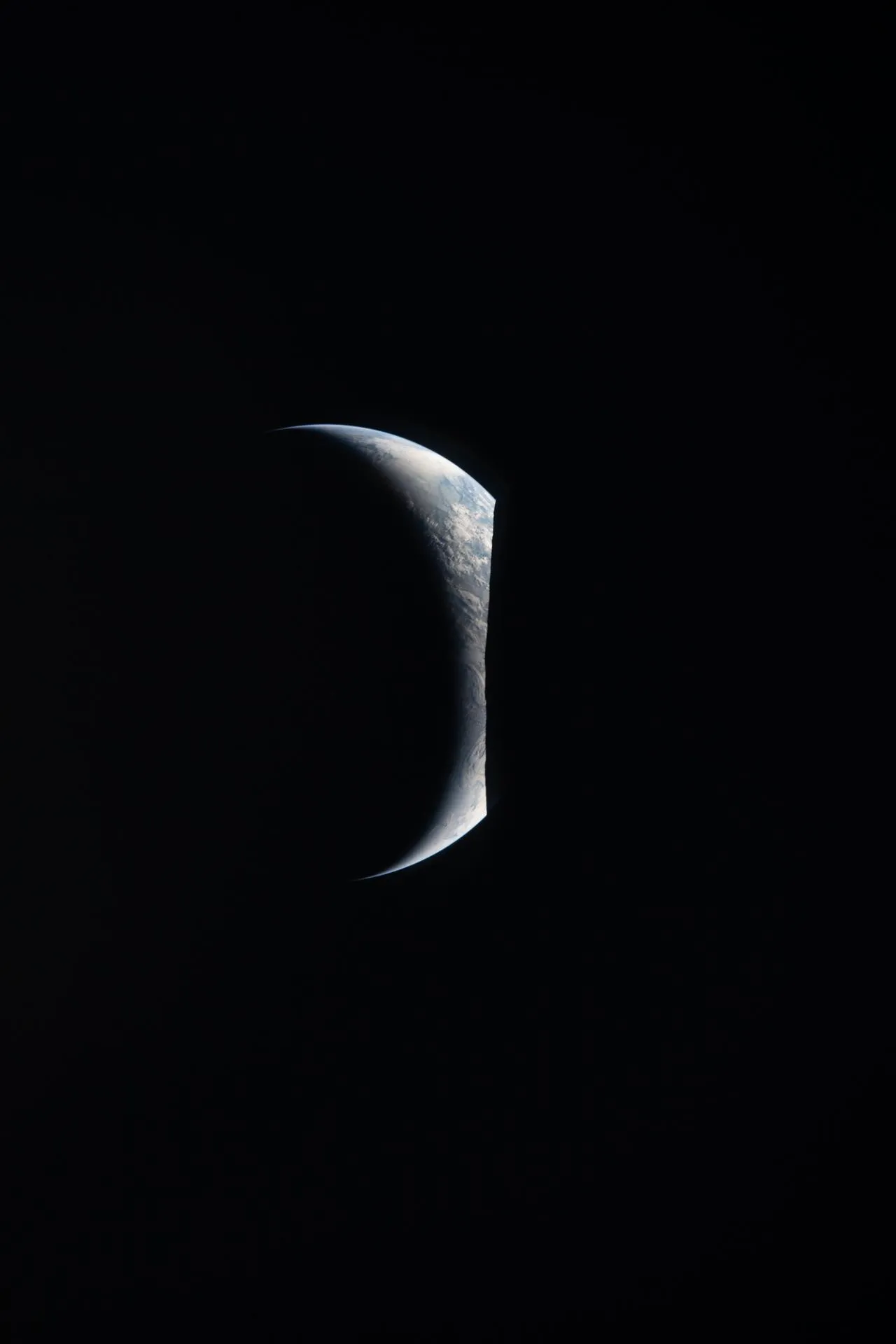
At 7:22 pm Eastern time, the crew saw the Earth emerging once more from behind the Moon, an otherworldly “Earthrise” that few will ever get to experience in their lifetimes.
Total Eclipse Redux
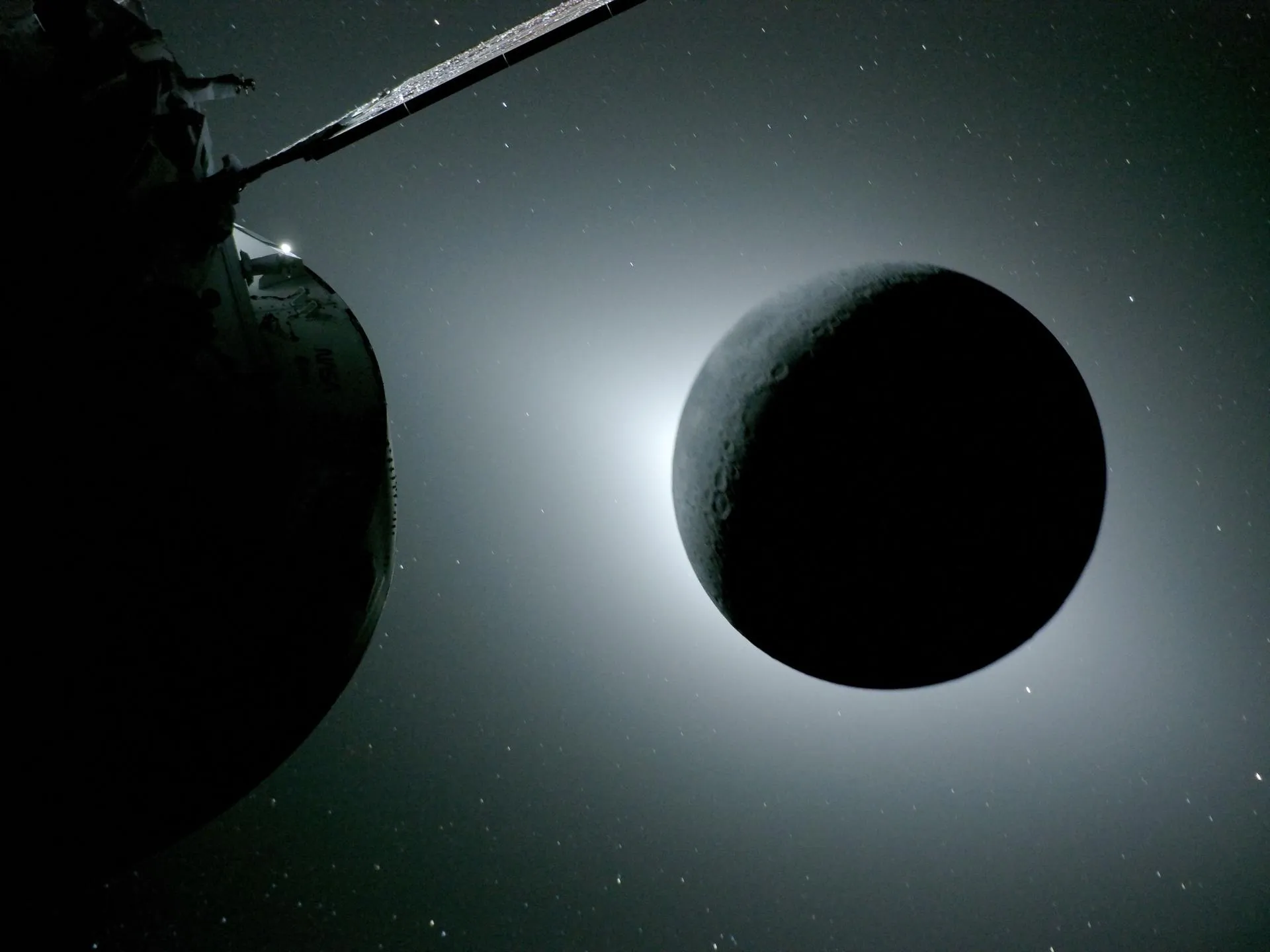
The Orion capsule’s exterior camera, which is attached to the spacecraft’s solar array wings, snapped an equally impressive shot of the total solar eclipse, as seen in this eerie photo.
“The bright spot visible just below the Moon’s bottom right edge is Saturn,” NASA notes.
Return Journey
The team is expected to reenter the Earth’s atmosphere on Friday evening, a harrowing maneuver that will involve it crashing into our planet’s protective layer at a speed of 25,000 mph, while Orion’s heat shield reaches temperatures over 3,000 degrees Fahrenheit.
If all goes well, the crew will splash down in the Pacific Ocean, concluding one of the best and rarest photo opp journeys in human history.
More on the mission: The Moon Astronauts Just Broke the Record for the Farthest Any Human Has Ever Traveled From Earth
The post We’re In Utter Disbelief About the Photos the Moon Astronauts Just Sent Back appeared first on Futurism.