The World Trade Organization is losing relevance in the new age of mercantilism. With the world’s two largest economies waging protectionist battles against each other, in open defiance of rules they previously agreed to, the international body that sets the global rules for trade looks inconsequential.
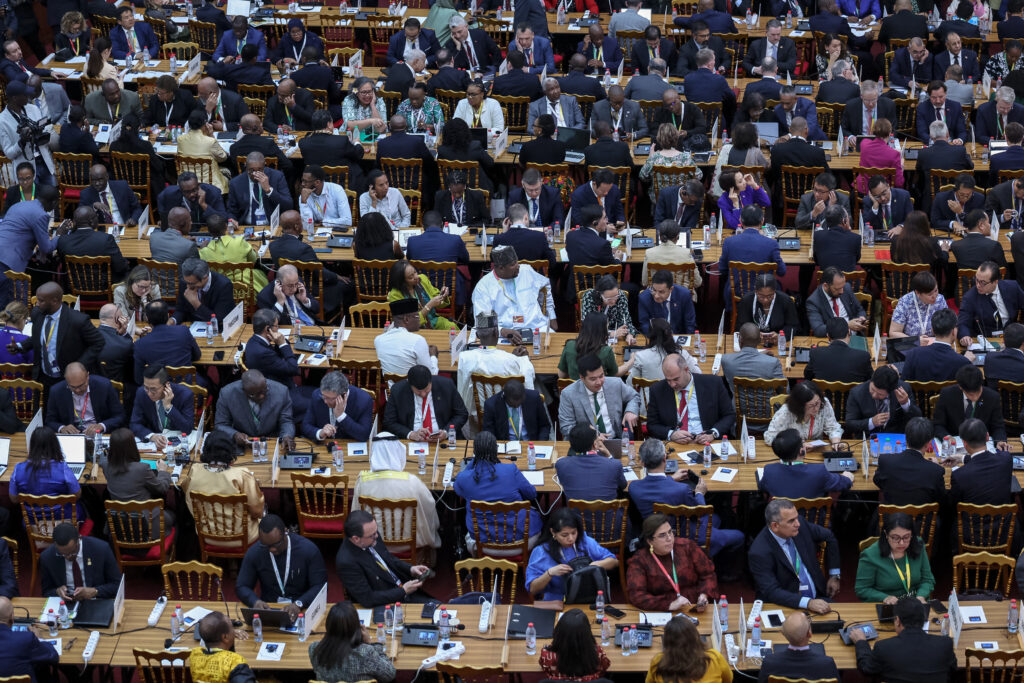
No one is pretending otherwise. Not even the head of the WTO, who admitted ahead of a major conference in Cameroon last week that “the world order and multilateral system we used to know has irrevocably changed.” She added: “We will not get it back.”
An international trade body is only as credible as the actions of its members. China has repeatedly been found guilty of breaking international trade rules during its 25 years of membership, including disregarding subsidy rules and failing to crack down on copyright and intellectual property infringements.
President Donald Trump has flagrantly disregarded the WTO’s “most favored nation” principle by applying varying and erratic tariff rates. Americans are the main victims of these tariffs since they pay the brunt of the extra costs.
The latest evidence of the WTO floundering came when trade talks broke down in Cameroon. The United States wants a permanent moratorium on taxes applied to electronic goods like digital downloads, but Brazil countered with a two-year extension instead. The collapse called into doubt the ability of the body to implement a series of reforms, such as improving its dispute-settlement mechanisms.
The WTO has 166 member countries, who collectively account for 98 percent of global trade. When markets close off to one another, the world becomes more dangerous and less prosperous.
The post A World Trade Organization is irrelevant when no one follows its rules appeared first on Washington Post.