A bipartisan group of U.S. senators recently visited Taiwan and urged the island’s lawmakers to approve a $40 billion supplementary military budget, which could help deter a Chinese invasion. Yet the country’s main opposition party is blocking the spending increase, and its leader has accepted an invitation from Chinese President Xi Jinping to visit mainland China.
This spectacle raises an unpleasant but necessary question: Should the United States guarantee Taiwan’s defense if the Taiwanese don’t take steps to defend themselves?
Taiwan is a vital node in the U.S. and global economies. The self-governing democracy, which China considers a breakaway province, produces about 90 percent of the world’s most advanced computer chips. A supply disruption caused by an invasion would make the economic shock from Iran’s closure of the Strait of Hormuz look trivial. It would devastate supply chains for everything from cars and smartphones to fighter jets and GPS satellites.
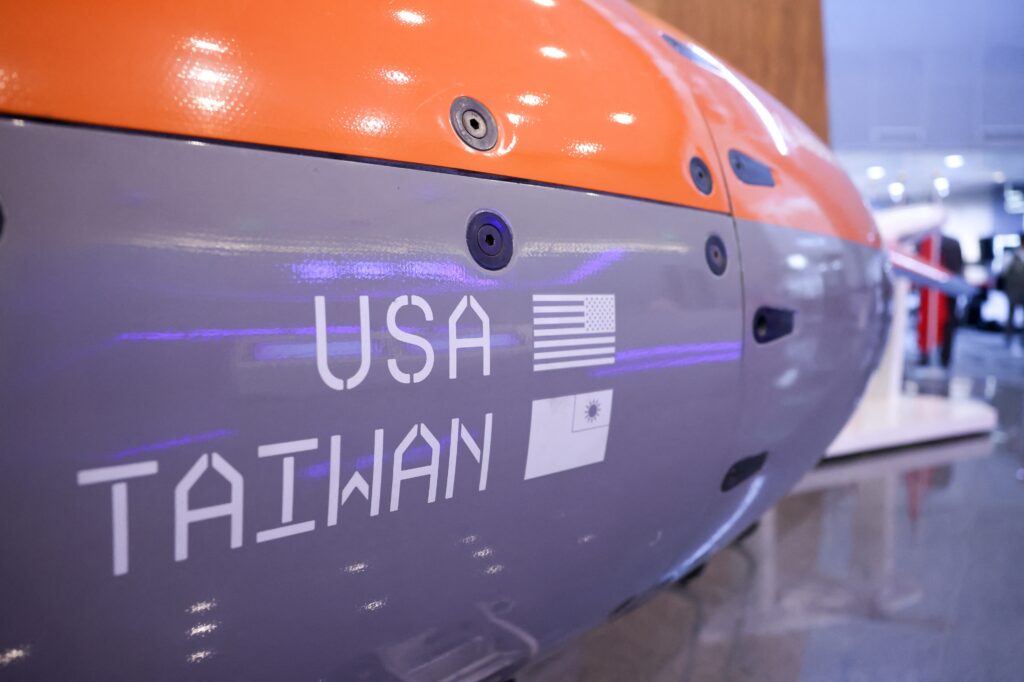
President Donald Trump is eager to sign a broad trade deal with Beijing, but Taiwan hovers over talks. China could demand concessions on U.S. weapons sales to Taiwan or a categorical statement from the president opposing Taiwanese independence. Trump has already delayed a congressionally endorsed $11 billion armsdeal for Taiwan that his own administration proposed in December.
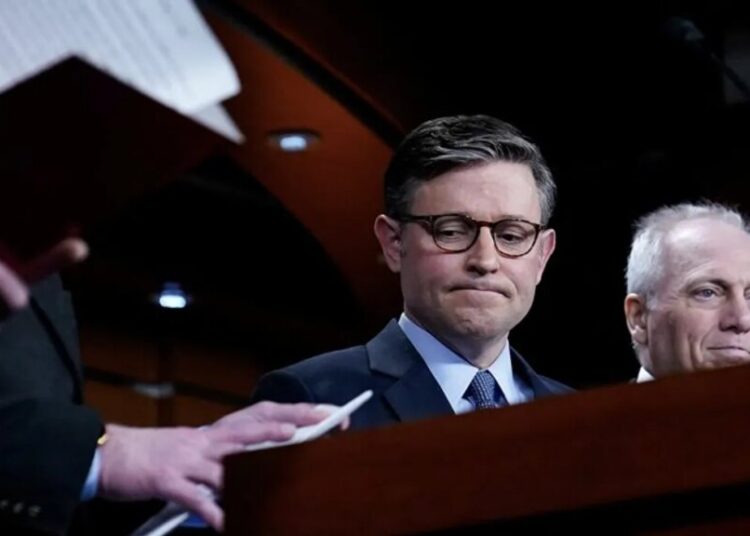
Trump’s choices are downstream of Taiwanese politics. The country’s president comes from the Democratic Progressive Party, which favors increased defense spending but only holds 51 of the national legislature’s 113 seats. The opposing Kuomintang Party, which hopes for an eventual peaceful unification with China, has 52 seats — enough to block military spending in line with their more conciliatory approach to China.
Robust democracies like Taiwan naturally debate strategy. The current divide in Taiwanese politics reflects ambivalence about China and the U.S. alike. China’s preference would be to win more control over Taiwan without a military conflict with a mix of coercion and inducements.
A peaceful political settlement between China and Taiwan is preferable to a military conflict, but it’s unimaginable that China would agree to a deal that upholds the island’s autonomy, democracy and freedoms. Only a credible military deterrent can forestall the mainland’s aggression.
Taiwanese only need to look at Hong Kong to see how China breaks its promises. Before the former British colony was handed over to Chinese rule in 1997, Beijing promised to maintain Hong Kong’s system and way of life for 50 years. But in 2020, China imposed a draconian national security law on the city, decimated civil society, shut down critical media and continues to jail peaceful dissidents and activists. The once freewheeling enclave has become another Chinese city under repressive Communist rule.
Hong Kong had no say in its future when it was handed over to Communist China. Taiwan’s military gives it leverage and deterrence against a hostile takeover. Support from America could prove decisive in maintaining deterrence. That’s a good outcome for the world economy and a good reason for the United States to maintain the most powerful military on the planet.
But America won’t do the job alone. The Iran war shows how the United States is more likely to support highly capable partners such as Israel. If the Taiwanese don’t show seriousness about their own defense, they shouldn’t be surprised if Washington goes wobbly. The more obviously committed they are, the more credible the joint deterrent — and the more durable the peace.
The post Taiwan’s self-defense paradox appeared first on Washington Post.