D.C. politicians, eager to show that they understand voters’ frustration about the city’s high cost of living, passed emergency legislation Tuesday to bar the city’s electricity provider from shutting off people’s power if they can’t pay their bills. In other words, the government will force a company to provide services for free. What could go wrong?
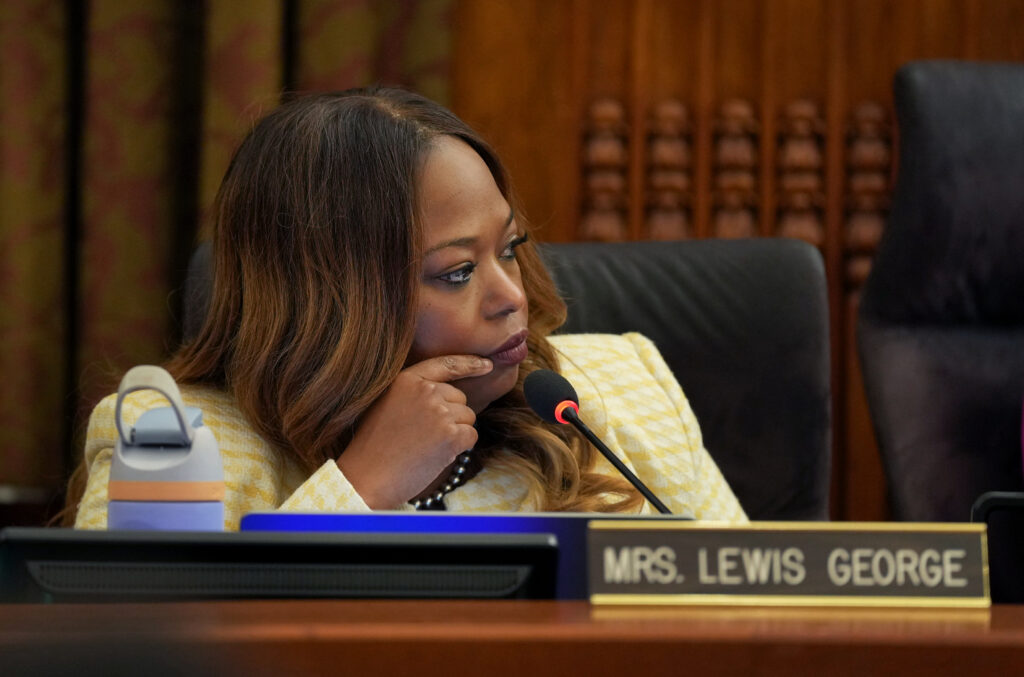
The bill, introduced by socialist mayoral candidate Janeese Lewis George (D-Ward 4), would prohibit Pepco, the city’s primary electricity provider, from disconnecting services for any customer owing less than $1,000 for 90 days. Lewis George argued the shutoff moratorium is necessary to ensure that D.C. residents who are struggling to get by don’t have to pay bills that might have been inflated. “For some people this is a strain on their finances, but for many it’s a breaking point,” she said.
Nobody wants to see D.C. residents lose power, but the downsides of such a policy are obvious. The moratorium reduces the consequences of not paying one’s bills, meaning more people will delay payment.
That was a result of the federal eviction moratorium during the covid-19 pandemic. While the policy might have kept people in their homes, it also resulted in a spike in people behind on rent payments, from 10 percent before the pandemic to 17 percent in 2021. That imposed significant financial burdens on property owners, including many smaller mom-and-pop landlords in D.C.
D.C. Mayor Muriel E. Bowser (D) sensibly warned that the City Council’s moratorium could put similar stress on Pepco. The utility will come under pressure to respond by spreading out the costs of missed payments to other ratepayers. Frame the regulation that way, and it would be less popular.
Regulators already limit how much Pepco can raise rates. The council took up the nonpayment issue after the D.C. Court of Appeals determined last month that the city’s independent agency overseeing Pepco didn’t follow the proper process when it approved a two-year rate hike in 2024. But the city can’t force the utility to operate at a loss, which would destroy the quality of services.
City leaders could provide relief to ratepayers by relaxing renewable energy mandates, compliance fees and tax incentives that drive up the total cost of electricity in the District. The D.C. Public Service Commission estimates that about 7 percent of electric bills pay for these policies. Such reforms might not thrill progressives, but they’d ease costs more effectively than a shutoff moratorium.
The post The hazard of D.C.’s utility shutoff moratorium appeared first on Washington Post.