The Cuban government on Thursday said it would release 2,010 inmates from its prisons in a “humanitarian and sovereign gesture,” announcing a sweeping pardon as the Trump administration continues its pressure campaign to isolate the island through a de facto oil blockade.
The announcement, reported in the state–run newspaper Granma, marks one of the largest prisoner releases in the country in recent years. The government said it chose whom to pardon based on the crimes committed, “their good conduct in prison, the fact that they had served a significant portion of their sentence, and their state of health,” according to Granma.
It did not say when the prisoners would be released or under what circumstances.
This will be the country’s second prisoner release this year. The government said last month that it would release 51 inmates as a goodwill gesture to the Vatican. Cuba has occasionally released waves of prisoners and described the pardon as a customary practice, one that coincided with Holy Week, a widely observed holiday in the country.
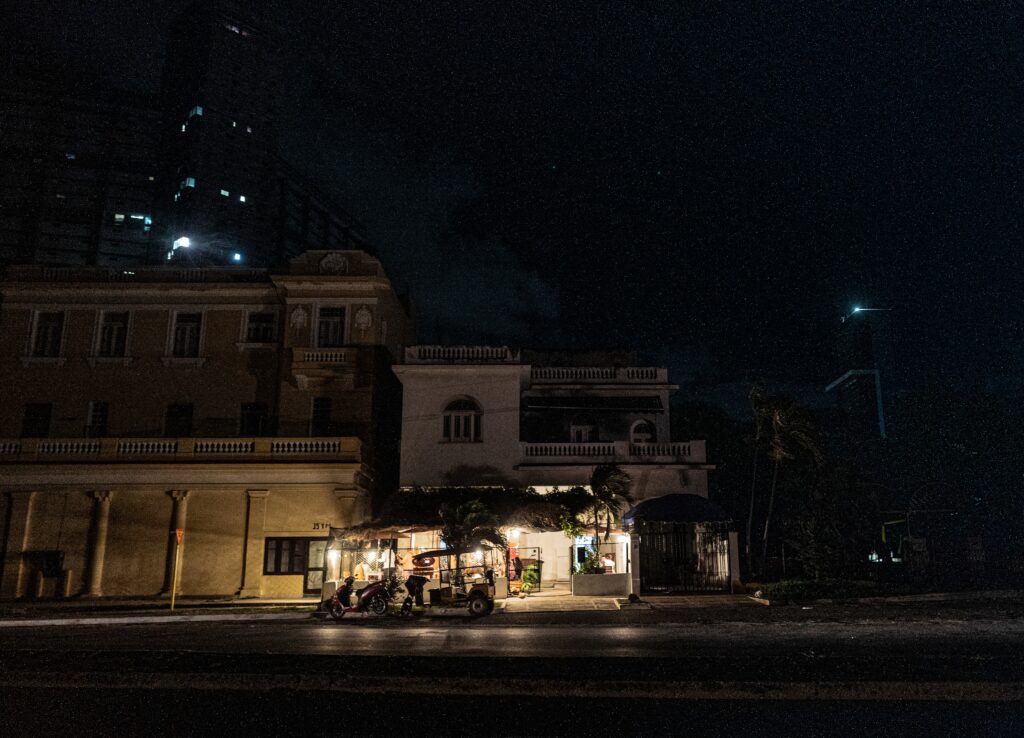
The timing of the announcement, however, also comes as the United States has continued to try to pressure its longtime adversary into political concessions, worsening the island’s energy crisis by cutting off its fuel imports for months in an effective blockade. With no fuel supplies, the country has experienced island-wide blackouts and is suffering its worst crisis in decades.
Washington and Havana have acknowledged launchingtalks, but it is unclear to what extent the negotiations have progressed or whether Cuba’s prisoner release was part of the discussions.
The State Department did not immediately respond to a request for comment.
On Sunday, President Donald Trump allowed one Russian tanker loaded with crude oil to pass through that blockade and later signaled he would not stop other countries from sending oil to Cuba. White House press secretary Karoline Leavitt told reporters Monday that there had been “no firm change in our sanction policy” and that decisions to allow other tankers would be made “on a case-by-case basis.”
Russia plans to send a second oil tanker to Cuba, Russia’s energy minister said Thursday.
Asked by reporters last week about Cuba, Secretary of State Marco Rubio attributed the country’s suffering to its own government’s decisions.
“Ultimately, the reason why Cuba’s a disaster is because their economic system doesn’t work,” he said. “And for that to change, you need to change the people in charge, you need to change the system that runs the country, and you need to change the economic model that it’s following. … We’ve expressed that clearly and repeatedly over many years, and maybe now there’s an opportunity to do it.”
The Cuban government said those released from prison would include foreigners and Cubans with residency abroad, as well as young people, women and adults over the age of 60, among others, but would not include those accused of committing violent crimes, according to the report. It will also exclude people it said had been accused of crimes against public authorities.
It was not clear whether the pardon would apply to those identified by human rights advocates as political prisoners. Prisoners Defenders, a human rights organization, counted more than 1,200 political prisoners on the island as of earlier this year. Other groups such as Human Rights Watch have accused the communist government of arbitrarily detaining protesters and critics, repressing public dissent and denying inmates adequate prison conditions.
Karen DeYoung contributed to this report.
The post Cuba says it will release over 2,000 prisoners, as U.S. keeps up pressure appeared first on Washington Post.