The Trump administration on Thursday made adjustments to the tariffs it had issued on foreign metals, aiming to strengthen and simplify a system that some U.S. businesses have complained is overly onerous.
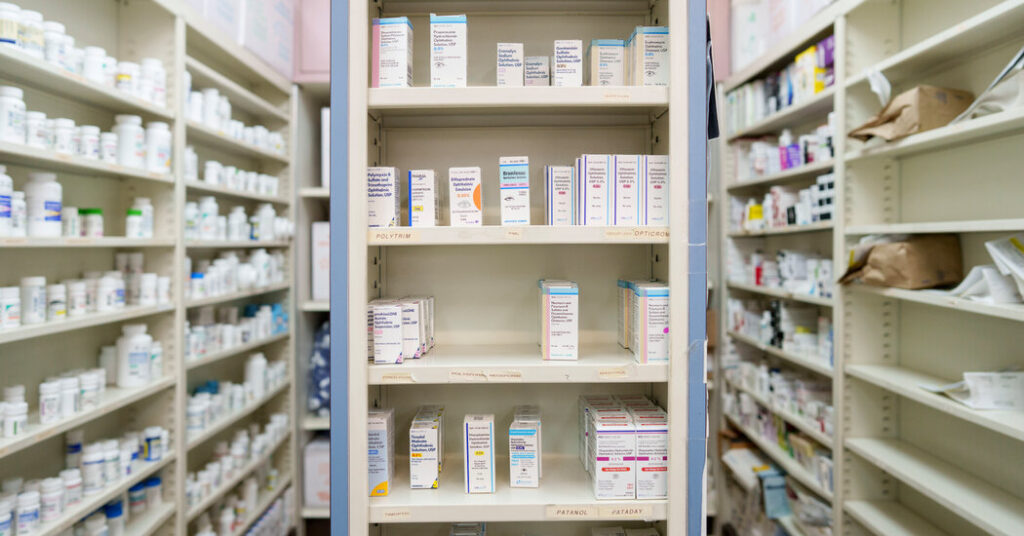
The administration also said it would impose a 100 percent tariff on certain imported medicines if their makers refused the president’s demands to build American factories and lower prices.
The changes, made in two executive actions President Trump signed on Thursday, affect two industries — pharmaceuticals and steel — that his administration has been particularly responsive to. They come as the administration works to complete a vast and complex new system of tariffs and respond to concerns from consumers and a mix of businesses that have been helped or hurt by the levies.
Makers of U.S. steel and aluminum have been strong supporters of Mr. Trump’s tariffs on foreign metal, levies that the president doubled to 50 percent last year. But companies that import products containing steel and aluminum — which range from washing machines to golf clubs — have complained that the way the administration imposed tariffs on those products was burdensome and confusing.
Before, a company would have to pay a 50 percent tariff on the metal contained in an import, plus a country-based tariff on any remaining components of the product. The system required companies to calculate the value and origin of even small bits of metal or screws in their products.
Now, the system will be simplified. Any product where steel, aluminum or copper makes up more than 15 percent by weight will pay a flat 25 percent tariff on the entire value of the product, a senior administration official said in a briefing.
Products with less metal will pay no metal tariff at all, instead using the tariff of the product and country the good is coming from.
Tariffs on steel coils, aluminum sheets and other unprocessed metal imports will remain at 50 percent, but the way that tariff is calculated will also change to deal with a rash of trade cheating. The official said that the United States had seen foreign exporters artificially lower the cost of their steel to reduce their tariffs. To avoid this situation, tariffs will be charged on a U.S. value for the product, rather than the foreign export price of the metal, the official said.
The official argued that the changes were designed not to raise or lower tariffs on these products, but rather to simplify them, and would not affect whether everyday goods were less or more affordable for Americans.
The tariffs on steel, aluminum, pharmaceuticals and other critical industries have been issued using Section 232 of the Trade Expansion Act of 1962, and are not affected by the Supreme Court’s decision to invalidate tariffs the president imposed using an emergency law.
The administration also said it would proceed with a 100 percent tariff on certain imported pharmaceuticals it floated last year, though the levies will include substantial exceptions.
For the Trump administration, the threat of pharmaceutical tariffs has acted as a lever to bring companies to the table to negotiate deals lowering some of their prices and bringing back some of their overseas manufacturing.
And under the pharmaceutical tariffs plan outlined in the executive order on Thursday, a vast array of exemptions stands to sharply limit its impact.
All generic drugs — which account for about 90 percent of Americans’ prescriptions — will be exempted, and so will certain patented drugs for rare and serious conditions. And already, more than a dozen of the biggest companies that make patented drugs have secured exemptions through deals with the administration. Plus, the United States has already reached trade agreements with countries where major pharmaceutical companies make a sizable share of Americans’ brand-name drugs — the European Union, Switzerland, Britain, Japan and South Korea — limiting tariffs to 15 percent or less.
Drugmakers subject to the new 100 percent tariffs can avoid them by pledging to build U.S. factories and lowering some of their drug prices. It is unlikely that many drugmakers will end up paying tariffs.
Last September, Mr. Trump threatened on Truth Social to impose a similar 100 percent tariff on pharmaceuticals that would have been effective just days later, but did not follow through on those plans.
But the threat helped the administration strike deals with 16 major pharmaceutical companies in recent months. Those companies include Eli Lilly and Novo Nordisk, the makers of blockbuster weight-loss drugs, as well as other well-known drugmakers like Pfizer, Johnson & Johnson and AstraZeneca.
In exchange for making some concessions on pricing and vowing to build American factories, those companies received three-year exemptions from Mr. Trump’s threatened pharmaceutical tariffs.
With affordability a key concern heading into the midterm elections in November, the Trump administration and Republicans are banking on selling voters on Mr. Trump’s actions on drug prices.
Ana Swanson covers trade and international economics for The Times and is based in Washington. She has been a journalist for more than a decade.
The post Trump Revamps Metal and Pharmaceutical Tariffs appeared first on New York Times.