President Donald Trump bashing America’s European allies is nothing new, but this week’s fight stood out as particularly intense. The question is whether the rough rhetoric that pushed Europe to increase defense spending can get the continent to wake up on energy security.
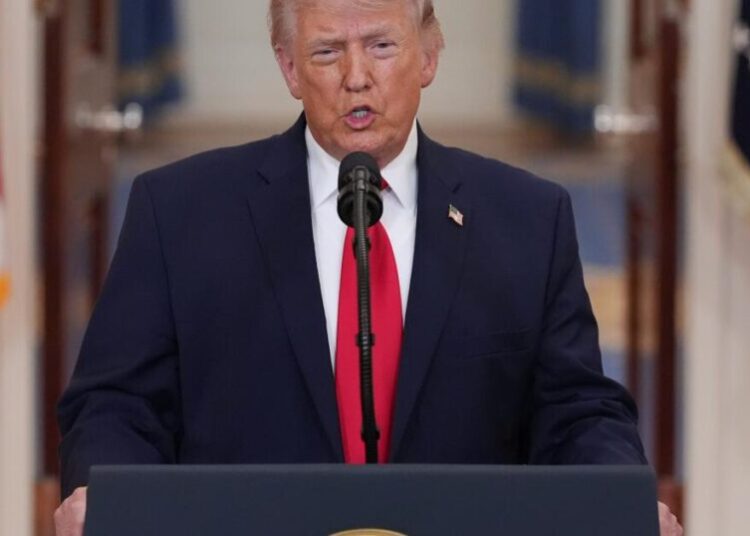
“Go get your own oil!” President Donald Trump told European allies on Truth Social this week. He added that Britain, where jet fuel is reportedly running low, should “build up some delayed courage” and simply take oil from the blockaded Strait of Hormuz: “You’ll have to start learning how to fight for yourself, the U.S.A. won’t be there to help you anymore.”
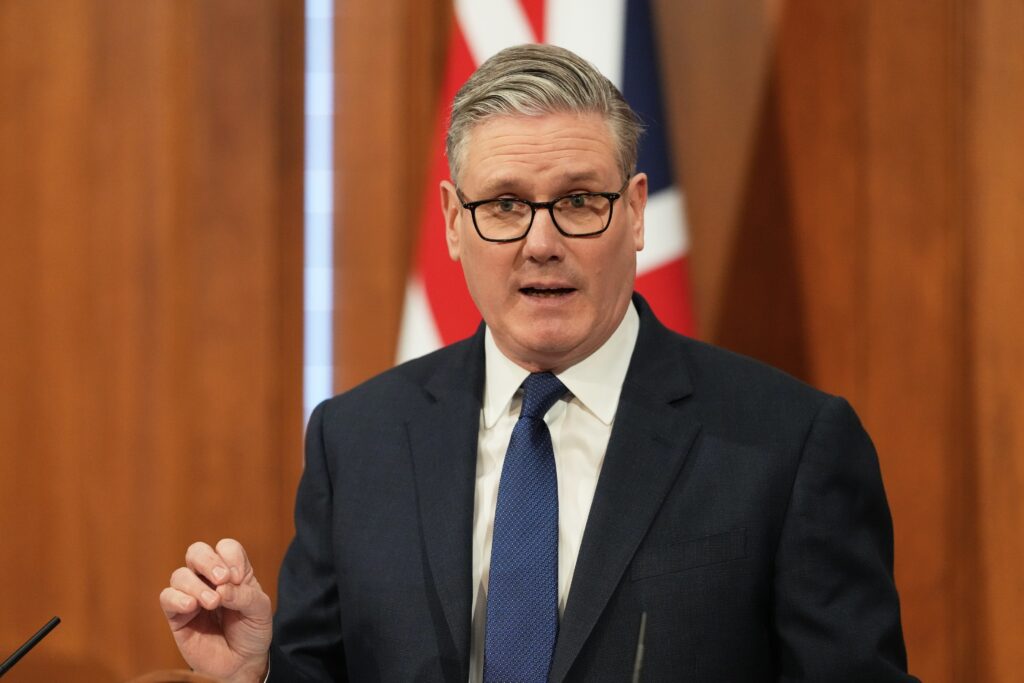
British Prime Minister Keir Starmer got the message and is convening a virtual summit “to focus and unite efforts to reopen the Strait of Hormuz.” The talks — which will include roughly half of the European Union, along with Asian allies like Japan and South Korea — will focus on diplomatic efforts to reopen the strait once military operations end.
“This is not our war,” Starmer told his country on Wednesday. And, fair enough, Trump erred by not trying to build consensus with allies ahead of the war. Yet that doesn’t excuse decades of European strategic malpractice on energy.
The United Kingdom and E.U. countries will hold talks this week about increasing energy supplies, but there’s little sign of revisiting the bloc’s legally binding net-zero targets. Starmer proudly stated on Wednesday that Britain would stabilize matters “by investing in clean British energy” — while praising his government for extending windfall taxes on oil and gas companies. In other words, amid an energy crisis, he was bragging about making it even less profitable to extract oil from U.K.’s own North Sea.
Hard power matters too. While no one serious expects European powers to hold the Strait of Hormuz open by themselves, they should at least aspire to be able to do so at some point in the future. Despite increased military spending in the past few years, too many European governments are moving too slowly.
The U.K.’s armed forces are looking particularly toothless lately, and there does not appear to be nearly enough urgency around a rebuild. The French, too, are looking stretched. Germany has moved faster but decades of neglect mean the country still has a way to go.
Europe needs to do more than convene planning sessions if it wants to ensure the free flow of goods in a world of escalating geopolitical rivalry.
The post Can Europe get serious on energy? appeared first on Washington Post.