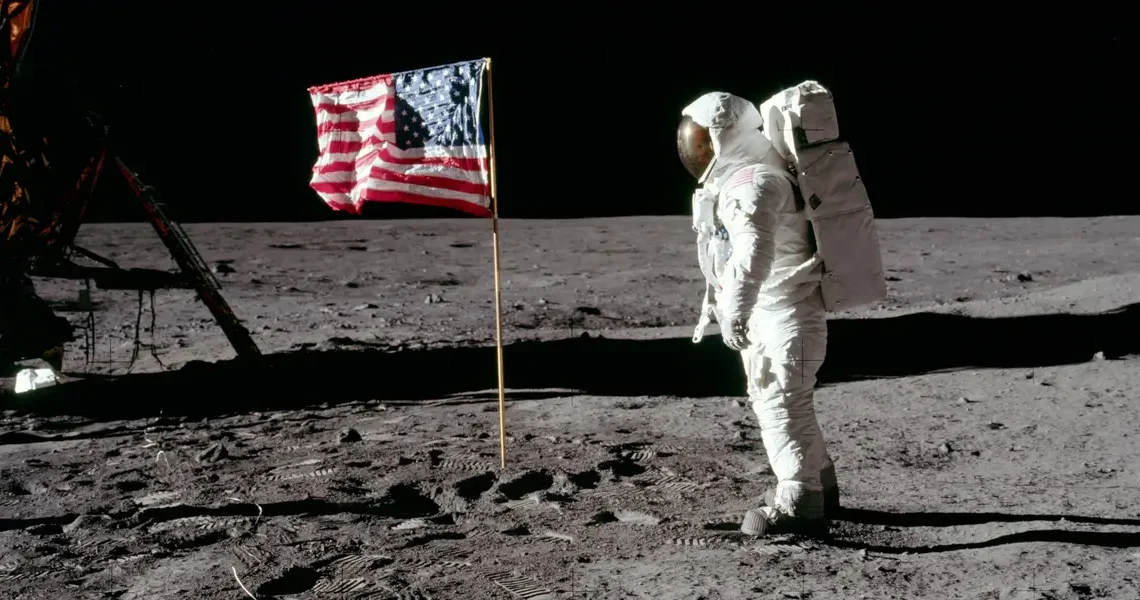
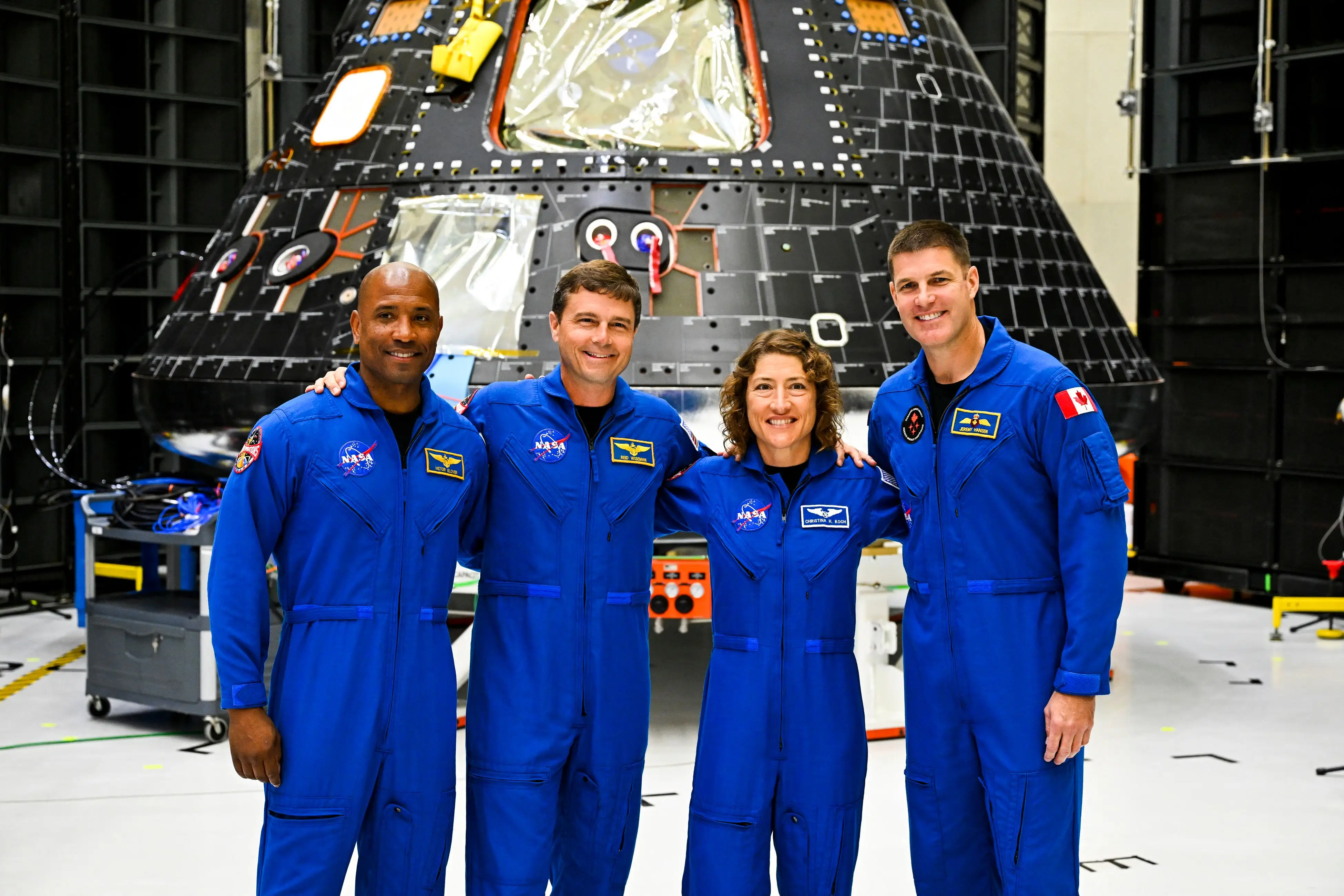
For the first time in 54 years, American astronauts are heading back to the moon.
The Artemis II is set to launch on April 1, after years of delays and concerns regarding landing sites and the shrinking moon.
Four astronauts will be sent up this time: Victor Glover, Christina Koch, Jeremy Hansen, and Reid Wiseman. Glover will be the first Black astronaut to circle the moon, while Koch will be the first woman, and Hansen will be the first Canadian.
While this crew won’t actually walk on the moon — that’ll be the crew of Artemis IV in 2028 — they’ll be the first to leave Earth’s low orbit since Apollo 17 in 1972.
Just a few years earlier, on July 20, 1969, NASA landed its first crewed spacecraft on the moon. The mission fulfilled President John F. Kennedy’s 1961 challenge to the US to land a man on the moon before the end of the decade. He issued that challenge as the USSR dominated the earliest milestones of space exploration.
Just months before Kennedy’s deadline, Neil Armstrong, Buzz Aldrin, and Michael Collins, the crew of Apollo 11, landed their small spaceship, crawled outside, and planted their boots into the ground along with an American flag and some scientific instruments.
Apollo 11 often hogs the history books, but many Apollo missions before it made the astronauts’ conquest possible, and the missions that followed added to the program’s long list of accomplishments. In total, NASA put 12 astronauts on the moon’s surface. In the five decades since, however, no US spacecraft has returned with people.
But that’s all about to change.
To celebrate the latest moon mission, here’s a look back at NASA’s Apollo missions, which flew between 1968 and 1972 and succeeded in putting the first humans on the moon.
Before crewed missions were sent to the moon, US lunar exploration began with robotic probes.

Nine uncrewed Ranger probes were sent into space on fact-finding missions to help humans one day reach the moon, per NASA. The first six, launched from April 1961 to January 1964, were unsuccessful, but Ranger 7 successfully transmitted photos of the moon’s surface in July 1964.
The Surveyor program succeeded the Ranger program in 1965. Now, instead of simply probes, NASA was sending Lunar Landers to survey the moon’s surface. Of the seven Landers sent, five were successful.
The last, Surveyor 7, was sent in 1968, just a few months before the first crewed mission went to space.
The Apollo 1 mission was designed to launch a spacecraft into low-Earth orbit. It ended in tragedy.
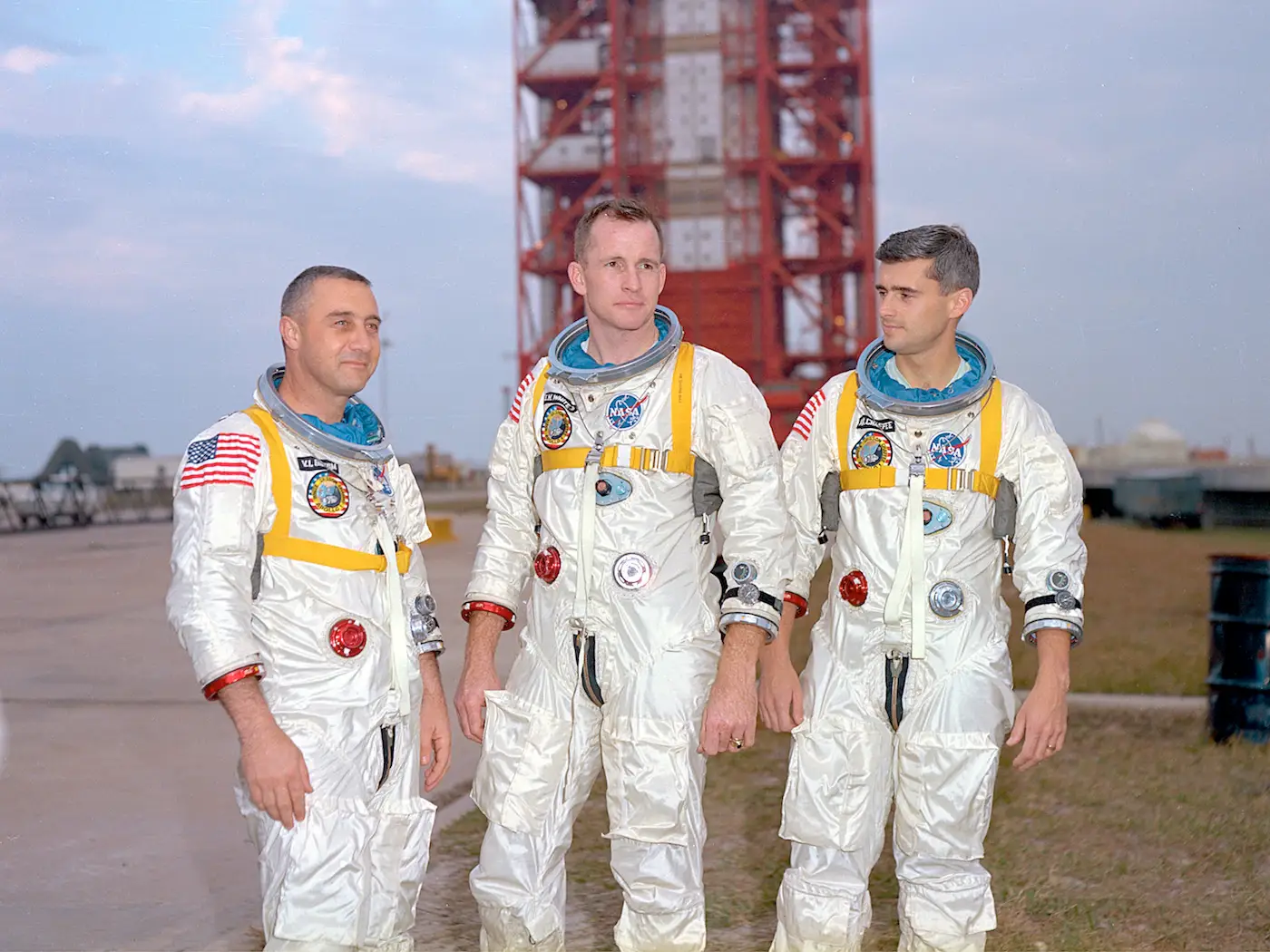
Thick smoke filled the crew module of the Apollo 1 capsule on January 27, 1967. Three NASA astronauts — Virgil “Gus” Grissom, Roger Chaffee, and Edward White — were inside performing a routine test and were unable to open the hatch in time to escape the fire.
Emergency rescue teams rushed to the launchpad (located where the Cape Canaveral Air Force Station is today), but they arrived too late.
An investigation revealed several issues with the capsule’s design, including an electrical wiring problem and flammable materials inside the crew cabin.
On the 50th anniversary of Apollo 1’s fatal fire, NASA displayed the hatch at the Kennedy Space Center Visitor Complex.
The deadly fire led NASA to postpone other planned crewed launches. No missions were labeled Apollo 2 or 3.
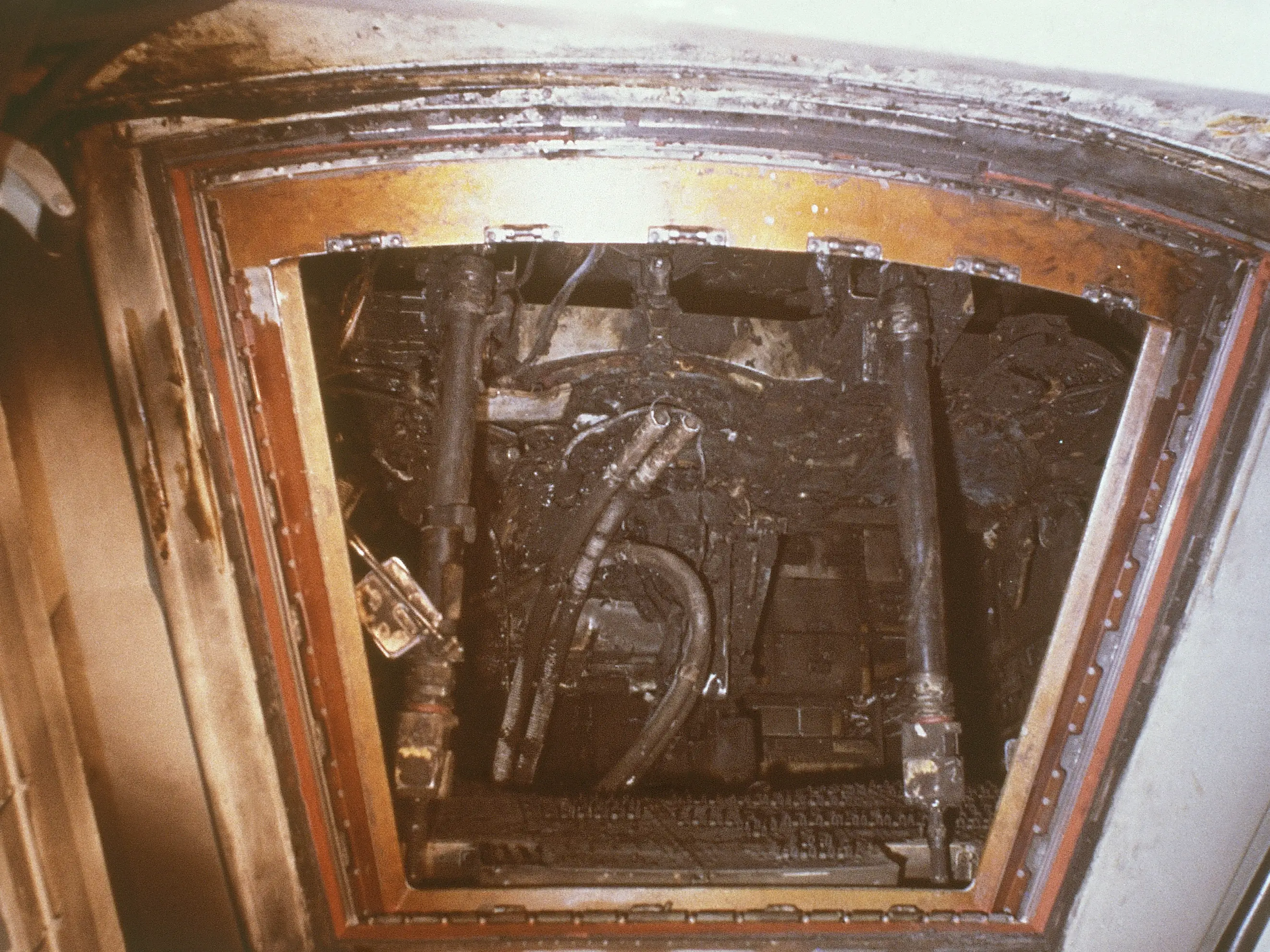
In the spring of 1967, NASA announced it would keep the designation of Apollo 1 for the mission that never occurred.
The rocket meant for Apollo 1 was later reassembled and used to launch Apollo 5.
The Apollo 4, 5, and 6 missions launched no astronauts but were critical in paving the way for crewed missions.
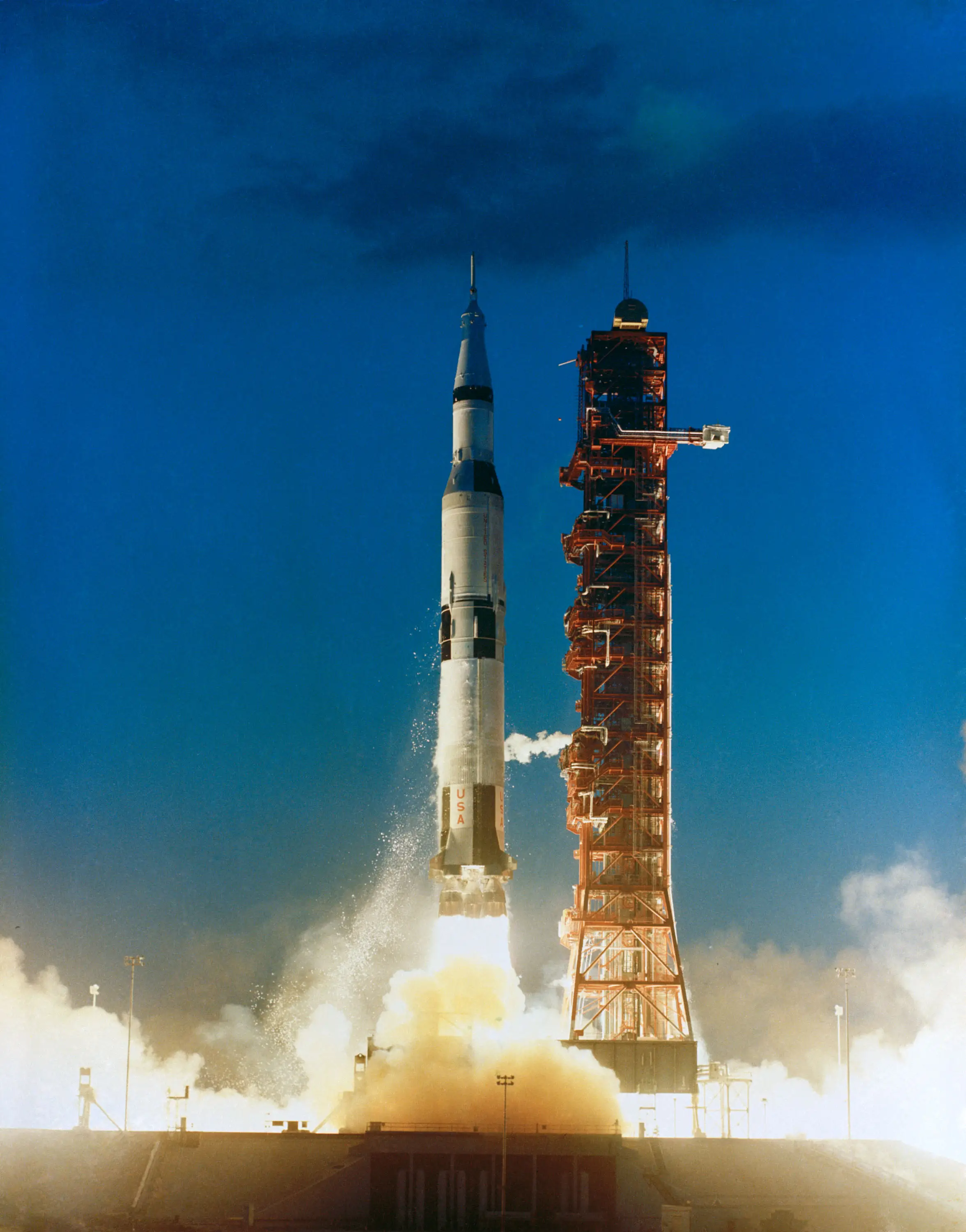
Apollo 4, which launched on November 9, 1967, was the first uncrewed test flight of NASA’s Saturn V rocket, which was developed to bring astronauts to the moon.
The mission was the first-ever launch from the Kennedy Space Center. It was a success for NASA, as it proved that Saturn V worked. At the time, the 363-foot-tall vehicle was the largest spacecraft to ever attempt flight.
Apollo 5 launched a few months later, on January 22, 1968. The mission successfully tested the ability of the Apollo Lunar Module — the spacecraft designed to land on the moon’s surface — to perform descent and ascent maneuvers.
The Apollo 6 launch followed on April 4, 1968. The mission aimed to show that the Saturn V rocket was capable of trans-lunar injection, which puts a spacecraft on its path to the moon. But the system quickly ran into problems: Two of the five engines shut down unexpectedly, and the spacecraft could not propel itself into orbit.
Despite the issues with Apollo 6, NASA pushed ahead with plans for its first crewed launch.
Apollo 7 launched on October 11, 1968, the first crewed test of a spaceship built to orbit the moon.
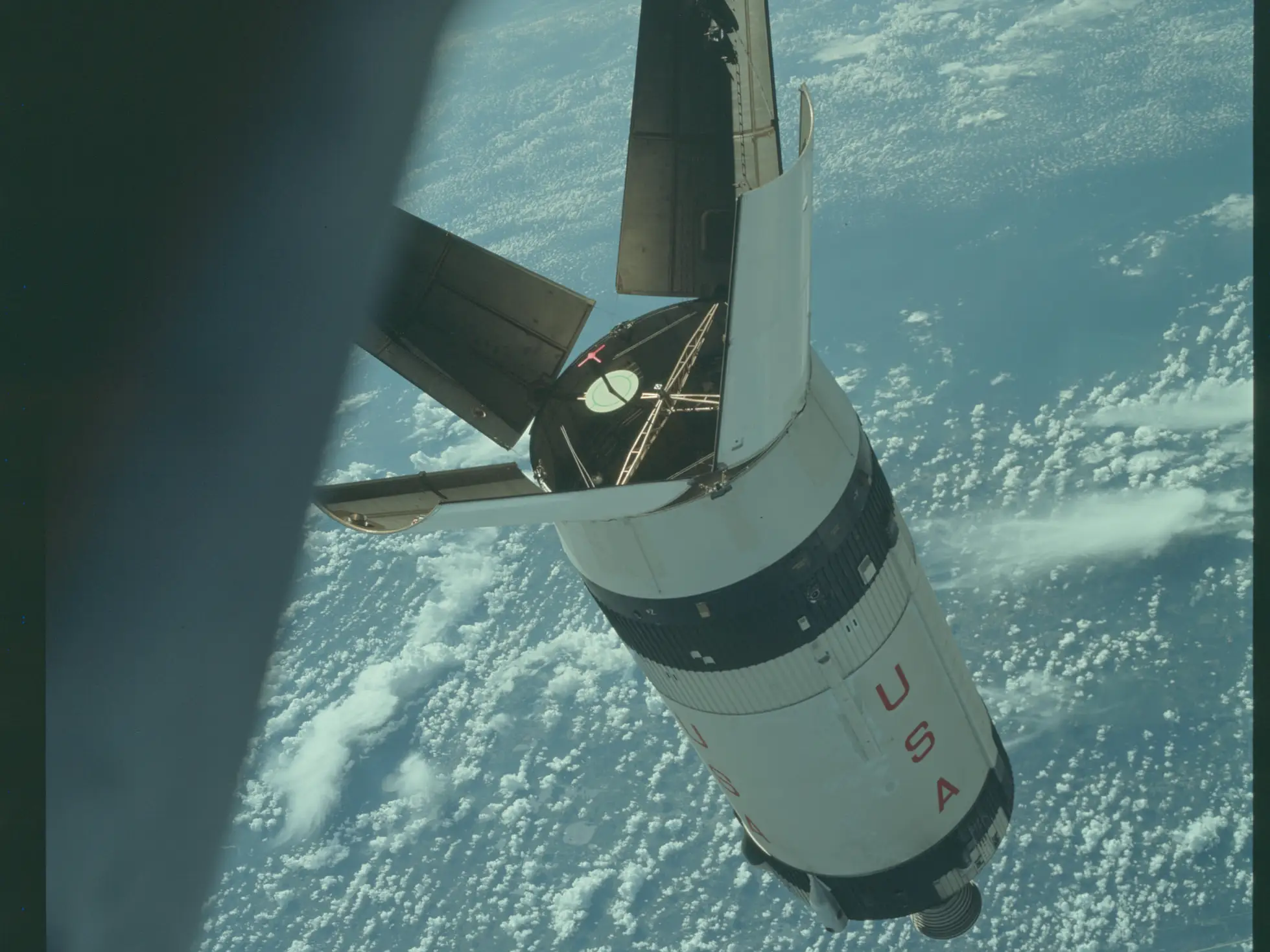
The Apollo 7 crew, comprised of astronauts Walter Schirra, Donn Eisele, and Walter Cunningham, achieved the original goal of Apollo 1: launching a spacecraft with people inside into low-Earth orbit.
Schirra, Eisele, and Cunningham spent more than 10 days in space while orbiting Earth 163 times. At the time, that was more time in space than all of the previous Soviet missions combined, according to the Smithsonian National Air and Space Museum.
It was also the first live-TV broadcast of Americans in space.
To lower the risk of a cabin fire during liftoff, NASA designed the command module’s atmosphere to have 60% oxygen and 40% nitrogen. (A higher percentage of oxygen would have increased the risk.) The cabin atmosphere gradually adjusted to pure oxygen shortly after liftoff.
On Christmas Eve 1968, Apollo 8 astronauts Jim Lovell, William Anders, and Frank Borman became the first people to orbit the moon.
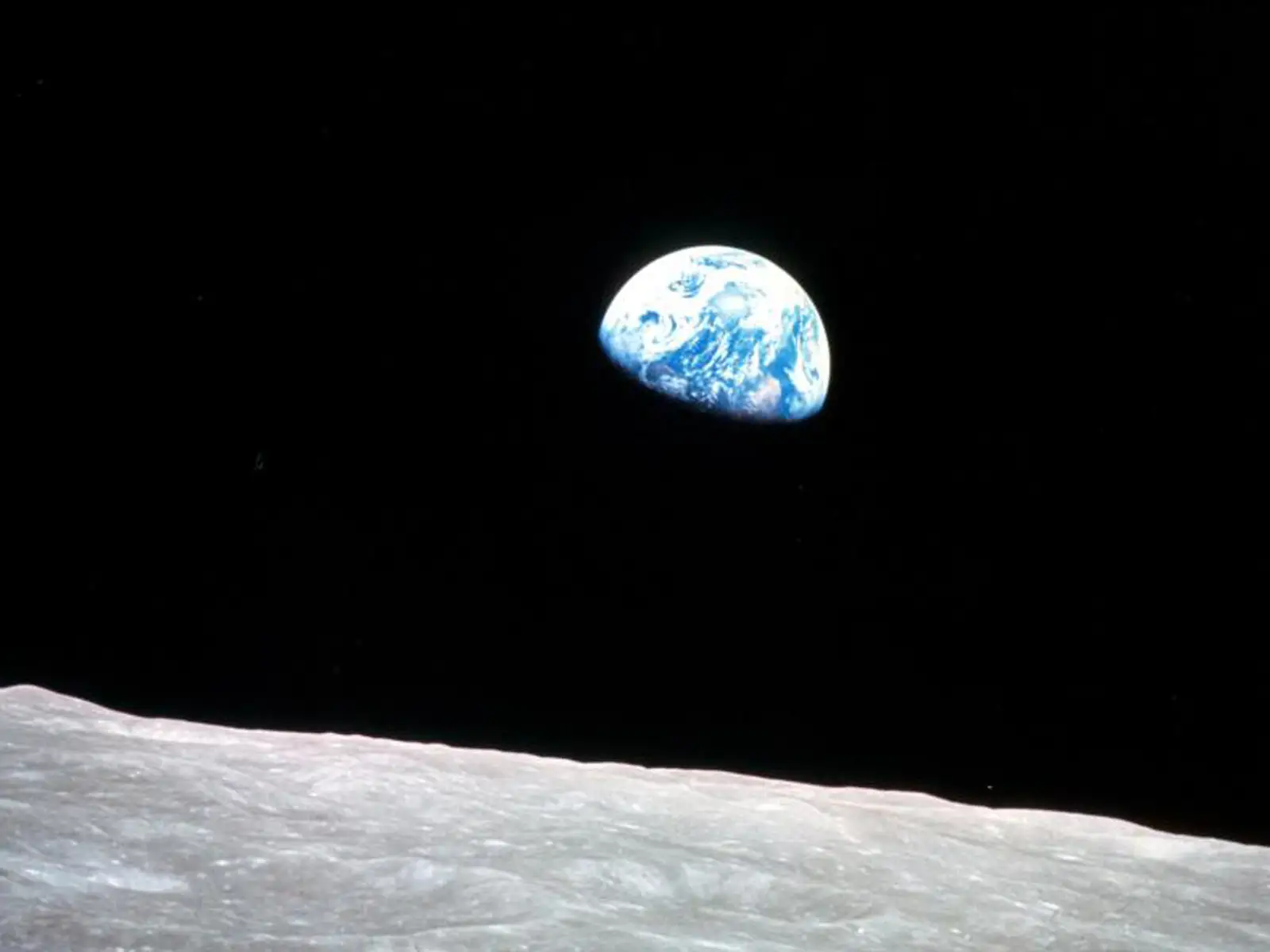
The purpose of the Apollo 8 mission was to study and take pictures of the moon’s surface.
In addition to achieving a historic and important space-travel milestone, Apollo 8 also became known for the famous “Earthrise” photo that the astronauts captured.
It was the first time humans saw what our planet looks like from space, a moment that one Apollo-era astronaut describes as humanity’s “cosmic birth” as space travelers.
Earthrise has become one of the most reproduced space photos in history, appearing on posters, US postage stamps, and even Time magazine’s cover in 1969.
The Apollo 9 mission remained in low-Earth orbit and tested major components that would be essential for a lunar landing.
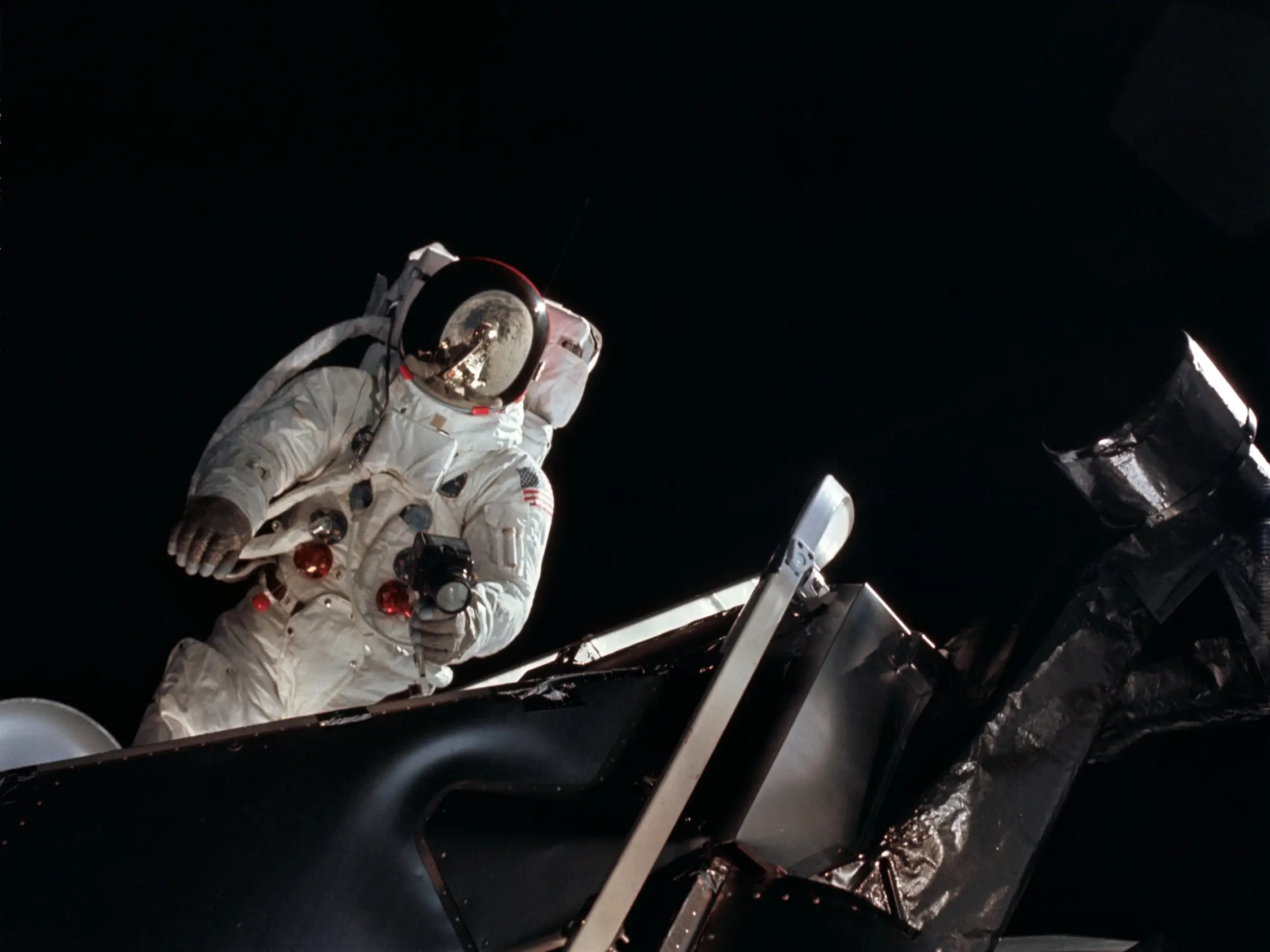
Apollo 9 launched on March 3, 1969, carrying astronauts James McDivitt, David Scott, and Russell Schweickart. It featured the first crewed test of the spacecraft designed to land on the moon.
After a successful 10-day mission, the astronauts splashed down into the Atlantic Ocean.
Apollo 10, the first of three crewed moon missions in 1969, was described as a “dress rehearsal” for the first lunar landing.
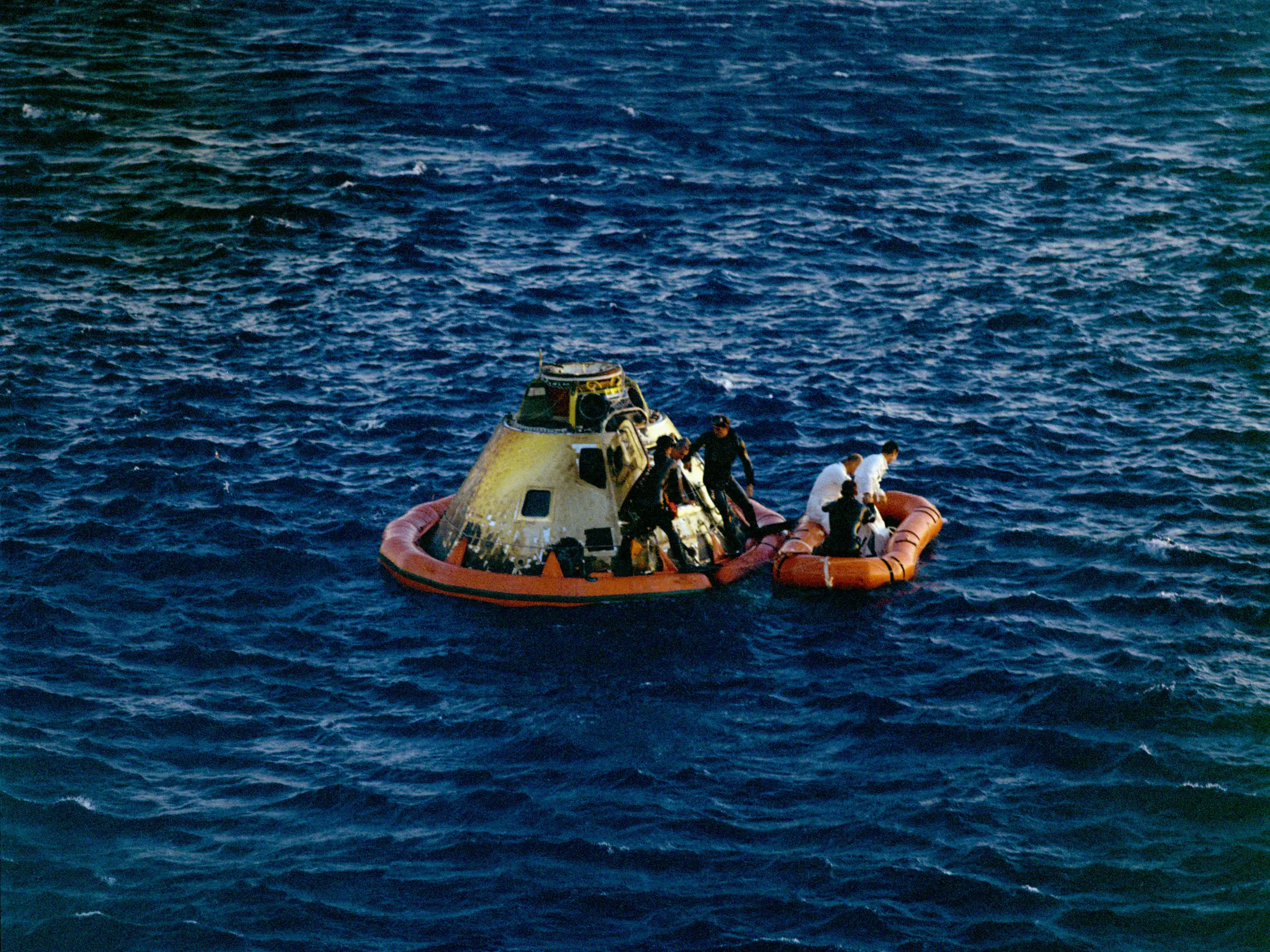
Astronauts John Young, Thomas Stafford, and Eugene Cernan launched atop a Saturn V rocket on May 18, 1969. The men came closer to the lunar surface than any astronaut before them.
Young, Stafford, and Cernan also got farther from Earth than anybody before.
The Apollo 10 mission included a test of a lunar lander that was similar to the one later used for the first moon landing. The lander, named Snoopy, was designed to travel most of the way down to the surface (but not all the way) so the astronauts could test its performance and use it to survey the future landing site.
Stafford and Cernan successfully piloted Snoopy to about 50,000 feet above the moon’s surface before returning to the main spaceship, where Young had remained.
An estimated 530 million people around the world watched as Apollo 11 astronaut Neil Armstrong became the first person to set foot on the moon on July 20, 1969.
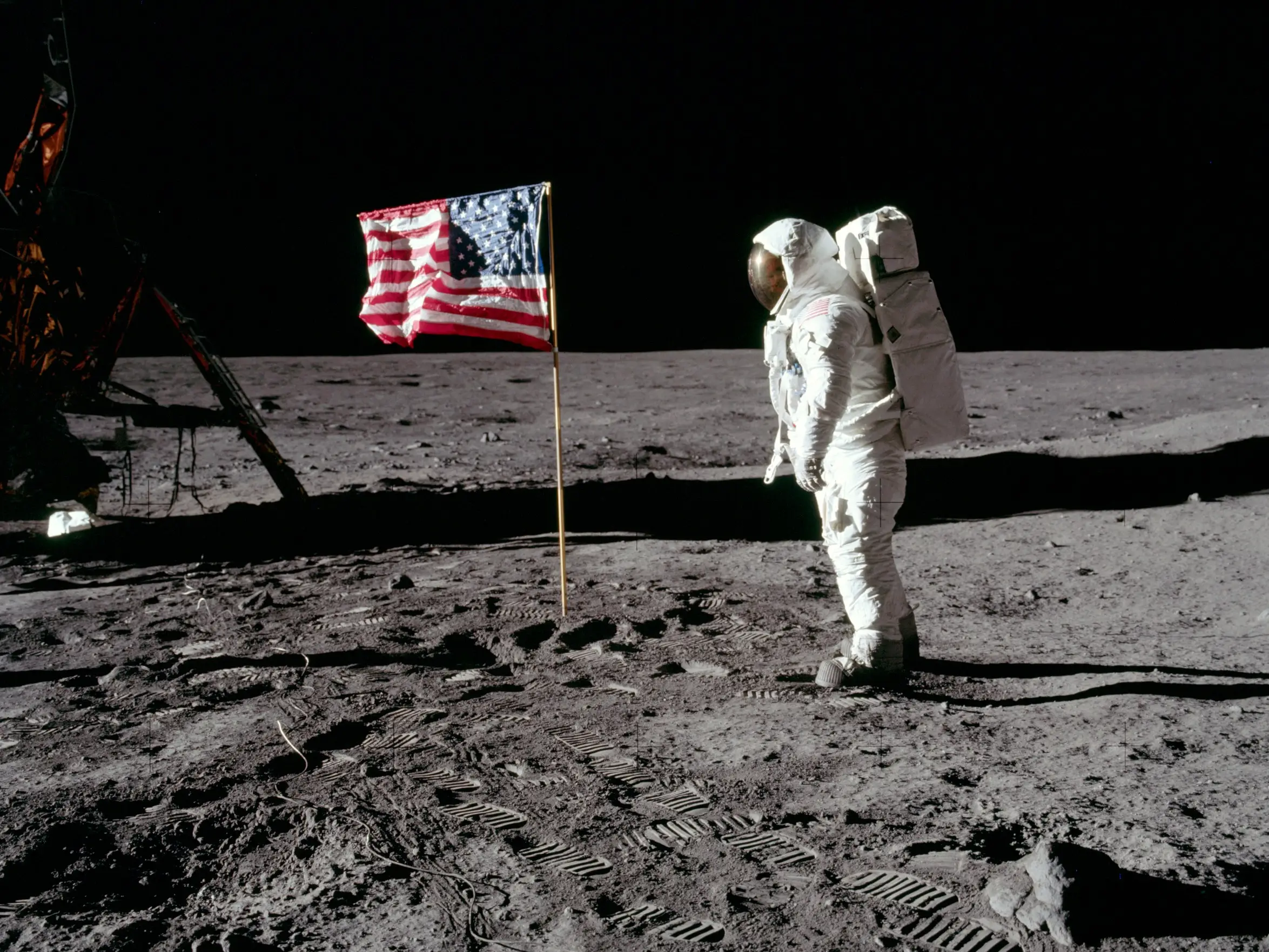
Armstrong famously called the historic achievement a “giant leap for mankind.” Buzz Aldrin followed him onto the lunar surface, while their crewmate Michael Collins stayed on the main spacecraft in orbit around the moon.
After the three astronauts returned to Earth, they were quarantined for 21 days to make sure they did not bring home any lunar contagions. Armstrong turned 39 during the confinement.
Until the Apollo 11 mission, Russian cosmonauts had been ahead of the US at almost every turn in the Cold War space race. At the time, many Americans did not believe spending $24.5 billion on the Apollo missions was worth it, and some people protested NASA’s eight-year effort to land on the moon.
Newly publicized documents in June 2019 suggested that a once-classified anomaly risked killing the Apollo 11 crew during their return to Earth.
Astronauts had other near-death experiences in the years leading up to the moon landing, too.
In March 1966, Armstrong and co-pilot David Scott were almost lost in space during the Gemini 8 mission. This was the first attempt to dock one spacecraft with another while in orbit, an essential step in a moon landing. But soon after takeoff, a thruster malfunctioned, which sent Armstrong and Scott spinning out of control. Luckily, they found a way to regain control of the spacecraft by powering thrusters.
A few months after Armstrong and Aldrin walked on the moon, NASA sent another spacecraft to the lunar surface in the Apollo 12 mission.
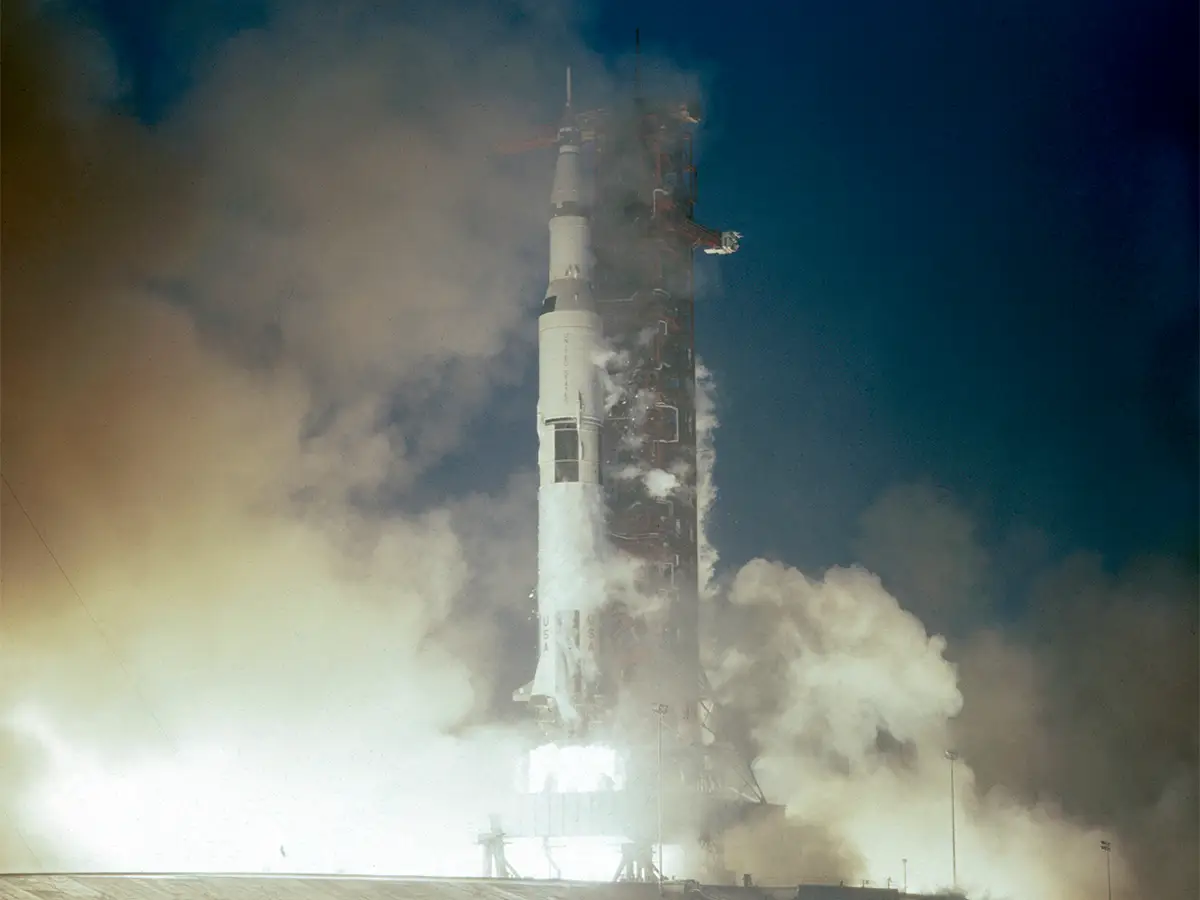
The Apollo 12 mission was neither as historic as its predecessor nor as scary as the near-disaster of Apollo 13. But Apollo 12 was not without drama.
The mission, which launched on November 14, 1969, was almost aborted minutes after takeoff because lightning struck the spacecraft and scrambled the rocket’s instruments. Many of the instruments were disabled completely after a second lightning strike.
At the time, NASA was unsure whether the mission could safely continue. But the mission wound up being successful — astronauts Charles Conrad and Alan Bean landed on the lunar surface while Richard Gordon circled the moon.
The Apollo 13 mission blasted off on April 11, 1970, but things went terribly wrong after about 56 hours into the trip to the moon.
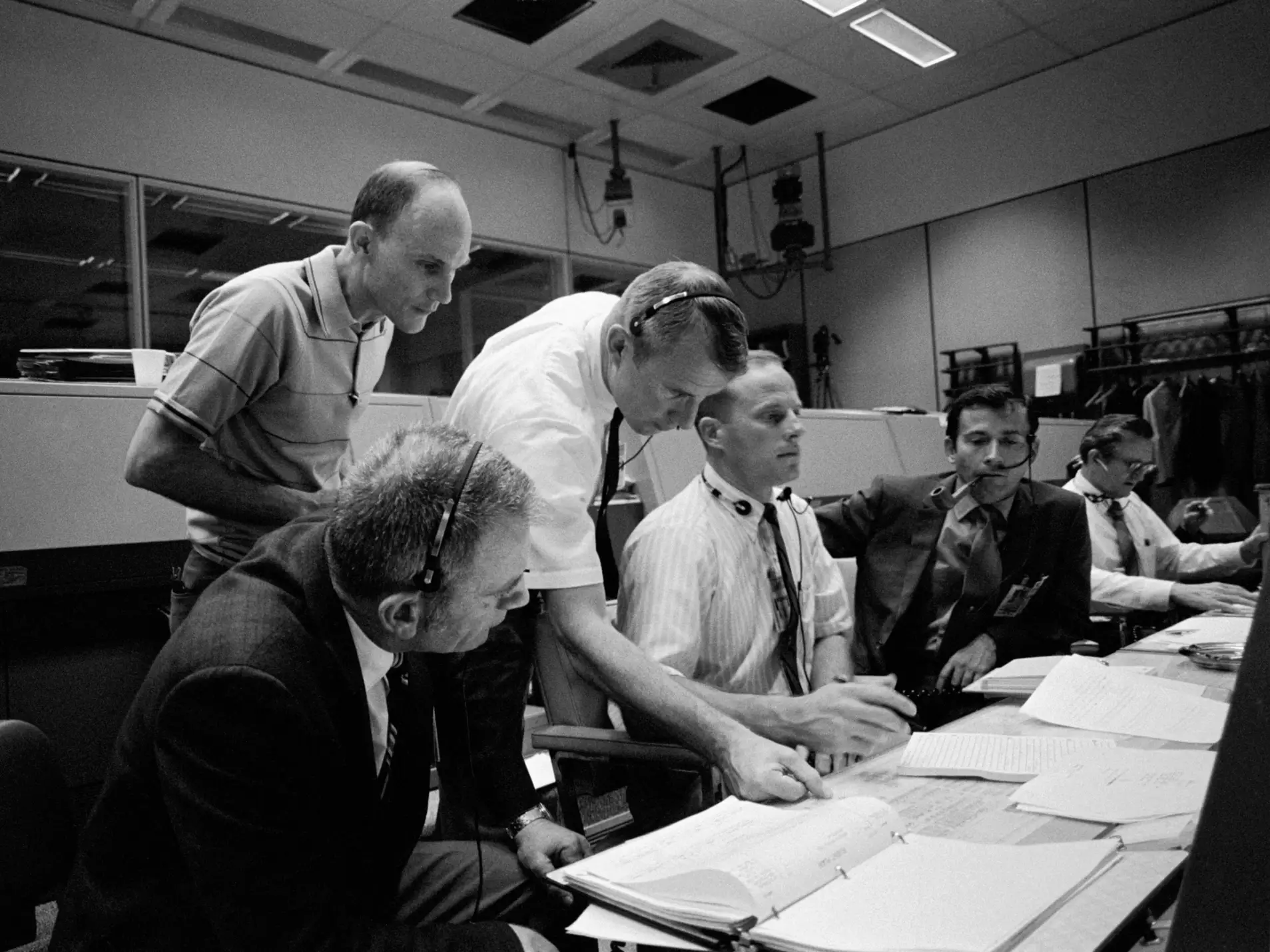
An oxygen tank exploded and damaged the cabin of the spaceship that housed astronauts Fred Haise, Jack Swigert, and Jim Lovell. The blast caused the spacecraft to lose its ability to generate water and power within three hours of this malfunction, and the astronauts’ oxygen stores were lost, too.
If you’re thinking “Houston, we’ve had a problem here,” you’d be right.
The lunar module, which was supposed to land two of the men on the moon, became the astronauts’ “lifeboat” as they abandoned the main spaceship. But that small spacecraft was only built for two people, so the lithium hydroxide canisters that absorbed carbon dioxide gas from the air were used up quickly.
The astronauts were at risk of dying from high levels of the gas, but managed to retrofit the main ship’s gas-absorbing canisters to fit into openings on the lunar module. They circled the moon but did not attempt the landing that had been planned. The crew landed safely in the South Pacific on April 17, 1970, and NASA called the mission a “successful failure.”
With Apollo 14, NASA made another successful lunar landing the following year.
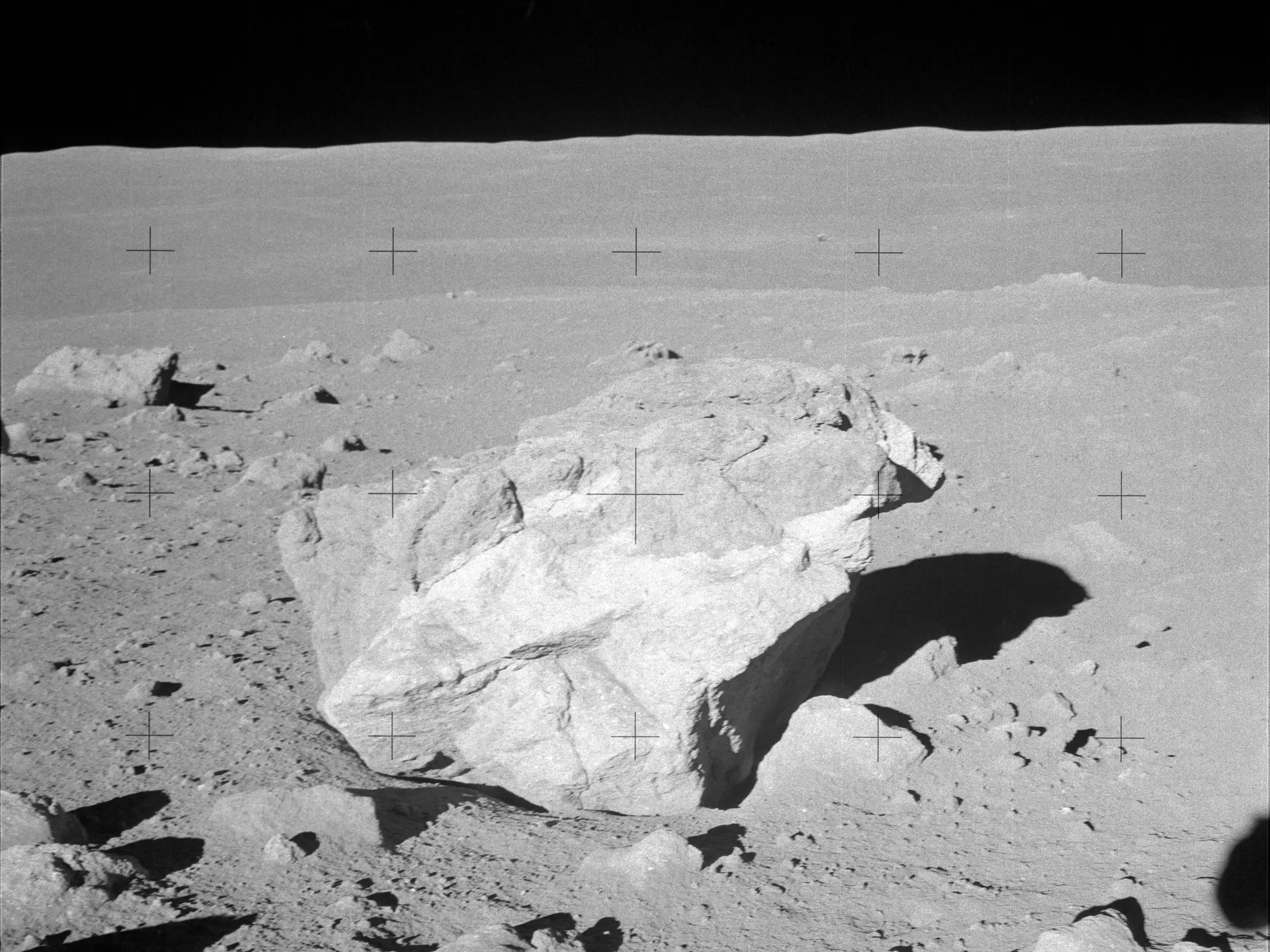
Apollo 14 astronauts Alan Shepard, Edgar Mitchell, and Stuart Roosa launched from the Kennedy Space Center on January 31, 1971.
The spacecraft’s destination was the same as the aborted Apollo 13 mission’s: the moon’s Fra Mauro highlands.
Apollo 14 collected more lunar material and data than originally planned to make up for Apollo 13’s failure to reach the moon’s surface.
During the Apollo 15 mission, astronauts used a wheeled Lunar Roving Vehicle for the first time to study the moon’s geology.
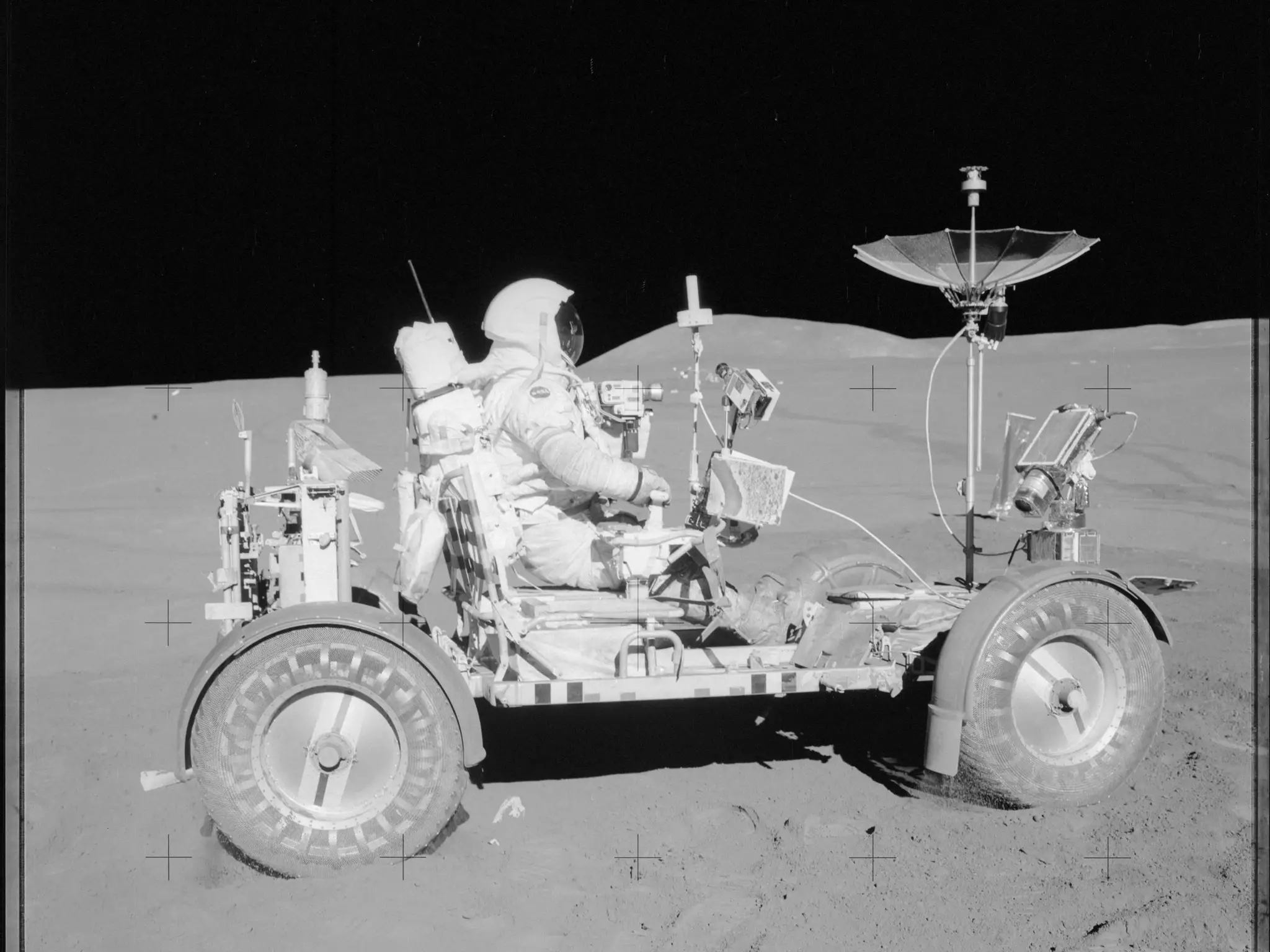
NASA astronauts David Scott, James Irwin, and Alfred Worden crewed Apollo 15, which landed on the moon on July 30, 1971.
Using a vehicle helped Scott and Irwin to travel farther from the lunar lander than others before them. The samples that the Apollo 15 astronauts brought back included a rock estimated to be 4 billion years old.
Apollo 15, along with the two missions that followed it, featured a television camera on the lunar rover, an updated lunar module that let crews stay on the moon for longer than before, and redesigned backpacks that enabled astronauts to spend more time on the lunar surface.
In 1972, NASA used the Apollo 16 mission to explore the moon’s highlands for the first time.
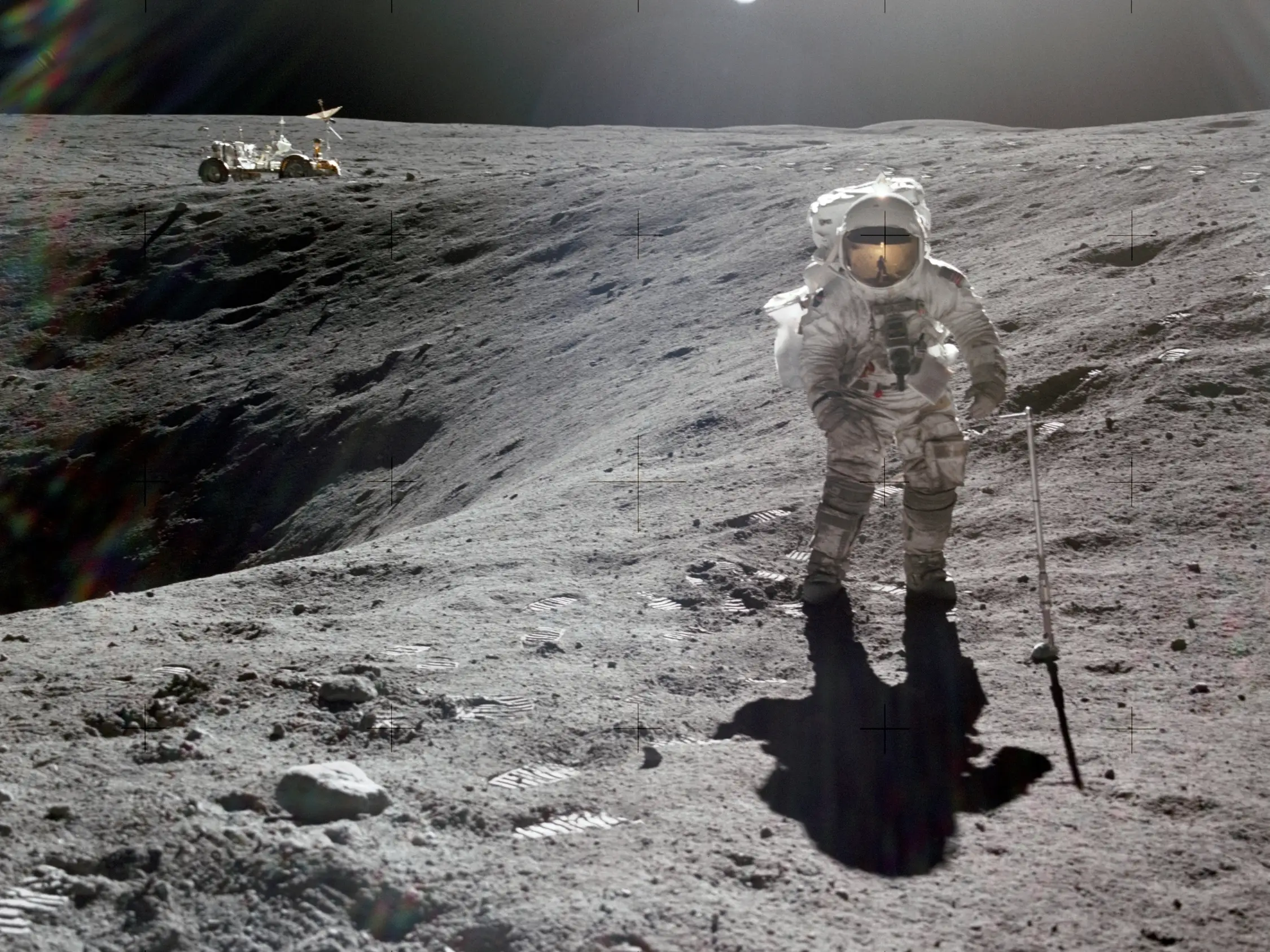
Astronauts John Young, Thomas Mattingly, and Charles Duke comprised the crew.
On April 20, 1972, 36-year-old Duke became the youngest human in history to walk on the lunar surface. Duke also made headlines for leaving a photo of him, his two sons, and his wife on the moon.
“I’d always planned to leave it on the moon,” Duke previously told Business Insider. “So when I dropped it, it was just to show the kids that I really did leave it on the moon.”
After more than 20 hours of experiments on the lunar surface, Young and Duke collected roughly 210 pounds of samples. But Duke said he had a brush with death while trying to pull off a “Moon Olympics” high jump and landing on his back, which could have damaged his life-supporting backpack.
“I learned a lesson: Never do anything in space that you haven’t practiced,” Duke said.
Apollo 17 was the last mission to take people to the moon — for now.
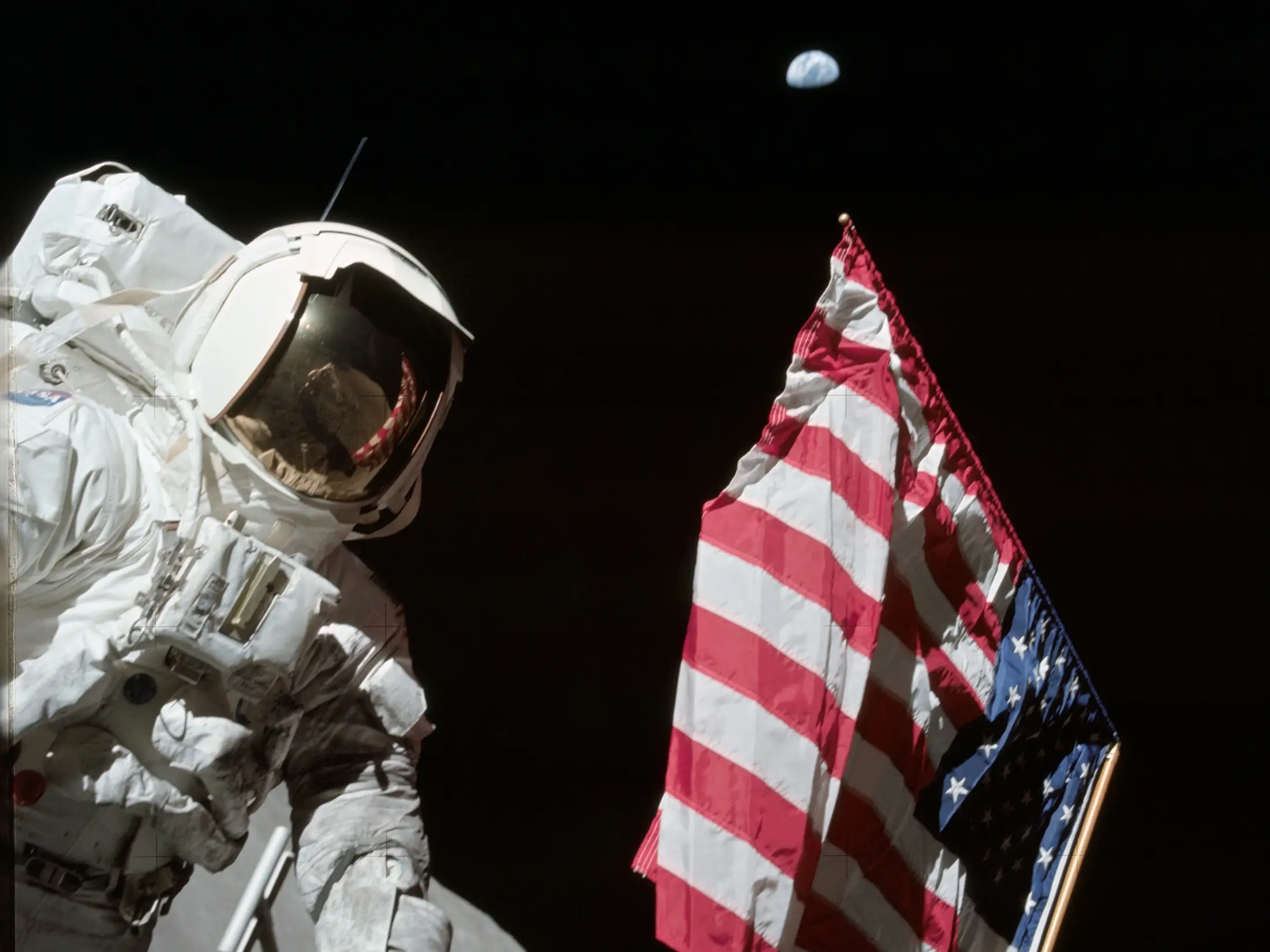
Apollo 17 commander Eugene Cernan is still the last person to walk on the lunar surface.
Other countries, including China, India, and Japan, have successfully landed on the moon’s surface since Apollo 17, but those missions did not have crews. Only Americans — 12 in total, so far — have walked on the moon.
Apollo 17 landed on the lunar surface on December 11, 1972. Compared to previous missions, this trip collected the most rock and soil samples from the moon.
During the Apollo 15 and 17 missions, astronauts also installed heat-flow experiments to gather data on the moon’s temperature. In 2018, a study published in the Journal of Geophysical Research analyzed that data and concluded that NASA astronauts likely warmed up the moon’s surface temperature by as much as 6 degrees Fahrenheit by walking around.
According to the study, walking on the moon and driving rovers around exposed dark moon dust, called regolith. This likely prompted the moon’s surface to heat up, the scientists said, because darker materials absorb more light.
The crew of the Artemis II will fly to the moon on a 10-day mission beginning on April 1, 2026.
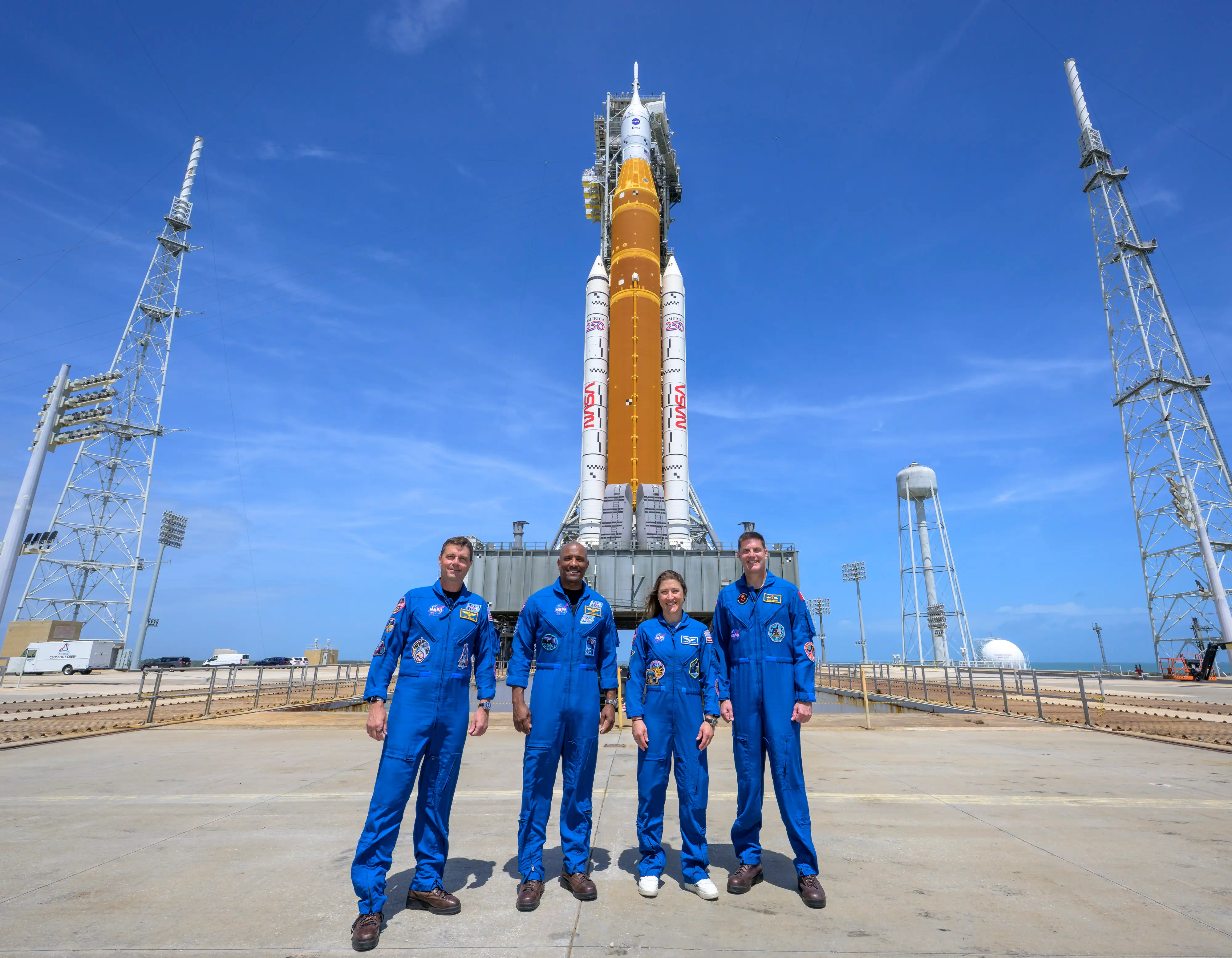
After years of delays, the crew of the Artemis II will begin their lunar flyby mission on April 1, weather permitting.
Its four astronauts will circle the Earth twice to test the spacecraft’s systems before circling the moon — they won’t land on the moon, but they will be the first crewed mission of the Orion spacecraft, and the first four people to leave low-Earth orbit since 1972.
It’s also the second flight of the Space Launch System (SLS), replacing the previous Space Shuttle program. The SLS is a super-heavy-lift rocket designed to (eventually) take astronauts farther into space, even to Mars.
It’s over 100 feet taller than the space shuttles NASA has previously used, and produces 15% more thrust at launch, per NASA.
If all goes well, the astronauts will be back on Earth on April 10.
The goal is for astronauts to once again walk on the moon in 2028 as part of the Artemis IV mission.
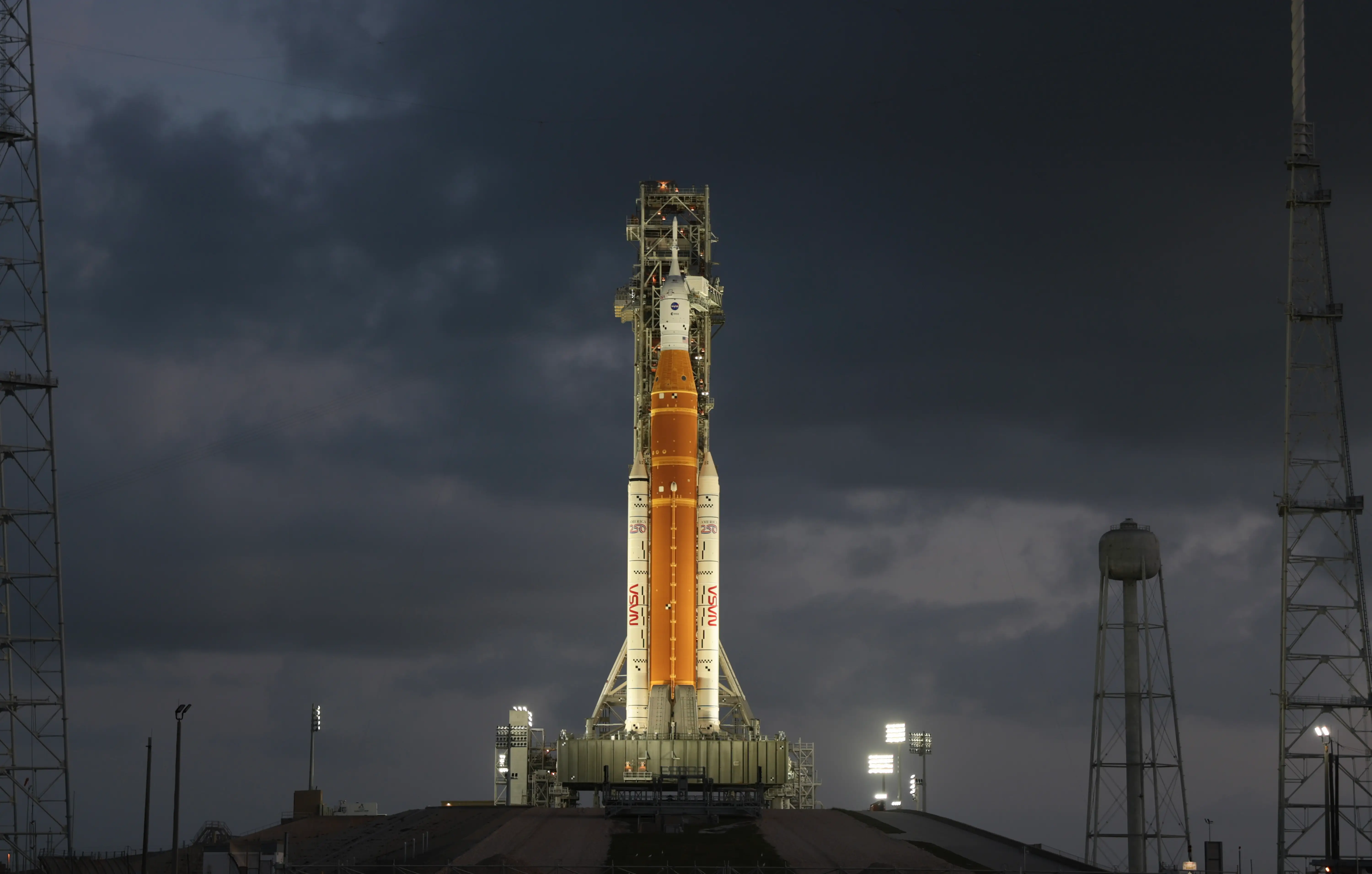
President Donald Trump directed NASA to put astronauts on the moon again by 2024. It’ll take a little longer than that, but it seems he may have his wish by 2028 with Artemis IV.
“We’ve been given an ambitious and exciting goal. History has proven when we’re given a task by the president, along with the resources and the tools, we can deliver,” then-NASA administrator Jim Bridenstine said in 2019. “We are committed to making this happen.”
To achieve this goal, NASA has partnered with Elon Musk’s SpaceX, which has its own plans to colonize the moon by building a “self-growing city” on its surface.
Read the original article on Business Insider
The post The Artemis II is the first crewed lunar flight in over 50 years. Photos show the US’ exploration of the moon through history. appeared first on Business Insider.