Leading the nation in residential conversions, New York’s office towers are getting a second act — but not necessarily the one renters have been waiting for.
New York has always reinvented itself. This time, the reinvention is happening floor by floor, in the hollowed-out corridors of office buildings that remote work left behind.
The numbers are staggering. More than 16,000 apartments are now in the pipeline from office conversions alone in the years following COVID-19. It’s a figure that nearly doubled in a single year and dwarfs every other American city, according to a fresh study by RentCafe.
Washington, DC is a distant second at roughly 8,500 units. Chicago and Los Angeles combined don’t match what New York added in 12 months.
When you zoom out to include all conversion types — hotels, retail, warehouses — New York’s broader adaptive reuse pipeline swells past 26,000 future units.
Former office buildings now account for nearly 62% of that total, a share that has climbed sharply as landlords face an uncomfortable reality: in a post-pandemic world, not every tower has a future as a workplace.
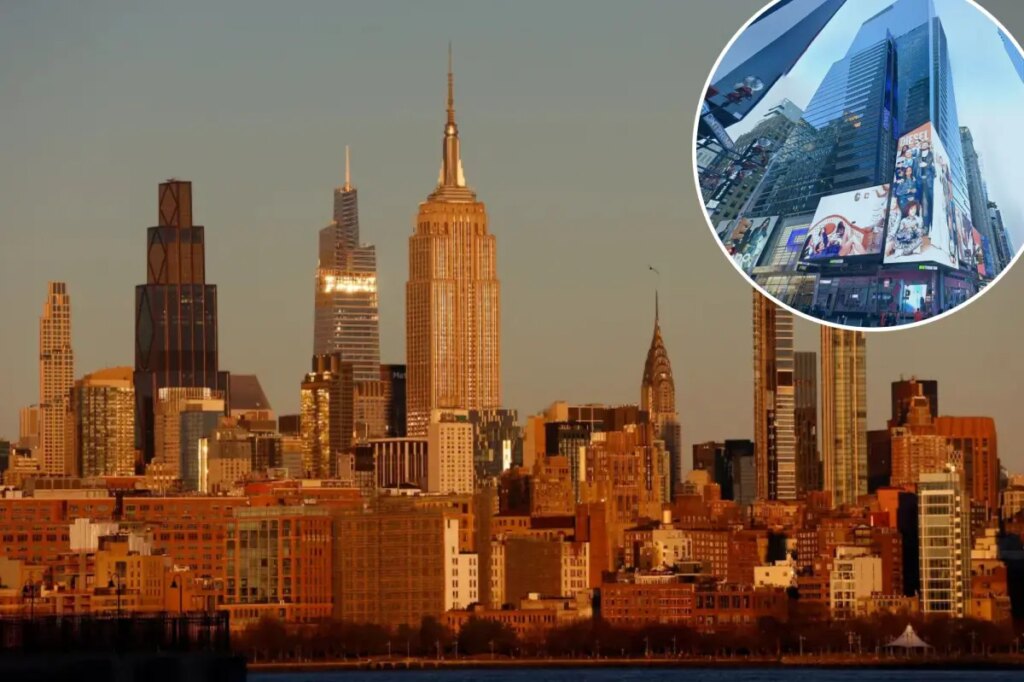
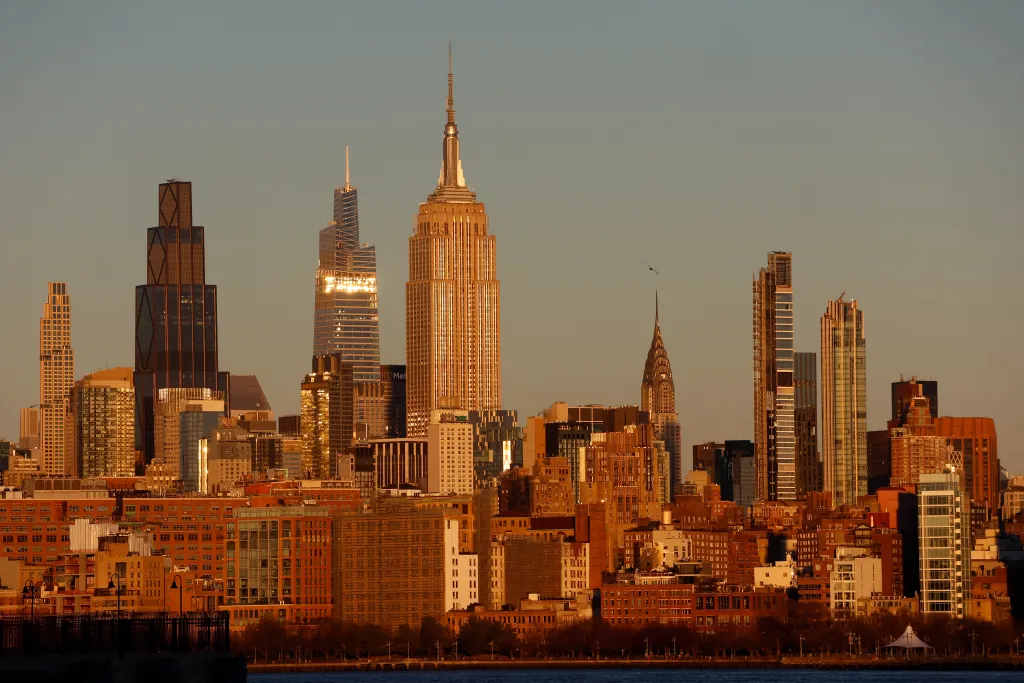
That pressure is heaviest in Midtown, which has quietly overtaken the Financial District as the epicenter of the conversion movement.
For years, the downtown corridor was ground zero — older stock, looser zoning, smaller floor plates that made residential retrofitting more feasible. Now it’s the mid-century towers of central Manhattan taking their turn, as owners who once waited out the office slump finally stop waiting.
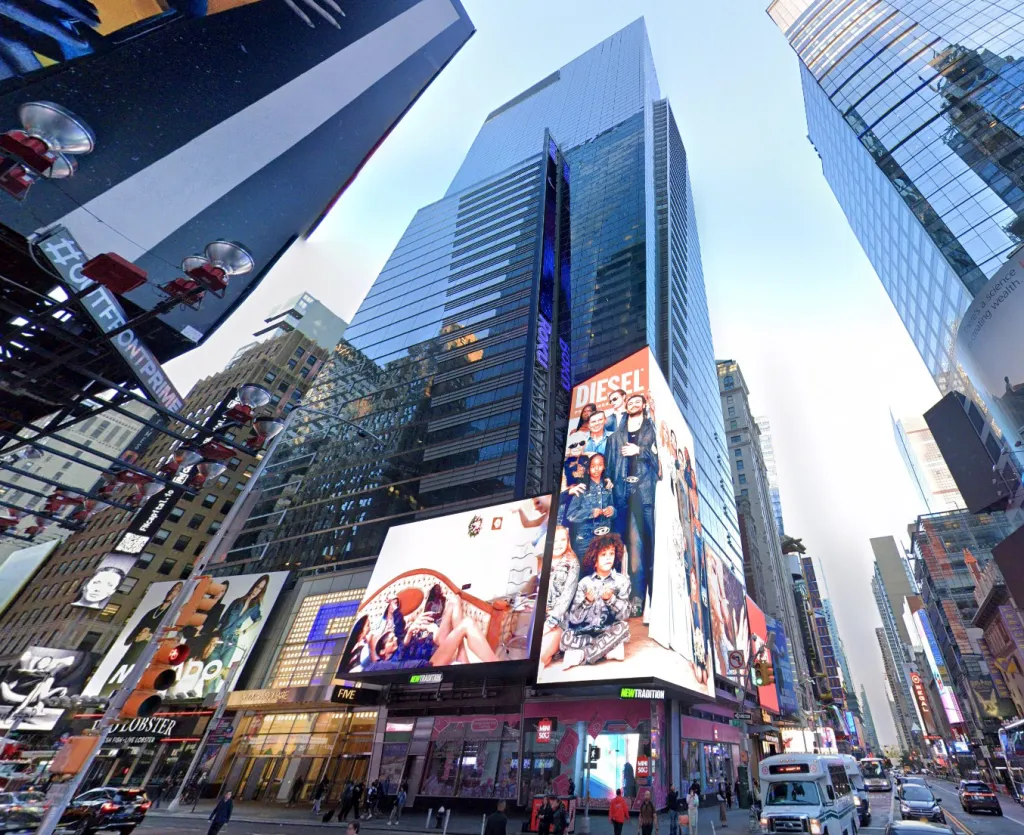
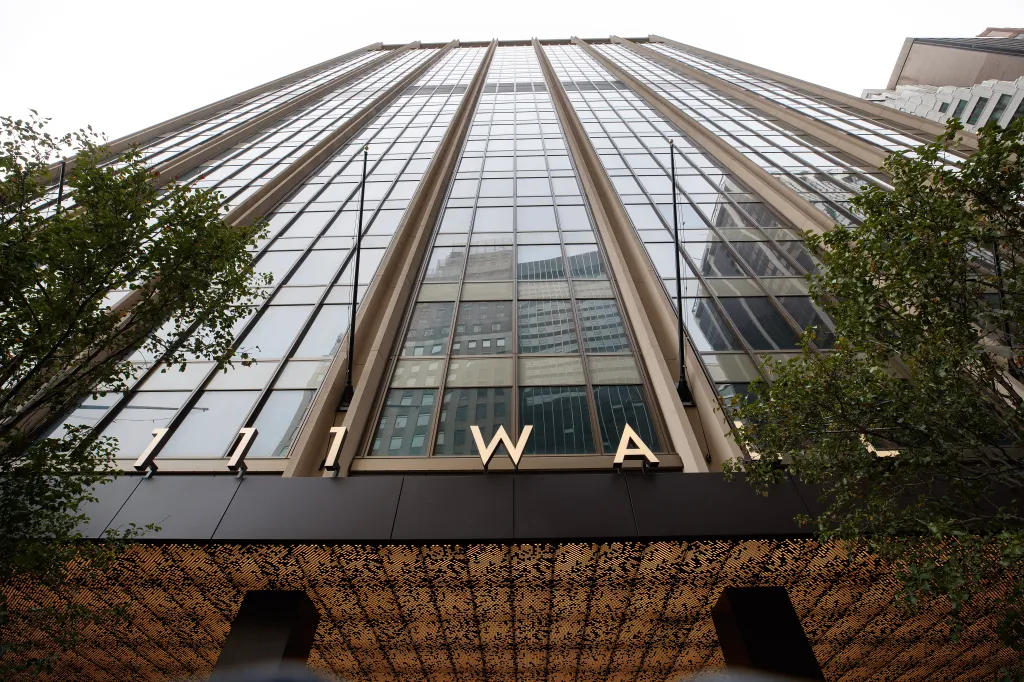
The projects are arriving at serious scale. At 111 Wall St., a gut renovation is expected to yield more than 1,500 apartments. At 5 Times Square, a building that spent years more vacant than occupied, over 1,200 units are planned, with a slice earmarked for below-market renters. The former Pfizer headquarters at 219-235 E. 42nd St. in Midtown East is undergoing the largest office-to-residential conversion in New York City history, expected to finish around 2026 or 2027 and bring roughly 1,600 apartments with 100,000 square feet of amenities. The addresses alone would have seemed absurd as residential addresses a decade ago.
On paper, it looks like a meaningful dent in the housing shortage. In practice, the impact is more complicated.
Here’s what the numbers don’t tell you: turning offices into apartments costs a fortune. The structural gymnastics involved, which includes reconfiguring deep floor plates designed for cubicles, threading plumbing through buildings never meant to carry it, cutting windows into cores that were built to block daylight, push development costs into territory that makes affordable rents nearly impossible to pencil in.
Developers aren’t doing this as a public service. They’re doing it because premium rentals can justify the bill. The result is a conversion wave priced for a specific kind of New Yorker.
Studios and one-bedrooms in many of these projects are expected to list in the $3,500 to $5,500 range. Larger units or those in more desirable locations will push well past $6,000 a month.
Even buildings that include mandated affordable units tend to price the bulk of their inventory well beyond what a median-income renter can sustain.
The more durable transformation may be geographical rather than economic. Midtown blocks that have operated on a strict weekday schedule for generations are starting to acquire something they’ve never really had: residents. That shift, subtle now, more pronounced as more units come online, rewires the logic of an entire district.
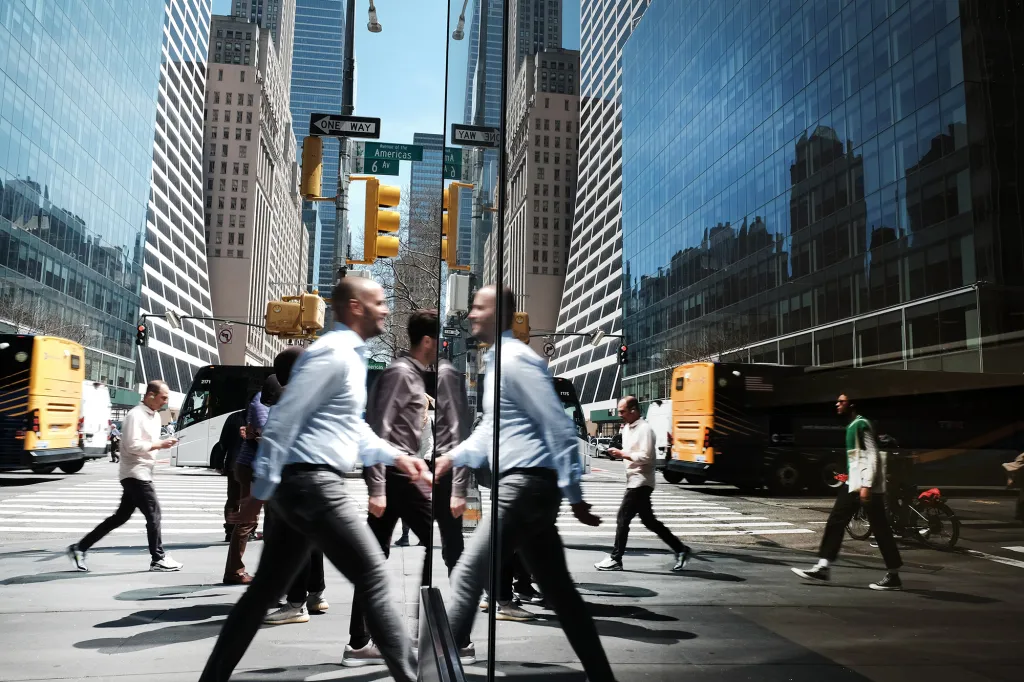
Retailers recalibrate for evening foot traffic. Transit patterns adjust. The case for the next residential conversion becomes marginally easier to make. Meanwhile, the office market gets a pressure valve. Every building that exits the commercial inventory is one fewer vacancy dragging on rents and property values across the sector. It doesn’t solve remote work. But it manages the hangover.
Nationally, the office-to-apartment pipeline has reached a record of approximately 90,000 units — roughly four times the volume of just a few years ago. New York’s outsized share of that figure reflects two things simultaneously: the severity of its commercial real estate distress, and the intensity of its housing demand. Both are extreme. The conversion boom is where they collide.
“What’s actually being built here is less a housing rescue and more a high-end stratum grafted onto a city that already has plenty of high-end strata,” a developer source told The Post. “The pressure it applies to top-of-market rents is real, even if modest. The relief it offers to someone priced out of Brooklyn or The Bronx is theoretical at best.”
The post Manhattan’s empty office towers are becoming apartments — just not the ones most locals can afford appeared first on New York Post.