Economist John Maynard Keynes once remarked, “Practical men, who believe themselves to be quite exempt from any intellectual influences, are usually the slaves of some defunct economist.” The wry commentary eventually curdled into ironic prophecy, as Keynes became one of those defunct economists.
His prescription for countercyclical stimulus mutated into a belief that government spending was a kind of perpetual motion machine: Since spending creates jobs and jobs create spending, you could fuel an increasingly virtuous cycle with ever-expanding outlays. This garble led to unnecessary stimulus during post-pandemic recovery and then some unnecessary inflation.
Alas, this is common in public policy fights. Expert debates grounded in the conditions of a particular time get filed down to sound bites in media reports. Years later, half-remembered versions inspire policies that are at best inappropriate to the current moment and, at worst, counterproductive.
We’re seeing a lot of that now, in part because the Great Recession was so damaging, its politics so formative for so many people, that many of them seem stuck in a time warp.
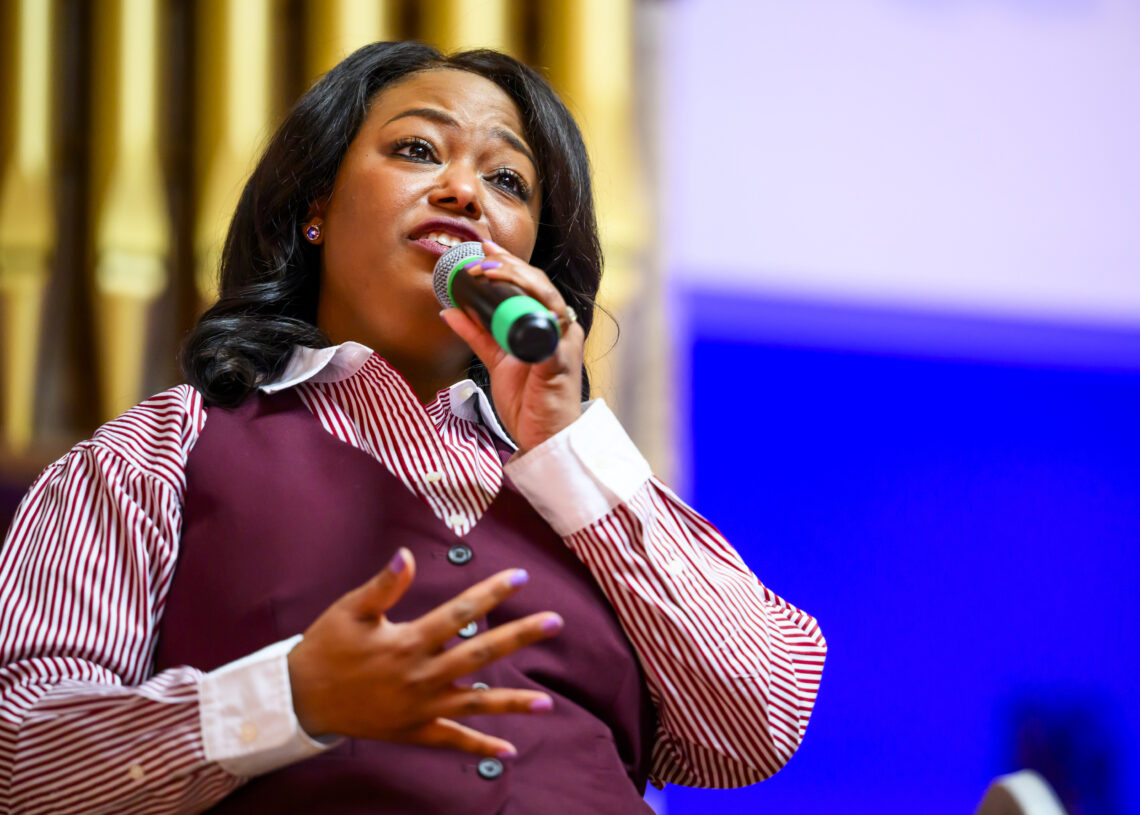
In my beloved home of D.C., democratic socialist Janeese Lewis George is running a mayoral campaign that you might call “Mamdani Lite”: half the charisma and one-third fewer freebies than the classic version. A wise adjustment, given that New York Mayor Zohran Mamdani has already retrenched because of legislative opposition and a sizable budget gap.
Nonetheless, she’s still got plenty of ambitions. Lewis George, who has a history of pro-tenant, anti-landlord politics, wants D.C. to beef up the Tenant Opportunity to Purchase Act, expand the first-time home buyer program and invest in public housing. She promises a universal child care benefit, free bus rides for people in the Supplemental Nutrition Assistance Program, stronger protection for unions, tighter utility rate regulation paired with expanded subsidies and, of course, a “root causes” approach to public safety. There are some standard technocratic transportation ideas, such as congestion pricing and some vague gestures toward economic development, but the animating logic is pure Democratic Socialists of America: make life harder for landlords, big businesses and affluent taxpayers, and easier for those at the bottom.
A worthy goal, one might say, and if it’s a mite optimistic, well, she can trim it back when she gets the job. But the problem with her platform is not that it’s too focused on working families who are struggling with affordability. The platform feels designed for a different era, when D.C. was booming, and the only question was how to manage that growth and distribute the fruits of the boom.
Today’s D.C. is in a different position. Since the pandemic, rising crime and remote work shifted housing and office demand toward the suburbs. Though crime has fallen, President Donald Trump’s federal workforce cuts dealt the city another blow. D.C.’s office vacancy rate stands at 18.1 percent, and rents are stagnant; wage and job growth trail the national economy; and the housing market has weakened compared to the Virginia suburbs. Glen Lee, the district’s chief financial officer, recently notified the D.C. Council that revenue growth is down sharply and is “estimated to be at or below the rate of inflation for the foreseeable future.”
Tax hikes, you say? Or perhaps cut police spending now that crime is down? Unfortunately, D.C. is an unusually small city, which makes it easy for taxpayers and businesses to decamp for the suburbs when things get tough. Any decline in public order — or increase in taxes or commuting costs — could prove catastrophic for the already-struggling urban core. Meanwhile, making life harder for landlords will discourage developers, who are reeling from higher interest rates and lower rents. They’re already pretty discouraged: In 2019, developers pulled permits for 5,777 units of multifamily housing. In 2025? It was 1,410.
If elected, Lewis George will learn the same lesson as Mamdani, only more so: You cannot govern a 2026 city with 2016 ideas. They are not the only ones who need to learn that lesson.
Take California’s billionaire wealth tax referendum, which assumes that most of the billionaires will obediently stick around to fork over 5 percent of their assets. Given the size of the tax, that would have been a dubious notion even 10 years ago, but it’s much more dubious in the Zoom era, when it’s easier to relocate or keep an eye on things remotely. No one should be surprised that some of the state’s largest taxpayers have already left or made plans to leave, for less onerous jurisdictions.
In case you think I’m beating up on the left too much, let’s take the right’s obsession with wokeness. That’s an obsession I shared — five years ago, when people were shouted down or fired everywhere you looked. It seems quaint today, as institutions race to dismantle their diversity, equity and inclusion initiatives, right-wing influencers openly embrace antisemitism, and the cancellation artists are reduced to shouting at each other on Bluesky. Nor do voters seem to care much. Republican Winsome Earle-Sears hit transgender issues hard in the 2025 Virginia gubernatorial race, which did nothing to revive her campaign.
Perhaps Lewis George will have better luck playing the golden oldies this time around. But even if audiences enjoy her nostalgia tour, governing requires something more contemporary. Current problems call for current ideas, not the greatest hits of yesteryear.
The post The nation’s political leaders are stuck in a time warp appeared first on Washington Post.