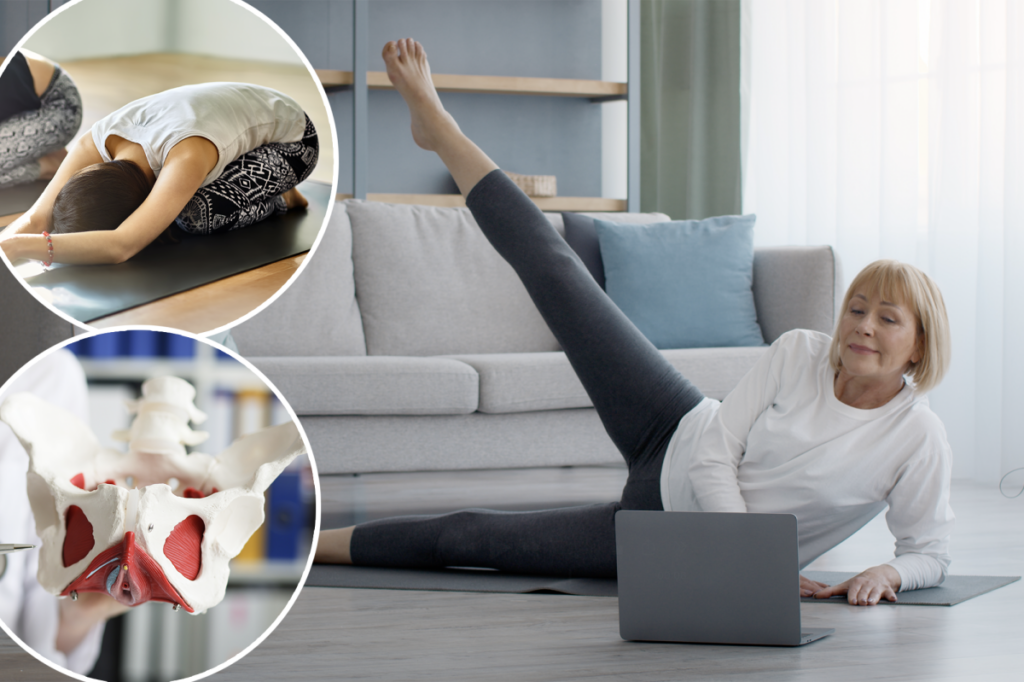
Counting on Kegels to manage menopause changes? It may not be the fix you think.
As estrogen levels plunge during the so-called change of life, the pelvic floor muscles that support organs like the bladder, uterus and bowel tend to weaken.
Many women turn to Kegel exercises — repeatedly contracting and relaxing these muscles — to strenghten them up, but experts warn that approach can sometimes backfire.
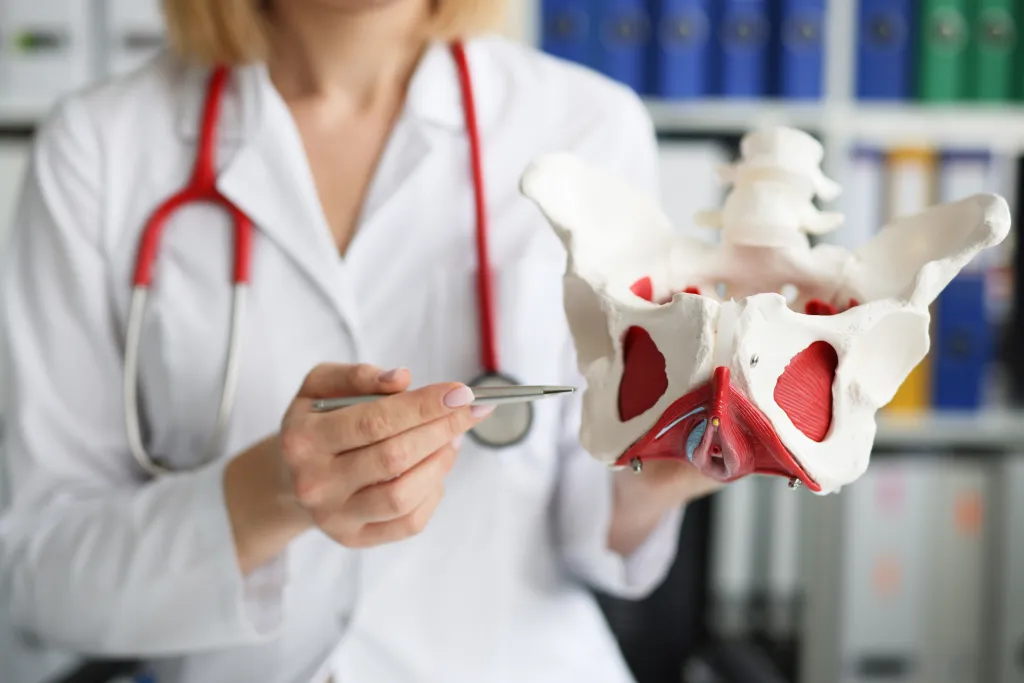
“One of the common challenges with the pelvic floor during menopause is that the muscles can become overly tight,” Lyndi Rivers, a sexuality educator and yoga therapist at Miraval Arizona Resort and Spa who specializes in the pelvic floor, told The Post.
That’s largely because the sharp hormonal drop reduces tissue hydration and elasticity, leaving muscles stiffer and more prone to staying contracted.
“If you do strengthening exercises on an overly tight pelvic floor, you can actually make them tighter,” Rivers warned.
The result can be a frustrating imbalance — muscles that are both tight and weak — undermining how they function and increasing the risk of chronic pelvic, hip and lower back pain. It can also contribute to problems with urination, bowel movements and sexual intercourse.
“I always try to think about how we can work on mobility,” Rivers said, noting that Kegel exercises focus only on contraction without stretching the muscles. “What are the opportunities where we can lengthen the pelvic floor as well as get a contraction?”

At Miraval Arizona, Rivers teaches a pelvic floor wisdom class that blends education with yoga-based movements aimed at building both strength and flexibility.
These are the four exercises she recommends women navigating the menopause transition do at home to strengthen their pelvic floors while also improving mobility.
Savasana with deep breathing
“One of the things I suggest people do if they want to have a healthy pelvic floor is first to have a really good diaphragmatic breath practice,” Rivers said.
To start, lie on your back on a mat or the floor, placing a pillow or bolster under your knees and a blanket under your head in a pose known as savasana.
As you lie quietly, focus on your pelvic floor with each breath.
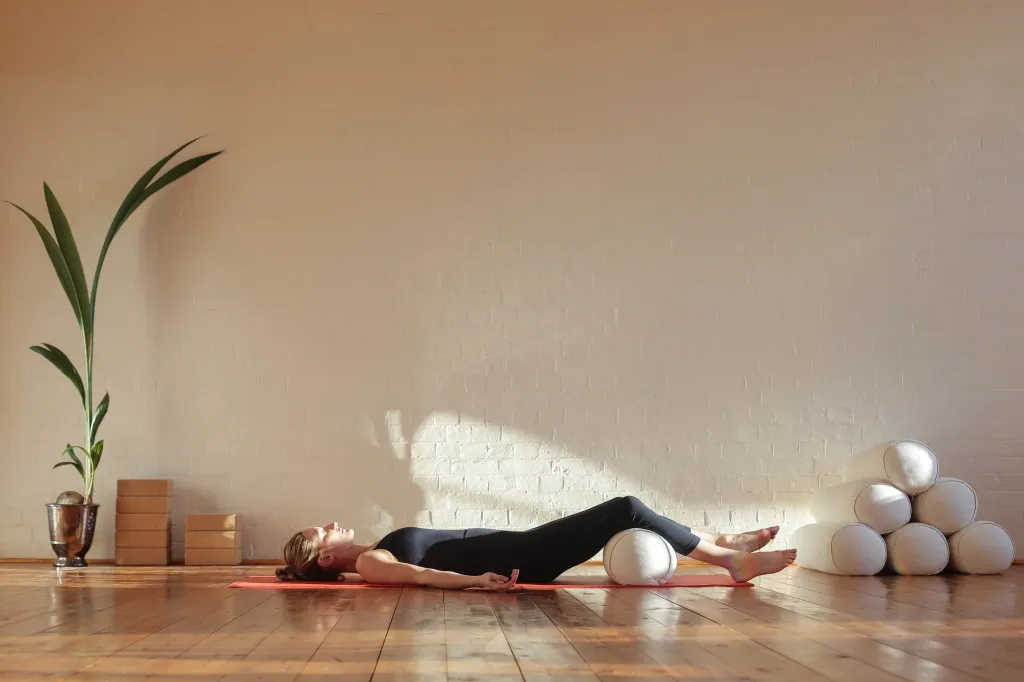
“It’s shaped like a diamond,” Rivers said. “On the inhale imagine your pelvic floor receiving the breath and the diamond getting bigger; on the exhale your pelvic floor releases the breath and recoils to its original size.”
After a few minutes of this gentle visualization, try a structured rhythm: Inhale for five counts, hold for three, then exhale for five. Repeat for several minutes.
“This brings energy and blood flow to your pelvis and supports the mobility and suppleness of your pelvic floor,” Rivers explained.
Child’s pose
“Another way to naturally lengthen and stretch the pelvic floor so we can have a better contraction is to do a child’s pose,” Rivers said.
Start on your hands and knees on a yoga mat, then spread your knees wide while keeping your big toes touching.
As you exhale, lower your hips to rest on your heels, then fold your torso between your thighs and bring your forehead to the floor.
You can extend your arms forward with palms facing down, or rest them alongside your body with palms facing up.
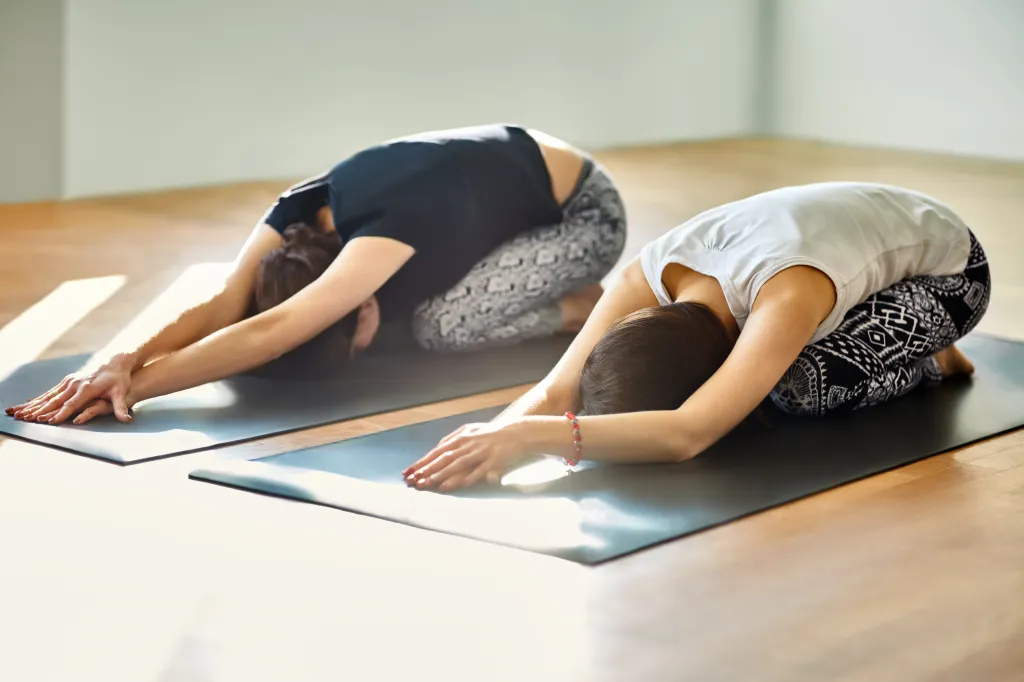
Once in position, relax your shoulders and take slow, deep breaths for several minutes, pausing briefly after each inhale before exhaling.
“Breathe into the pelvic bowl, visualizing the pelvic floor expanding on the inhale and relaxing on the exhale,” Rivers advised.
This pose helps relieve tension in the hips and back while relaxing the pelvic floor muscles, easing issues such as pelvic pain, incontinence and an overactive pelvic floor.
Bird dog
After child’s pose, move into bird dog, also known as sun dog.
“It provides the same contraction as a Kegel and allows for strengthening on each side of the pelvic floor,” Rivers said. “But it also stretches and lengthens the pelvic floor muscles.”
Start on your hands and knees on a yoga mat, with your wrists directly under your shoulders and your knees under your hips.
As you exhale, extend your right arm forward and left leg back, keeping them parallel to the floor and your pelvis neutral.
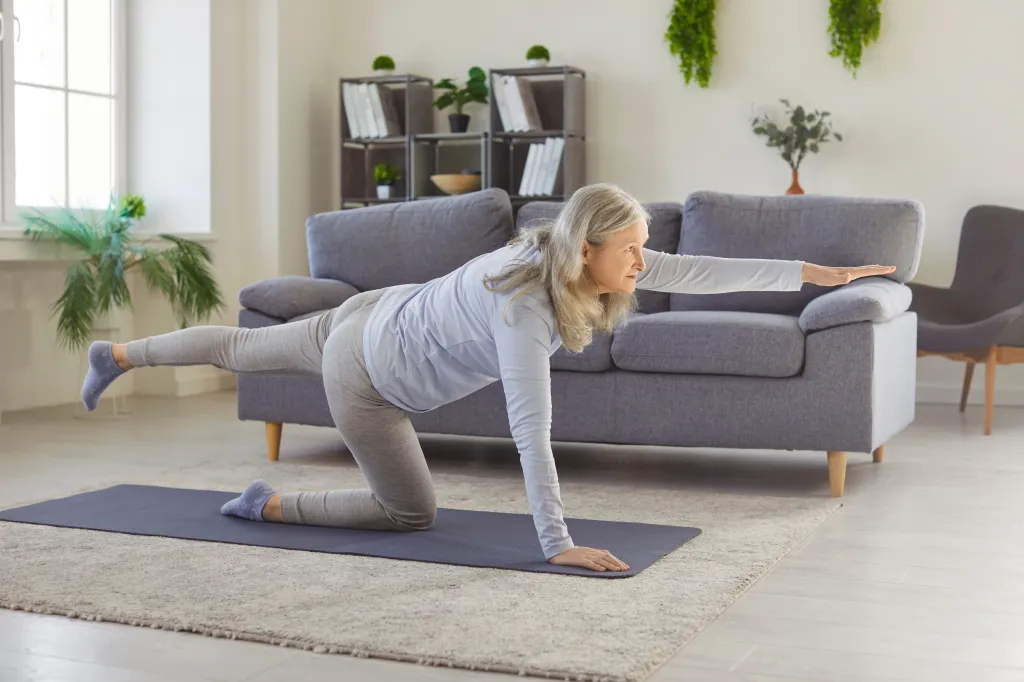
Hold for a few moments, then inhale as you lower your fingertips and toes back to the mat.
Repeat this flow eight to ten times, then switch sides for another eight to ten repetitions.
While in the pose, Rivers recommends breathing deeply into your lower belly, focusing on the expansion and contraction of your pelvic floor muscles.
Side lying leg lifts
Side-lying leg lifts can help relieve pelvic floor tension by engaging the surrounding muscles, including the outer hips and core, especially when paired with deep breathing.
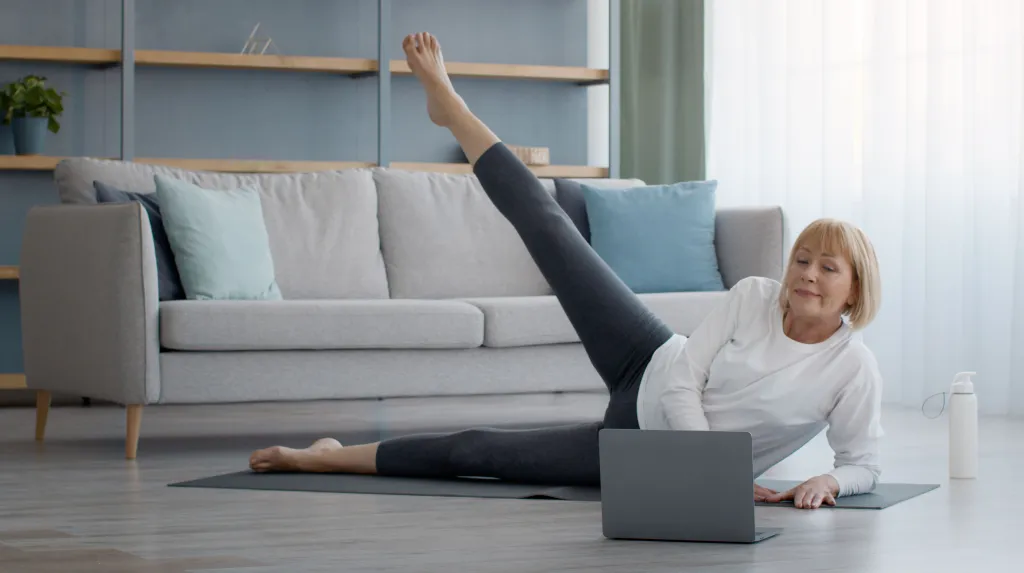
For this move, lie on your side in a straight line with you hips stacked.
Place your top hand on the floor in front of your chest for balance, then slowly lift your top leg toward the ceiling, keeping it straight and your toes pointed forward.
Raise the leg about 45 degrees, or as high as possible without shifting your pelvis or arching your back, then lower it slowly.
Repeat eight to ten times before switching sides.
An added bonus: Side lying leg lifts are highly effective for alleviating or preventing lower back and knee pain by strengthening the supporting muscles, improving stability and imbalances.
The post Why kegels can backfire during menopause — and 4 yoga poses to do instead appeared first on New York Post.