People come up with all sorts of weird pet theories for increasing sperm count. One of those is that abstinence amps up sperm count. There is a logic to it: if you don’t ejaculate, all that sperm builds and builds like a high-yield savings account. Unfortunately, that’s just baby logic. It has no actual scientific merit to it, as recently demonstrated by a study published in Proceedings of the Royal Society B.
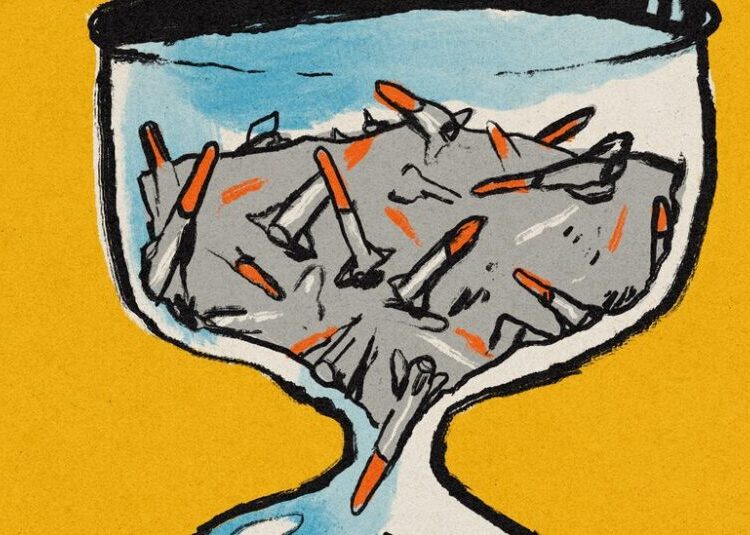
The research team found that sperm just waiting around inside the body isn’t accruing like a savings account, but rather degrading as it ages, losing its potency over time.
A large meta-analysis led by researchers at the University of Oxford examined data from more than 54,000 men and dozens of animal species. They found that longer periods of abstinence are linked to increased DNA damage, higher oxidative stress, and reduced sperm motility.
To put it as simply as possible: old sperm is worse than new sperm.
Quality Over Quantity When It Comes to Sperm
Obviously, this is one study and it will take more over the course of several years to confirm these findings before could be accepted as common knowledge, but if it proves true then it’s going against several years worth of recommendations from major organizations like the World Health Organization, which has long recommended abstaining from sex for 2 to 7 days before fertility testing or IVF based on the possibly incorrect idea that more sperm equals better chances.
If this team from Oxford is right, it’s not a matter of the quantity of sperm, it’s the quality. And if you want better quality, you’ve got to ejaculate more regularly so you can be out with the old and in with the new.
The team says that the problem is that sperm cells are fragile. They don’t have much of an internal repair system, and they quickly burn through energy, leaving them vulnerable to damage from reactive oxygen molecules. The body does its best to keep them alive, but all it does is slow the inevitable: sperm have a fairly brief shelf life. If you don’t put them to good use while they’re there, you’re going to have to release those to make way for some new ones.
Not Ejaculating for a Few Days Won’t Kill You, Though
Though the research team does describe the effects in humans as modest and not catastrophic. It’s not like leaving your sperm in for a few days is going to rapidly spoil them like mayonnaise left out in the hot summer sun. An extra few days will make or break conception. But within clinical settings like IVF, where squeezing out every bit of performance around the margins matters tremendously, fresh sperm collected within 48 hours of their creation may improve outcomes.
In animals, the data were a little clearer. Across species, stored sperm consistently showed declines in viability and fertilization success. Even embryo quality took a hit. The longer the animal sperm sat there unused, the worse it performed. Though females in some species seemed better equipped to store sperm long-term to protect the delicate little cells, thanks to specialized organs that provide the sperm with protective fluids and antioxidants that keep them viable for longer.
If you’re trying to conceive, there is no immediate rush to use your sperm right away, but do keep in mind that sperm is delicate and is not designed to last forever. It has a shelf life. It might be better to resupply rather than hoard.
The post Ejaculating More Frequently Has a Surprising Effect on Your Sperm appeared first on VICE.