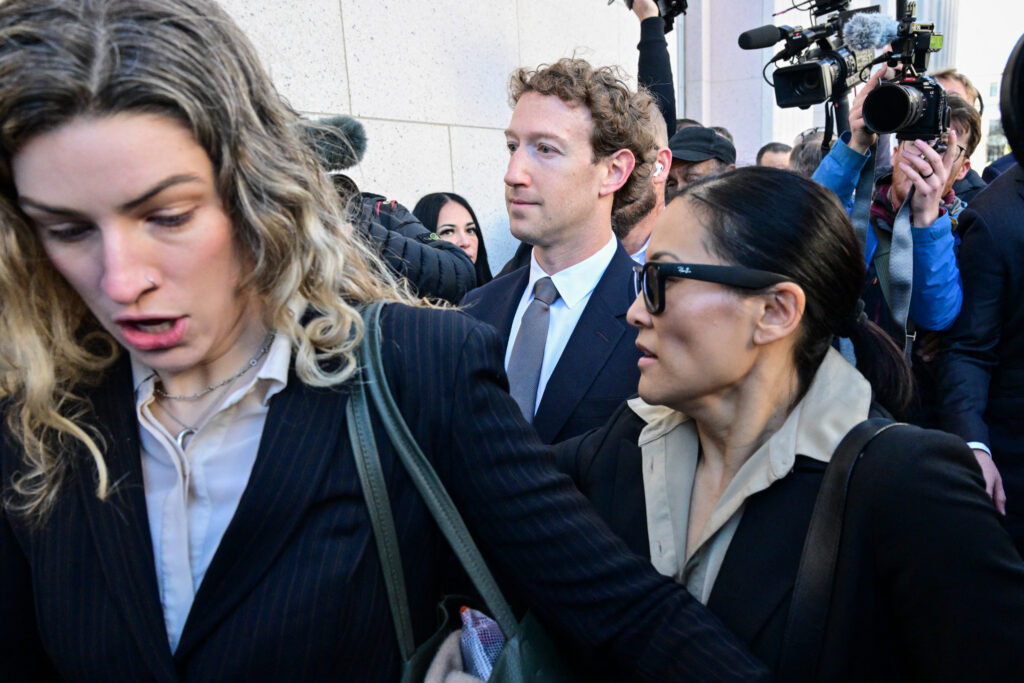
A Los Angeles jury, embracing a novel legal theory, awarded $6 million in damages to a young woman this week for her “addiction” to social media. The jurors found that Meta, which owns Instagram, and YouTube, owned by Google, were negligent in designing their products and failing to warn users about potential harms.
This blow to the First Amendment could be overturned on appeal, but it still risks opening the floodgates for trial lawyers to deluge courts with similar claims. In doing so, they invite a generation of kids and parents to abdicate personal responsibility by scapegoating companies for their own problems.
It’s undeniable that millions of young people struggle with mental health issues, and social media can seemingly make their situations worse. Yet comparing Big Tech to Big Tobacco is off.
Social media platforms are tools which, unlike cigarettes, have tremendous social value when used correctly. Shopping addicts do not get to sue Gap for purchases made online in the middle of the night. Parents who let their pre-teens read romantic fantasies do not sue the author or publisher when it turns out the material was too mature.
The Constitution’s protections for free speech do not simply protect what people say, but also how that speech is presented and curated.
Short of that, the lawsuit should have been thrown out because of the protections afforded by Section 230 of the Communications Decency Act. That law is clear that platforms are not legally responsible for posts by other users. In this case, the plaintiff’s lawyers got around that by focusing on the algorithms and promotion of content. They claim that the product’s design led the young woman to experience depression and body dysmorphia.
Allowing young children unfettered access to social media platforms obviously risks affecting their development and mental health. But it is not the fault of Meta, YouTube or any private business that the plaintiff obtained access to YouTube from the age of six and Instagram from the age of nine. Both platforms have age minimums of 13 years old, which means she was in violation of their terms of service.
No executive or programmer from either company was her parent or guardian. The trial revealed that she suffered from bullying by her peers and a stressful home life. Still, the defense highlighted that six months of notes from the plaintiff’s therapy appointments didn’t mention social media addiction or name any apps.
This is the first ruling in a series of coordinated lawsuits against social media giants, including one with 1,600 plaintiffs. The only real winners will be trial lawyers, who see the chance to make generational wealth by shaking down innovators who have created something valuable for society. The longer this continues to spiral, the more free speech comes under threat.
The post A blow against free speech in California appeared first on Washington Post.