The Department of Defense is pushing major defense companies to ramp up production of some of the most critical weapons in the US arsenal.
Recent deals between the Pentagon and some of the biggest arms makers aimed at substantially increasing production of missiles and interceptors speak to both the expected demand for these weapons and concerns about existing stockpiles.
The US military has relied heavily on weapons like Patriot interceptors, SM-series missiles, THAAD interceptors, and more in recent conflicts, including the US-Israeli war with Iran. Many of these are also systems that US military planners deem critical for a potential showdown with China.
THAAD missile defense system
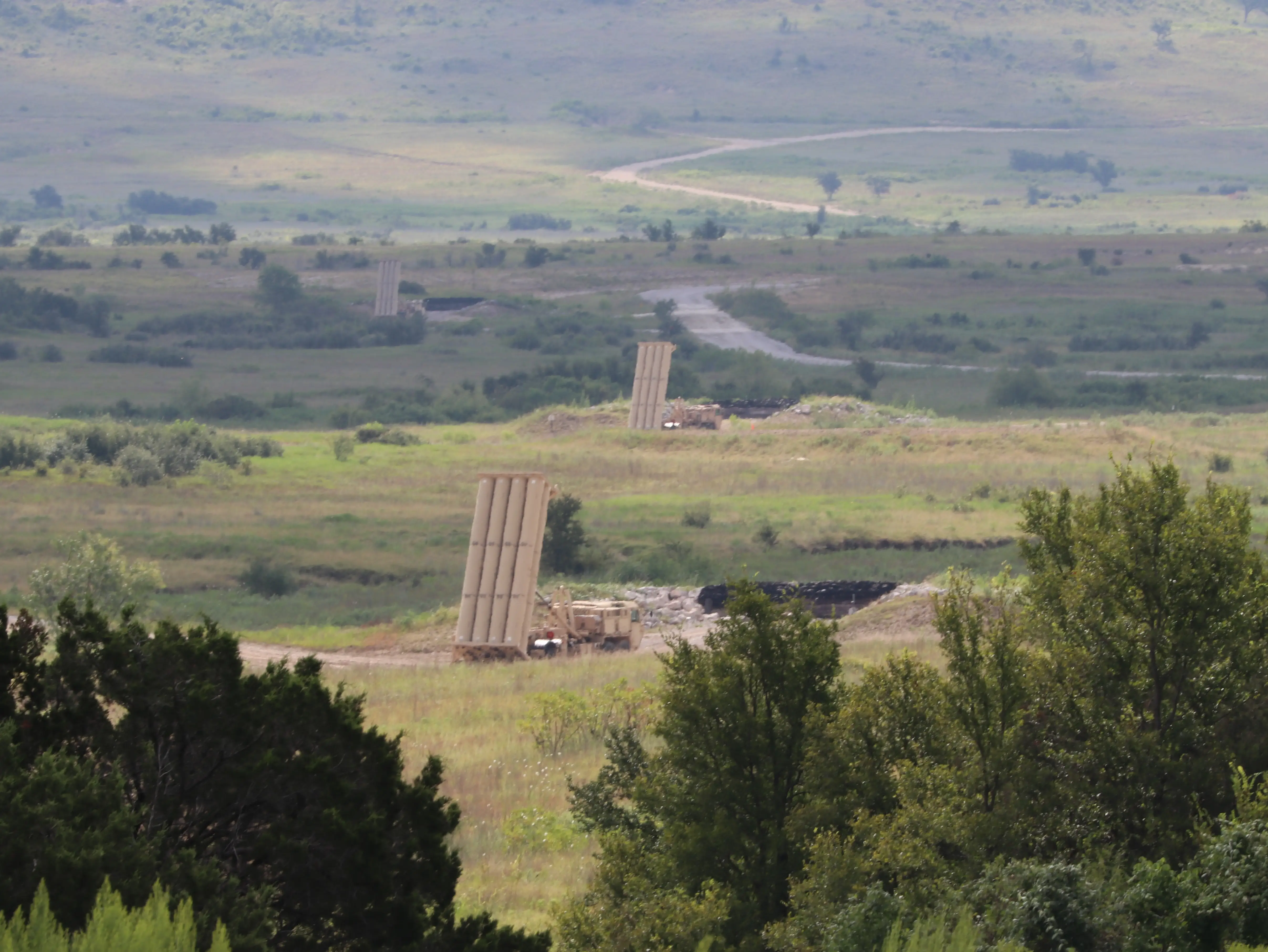
On Wednesday, the Defense Department announced an agreement with Lockheed Martin and BAE Systems to quadruple the production of seekers for Terminal High Altitude Area Defense interceptors. THAAD is designed to intercept short-, medium-, and intermediate-range ballistic missiles during the final phase of flight.
One of the most advanced ground-based air defense assets operated by the US, THAAD can engage targets at ranges of 93 to 124 miles both inside and outside the atmosphere.
THAAD interceptors strike the incoming missile directly rather than exploding nearby. The seekers, crucial missile components made by BAE Systems, are infrared sensors that enable interceptors to identify and lock onto targets.
The system’s interceptors themselves are also getting a production boost.
In January, Lockheed Martin said that it planned to quadruple interceptor production from 96 a year to upward of 400 a year over the next seven years. Each interceptor costs about $12.7 million according to Missile Defense Agency budgets.
THAAD saw its first combat engagement in 2022 against a ballistic missile launched by the Iran-backed Houthis in Yemen. Then in June 2025, the system intercepted Iranian missiles launched at Israel, with the US expending somewhere between 100 and 150 interceptors during the 12-day fight. The US also relocated THAAD batteries to the Middle East for its ongoing war against Iran.
SM-6 interceptors
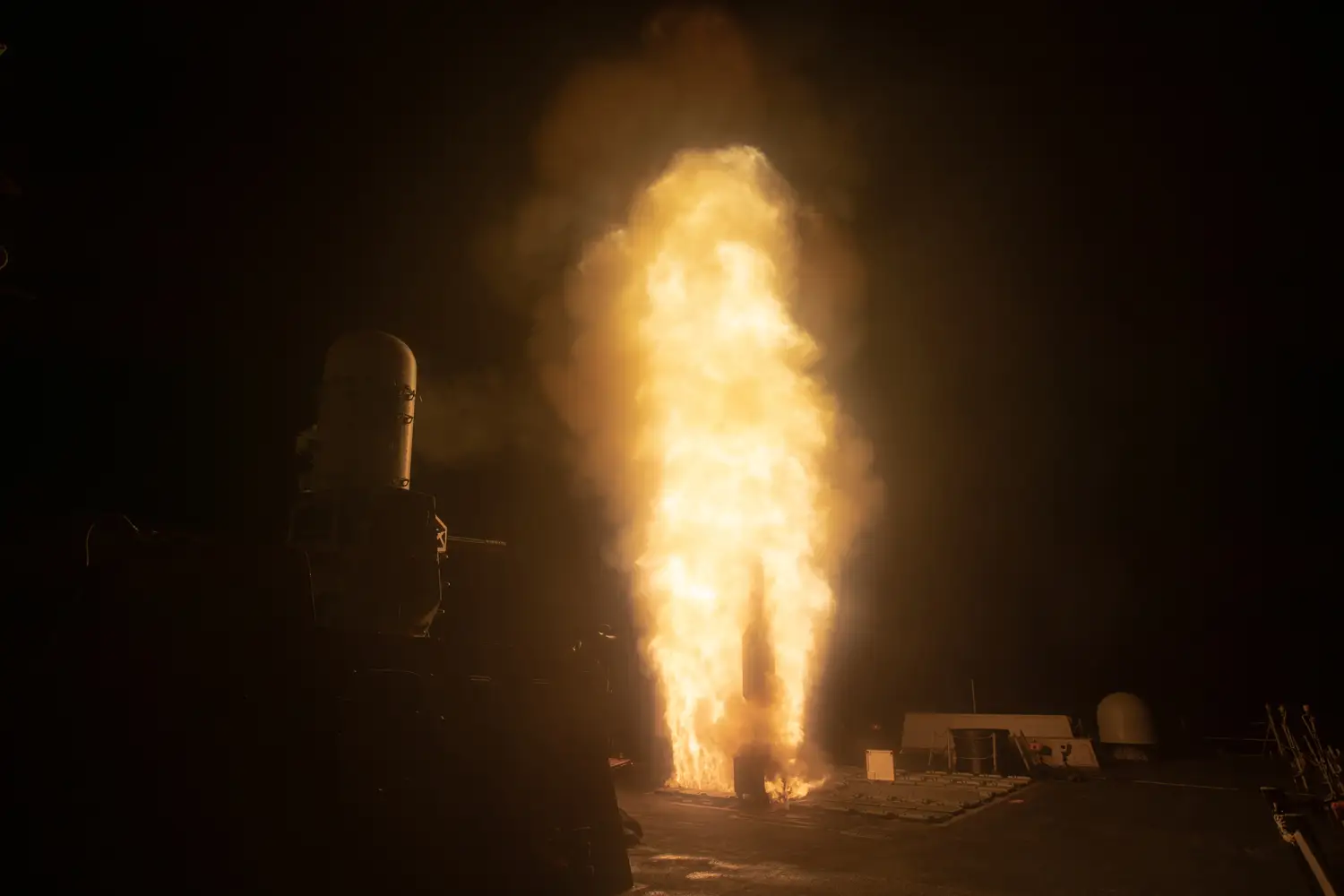
Earlier this year, Raytheon, a unit of RTX Corporation, said it would boost production of SM-6 missiles to over 500 annually, roughly a 300% increase compared to the previous rate of 125 a year, in light of growing demand for the system. The company has made big investments in new production facilities.
Each SM-6, an interceptor in the Standard Missile series, which also includes the workhorse SM-2 and SM-3, costs about $4 million. They’re most suited for defense against aircraft and cruise missiles, as well as terminal defense against ballistic missiles.
The US Navy has fired hundreds of SM interceptors in recent conflicts, particularly in the Middle East since October 2023. Officials have said the high expenditure rate is draining stockpiles, prompting DoD to pursue expanded production capacity so that the US has more of its best interceptors for high-end threats.
Raytheon is also increasing production of SM-3 Block IB interceptors and SM-3 Block IIA interceptors. Many of these munitions, the company said, will see double or quadruple their existing production rates.
Tomahawk missiles
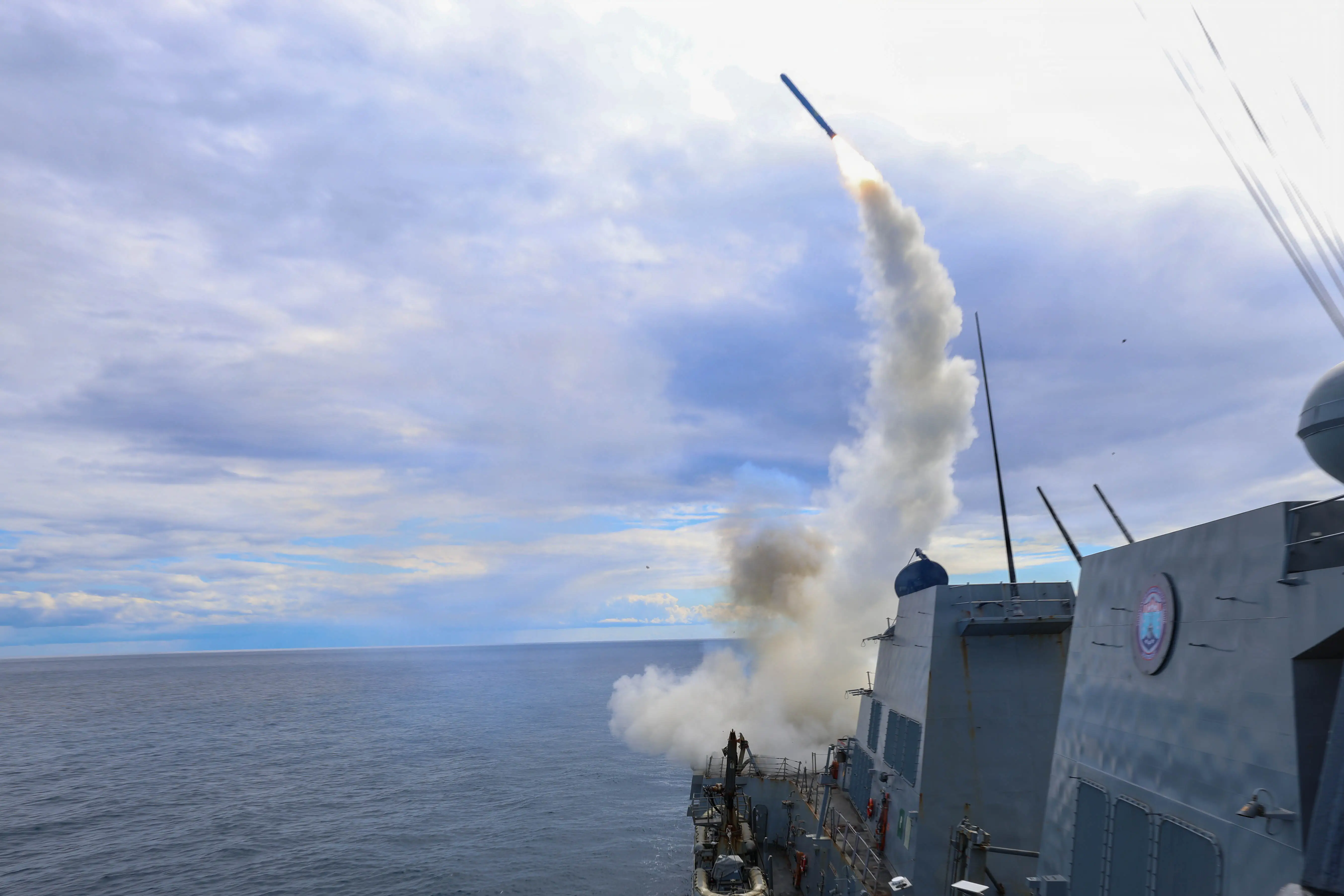
Raytheon will also bump production of Tomahawk Land Attack Missiles and the Maritime Strike variant to more than 1,000 per year. Tomahawks are cruise missiles with long-range and precision targeting, making them a weapon-of-choice in recent US operations in the Middle East and an ideal munition for a China fight.
The BGM-109 Tomahawk Land Attack Missile has been in service since the early 1980s. Each missile’s estimated price tag is around $1.3 million, and it can take up to two years to produce them.
The powerful weapon relies on multiple guidance systems, including GPS and onboard cameras that compare the target with reference maps, to navigate to and strike targets.
The heavy use of Tomahawks against targets in Nigeria, Yemen, and Iran over the past year has raised concerns among US officials and defense experts about stockpile burn rate and the need for replenishment. The US has repeatedly turned to Tomahawks for long-range precision strikes, often launching multiple missiles at a single target to ensure destruction.
Roughly 30 Tomahawks, for instance, were launched from an Ohio-class guided-missile submarine at Iranian nuclear sites during Operation Midnight Hammer, and over 135 Tomahawks were used in fights against the Houthis. A dozen more Tomahawks were fired at ISIS-affiliated targets in Nigeria last December, too. It’s unclear how many have been used in the ongoing fighting with Iran.
Patriot missiles
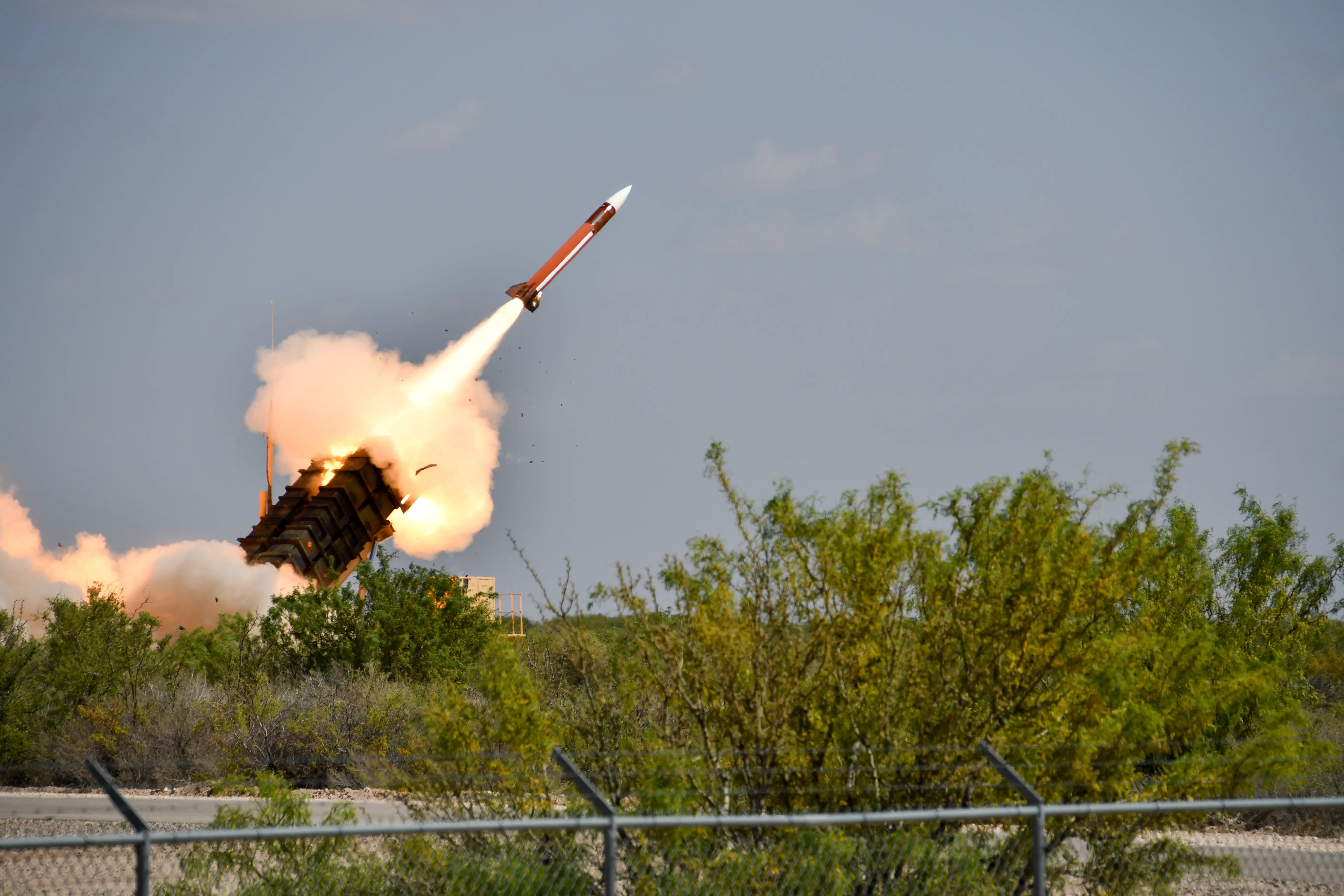
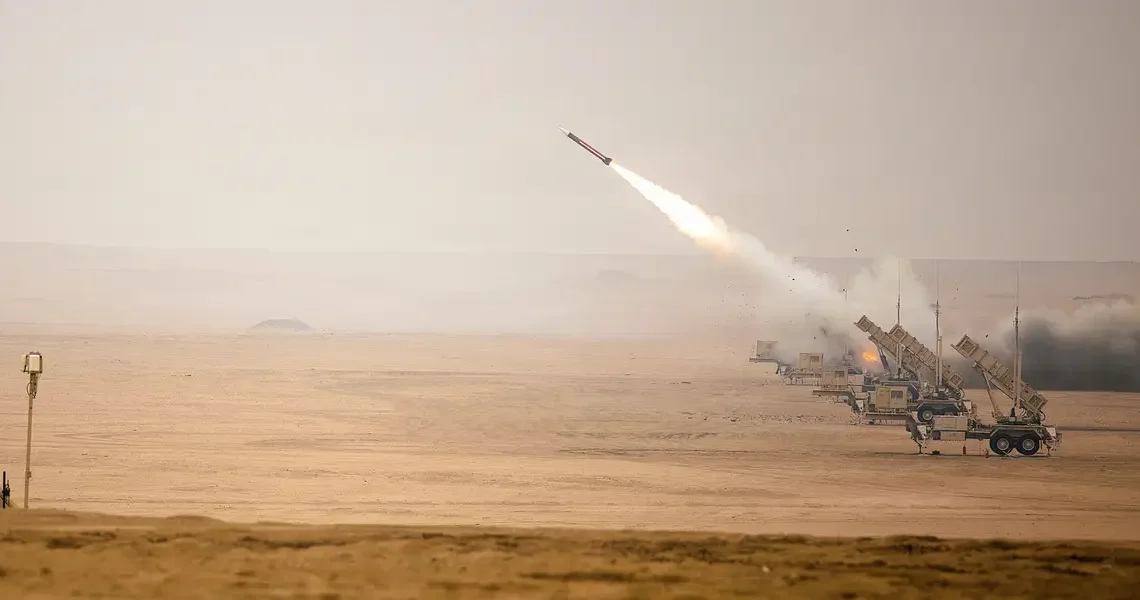
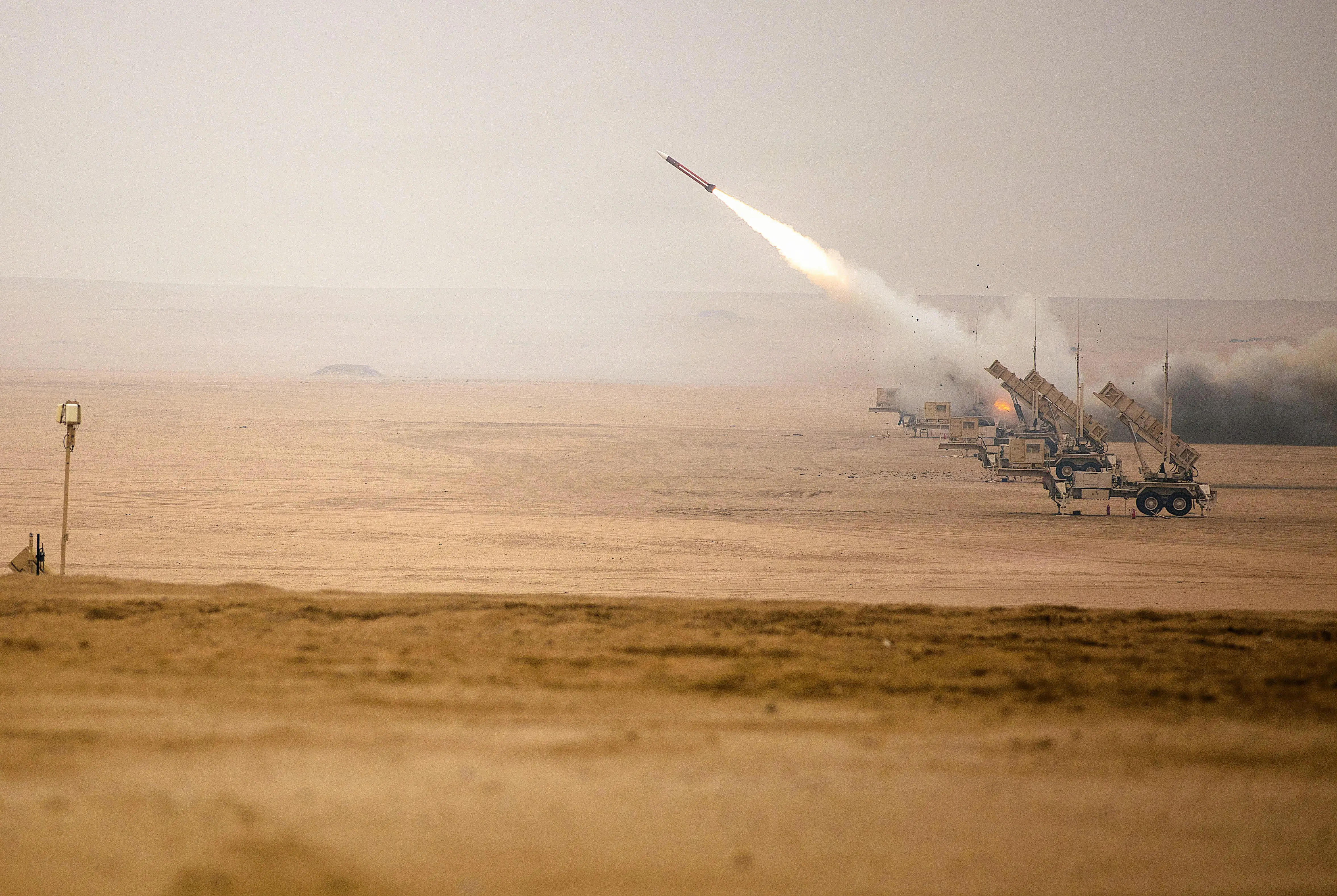
Another US weapon seeing notably increased production is the Patriot Advanced Capability-3 (PAC-3), interceptors fired by the MIM-104 Patriot mobile surface-to-air missile defense system. In January, Lockheed Martin and the Pentagon reached a seven-year deal to boost PAC-3 amounts from 600 a year to 2,000.
The demand for these weapons has been demonstrated by US forces, as well as American allies and partners.
Patriot air defense batteries, which comprise radar and control systems, launcher stations, and interceptor missiles, are among the world’s best air defense systems, detecting and intercepting ballistic missiles, cruise missiles, drones, and aircraft.
Patriots have seen combat since the Gulf War, and in recent years have been a core defensive element against Iranian missile and drone attacks against Israel and across the Middle East. 19 countries operate Patriots around the world, including European and Middle Eastern allies, demonstrating global demand for batteries and missiles, which take years to produce.
Like other weaponry in the US stockpile, Washington has transferred Patriots to Ukraine throughout its war against Russia. Ukraine has used its Patriots to intercept Russian missile and drone barrages, and its reliance on the weapon has strained stockpiles.
The US paused weapons shipments, including more Patriot interceptors, to Ukraine last year amid concerns about US stockpiles. US President Donald Trump later reversed the decision.
PrSM weapons
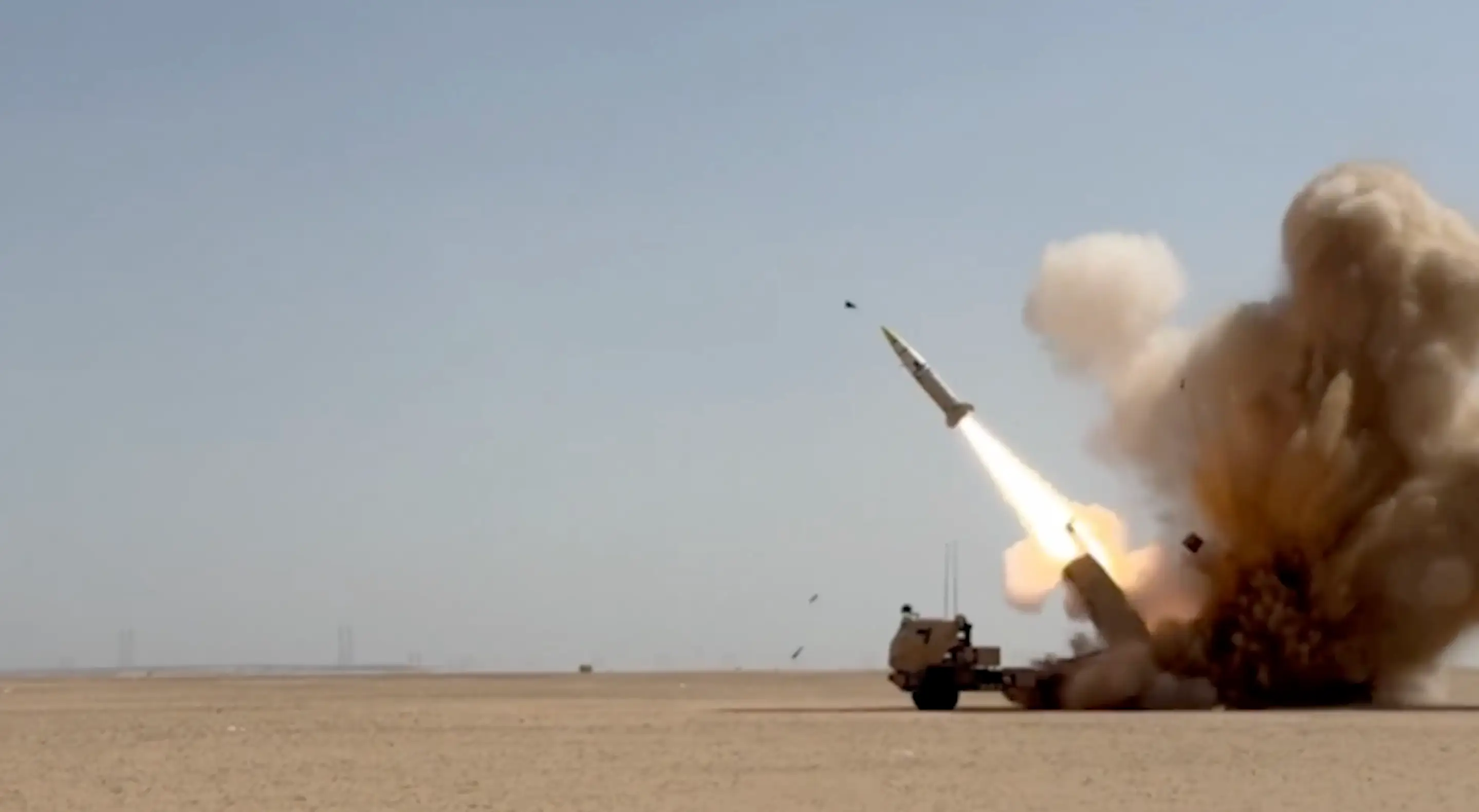
Also announced on Wednesday, the Pentagon and Lockheed Martin are in the process of accelerating production of the Precision Strike Missile, with the goal of quadrupling the number of missiles made to 400 a year.
PrSM is a new short-range surface-to-surface missile that made its combat debut this month against Iran, which Adm. Brad Cooper, the head of US Central Command, said was “a historic first” and “an unrivaled, deep-strike capability.”
PrSM can be fired from an M142 High Mobility Artillery Rocket System, or HIMARS, launcher and is estimated to cost $1.6 million on the low end.
Deeper arsenals
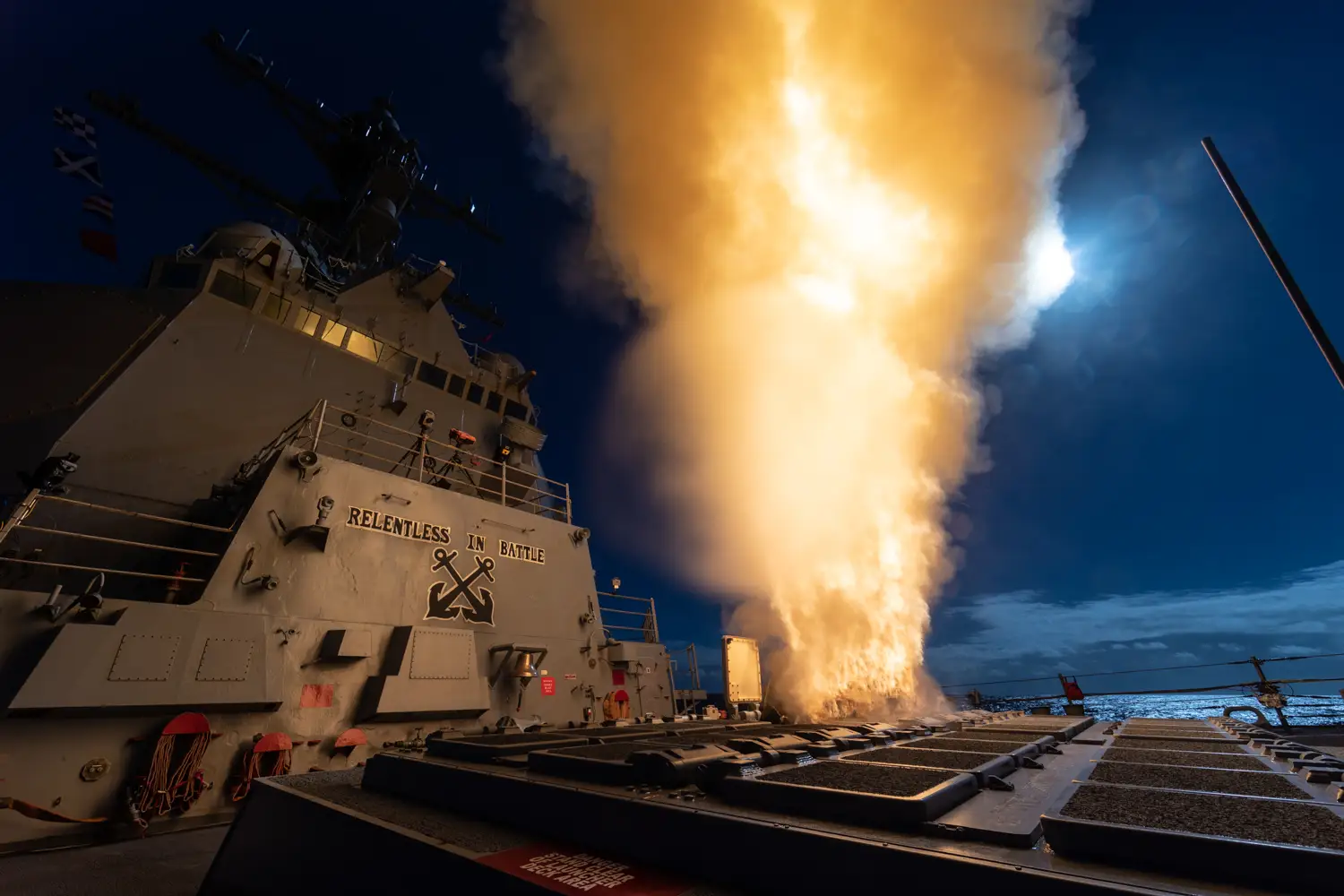
US officials have said that increased production of critical missiles and interceptors isn’t aimed solely at replenishing stockpiles but is instead about expanding them so that American forces have a greater number of munitions for high-end fights.
A key benchmark for such munitions requirements has been the possibility of a fight with China, which would require deep stockpiles of missiles able to engage land, maritime, and air targets, as well as robust air defenses for China’s missile threat.
Read the original article on Business Insider
The post The US military is pushing up production for the weapons that could matter most in a major war appeared first on Business Insider.