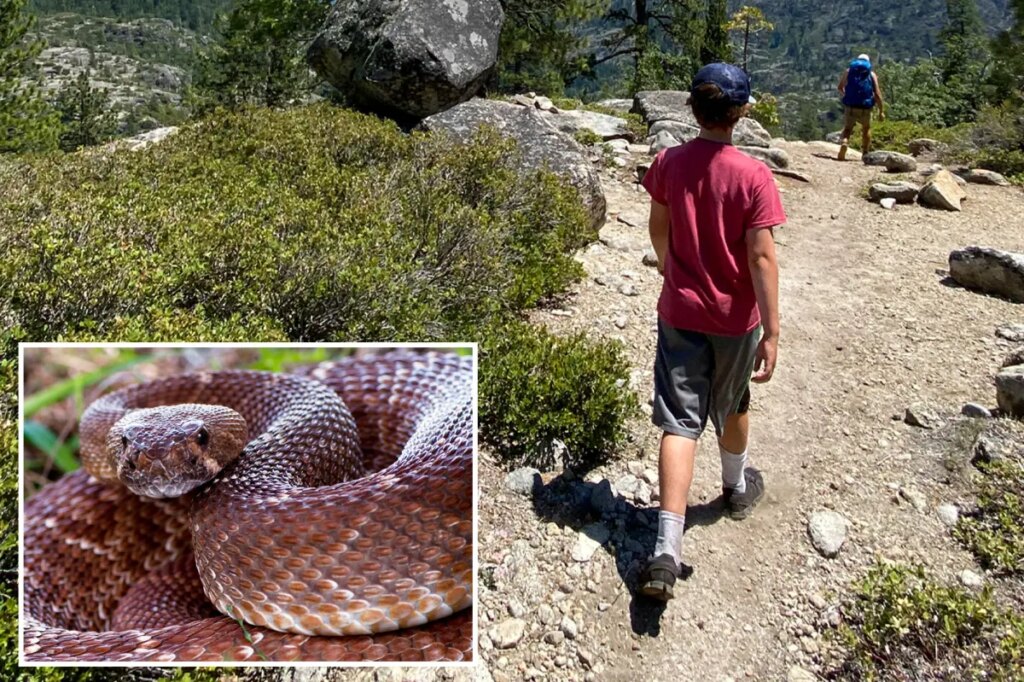
Southern California trails are turning into a danger zone as an early heat spike brings rattlesnakes out weeks ahead of schedule, prompting warnings from wildlife officials after a series of bites and at least two deadly encounters. In Ventura County, authorities say multiple rattlesnake bite reports have come in over the past two weeks, and one of them turned fatal. A 46‑year‑old Moorpark woman died after she was bitten while hiking in the Wildwood Regional Park area, and local officials stressed that, while bites do occur in the region, deaths remain rare. Just days earlier in the same county, a teenage girl was bitten near the Wendy Drive trailhead in Newbury Park while riding her bike. Firefighters hiked up the trail to reach her and she was taken to a hospital in stable condition with minor injuries.
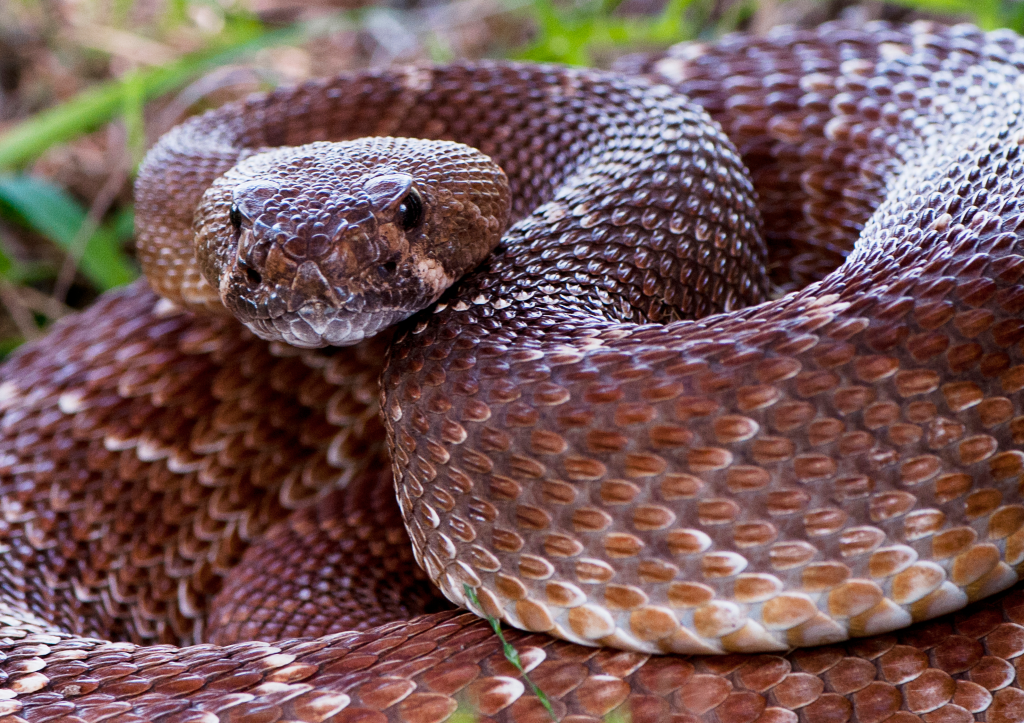
Southern California’s early snake season mirrors a similar tragic incident in Orange County, where a 25‑year‑old man who was bitten while mountain biking near Irvine in early February later died in March after his condition deteriorated. Officials and wildlife experts say warmer‑than‑normal temperatures are driving rattlesnakes out of their hibernation-like state of dormancy sooner than usual. The situation is so bad, it’s prompted the U.S. Forest Service to issue an alert reminding outdoor lovers that “as temperatures rise, rattlesnakes become more active in the forest.” San Bernardino National Forest rangers are urging hikers to watch their step and keep pets close. Rattlesnakes are shy by nature and usually avoid humans, but they will strike when surprised or threatened. They can strike at a distance of more than five feet, and several species native to the region, including the Western Diamondback and Southern Pacific rattlesnakes, are known for their potent venom. Experts say the early surge in sightings and bites is tied to a combination of dry conditions and unusually warm weather that has brought people outdoors earlier this spring. Officials advised that hikers stay on clear paths, avoid tall grass and brush, and give any snake plenty of space. They also repeated standard venom‑bite guidance: call 911 immediately, keep the bite victim still, keep the injured limb lower than heart level, and avoid tourniquets, cutting the wound, ice or sucking out venom. The recent spike in rattlesnake encounters underlines how quickly the natural world responds to changes in weather. With warm conditions expected to continue, authorities are urging anyone planning outdoor activities to be extra cautious and prepared, because in rattlesnake country, the danger is real and the season has hardly begun.
The post Summer of the serpent: Warning issued as yet ANOTHER rattlesnake bite turns deadly appeared first on New York Post.