A powerful weather system is sending multiple storms across the Middle East this week, bringing heavy rain that could add up to more than a year’s worth of precipitation over just a few days in some regions.
The United Arab Emirates, Saudi Arabia, Qatar and Iran could all face the possibility of flooding, forecasters said, along with the risk of hail, damaging winds, dust storms, tornadoes and waterspouts. The storms are arriving at a time when the war in the Middle East has caused significant upheaval and displacement in the region. It was unclear what impact they could have on any fighting.
The European Center for Medium-Range Weather Forecasts showed scattered storms moving across Israel and Lebanon during the day on Wednesday. By Thursday, however, the storms were expected to become more organized as they move south and east across Syria, Jordan, Saudi Arabia and Iraq. The storms are then expected to peak in intensity and frequency as they move over Iran and across the Arabian Peninsula from Thursday night into Friday morning.
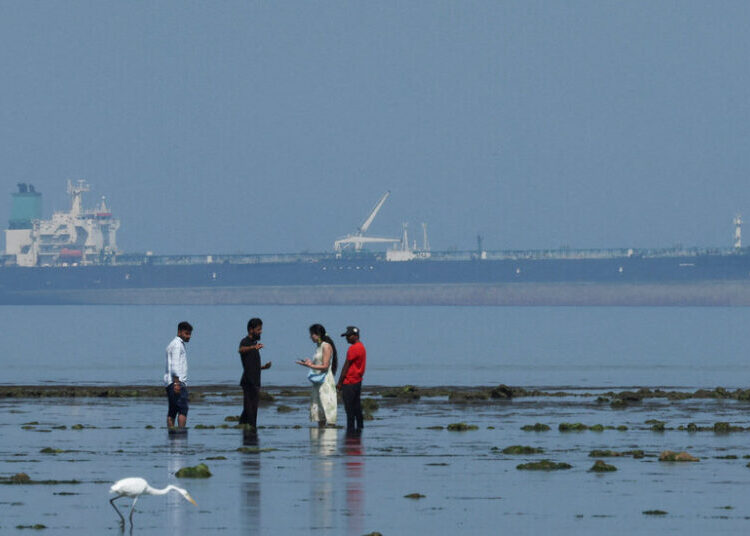
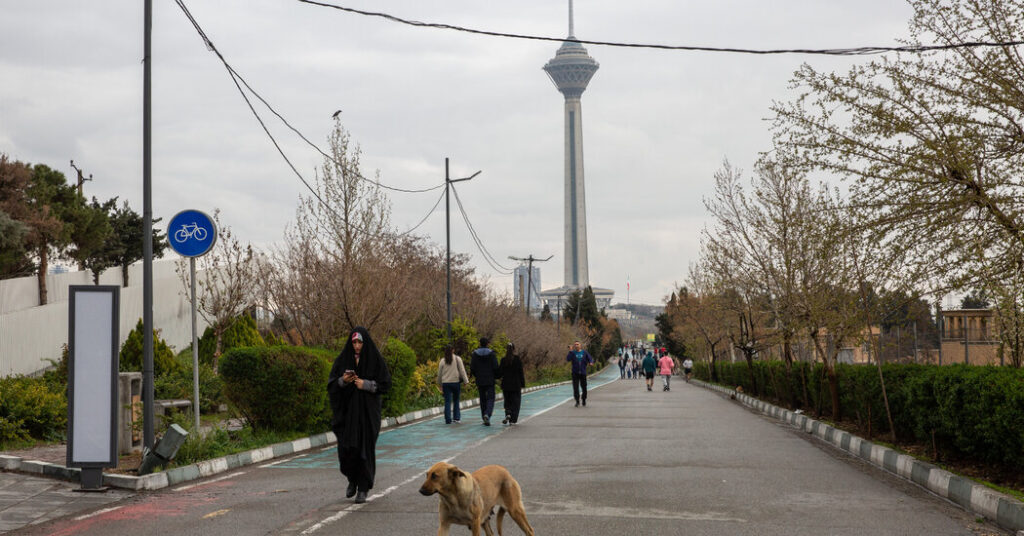
Some of the highest estimated rainfall rates of up to four inches per hour through Thursday night are expected over southern Iran, including areas near the Strait of Hormuz. The average annual precipitation in Bandar Abbas, the capital of Hormozgan Province in southern Iran, along the Strait of Hormuz, is around seven inches, according to climate information from the World Meteorological Organization.
Northern Oman is also at a high risk of thunderstorms. Oman Meteorology, the country’s official weather service, said the intense rain could lead to widespread and severe flooding in many low-lying areas on Friday.
The National Center of Meteorology, the official weather service of the United Arab Emirates, said the high rainfall totals were being driven by a cutoff low, a type of slow-moving weather system that can cause prolonged periods of heavy rain. The system, the center said, was being enhanced by moisture flowing from the Arabian Sea, leading to the development of thunderstorms across the country and bringing significant rainfall totals of nearly six inches, especially in eastern areas.
The United Arab Emirates typically records between 5.5 and eight inches of rain in a year. March is considered one of the wetter months of the year, while April usually sees a gradual decline as the country transitions toward summer.
In April 2024 a similar weather setup brought powerful storms to the region, killing at least 21 people across Oman and the Emirates and halting travel. Rainfall totals reached or exceeded the annual average in many places, with the highest total recorded in the Khatm Al Shakla area of Al Ain, where just over 10 inches of rain fell in less than 24 hours.
Forecasters said there was also the risk of other severe weather, including damaging straight-line winds of around 60 miles per hour, hail larger than golf balls and the possibility of a tornado or two.
According to the latest forecast models, the highest-risk area for brief tornadoes is expected over southern Iran, across the Persian Gulf and into the Emirates, Qatar and northern Oman.
Waterspouts — tornadoes that form over water or move from land to water — are also possible. The National Center of Meteorology in Saudi Arabia said waterspouts could be ruled out in the Red Sea, nor could the possibility of dust devils in some areas.
Additionally, haboobs, or intense dust storms, could develop across the Arabian Desert, reducing visibility and bringing gusty winds.
The storms are expected to gradually ease and move out of the region later on Friday, and drier and calmer conditions are expected by Saturday.
Nazaneen Ghaffar is a Times reporter on the Weather team.
The post Storms Forecast to Bring Heavy Rain Across the Middle East appeared first on New York Times.