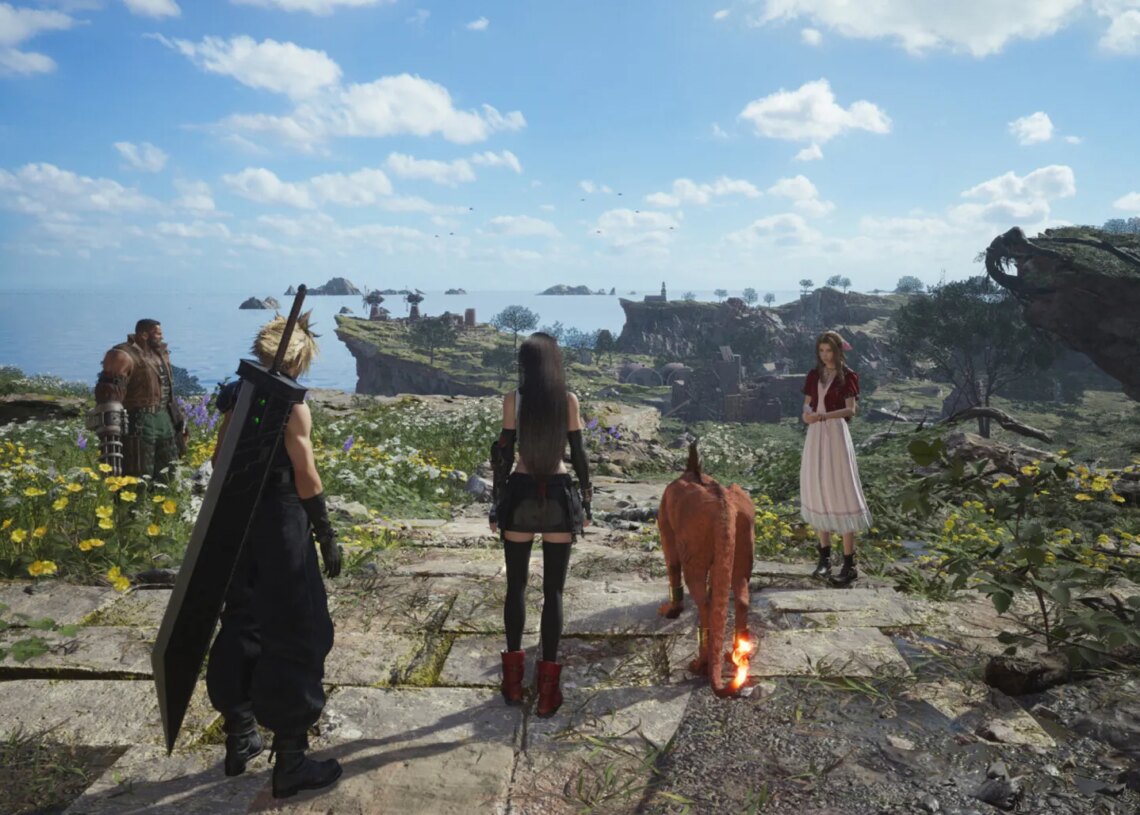
According to an in-depth scientific study of a phenomenon known as post-game depression (P-GD), there is one genre that seems to impact gamers at a higher rate and more deeply than the others.
What Is Post-Game Depression (P-GD)?
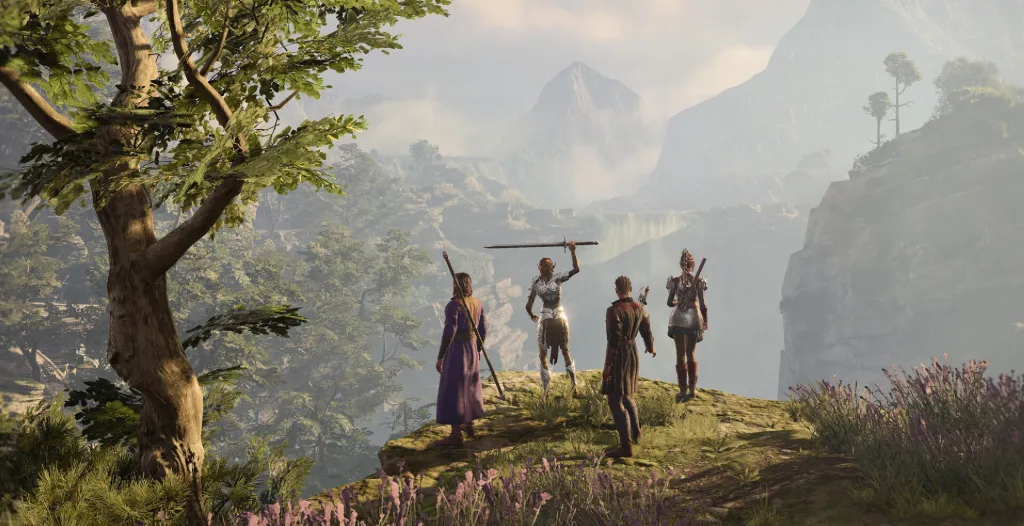
Gamers who have ever felt depressed after finishing a truly special game apparently are not alone. A study from the January edition of Current Psychology (originally spotted and reported by IGN) dives into the phenomenon. The study defines P-GD as the sense of emptiness that arises after completing a deeply immersive game.
According to the study, the common indicators of P-GD include:
- Some felt the ending came too soon
- Others struggled to accept that the game actually concludes (experiencing the end of a game-related experience as challenging)
- The realization that there would never be another first playthrough (being confronted with the impossibility of another first playthrough) leads to the feeling that the game could never again evoke the same level of tension, joy, or sadness.
- These feelings lingered for days or even weeks, resulting in media anhedonia – no other video game or form of entertainment seemed capable of filling that void, so to speak
A study from 2023 did a deep dive into measuring P-GD, wellbeing, emotional mood, positive mental health, rumination and reflection, as well as the type of game played.
Interestingly, the latest study went on to find that one particular genre of games was associated with the strongest P-GD.
Role-Playing Games Evoked The Strongest P-GD
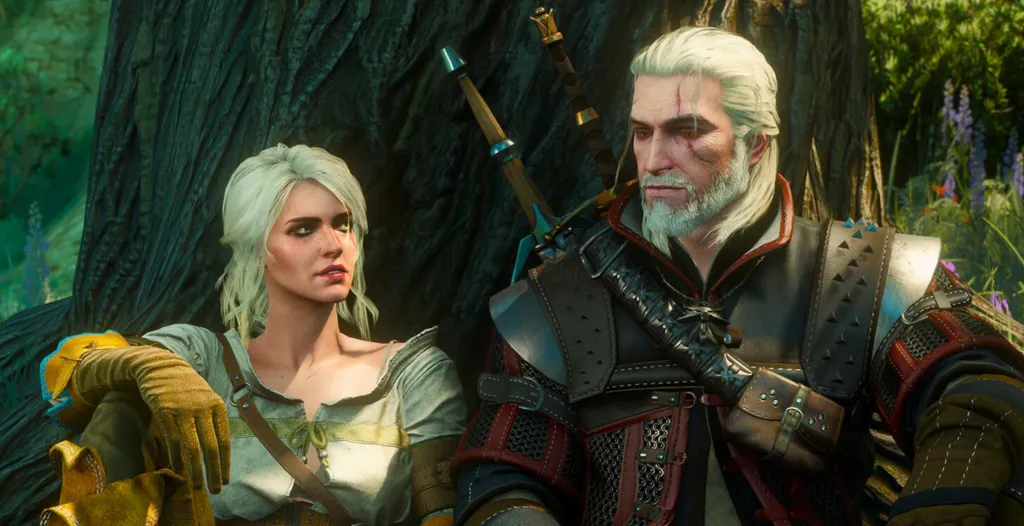
The study’s findings revealed that role-playing games tended to evoke stronger post-game depression than other genres of games:
“We observed positive correlations between the intensity of post-game depression and stronger depressive symptoms, tendency to rumination, and disturbances in emotional processing, as well as with lower well-being. Finally, role-playing games have been revealed to evoke stronger post-game depression than other games.”
There is no concrete explanation for why RPGs are the most impactful in this sense, but gamers could speculate that it has something to do with the length of the game, the depth of the characters, the immersive world experience, and the focus on narrative-heavy gameplay.
Additionally, RPGs allow users to take on more agency and fully identify with the playable character (or characters). This experience often can lead to more immersive gameplay sessions, similar to the experience tabletop gamers have when deeply immersing themselves in their Dungeons and Dragons characters.
The post This Genre Gives Players The Worst Post-Game Depression appeared first on VICE.