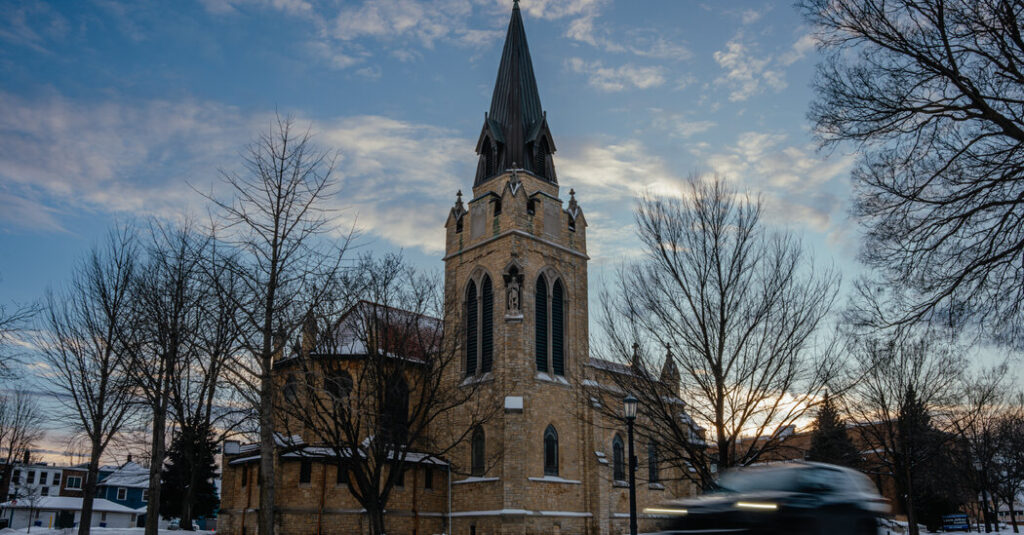
In an apparent case of mistaken identity, federal prosecutors have dismissed charges against one of the 39 defendants accused of disrupting a church service in January to protest the Trump administration’s immigration crackdown in Minnesota.
Unlike other aspects of the high profile case, which includes charges against the former CNN journalist Don Lemon, prosecutors drew no attention to, or provided an explanation for, the move, which was entered into the court docket late on Friday.
Charges against Heather Danae Lewis, 50, were dismissed with prejudice, which means the government cannot charge her again. The case has been pursued aggressively by the government, part of an effort to treat organized opposition to Trump administration initiatives as criminal conspiracies.
Brock Hunter, a Minneapolis attorney representing Ms. Lewis, said the government dropped the charges after Ms. Lewis demonstrated that she had not attended the Jan. 18 demonstration at Cities Church in St. Paul, Minn. Activists had targeted the church because a top U.S. Immigration and Customs Enforcement official, David Easterwood, serves as a pastor there.
Ms. Lewis was charged because she resembles a woman seen in video footage from the protest, Mr. Hunter said.
“I am glad this simple case of mistaken identity is finally coming to an end for me, and I am happy that my family no longer has to worry that I could be arrested again at any moment,” Ms. Lewis said in a statement. “This has been a stressful time for my family.”
The defendants were charged with two crimes: conspiring to violate religious freedoms at a house of worship and injuring, intimidating and interfering with the exercise of religious freedoms at a place of worship.
Representatives from the Justice Department and the Department of Homeland Security, which is leading the investigation, did not respond to questions about Ms. Lewis’ case on Saturday.
The dismissal was the latest setback for the U.S. attorney’s office in Minnesota, which has been crippled by an exodus of experienced career prosecutors, many of whom resigned in protest over the federal immigration operation this winter that resulted in the fatal shooting of two American citizens.
Last month, the office dismissed charges against two Venezuelan men it had charged with assaulting an immigration agent after investigators concluded that the agent appeared to have lied about the circumstances that led him to shoot one of the men, who survived. Days later, a judge dismissed a case against a man charged with unlawfully possessing a gun after prosecutors missed deadlines in the case.
Mr. Hunter said his client’s ordeal began the morning of Feb. 27 when federal agents pulled her over as she was driving and informed her they had a warrant for her arrest. Ms. Lewis, an engineer who said through her lawyer that she has not participated in activism, was dumbfounded, he said. Investigators took her to a federal building and interrogated her for hours as she sought to persuade them they had made a mistake, he said.
Shortly after Ms. Lewis was taken into custody in handcuffs, Attorney General Pam Bondi posted a statement on social media saying: “YOU CANNOT ATTACK A HOUSE OF WORSHIP.”
Mr. Hunter said he believes his client became a suspect after investigators obtained a search warrant for data from cellphone towers in an effort to identify individuals who were at a parking lot where the church protesters gathered before the demonstration. Ms. Lewis, he said, had been at the parking lot that morning to pick up items she had won at an auction.
Investigators obtained a driver’s license photo of Ms. Lewis and compared it against footage shot during the protest. One woman in the footage bore a strong resemblance, Mr. Hunter said.
Mr. Hunter said the government could have avoided the blunder if it had sent Ms. Lewis a letter informing her that she was under criminal investigation. That routine step in federal cases can clear up misconceptions before charges are filed or pave the way for plea deals early on.
Shortly before the dismissal notice was filed, the judge overseeing the case, Douglas L. Micko, chided the government in an order issued on Friday, saying prosecutors were moving too slowly in sharing evidence from the case with defense lawyers.
“Here we are, months into a case that the government had an intense appetite to initiate, but cannot seem to keep up the pace when it comes to discovery obligations,” Judge Micko wrote. “This is unacceptable.”
Ernesto Londoño is a Times reporter based in Minnesota, covering news in the Midwest and drug use and counternarcotics policy. He welcomes tips and can be reached at elondono.81 on Signal.
The post Charges Dropped Against Woman Mistaken for Protester in Minnesota Church Case appeared first on New York Times.
![‘Project Hail Mary:’ Yes, That Was Really [Redacted]](https://dnyuz.com/wp-content/uploads/2026/03/1774130703_Project-Hail-Mary-2-1024x576-750x536.jpg)