True Religion had to recognize some hard truths in order to turn its brand around.
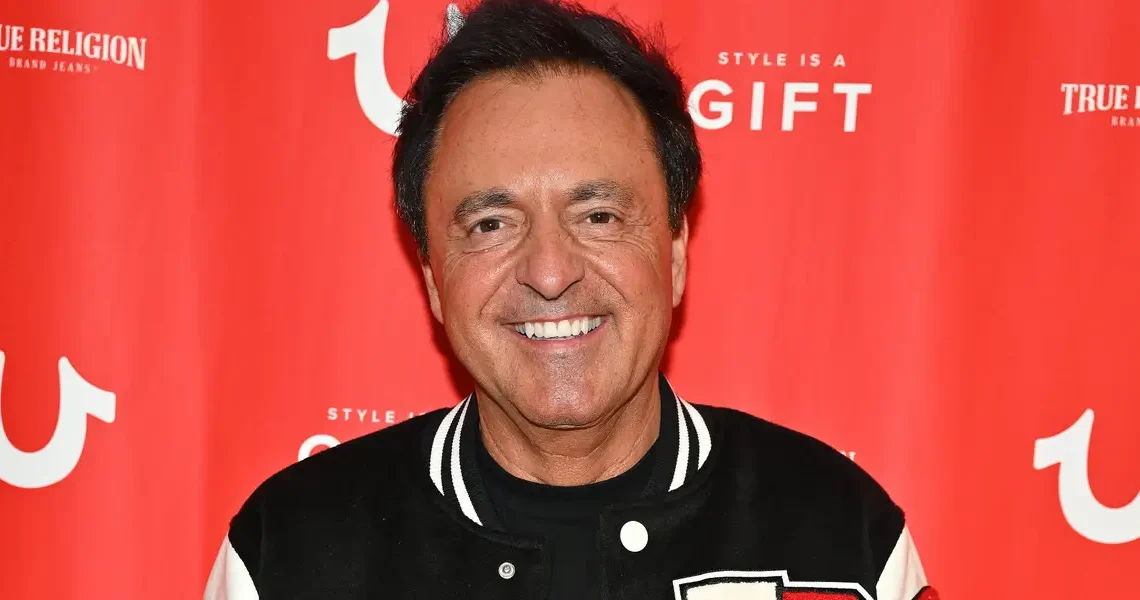
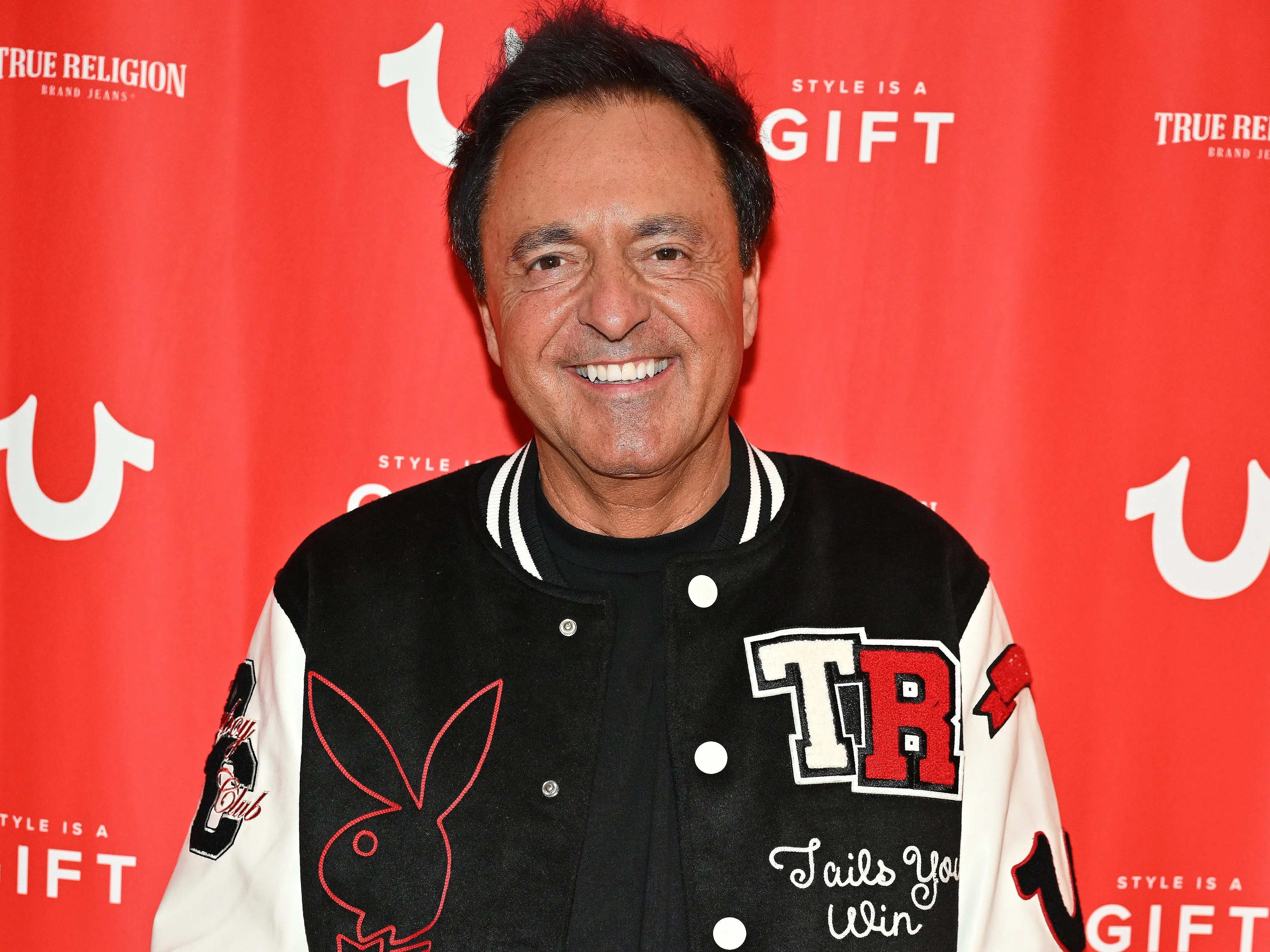
When Michael Buckley returned to True Religion as CEO in 2019, he inherited a company that was struggling to emerge from bankruptcy. Since then, he’s helped turn things around — doubling sales to $500 million from 2022 to 2025 — and now aims to reach $1 billion in revenue within five years.
He said the company didn’t reach an annual revenue growth rate of 20% last year by sticking to the strategies from its heyday in the early 2000s, when it was selling $300 jeans at stores like Saks Fifth Avenue and Neiman Marcus. It needed some serious reevaluation to get True Religion back on the path to a comeback, with its iconic horseshoe logo on the back pockets of stars like Kylie Jenner.
While the brand is still dwarfed by denim giants like Gap and American Eagle, True Religion has been building its comeback among a new generation of shoppers drawn to its Y2K heritage.
It started with getting to know its customers. The old True Religion shopper was niche, Buckley said. They shopped at Saks, Bloomingdale’s, and Nordstrom, and they came from households earning over $250,000.
“That’s not the consumer anymore,” Buckley told Business Insider.
The new True Religion customer
Buckley used consumer surveys to learn the ages, genders, and ethnicities of True Religion’s customers in the post-Y2K era. Today, he said the brand’s average shoppers are 15 to 45-year-olds from households earning about $65,000 a year.
True Religion needed to make the brand more accessible and inclusive to a wider audience without lowering prices, Buckley said. However, he said, the team understood that promotions are a key component.
“We know that the customer always expects to buy us on sale,” Buckley said.
It also struck new deals with stores like Dillard’s, Macy’s, and Urban Outfitters, where Buckley said True Religion’s customers like to shop both the sales rack and full-price items. In those stores, Buckley said the silhouettes of the early 2000s have come back stronger than ever in apparel. From baggy jeans to low-rise waists, Gen Z and Gen Alpha are getting on the trends of their parents and older siblings.
“We don’t create trends, we follow the trends,” Buckley said. “We make sure that we have our version of it because we know what the consumer wants.”
Staying true to its roots with a twist
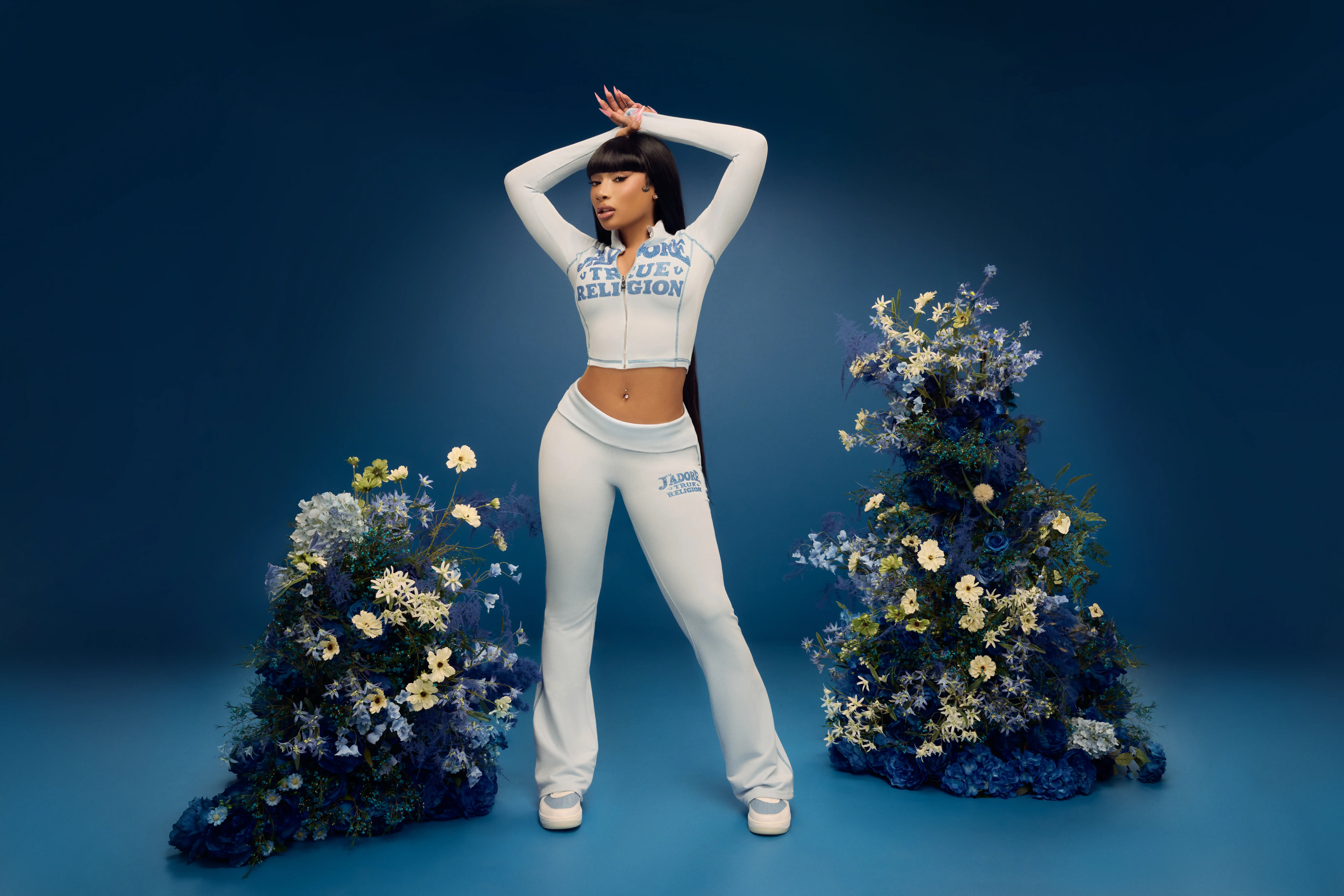
Buckley highlighted True Religion’s “big affiliation” with hip-hop, dating back to its early years. More than two decades later, the brand is tapping into that relationship through its social media partnerships with celebrities and influencers.
Its most recent advertising campaign stars rappers Megan Thee Stallion and Key Glock. A 2024 Instagram post featuring Megan Thee Stallion is still True Religion’s best-performing in its history, the company said.
“We know what our consumer likes,” Buckley said. “We know what artists they like, who they aspire to be, and who moved the needle for us.”
Buckley also expanded True Religion beyond jeans. From 2006 to 2010, 80% of its sales came from denim jeans, the company said. Today, 60% of the business comes from other apparel, such as T-shirts, hoodies, and joggers.
Its biggest opportunity is also a challenge
The Y2K-revivial led by Gen Z is a major opportunity for True Religion, Amy Leverton, CEO of denim-focused consultancy Denim Dudes, said.
“It’s a return to more expressive, identity-driven denim after this decade of minimalism,” Leverton said.
Brands like Von Dutch, Baby Phat, Juicy Couture, and Ed Hardy have had their own resurgences as the trend continues to capture young people.
Leverton said True Religion will have to figure out how to ride the wave of relevance into a profitable future. Fashion trendsetters are already pondering what the next big trend will be after Y2K.
“When things quiet down. because they’re going to, it’s like a pendulum that goes from side to side,” Leverton said. “It’s going to move away from this Y2K thing.”
Buckley said True Religion is spending 10% of its annual sales on marketing, and it will have to keep leaning into that marketing investment to keep up with powerhouses like Gap, which has had a slew of viral partnerships in the last six months.
The key, Leverton said, is staying true to its brand identity and tapping into its DNA.
The signature thick stitching, the horseshoe logo, and its presence in hip-hop are all elements that thrust True Religion back into the cultural conversation in 2026.
Read the original article on Business Insider
The post How True Religion turned a Y2K throwback into a $500 million comeback appeared first on Business Insider.