The leaders of the robotaxi industry are trying to prove their self-driving technology can scale. Safety is table stakes. The challenge now is to make a profitable business case.
Motional, a Boston-based robotaxi outfit, believes this is the differentiator — so much so that the company stopped short of launching a commercial service with Uber and Lyft two years ago.
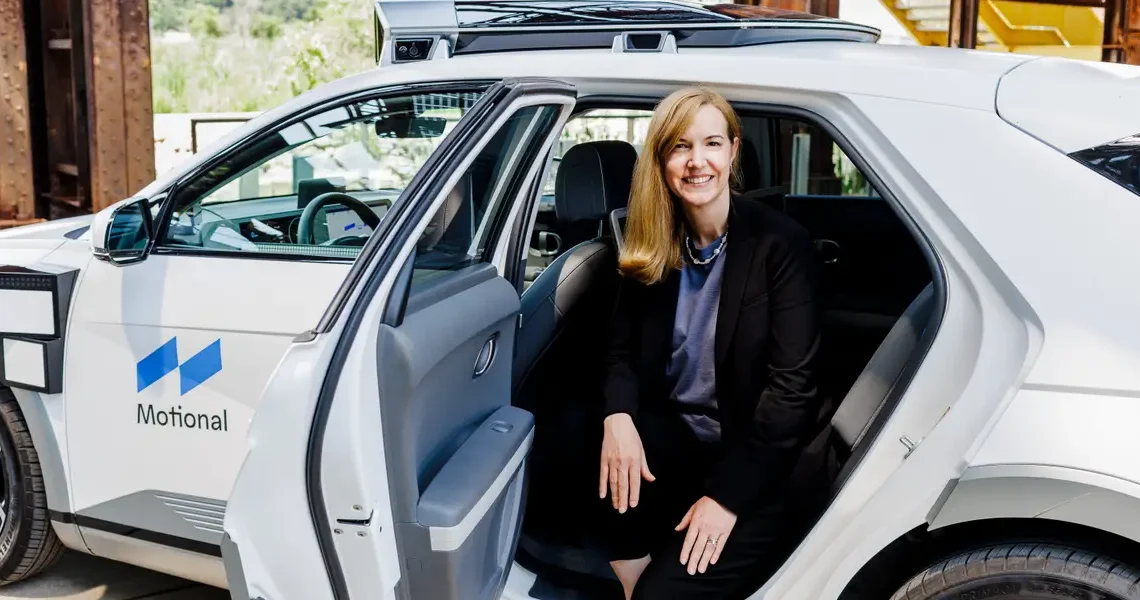
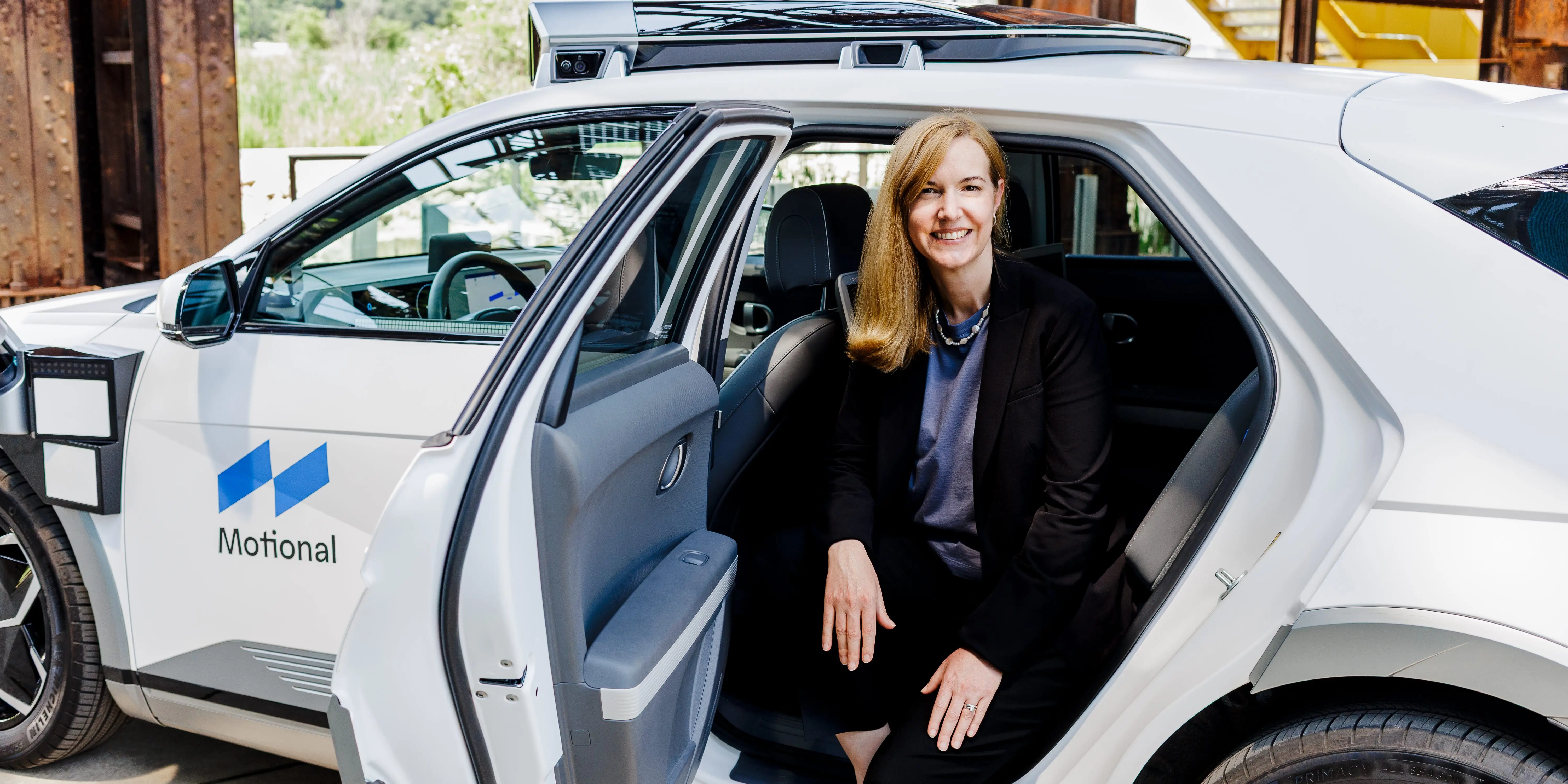
Laura Major, Motional’s CEO since 2025, called it a “hard decision.”
“We were in a time where it was very expensive to launch and to deploy, so we were seeing the scaling costing more and taking more time,” she told Business Insider. “Then there was this new opportunity with AI and all the breakthroughs with ChatGPT and large models.”
After a massive round of layoffs, an overhaul of the underlying self-driving tech, and a new ownership structure that gives Hyundai Motor Group a majority stake in the company, Motional is back on its feet, with a team that’s a fraction of the size of Waymo’s and a partnership launch with Uber.
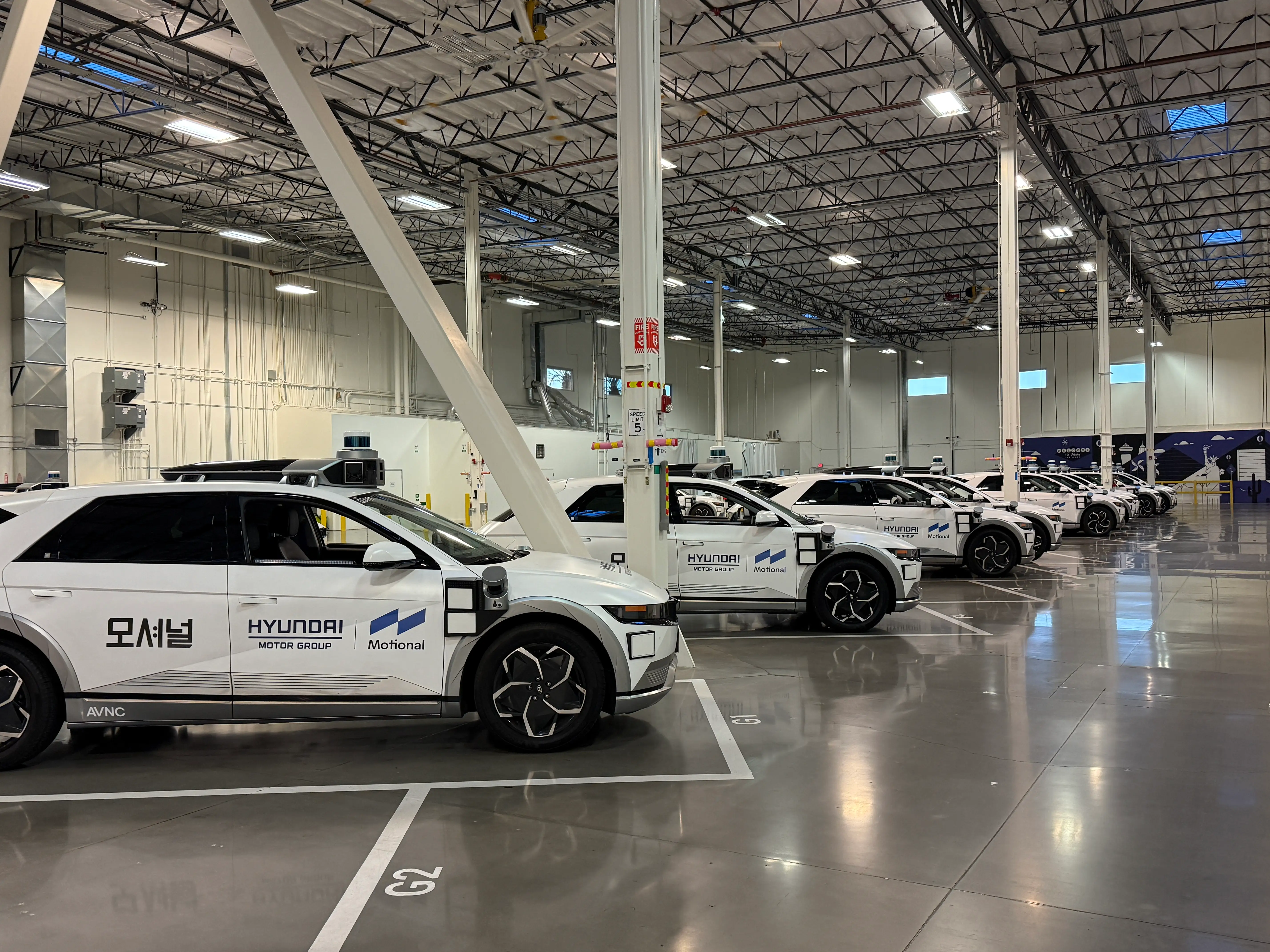
On March 13, Motional began offering rides in limited parts of Las Vegas through the Uber app. For now, rides will have a safety operator behind the wheel. Motional said it will deploy a fully driverless service by the end of 2026.
Business Insider talked to Major in San Francisco during the week of Nvidia’s AI conference, GTC. The chip maker also announced major expansion plans for robotaxis, including its own partnership with Uber.
Here are 5 takeaways from our conversation.
Motional’s comeback is a cost story
Cost was key to Motional’s relaunch.
Major said Motional didn’t pause its commercial service because its technology didn’t work, but because the old way of building robotaxis was too expensive to scale.
She said the key shift was moving from a patchwork of specialized models — each requiring heavy engineering and retraining — to a smaller number of so-called “Large Driving Models” that can better adapt across different geographies.
Motional slashed about 40% of its workforce in May 2024. Today, the company has a team of 700.
“If you think about the amount of time invested, money invested — where are the different players, if you look at it from that angle, we’ve spent a lot less than Waymo,” Major said.
Alan Hall, Motional’s spokesperson, said during the conversation that it’s “cost per mile,” rather than flashy features, that will separate the winners and losers.
“You want to take the cheapest ride,” Major added.
Hyundai gives Motional a deployment edge
Several companies, including Waymo and Avride, are relying on Hyundai, the South Korean automaker, for their robotaxi fleets. These companies bulk-order Hyundais so they can retrofit the cars with sensors later.
Major said Motional’s relationship with Hyundai is “very different” and more integrated. The two co-design the cars to optimize for cost, and Hyundai can deliver cars off the production line with the sensors and the compute power already installed. That way, Motional avoids the “huge cost” of building robotaxis in batches.
“When we get the cars, it’s ready to drive in auto that day,” she said.
Safety drivers smooth out rider logistics
It’s now an industry standard to let riders try a robotaxi service before it completely removes the human driver. Waymo has done it, Tesla is doing it, and now so is Motional.
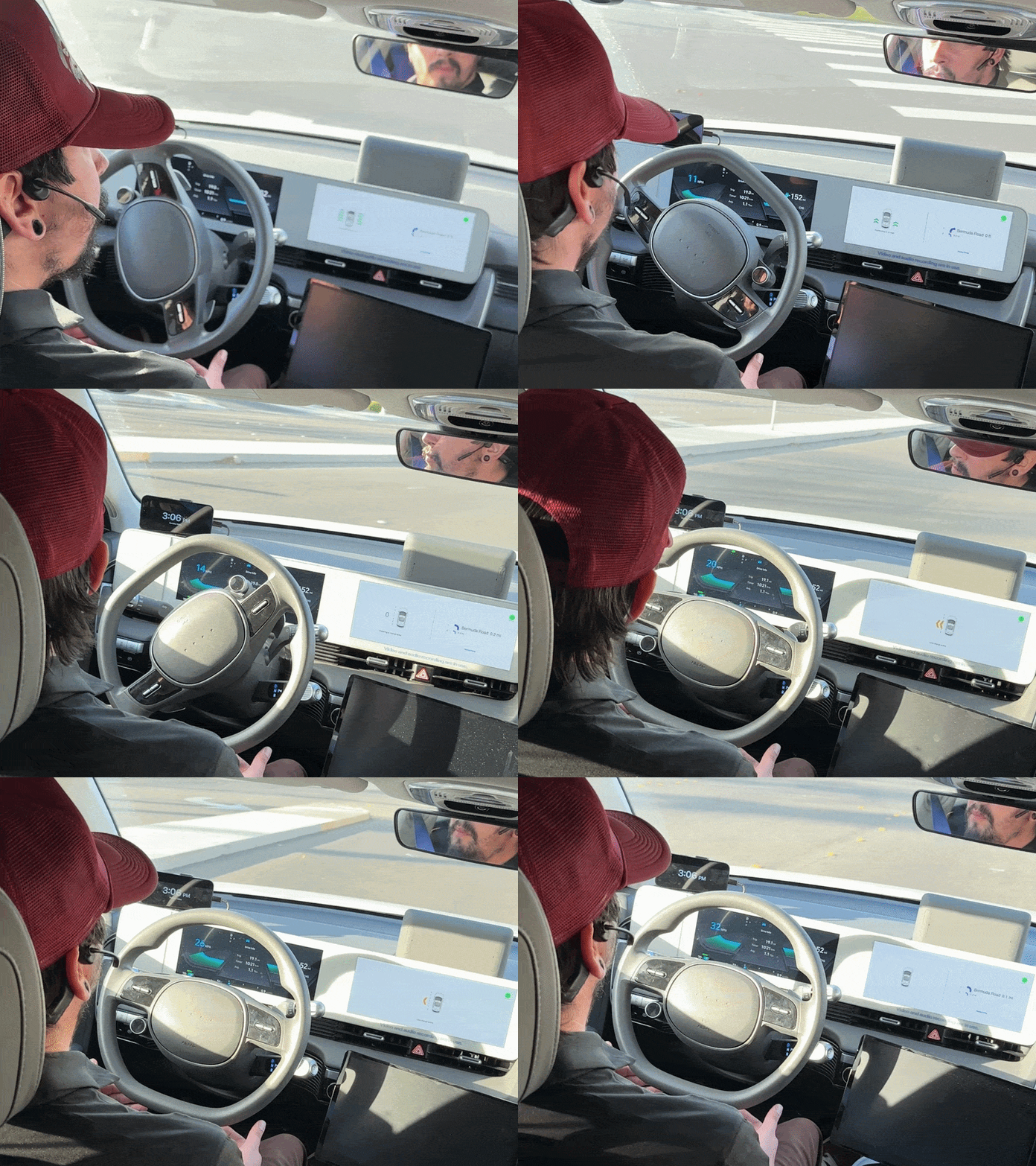
In Motional’s case, Major said using the safety operator is less about solving the driving task and more about addressing the messy side of taking real-world passengers: how to handle pick-up and drop-off, or riders leaving the door open or not buckling their seatbelts.
“We wanted to keep a human supervisor in the car to help make the experience good, operate as if we’re driverless, but be able to identify when the person is need and make sure we iron out some of those logistics and details so that when we pull the driver out, those kinds of things don’t create a nuisance or challenge for the riders,” Major said.
Motional sees partners handling operations
Motional will handle maintenance of the fleet for its Las Vegas deployment, but Major said this was not the “end goal” for the company.
The CEO said the future is pointed toward partnerships with other companies with “lean” robotaxi operations and licensing Motional’s technology to those outfits.
“The deployments is one area where we plan to transition to other partners in the future,” Major said.
The Uber partnership is the business model
Major was clear that partnering with Uber and other ride-hailing platforms is Motional’s go-to-market strategy. The company has no plans to launch a proprietary app.
“There’s already a clear reach to a majority of ride-hail customers through Uber and Lyft,” she said. “So we think it’s a distraction to try to build a competing ride-hail platform.”
In return, Uber gets multiple robotaxi players providing the technology stack, rather than relying on a single company that could develop its own platform, Major said.
Read the original article on Business Insider
The post Hyundai’s Motional wants to deploy robotaxis at lower costs. Here are 5 takeaways from our chat with the CEO. appeared first on Business Insider.