Was there a New World order we didn’t know about?
The discovery of a 2,000-year-old Roman artifact in Mexico could upend our understanding of the New World, raising the possibility that Italians arrived in the Americas long before Christopher Columbus.
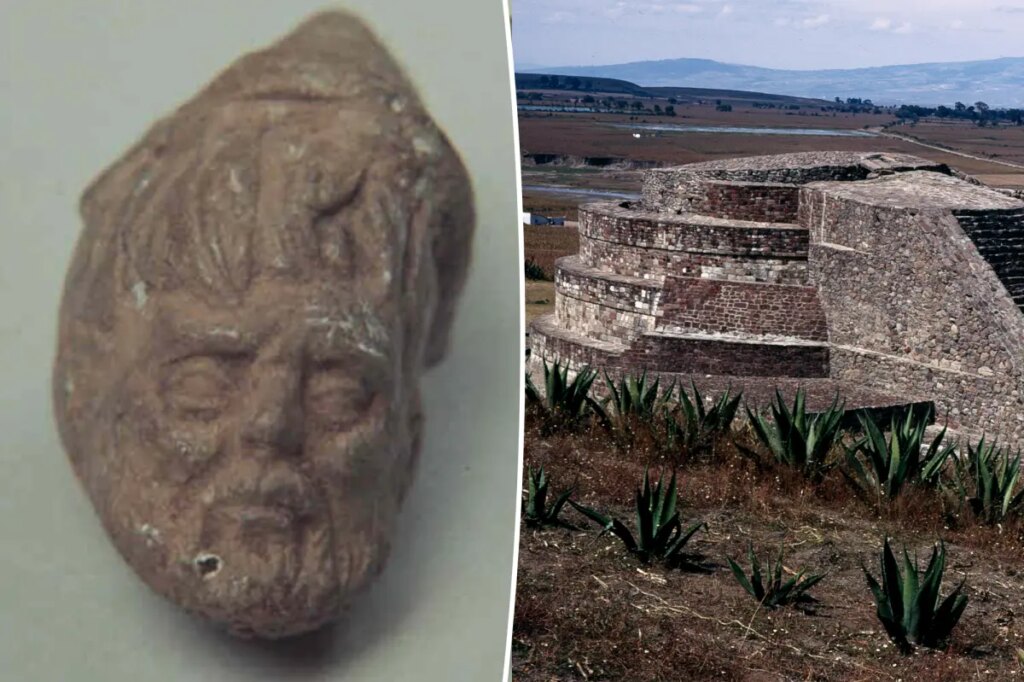
Dubbed the Tecaxic-Calixtlahuaca Head, this terracotta sculpture of a bearded man was exhumed by Mexican archaeologist José García Payón in 1933 from its eponymous repository near Mexico City, Arkeonews reported.
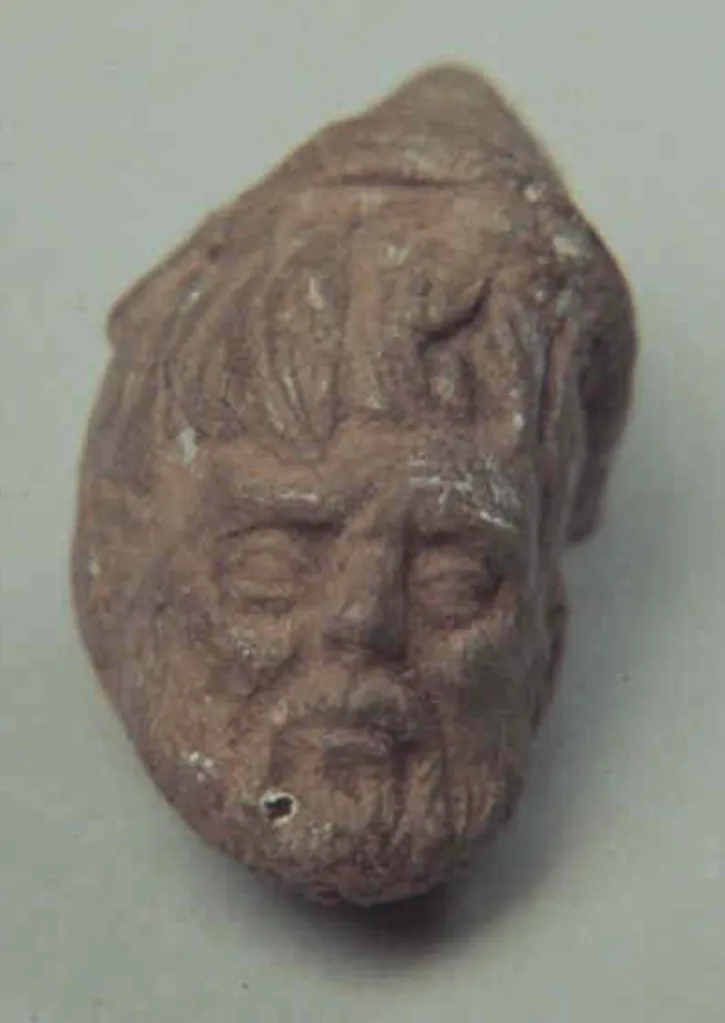
The figure was buried in a sealed tomb beneath three intact floor layers of the pyramidal structure, alongside pottery shards, gold ornaments, bone artifacts, and pieces of rock crystal.
While these materials were typical of the time period and region, the noggin was anything but, boasting striking features that skewed more ancient Mediterranean than Mesoamerica.
The plot thickened in 1961, when Austrian anthropologist Robert Heine-Geldern proposed that the artifact could date back as far as 200 BC.
Then, in 1990, German archaeologist Bernard Andreae suggested that the bust was “without any doubt, Roman,” claiming its hairstyle and beard shape harked back to that of the emperors from the Severan period (193–235 BC).
This was more than just a passing resemblance, too. Through thermoluminescence dating — heating an object and measuring the light it emits from energy stored over time — researchers were able to determine that the relic dated back to between the 9th century BC and the 13th century AD, long before Columbus landed in the Americas in 1492.
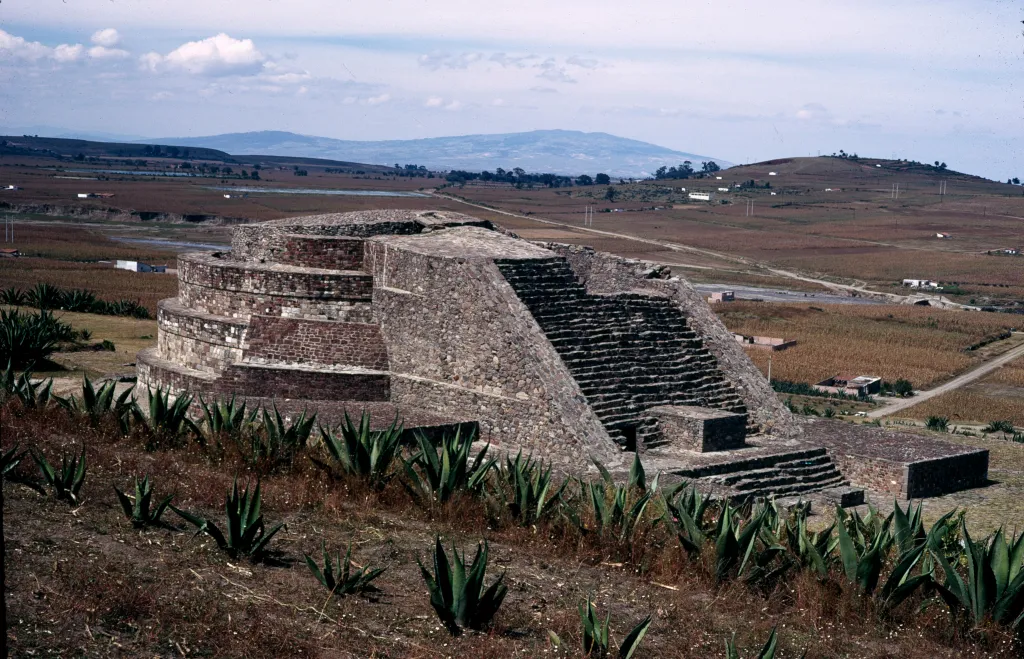
Meanwhile, the burial itself was dated between 1476 and 1510 CE, predating Spanish conquistador Hernán Cortés’ arrival in Mexico in 1519.
The real mystery was how a Roman-style bust ended up sealed in a grave across the pond.
Some researchers claimed that the head arrived during the early stages of European exploration, perhaps even the Spanish conquest of Mexico. “Could a stray European object have traveled inland and been incorporated into indigenous burial practices?” the article authors inquired.
Others claim that, much like an invasive species, the object was introduced accidentally via ancient transoceanic drift.
They theorized that a Roman, Phoenician, or Berber ship could have been borne across the Atlantic by currents, whereupon it reached the shores of the Americas, prompting the inhabitants to salvage the terracotta head and bring it inland.
Although researchers pointed out that this was unlikely as there were no ships, settlements, or other objects found in the Americas to support such a voyage.
Another possibility is that said head was planted by a cheeky archaeologist during the dig, per the authors, who noted that Payón was not always present during the excavation and did not keep conclusive field notes.
Ultimately, the object raises the question of how archaeologists can categorize anomalous objects that don’t fit within prevailing historical narratives.
Coincidentally, researchers long dismissed the idea that Europeans arrivedin the New World before Columbus.
That was until they found Norse settlements at L’Anse aux Meadows in Newfoundland dating back to 1021 AD.
The post 2,000-year-old artifact may be evidence that Romans found New World — a thousand years before Columbus appeared first on New York Post.