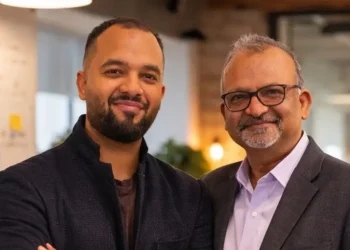

This as-told-to essay is based on a conversation with Ganesh Karthik Sankar, a 29-year-old UX designer at Google who previously worked at Amazon as a product designer. He lives in Seattle. The following has been edited for length and clarity.
During my last job search, I had the opportunity to interview with all five MAANG companies — Meta, Amazon, Apple, Netflix, and Google.
By April 2025, I’d accepted an offer from Amazon and moved to Seattle. I was genuinely excited about the role — especially the opportunity to work on projects at a much larger scale. The compensation was also a significant increase from my previous position.
When I started at Amazon, I was still in various stages of the interview process with Apple, Meta, Netflix, and Google. I was fully committed to Amazon, but I chose to complete those processes to better understand how different companies evaluate candidates and which skills are most valued in the tech market.
Here’s how the interviews came about — and why I ultimately decided to leave Amazon for another Big Tech job.
How I prepared for my job search
My job search started in late 2024. I was a senior UX designer at Qualcomm in San Diego. I’d had a great experience at Qualcomm, but I wanted to work on larger, more impactful projects — the kind that typically affect millions of users and are more common at Big Tech companies. I was also hoping to boost my compensation.
Before applying to jobs, I took a few steps to ensure I was well-positioned for my search. My biggest priority was making sure my qualifications for my desired niche — designing complex enterprise software and deeply technical developer tools — were clear to employers in every aspect of my application.
To do this, I made sure that my résumé and projects featured on my personal portfolio website highlighted that focus. When I started applying in early 2025, I targeted only roles that matched this niche, which I believe was the biggest reason I received as many interview callbacks as I did.
I used my network to find referrals
My Big Tech interviews came about in a variety of ways — some aided by referrals, others through cold outreach.
To make connections that could lead to referrals, I stayed active in the design community by joining organizations, attending conferences, and tapping into my school’s alumni network.
One of my most helpful resources was the Special Interest Group on Computer-Human Interaction, a community for design professionals. It’s allowed me to connect with other designers, and some of those conversations led to LinkedIn connections — and eventually referrals.
I landed referrals for Amazon, Google, and Meta
At Amazon, I was referred for a product designer role in customer service — an enterprise division — which I felt aligned closely with what I was looking for. After applying, I completed an online assessment. Then a recruiter reached out to explain the team structure and what they were looking for. From there, I moved into the hiring manager screen and the full interview loop.
I was referred for a UX designer role at Google, which was also highly aligned with my background. The process was similar to Amazon’s. It began with an online assessment, followed by recruiter conversations and a portfolio presentation.
I also secured a referral for a product designer role at Meta and landed an interview. I’d heard through my network that the company values visual design highly, and this was reflected in their questions.
I cold-applied to Netflix and Apple
I didn’t have a referral for Apple. I cold-applied, and then a recruiter reached out via email, which led to an interview. I think it helped that the role was well-aligned with my experience.
Whenever I connected with a recruiter at any stage of the application process, I asked as many questions as possible to ensure I had a clear understanding of what the team was looking for. Some of my most common questions were about the challenges the team was facing, the team’s structure, and the kind of work I’d be doing.
At Netflix, I didn’t have a referral, nor did a recruiter reach out to me initially. After applying for the role through LinkedIn, I emailed the hiring manager directly, which I believe helped me land an interview.
Outside Big Tech, I’ve had success sending cold messages to hiring managers via LinkedIn. In the message, I’d highlight my alignment with the role and use jargon that only people in that field would understand to signal my expertise.
Why I left Amazon for Google
After I started my job at Amazon last year and decided to continue interviewing, I got far into the interview process for a role at Google that ultimately didn’t work out.
In February of this year, Google reached out to me and offered me a UX designer role on another team. After careful consideration, I decided to accept the offer, as the role was closely aligned with my domain expertise and came with a meaningful increase in compensation. I started at Google earlier this month.
Being intentional with the roles I targeted mattered
I think the main reason I had success in my job search — more than the referrals — was how I positioned myself as an expert in a niche and targeted only roles aligned with it.
At Apple and Netflix, in particular, my understanding was that they were looking for someone who was extremely aligned with the role they were hiring for. At Amazon and Google, my sense was that alignment still matters, but they were more open to candidates with experience tangentially related to the role.
My other advice for job seekers is that cold emailing can work if you do it strategically. I’d recommend reaching out to people who are hiring for roles well aligned with your profile, rather than mass-emailing everyone.
Read the original article on Business Insider
The post I got a job at Amazon, but kept interviewing at other MAANG companies. Here’s why I left for Google. appeared first on Business Insider.