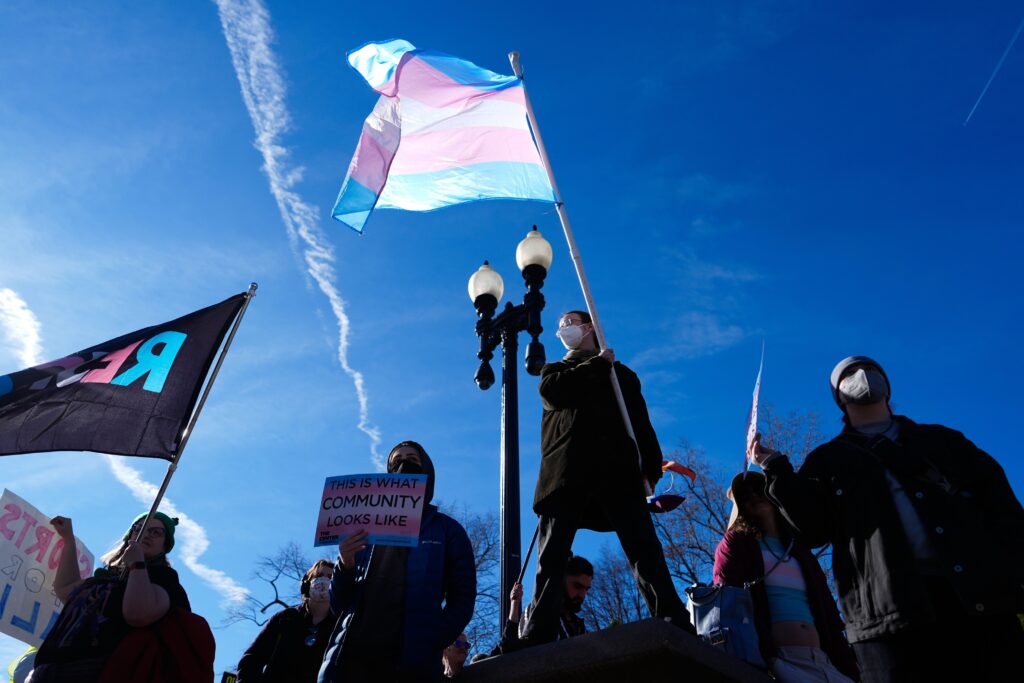
Maine and Colorado this week approved ballot initiatives by advocacy groups seeking to ban transgender student-athletes from playing on girls’ sports teams, putting a debate that has become an enduring political flash point up for direct vote in blue states where leaders have resisted such policies.
The states are the latest to take up the issue this election year. Voters in Washington state will also vote on trans athletes in November, and similar measures have been proposed in Arizona, Nevada and Nebraska.
The groups pushing the initiatives, which would bar transgender student-athletes from participating in sports teams of their gender identity, have called them citizen-led efforts to bypass state legislatures. Critics said the proposed bans are discriminatory.
Leyland Streiff, from the advocacy group Protect Girls Sports in Maine, said in a news release that the proposal is “inclusive, fair and safe” and that the ballot initiative will let voters decide through “the most democratic process possible,” the Maine Morning Star reported.
Erin Lee, the executive director of Protect Kids Colorado, which led the push for the ballot measure in that state, called her campaign a “we the people, grassroots movement.”
“We get to do it ourselves,” Lee said in a video on X.
Logan Casey, director of policy research at the Movement Advancement Project, a left-leaning think tank, said the ballot initiatives are a “coordinated campaign from the top down to push anti-transgender policies across the country.”
“The folks who are pushing these policies and other anti-transgender policies like them are trying different tactics to get these policies into law,” he said.
Gia Drew, the executive director of LGBTQ+ nonprofit EqualityMaine, said in a statement that the proposal in Maine would “open the door to harassment, bullying and abuse of children.”
“It would embolden adults and members of the public to harass and scrutinize student-athletes who just want to be on the team,” she said. “Enshrining the harassment of LGBTQ+ students into state law would hurt vulnerable kids and send the wrong message about who we are as Mainers.”
The Colorado ballot initiative was backed by over 160,000 signatures, the secretary of state’s office said Monday, surpassing the state’s required threshold of around 120,000. Maine’s petition was approved Tuesday with over 70,000 signatures.
President Donald Trump has pushed a range of policies rolling back trans rights since taking office, including an executive order aimed at barring trans athletes from participating in girls’ and women’s sports. The NCAA banned transgender athletes from women’s sports after Trump’s order. In January, the Justice Department opened investigations into 15 school districts and three colleges for allowing transgender athletes to compete in girls’ and women’s sports.
Support for trans athletes has eroded in recent years, according to the polling group Gallup. It reported last year that support for trans athletes playing on teams that match their gender identity dropped by around 10 percentage points between 2021 and 2025 among Democrats and independents.
Almost 30 states ban trans athletes from playing in girls’ and women’s sports, according to the Movement Advancement Project. Maine and Colorado do not.
Maine Gov. Janet Mills (D) sparred with Trump last year after the president threatened to withhold federal education funding if the state did not comply with his executive order on trans athletes.
The Supreme Court in January appeared skeptical of challenges to some of the state-level bans, siding with proponents who argued that transgender girls and women should not play on girls’ and women’s sports teams out of fairness and safety.
Scott Skinner-Thompson, a law professor at the University of Colorado at Boulder, said he was concerned the ballot measure in his state could lead to the rollback of other laws protecting trans people. Kansas recently told trans drivers they needed to surrender their driver’s licenses, and Iowa lawmakers last year voted to revoke nondiscrimination protections for transgender people.
Skinner-Thompson added, however, that the ballot measure could also fuel turnout from voters opposing the bans.
“I think it’s really difficult to predict how this will play out,” he said. “But it’s certainly a gambit that the anti-trans movement is interested in pursuing.”
The post Advocacy groups get trans athlete bans on ballots in Maine, Colorado appeared first on Washington Post.