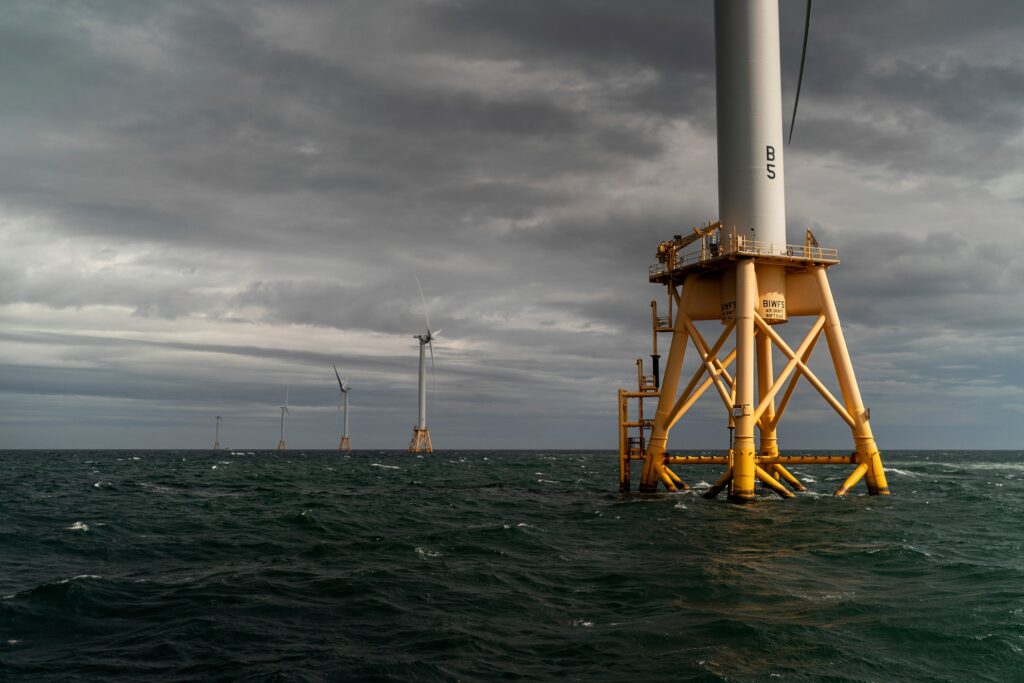
The Justice Department recently declined to appeal a federal judge’s injunction against the government’s stop-work order on a major offshore wind project. That same day, the development started delivering electricity to the New England grid. Both were quiet but underrated developments in the Trump administration’s war against wind energy.
This doesn’t mean the legal fight is over. Rhode Island’s Revolution Wind project, though already producing some electricity, still has a few more months of construction left, and the administration still wants to shut it down over vague claims that the turbine threatens national security. That goal becomes more elusive as construction continues.
The sooner the administration gives up on this losing battle, the better. Twice it attempted to halt construction on the project, which had already made it through the arduous federal review process before President Donald Trump took office. Twice those efforts were rebuffed in court. The administration attempted to block four other wind projects under development, yet those have been allowed to continue as well.
Despite the government’s losing streak, it has succeeded in generating uncertainty about wind energy. Given that demand for more power has never been greater, that should alarm even those who are skeptical of renewable projects. As some leaders in the oil and gas industry have pointed out, the administration is creating a precedent for future Democratic presidents to block their own projects.
The administration’s apparent decision to back off its anti-wind crusade is a sign that it understands its policies undercut much-needed permitting reform. Bipartisan legislation to speed up energy projects stalled in the Senate in December after Democrats objected to the administration’s attempts to block wind energy. Now, there might just be enough political wiggle room for negotiations to continue.
Lawmakers are right to insist on truly technology-neutral reform. No president should have the unilateral power to gum up a state’s infrastructure plans simply because of ideological hang-ups.
The post Terms of surrender in the war on wind appeared first on Washington Post.