The price is the price. At least it’s supposed to be.
We make exceptions — the cost of things like flights, hotel rooms, or concert tickets may move around based on supply and demand. Try to get on to a nearly full plane the day before it takes off, and you may pay much more than the person across the aisle who booked months ago. We may not always love the setup, but in limited instances, variable prices can make sense.
For most stuff, though, everyone should simply pay what the price tag says.
That does not seem to be where the economy is going. Businesses have gotten very good at leveraging technology to move prices around and extract more money from us.
The newest frontier: Companies using black box software and personalized data to set special just-for-you prices, and hoping — pretty reasonably — that we don’t realize what’s going on. Maybe a retailer or delivery service sees that you’re ordering from an affluent suburb, or using a fancy Amex Platinum card to pay, and charges you a little extra. That will likely seem wrong to a lot of people — but how would they know if it’s even happening?
Which is how we convinced our bosses to let us order McDonald’s and expense it. It wasn’t just to get a free lunch — we wanted to see if we could find out how this variable, personalized pricing thing might work.

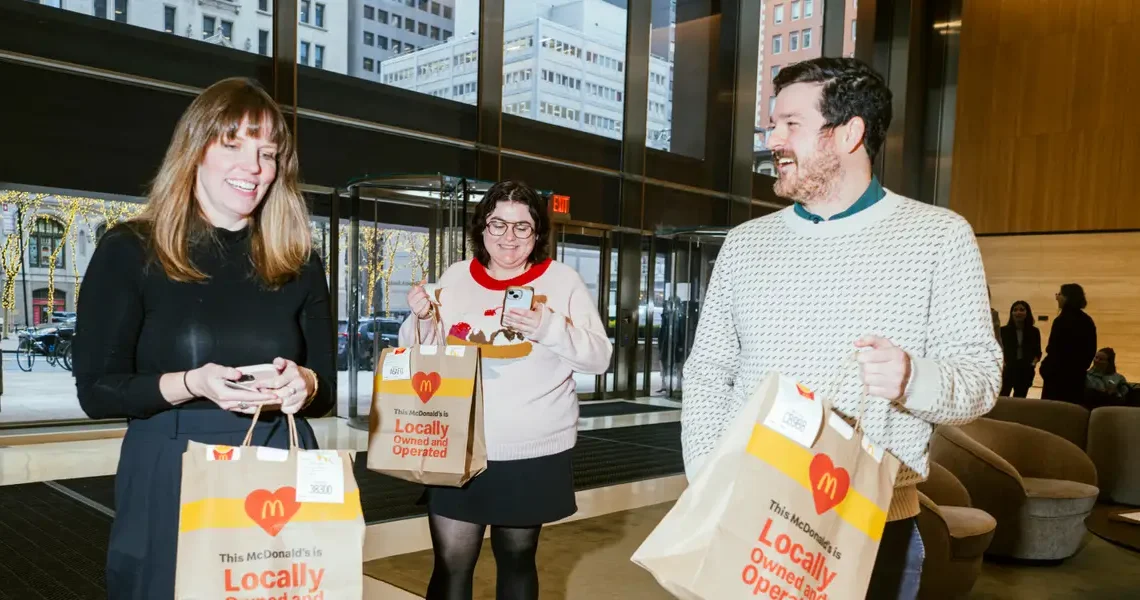
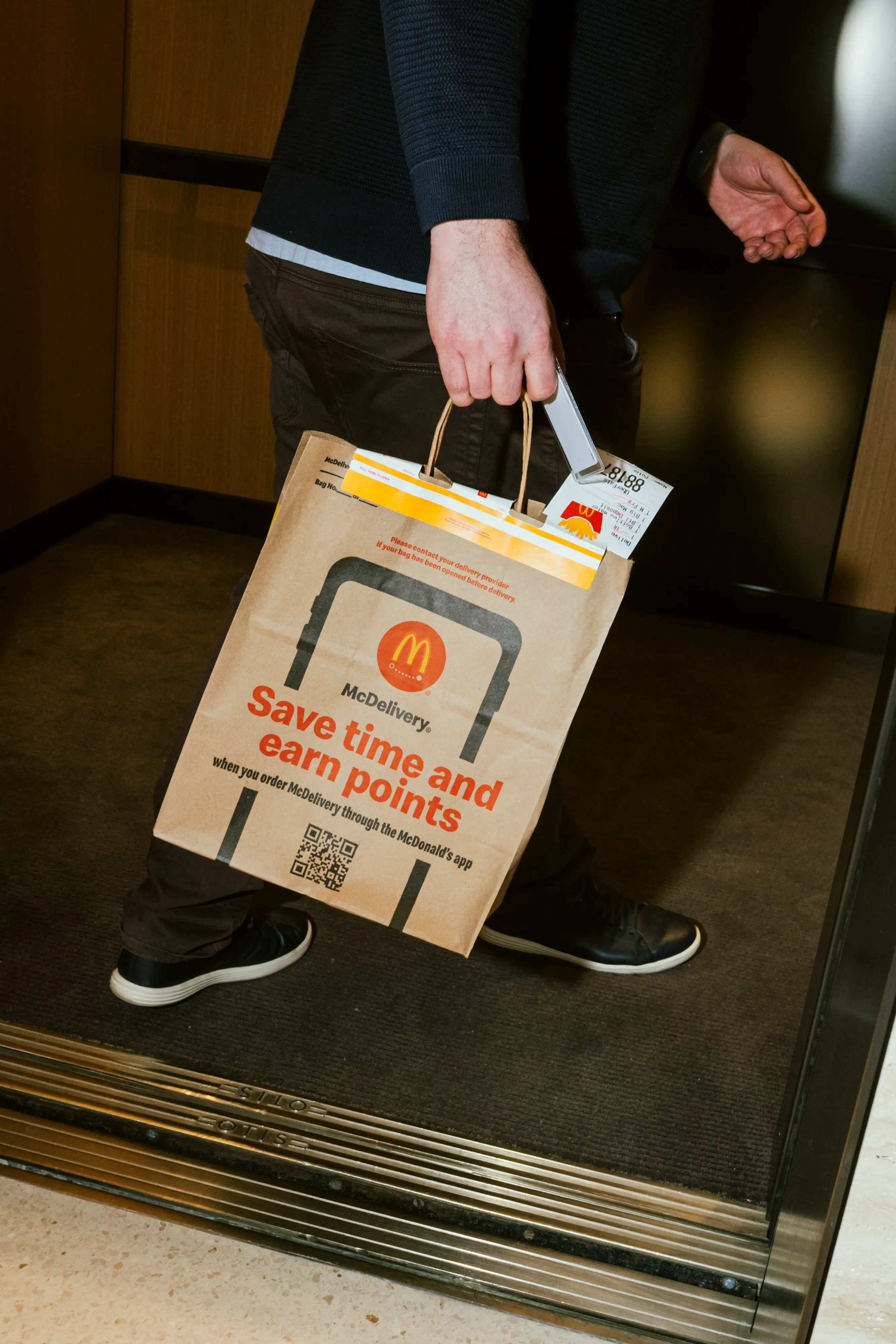
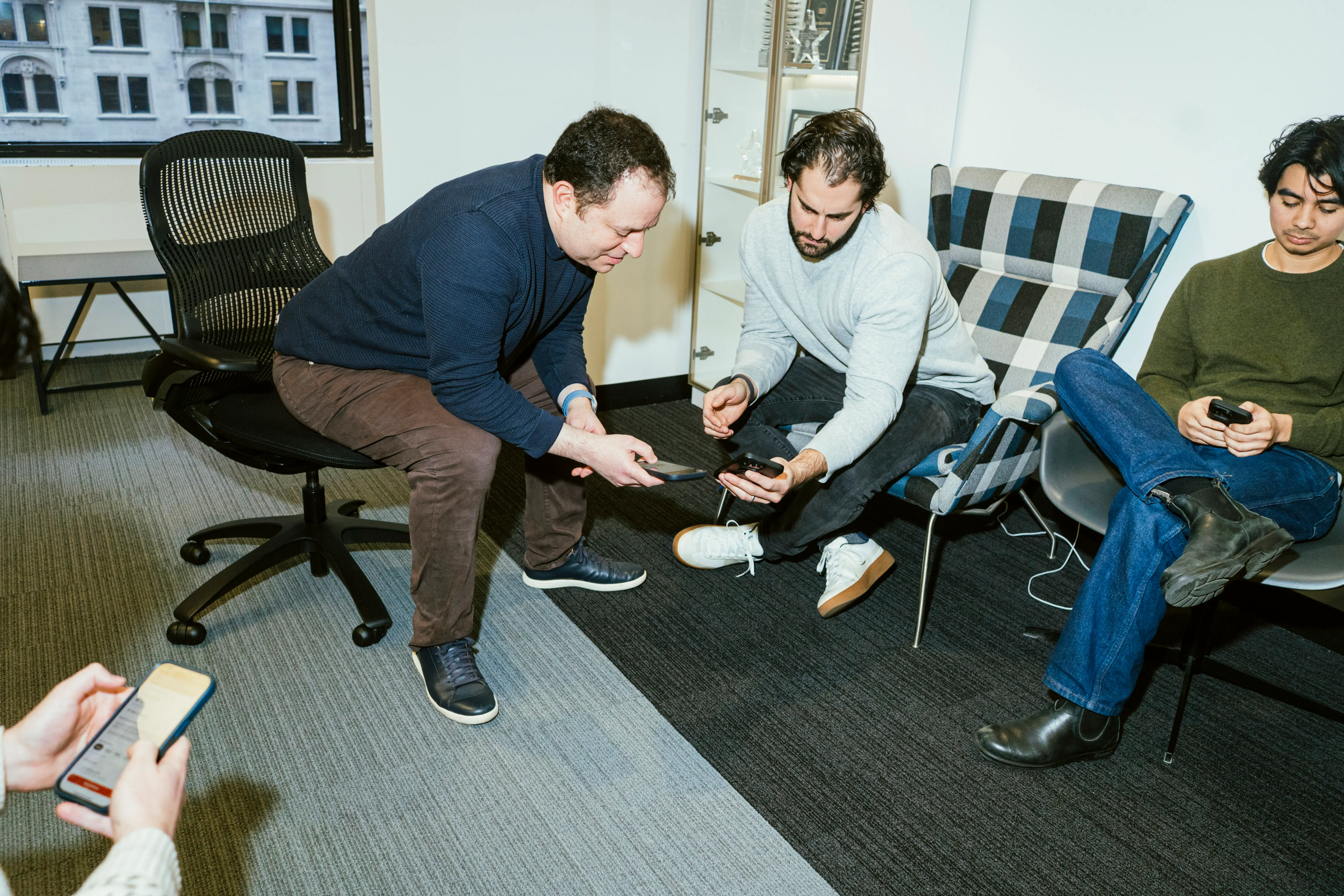
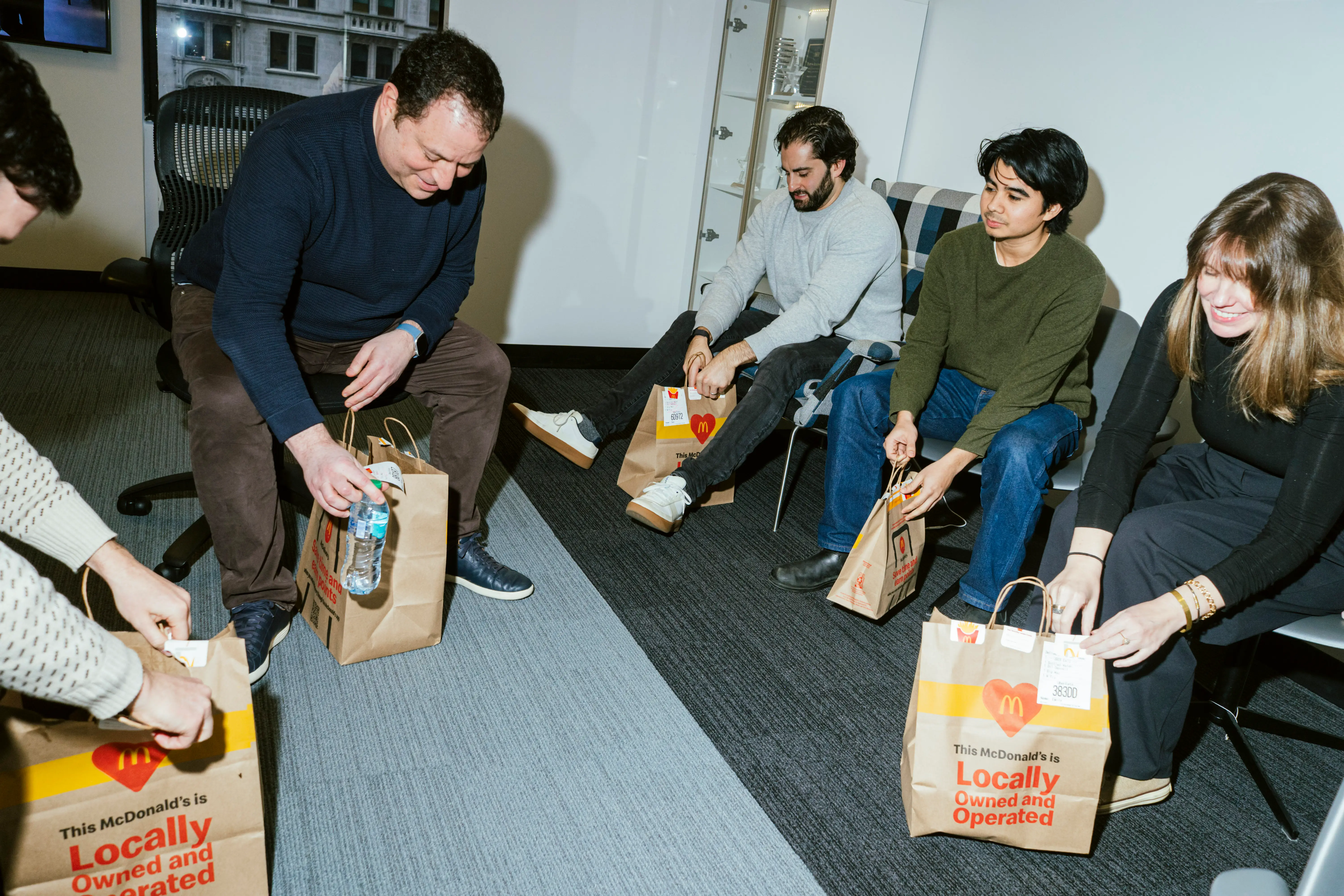
One day earlier this year, the two of us rounded up four other colleagues in Business Insider’s Manhattan office to place the same order — a Big Mac meal with medium fries and a drink — at the same time from the same McDonald’s. We figured this was the perfect lab since New York state lawmakers tried to discourage the practice — lightly — with a new law that requires companies to tell you when they’re using personalized algorithmic pricing, or as its critics call it, “surveillance pricing.”
Uber’s app doesn’t go out of its way to tell you that it uses personal data to set pricing, but if you poke around, you’ll eventually find the state-mandated warning that “This price was set by an algorithm using your personalized data. Your location is used to help us calculate fees and savings.” Seamless and DoorDash provide similar warnings to New York residents on their apps.
After making our selections, the subtotals told the tale: None of us was asked to pay the same amount. Our total bills varied by 15 to 20 cents.
When we looked more closely at our receipts, we could see why: The price of our Big Mac meals themselves stayed the same. But some of us paid a service fee — the fee Uber collects for delivery — of $3.25, while others paid as much as $3.45. Two of us even had the same delivery guy, yet we still paid different amounts. There didn’t seem to be a discernible pattern to who was charged more: There was no discernible pattern by age, income, gender, etc. And while a 20-cent difference probably won’t change your mind about ordering a Big Mac, it also struck us as weird. What’s the deal?
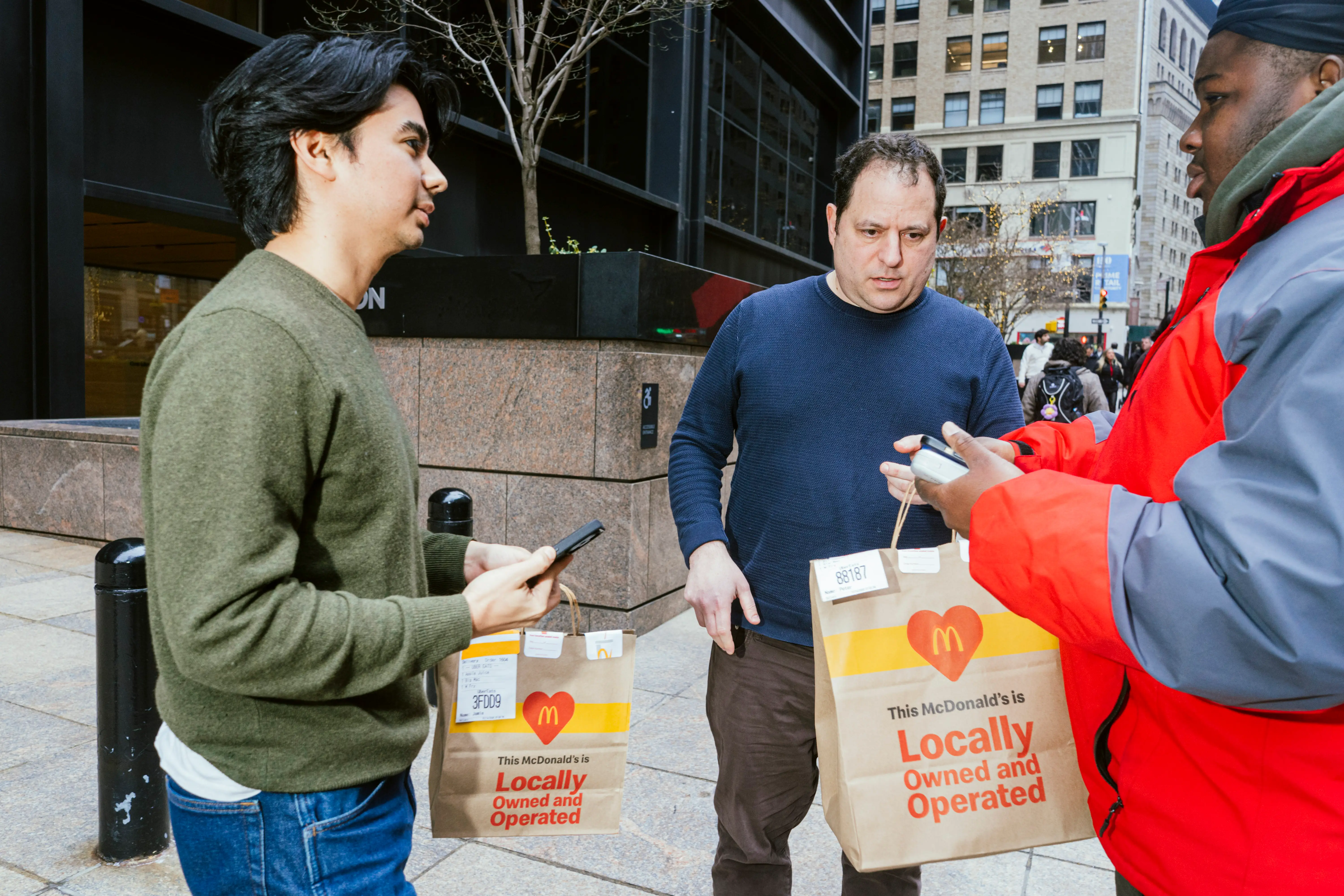
Beats us, says an Uber spokesperson, via email: The company says that while its fees can vary, any differences are “never based on a user’s personal characteristics.” What about the sign on Uber’s app saying the opposite? When we pushed for clarity, we were told that New York’s “poorly drafted and ambiguous law” requires it. We know we paid different prices for our burgers. What we don’t know is why. We ended our experiment confused and a little bit full.
It turns out we’re not the only ones unclear about how algorithmic pricing works or where we might see it.
Companies aren’t particularly forthcoming about where and when they’re using variable pricing, notes Oren Bar-Gill, a professor of law and economics at New York University, so it’s been hard ot nail down just how widespread the practice is. The most comprehensive work to date is a 2025 paper from the Federal Trade Commission, which tried to map the technical and industrial ecosystem that enables businesses to use algorithmic pricing. Even if it’s hard to see prices change, we can see the underlying technology companies are experimenting with.
“There are a lot of retailers who are paying a lot of money to get a lot of data — personalized information about consumers — and they’re doing it for a good reason,” Bar-Gill says.
Even when we can find what appear to be examples of algorithmic pricing, it’s hard to find a company that says that’s actually what’s happening. Uber says it doesn’t know why some of our Big Macs cost more. And last year, when Consumer Reports and Groundwork Collaborative, a think tank, said they found evidence Instacart was charging different customers wildly different prices for the same food from the same stores, Instacart said that was part of tests it was doing — and then pledged to stop doing them.
“Part of the reason I think that it was so compelling was precisely that it was an experiment and not something more sophisticated,” says Lindsay Owens, Groundwork’s executive director, who worked on the study. “We were all sort of unwitting lab rats in the end.”
One thing we can say with some confidence: This kind of stuff couldn’t really happen before the rise of e-commerce. When you’re in a store, it’s very hard to pay a different price than the person standing in line next to you at the cash register — you’re each holding the same thing with the same price tag.
By contrast, there’s zero price transparency when you’re scrolling on your phone or laptop, and plenty of ways to obscure the price you’re actually paying. When we did our McDonald’s experiment, it looked like we were all dealing with the base price for the meal. It was only after clicking past a few more screens to the end of the checkout process that we realized our prices varied. While these fee differentials don’t really amount to much for us, they might for Uber — multiplied across millions of orders, those pennies add up.
Here’s the part where we make an uncomfortable argument: Maybe this isn’t a bad thing?
After all, no one is forcing us to buy Big Macs. And when we do buy one, why should we care if someone got theirs for 20 cents less? I want a hamburger, and the people selling me a hamburger want to charge me as much as they can for that burger. That’s just the law of supply and demand (and hunger) at work. What’s the problem?
One argument you could make is that this is a regressive redistribution of wealth from consumers who don’t understand what’s happening to companies that can profit from that information asymmetry. If that’s too academic, how about this: It just feels gross. Pushing prices or constantly changing costs can alienate customers and be a reputational risk. Companies are starting to find the limits of this sort of switch-up. Chatter about possible dynamic pricing at Wendy’s put customers into a tizzy in 2024, and last year, Delta got into hot water over fears it would start using AI to set individualized fares.
“You have to be really careful,” says Arnab Sinha, who heads Boston Consulting Group’s pricing practice. “If it starts becoming unfair, there will be public backlash.”
When companies cop to moving prices around, they like to point out the ways it might benefit customers — everyone loves a happy hour or a cheap last-minute ticket to a sporting event. But that’s not really how people experience these things: When they think about price swings, they think about getting gouged, fairly or not.
Maybe what’s so irksome about this is the mysterious nature of all of it. The problem isn’t just that we’re paying different amounts — it’s that it’s impossible to know when it’s happening or identify the rhyme or reason when it does. It’s frustrating that even Uber’s response was essentially ¯\_(ツ)_/¯.
But this world of personalized price mysteries is likely where we’re headed. The question isn’t just, “Why is your Big Mac more expensive than mine?” It’s also, “Why is your coat and hotel and apartment, and everything priced specially for you and mine for me?”
Peter Kafka is a chief correspondent at Business Insider and the host of Channels, a media and technology podcast. Emily Stewart is a senior correspondent at Business Insider, writing about business and the economy.
Read the original article on Business Insider
The post Our chaotic Big Mac pricing test appeared first on Business Insider.