When Jessica Layeux, a cybersecurity expert from Monticello, Minn., started taking the weight-loss drug Zepbound last year, she didn’t have any of the side effects she had heard about. She didn’t feel much of a change in her hunger or cravings either.
At first, Ms. Layeux, 42, was optimistic that she would see results as she moved to a higher dose. But as the months went on with almost no weight loss, Ms. Layeux started to blame herself. She began obsessing over whether she was storing the drug at the right temperature or injecting it into the right place. At doctors’ appointments, she would rush to share that she was eating healthy and exercising, so that her provider wouldn’t think it was her fault.
Over 15 months on Zepbound, Ms. Layeux lost only a pound or two. “No matter what I do, these ‘miracle drugs’ don’t work,” she said.
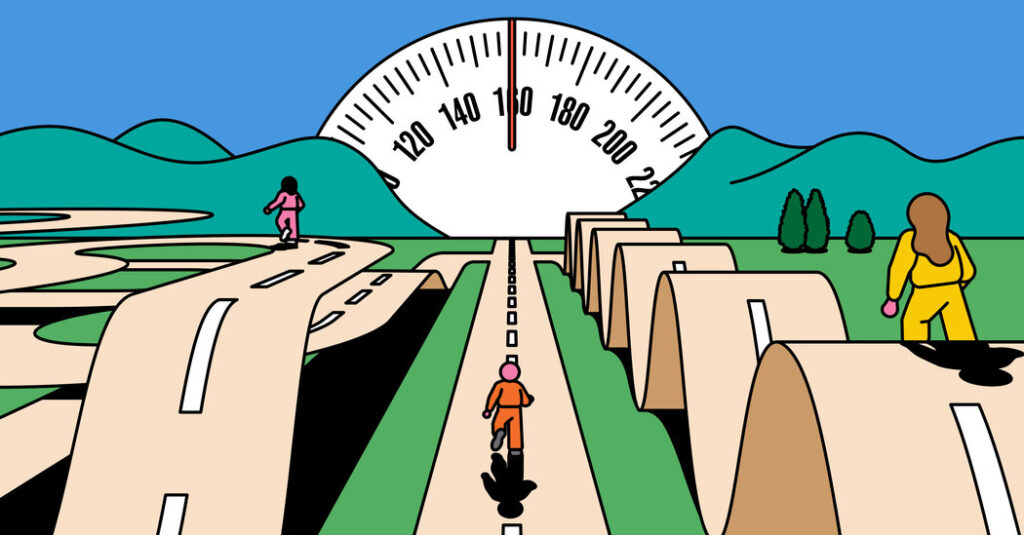
GLP-1 drugs like Zepbound have helped millions of people shed significant weight. But then there are the often-overlooked outliers: In clinical trials, about one in 10 people on the drugs were “non-responders,” losing less than 5 percent of their body weight, compared with the average of 15 to 21 percent. With so much attention on the benefits of these drugs, the experiences of non-responders are often overlooked.
For these patients, it can be maddening to see no weight loss after months of treatment and thousands of dollars spent.
“It felt extremely defeating,” said Ms. Layeux.
Scientists aren’t sure why some people lose so little weight and why others lose a tremendous amount. But it’s a question they are now trying to answer, looking to genetics and other patient characteristics to predict how someone’s response.
Genetics, Hormones and Other Factors
One promising theory suggests that genetics plays a role, said Marie Spreckley, a researcher at the University of Cambridge.
Genetics can influence hunger levels, fullness and metabolism, or how the body burns energy. Scientists increasingly think that each of these factors contributes to whether someone develops obesity and how someone might respond to weight-loss drugs.
Semaglutide and tirzepatide, the compounds in the two most popular weight-loss medications, largely work by dialing down appetite and silencing “food noise.” That means people whose obesity is unrelated to food intake might see less of an effect on these drugs, said Dr. Amy Sheer, an obesity medicine doctor at University of Florida Health.
Because the drugs target the brain’s reward center, differences in how much pleasure someone gets from eating could also affect how well the drugs work, said Megan Capozzi, a research assistant professor at the University of Washington Medicine who studies diabetes and obesity treatment.
There may be other biological factors that affect how a person responds to the drugs. Semaglutide and tirzepatide target only two hormones, which are primarily involved in regulating appetite and blood sugar.
“When we think about the whole alphabet soup of hormones that control our weight, it’s almost embarrassing to think that we can fix obesity by just addressing two,” said Dr. Beverly Tchang, an obesity medicine doctor at Weill Cornell Medicine who consults for Novo Nordisk, which makes the weight-loss drug Wegovy.
Estrogen, for example, interacts with GLP-1 pathways in the gut and brain, potentially making the body even more sensitive to the drugs’ appetite-dampening effects. That may be why men seem more likely to be non-responders than women, and why hormone replacement therapy might improve weight-loss results among postmenopausal women, said Dr. Diana Thiara, an obesity medicine doctor at University of California, San Francisco.
Some experts also think that timing matters. The longer someone has been living with obesity, the less likely it may be for GLP-1 medications to work well, said Dr. Zoobia Chaudhry, director of the obesity medicine fellowship at Johns Hopkins Medicine. People with Type 2 diabetes, for example, tend to have a more difficult time losing weight on the drugs than those without diabetes. Other inflammatory conditions could also make someone less likely to respond to the medication.
Predicting a Patient’s Response
It can take a lot of time, money and anguish before patients realize a GLP-1 drug won’t work for them. Dr. Sheer says that she waits four to six months for a patient to respond before bringing up other options, like bariatric surgery or switching to another medication.
But some researchers are looking for ways to predict who will be a non-responder from the start.
In a recent pair of trials, researchers analyzed various genes involved in appetite, satiation and metabolism. They found differences in genetic profiles between people who lost weight on an older GLP-1 drug and those who didn’t respond well to it. These non-responders instead lost a significant amount of weight on another drug, called phentermine-topiramate. That drug appears to act differently from GLP-1s on brain pathways that suppress appetite.
Dr. Andres Acosta, an obesity medicine physician at the Mayo Clinic and senior author of the study, said that doctors would ideally use patients’ characteristics to determine which weight-loss drug they should try first. He is a co-founder of Phenomix Sciences, a company that makes a genetic test that claims to help doctors make those decisions.
The test hasn’t been shown to improve weight loss outcomes in independent trials or clinical practice, but some doctors, including Ms. Layeux’s, are using it to guide next steps when patients don’t respond to GLP-1s. Ms. Layeux’s results suggested that she had to eat more calories to stay full and that she also didn’t stay full for long. So on her doctor’s recommendation, Ms. Layeux started taking phentermine alongside Zepbound to address both issues. She lost 20 pounds within a month.
Other patients who don’t respond to existing GLP-1 drugs may soon have other options. Pharmaceutical companies are already developing new drugs that target additional hormones.
Dr. Tchang said she often has to tell patients who aren’t seeing results that while the right medication might not exist for them right now, “that doesn’t mean we’re not going to have it in six months, one year or two years.”
Simar Bajaj covers health and wellness for The Times.
The post When Weight-Loss Drugs Don’t Work appeared first on New York Times.