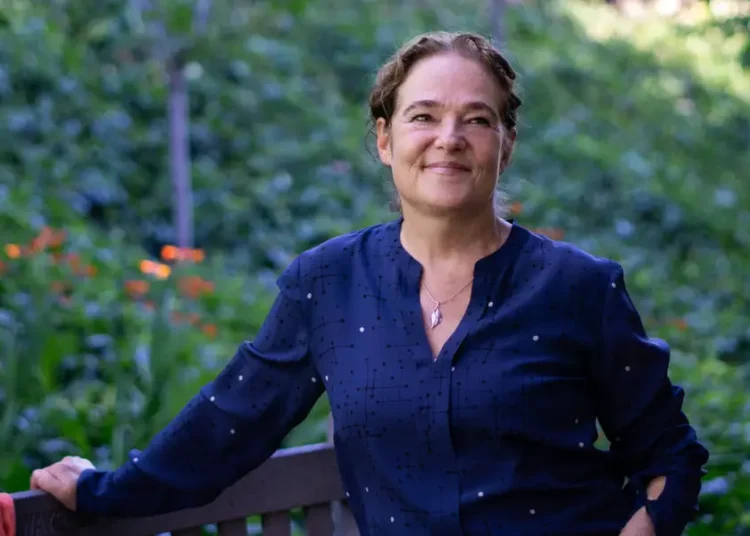

Mike Kai Chen for BI; Courtesy of Susan Freeman and Noe Parenteau
Dorenne Simonson didn’t anticipate being a mother again — especially not at 66.
Simonson, who manages a direct care office in New Jersey, took over as the primary caregiver for her granddaughter when her daughter was unable to care for her, just two months after giving birth.
Simonson, a single mother of five grown children, no longer considers herself a grandparent to her now-four-year-old granddaughter; she’s the mom. She’s up at 5:30 a.m., packing lunch, and doing her granddaughter’s hair. She drives her to day care, then works from 8 a.m. to 4:30 p.m. After making her dinner, she tucks her granddaughter in by 8 p.m. Weekends mean laundry, cleaning, and food prep. Her granddaughter was born exposed to drugs and has poor vision, so much of her PTO goes toward caseworker meetings or trying to find proper medical care. Even securing baby formula was a struggle. It’s left her with little time for herself and a limited social life. And given the costs, Simonson expects to work until she dies.
“I’ve always been in a situation where I pretty much had to spend whatever I made, and so I do look at the future and go, ‘This is going to be interesting,'” Simonson says.
In interviews for my 80 Over 80 series, a comprehensive look at America’s oldest workers, dozens of grandparents said their role in their grandchildren’s lives deviates dramatically from what they remembered of their own grandparents. Many said that because they worked at least part-time, there weren’t as many opportunities to see or call their grandchildren. Many wish they could support their grandchildren’s education and well-being, but with the rising costs of long-term care and daily expenses, any extra money goes toward savings. Some said they’ve been forced to choose between buying a birthday gift for their grandson and paying the water bill.
Others, like Simonson, have had to step into a more active role, becoming a full-time caregiver. For many grandparents with additional responsibilities, aging doesn’t come with a golf club membership. Over two dozen grandparents who are caring for their grandchildren full-time told me this year that doing so has been rewarding but wallet-sucking, agitating, and invisible.
Either way, many said they don’t fit the stereotype of the crocheting, cookie-baking, and sweet, if occasional, presence. For some, the new paradigm hurts.
Grandparents are doing more of the caregiving
Rebecca Reed, 87, isn’t sure how she managed to survive raising her two grandchildren. Her son-in-law and daughter died within a year and a half of each other in the mid-2000s, and Reed and her husband, who was in his early 70s, took in their grandchildren, who were 13 and 11. Since her husband worked, she took on many parental responsibilities.
At first, Reed was in “grandparent mode,” giving them whatever they wanted, but quickly pivoted to “parent mode,” setting rules and expectations. After retiring, Reed and her husband relied on their savings, Social Security, and their daughter’s life insurance policy to pay bills and send the kids to private school. Once her husband died in 2011, she filed for bankruptcy and returned to work. Fifteen years later, she works two jobs, earning $12 an hour. She can’t retire, and her schedule gives her few opportunities to see her grandchildren.
“At 90, I’m retiring from work no matter what,” Reed says. “I don’t know if I’ll be able to even pick up a baby at that age. I really hope I’m around for that because that would be icing on the cake.”
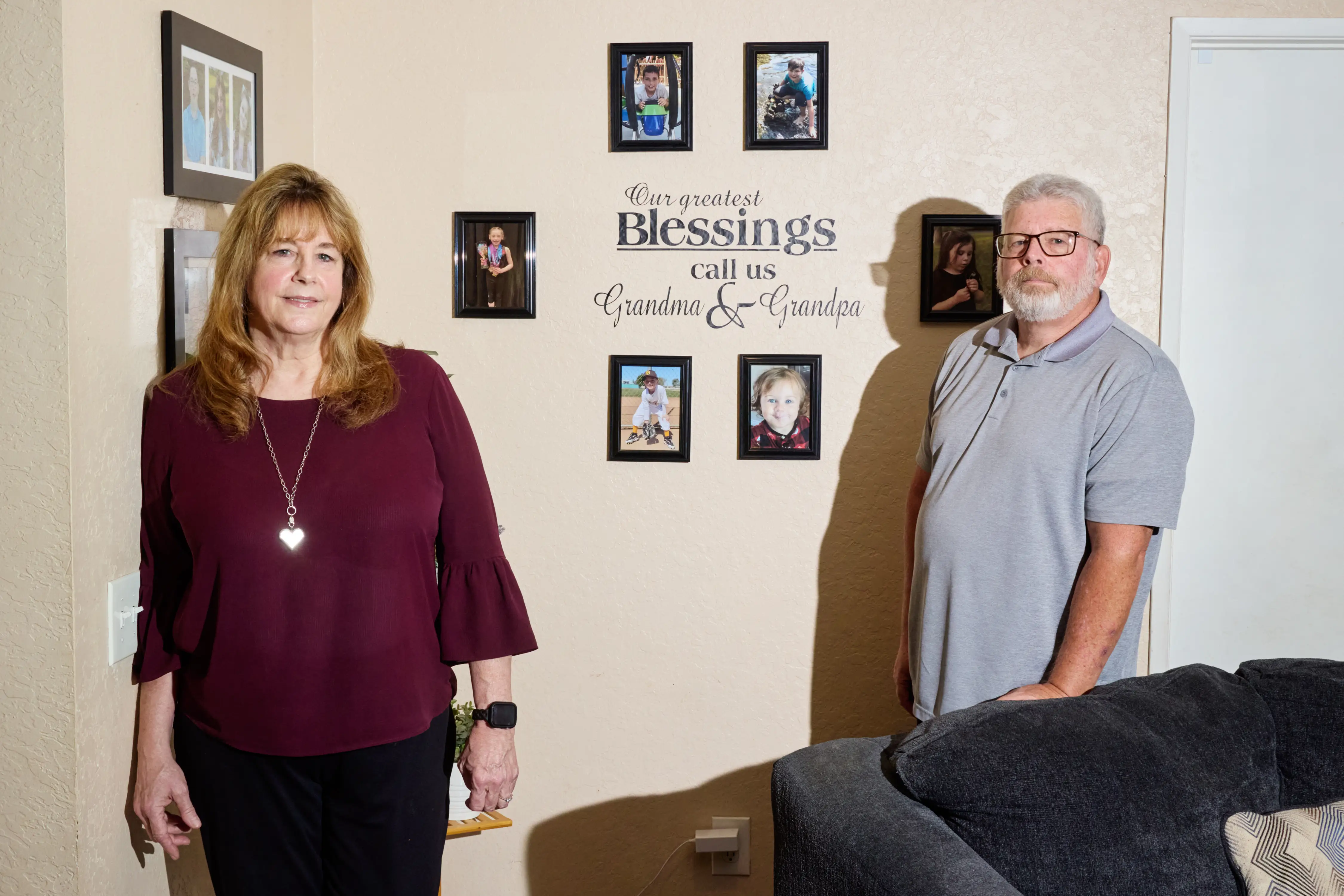
Older grandparents — particularly grandmothers — are increasingly taking on caregiving responsibilities. An analysis of the Census Bureau’s American Community Survey (ACS) by researchers from the University of Pittsburgh found that between 2009 and 2021, grandparent caregivers 60 and older living without the child’s parent present rose by nearly 21%. Similarly, Brookings used the 2023 ACS to find that about 1 million children under 18 live with a grandparent who is responsible for their daily care and live without a parent at home. In nearly half of the cases, a single grandmother is left alone to care for her grandchildren.
Madonna Harrington Meyer, a sociology professor at Syracuse University who has studied grandparenting, said that many grandparents who take on additional caregiving responsibilities struggle with expenses, sometimes sacrificing meals for themselves, delaying medical care, or making significant lifestyle changes. Such sacrifices often come with some regret about depleting their savings, she says.
“Juggling work and grandchildren in your 60s and even 70s can be a big ask that can be a lot for an older body to handle,” Harrington Meyer said.
While some supports are in place, such as federal and state kinship care services, assistance from the National Family Caregiver Support Program, and online support groups, there are still major gaps for grandparents in challenging situations. Christine Fruhauf, a professor of human development and family studies at Colorado State University, said most of the grandparents she’s worked with are willing to make major sacrifices to get their grandchildren what they need.
“Grandparents are resilient, and they’ll figure things out. If Facility A is not going to help them, they’ll go to Facility B. They’ll keep seeing where they can get support when they need it,” she says.
Grandparents aren’t retiring as quickly
Not only are grandparents caregiving more often, they’re also working more often. Roughly one in five Americans age 65 and over works, a twofold increase since the 1980s, though the rise has slowed somewhat in just the last few years. A Business Insider analysis of Census data found that 4.2% of the 80+ population still works, up from 3% in 2010. Some of this is for good reasons, such as improvements in health outcomes and an increasing desire to keep feeling productive. On the downside, the increase in jobholding is also due to growing financial instability among lower-income older Americans and cuts (or threats of cuts) to support for older Americans. For millions of those still working into their 70s and 80s, that’s less time with the grandkids.
At 80, Noe Parenteau suspects he won’t retire anytime soon. Parenteau, who lives outside Fort Myers, Florida, works as an operations automation analyst to support his family, as his sister is in memory care, while his ex-wife has dementia. He has few opportunities to see his grandchildren, aside from Christmas. Parenteau knows that at some point, the money he’s set aside for retirement will go toward care for himself or his family. He’s spent many of his non-working hours talking to his grandchildren, often explaining to them about getting older.
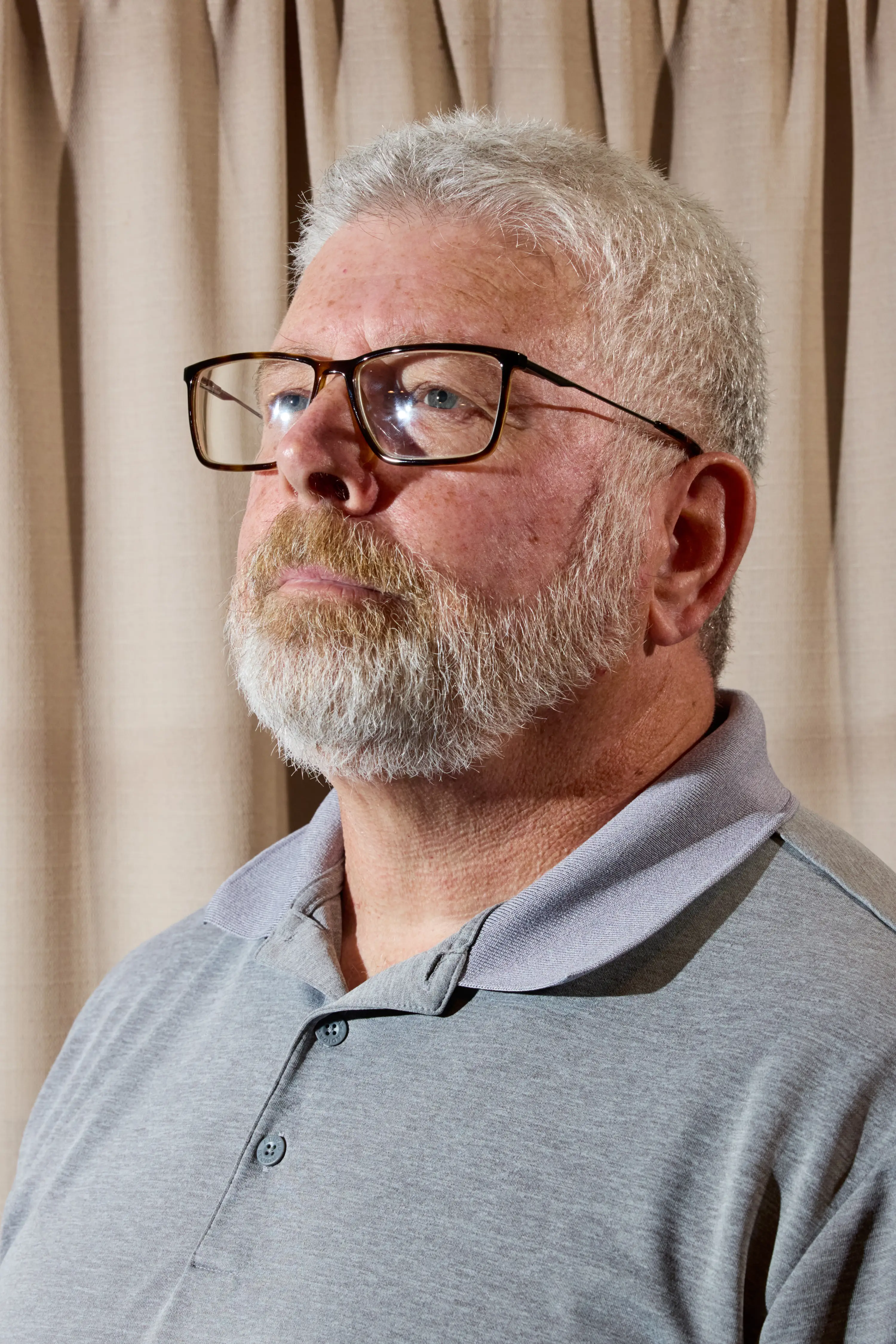
“Over the past decade that I’ve been living in Florida, I try to go up for an extended period of time, where I can take them to school and see them in their daily lives,” Parenteau says. “I want them to see me as part of their daily lives, too.”
Dozens of grandparents who still work told me that though they love seeing their grandchildren and providing for them financially, they find it essential not to lose sight of their own goals. They felt they needed to better not only the loves of their grandchildren but society as a whole. They valued keeping their brains stimulated, muscles active, and savings accounts as large as possible. Many grandparents like Parenteau need to keep working to ensure they have enough in the bank for the inevitable end-of-life medical costs. Many said they didn’t want to give too much of their savings away to family.
On the extreme end, Harrington Meyer tells me that some older Americans are staying on the job precisely because they don’t want to be so involved in their grandkids’ lives.
“One of the things I found in my research is that some grandparents continue to work full time, even though they don’t need to anymore, precisely so that they are not available to take care of the grandchildren,” she says.
But for most people, the role of family elder is all about balance. In many ways, Pat Hennessy, 65, and his wife are traditional grandparents to their six grandchildren in California and Texas, acting as caregivers when needed and providing a financial support network without overstepping. When their children were first learning how to be parents, they would act as coaches.
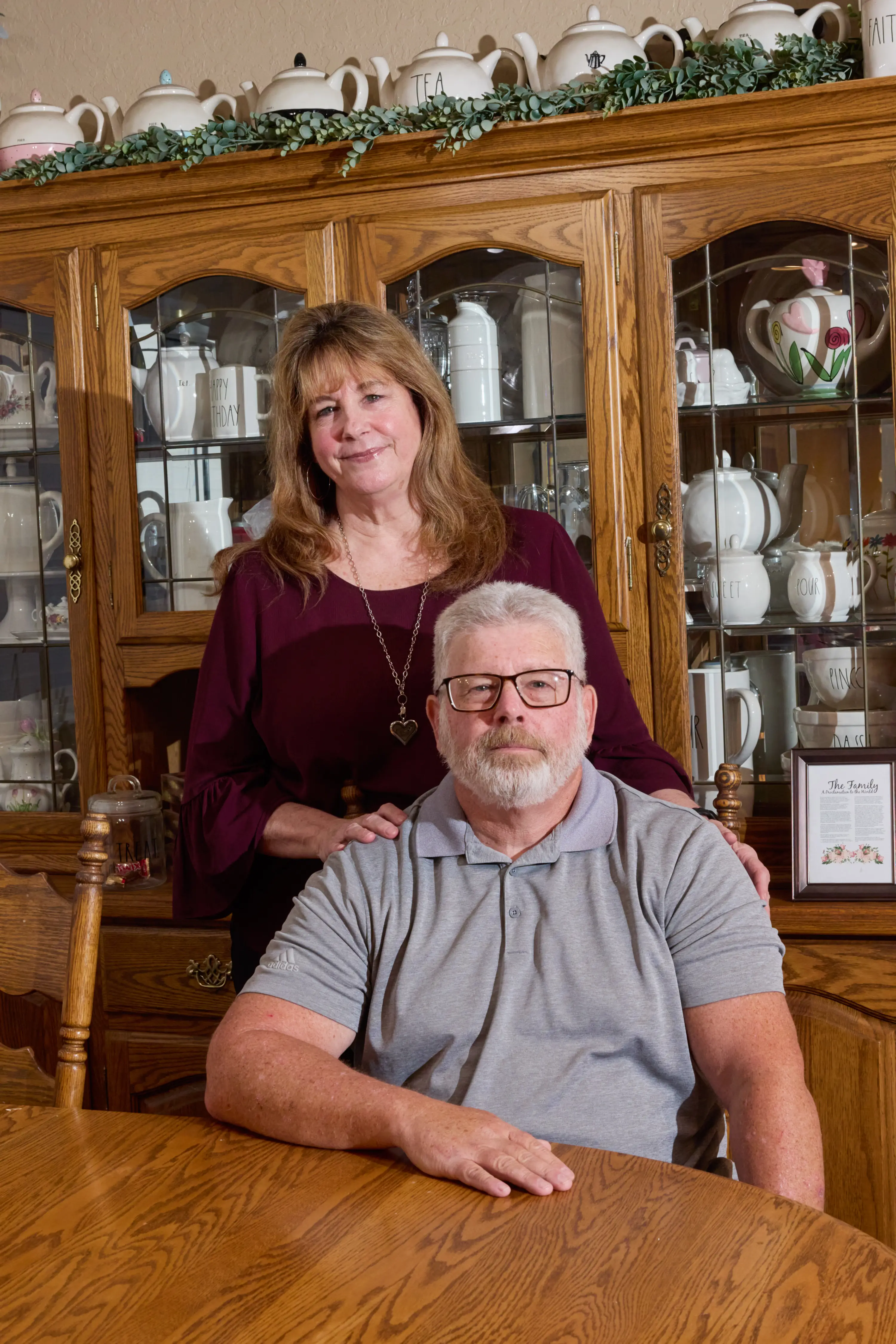
Hennessy, who lives outside Los Angeles, pivoted last year from an investigator in insurance fraud claims to launching a newsletter and writing online. His wife still works full-time for the same company she’s been at for 45 years and plans to retire in a few years. Part of the impetus for building his business was to improve his decent financial situation and make it easier to enjoy their family down the line, as well as support extended family members in need, such as his brother with special needs.
“I’m hoping to be as active, aspiring, and adventuresome at 80 as I am now, and we’re trying to position ourselves financially to be able to do all those things,” Hennessy says. “We want to travel more and be around our grandkids and children as much as possible.”
Making do
The modern grandparent experience runs the gamut. I talked to older people who felt they were struggling to find time to be involved, while some grandparents told me they want to live out their retirements in peace without constant nagging or responsibilities, much to the chagrin of their stressed-out children. Many grandparents I spoke to, especially those who are more well-off, said they’ve managed to find a balance between caregiving, work, and alone time. Others said that they’ve had to focus on their own priorities — and they’re at peace with that.
Susan Freeman, 72, missed out on watching her grandchildren grow up as much as she wanted. Freeman sold her pizzeria in 2004 after her mother had a stroke, and she cared for her full-time, relying on her husband’s income and Social Security Disability Insurance. Once her mother went into a nursing facility in 2015, she returned to work at her sister’s store selling uniforms. Because of her work and caregiving duties, she would often miss her grandchildren’s sports games and events. Freeman has about $58,000 saved and $37,000 to go on refinancing her home. There’s little for her to contribute to her grandchildren, as she already helps her own children out financially.
“My grandchildren really are wonderful, and they do always come over for dinner, while my granddaughter picks me up to take me to work once a week,” Freeman says. “Whatever I missed out on, I don’t really think it affected them. It would bother me, but they were good with that and understood everything.”
As expectations around the level of engagement change, many grandparents have had to learn on their own what a steady, fulfilling grandparent experience could look like. Based on my conversations, it’s clear that the modern grandparent experience is a lot more active than sitting in a rocking chair dispensing pearls of family wisdom.
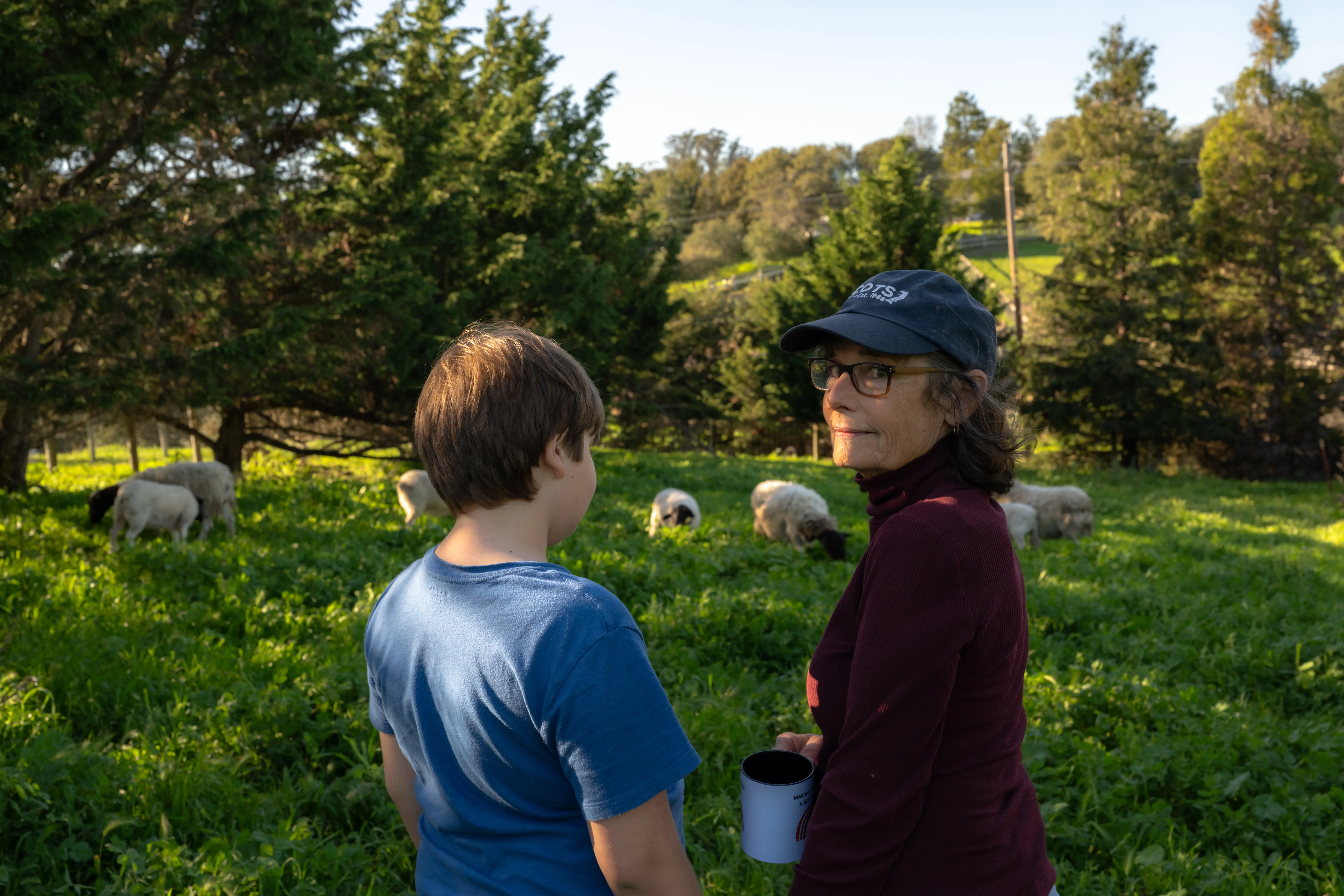
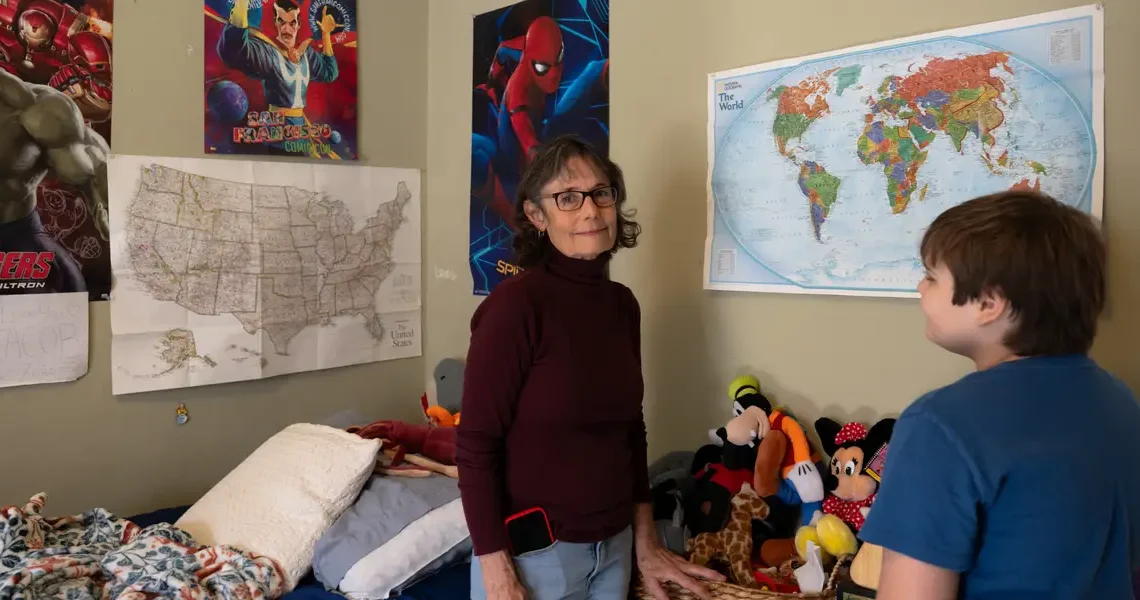
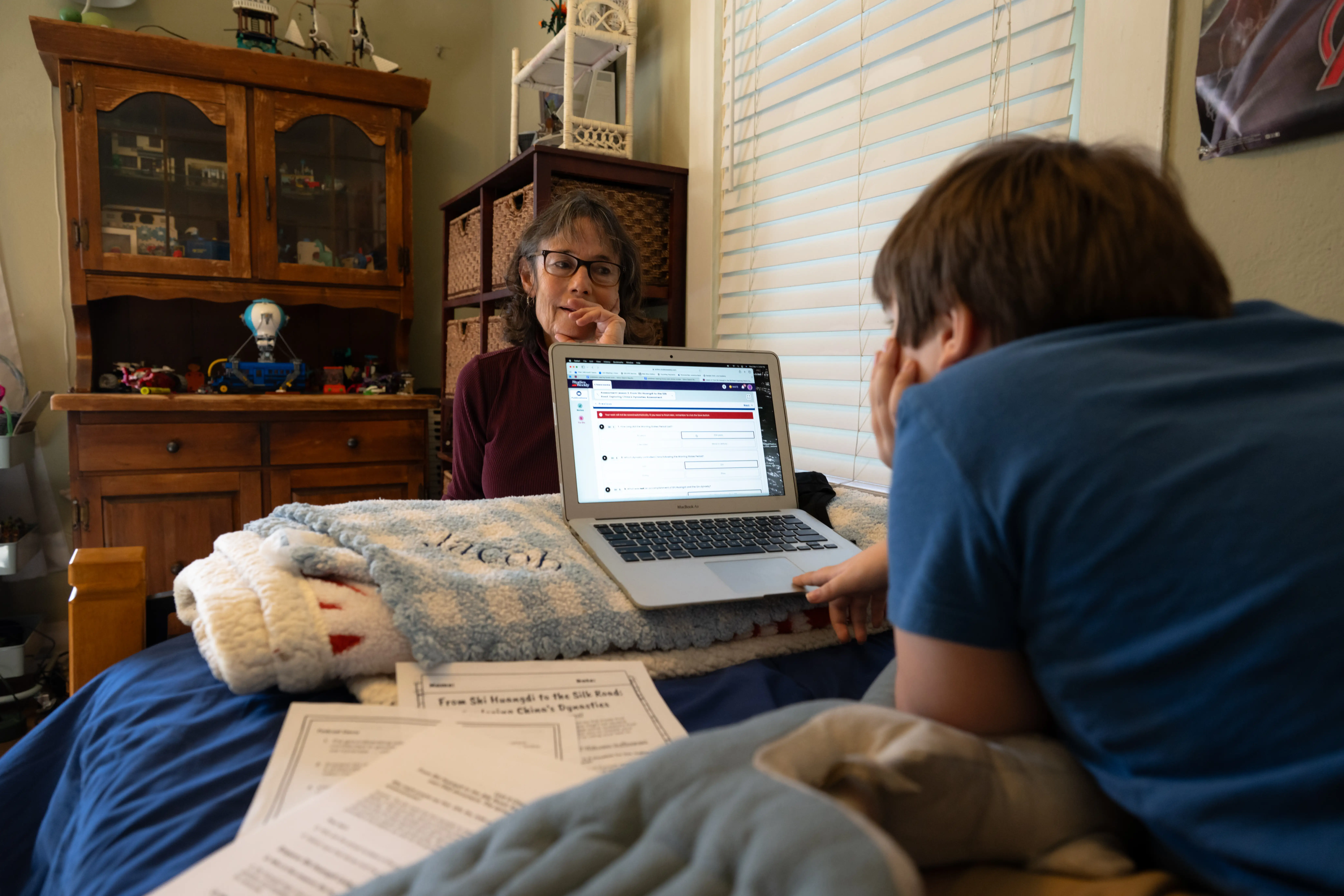
Take Annie Nicol, 76, who started homeschooling her grandson during pandemic-era school closures after consulting with family. She cut back on her work hours to homeschool him and retired a few months ago. His mother died when he was an infant, and now he and his father — Nicol’s son — live in another house on her Bay Area property.
A few days each week, while her husband works as a therapist, she splits homeschooling responsibilities with his other grandmother and his aunt, who are both teachers. She says doing so has given her purpose, and she thinks it could be the key to longevity — her parents both lived into their 90s and had productive retirements. Grandparenting hasn’t been a hit financially, as she lives frugally, though she occasionally splurges on gifts like a trip to Disneyland or the aquarium. In between homeschooling, she runs a small farm on her property and serves on the local board for the homeless population.
“There isn’t a whole lot of support out there for this, but I think culturally, we’re going the wrong direction because family is so important, and everyone in that family has a value and can contribute,” Nicol says.
Read the original article on Business Insider
The post I talked to over 100 grandparents — they say their role is wildly different than they expected appeared first on Business Insider.