California has missed out as the United States has become a global energy superpower.
The US is the world’s No. 1 producer and exporter of natural gas, and the No. 1 producer and No. 3 exporter of oil.
We are also a global leader in promising new and clean electricity technologies, including nuclear.
Our energy abundance has helped our European allies keep the lights on since Russia’s war on Ukraine.
And while markets rise and fall, our energy boom is reflected in generally low US energy prices.
In 2024, US gasoline prices after taxes were 20 percent below the global average. US natural gas prices — important for power plants, factories, and homes — are now three to four times cheaper than those in Europe or Japan.
California, unfortunately, has missed much of that bounty.

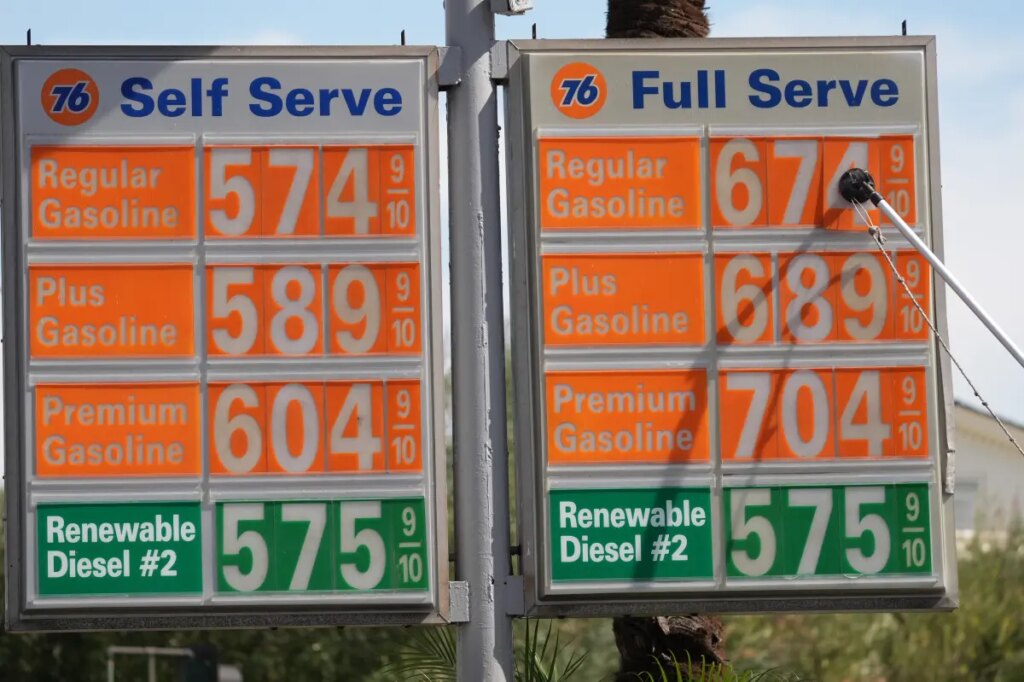
Take gasoline, which now costs an extra $25 per 15-gallon fill-up in California compared with the rest of the US.
That premium is the result of California’s own policy decisions.
State-specific taxes add 44 cents per gallon — about $7 per fill-up — over the national average.
State-specific climate policy fees, including from the Cap-and-Trade (now Cap-and-Invest) program, and the Low-Carbon Fuel Standard for biofuels, add another $5-7.
And California’s special gasoline blends, intended to reduce smog but incompatible with other US and global fuel markets, add an additional premium.
The growing regulatory burden and cost of doing business for fuel suppliers in the state raises gasoline prices, too.
Gas stations have also consolidated, reducing competition.
Meanwhile, California’s refinery capacity dropped by 14 percent, from 1.91 to 1.64 million barrels per day from 2020 to 2025, according to the US Energy Information Administration.
The balance is increasingly filled by imports. Just 12 California refineries remain, with another one set to close this spring.
Gov. Gavin Newsom actually celebratedon social media when oil giant Chevron relocated its corporate headquarters from the San Francisco Bay Area to Texas in 2024, though the company still operates two major in-state refineries.
A recent letter from its management to regulators warned of further gasoline price spikes if Cap-and-Invest regulations become even tighter.
Unfortunately, the state has a poor track record of heeding such warnings.
When University of Pennsylvania analyst Danny Cullenward in 2024 warned regulators that a planned expansion of the Low Carbon Fuel Standard could add up to 85 cents per gallon to 2030 gasoline prices, the agency countered that it was impossible to estimate the costs of its rules.
The truth is that California’s government has options to reduce costs without abandoning environmental goals.
California’s “Cap-and-Invest” system, in which emissions permits are auctioned off to the state’s business, has produced over $35 billion in revenues since 2013.
Electricity consumers receive refunds — about $116 per household last year, for customers of Pacific Gas & Electric.
But for refined fuels, the revenues go to the Greenhouse Gas Reduction Fund — essentially a slush account where, by law, one-quarter has funded California’s unloved high speed rail project.
Would most Californians today agree to add a dollar every fill-up to go toward high speed rail?
If the state now wishes to expand Cap-and-Trade auctions, those new funds could be used to reduce the gas tax, not to pay for a train to nowhere.
Another option: California could reconsider the need for its special gasoline blend, in place since the 1990s.
No good cost-benefit analysis exists for this requirement, and its environmental benefits may have waned, given today’s cleaner-burning vehicle engines.
Finally, we don’t need both Cap-and-Invest and the Low Carbon Fuel Standard, which accounts for about 15 cents per gallon — or another $2 per tank.
We should get rid of the standard, if we are keeping the emissions permit system.
California’s high gasoline and energy prices are not Trump’s fault, or Iran’s fault, or Russia’s fault. They are a choice — and we can choose differently.
David Fedor is the Stephenson Policy Fellow at the Hoover Institution.
Download The California Post App, follow us on social, and subscribe to our newsletters
California Post News: Facebook, Instagram, TikTok, X, YouTube, WhatsApp, LinkedIn California Post Sports Facebook, Instagram, TikTok, YouTube, X California Post Opinion California Post Newsletters: Sign up here! California Post App: Download here! Home delivery: Sign up here!Page Six Hollywood: Sign up here!
The post California chose high gas prices — here’s how to lower them appeared first on New York Post.