March is Women’s History Month, designated by Congress in 1987 to acknowledge that “the role of American women in history has been consistently overlooked and undervalued in the body of American history.”
What does this month mean to you? Who are the women who have shaped and inspired you?
To honor Women History’s Month, The New York Times revisited the obituaries of more than 100 remarkable women across generations to re-examine their lives with the benefit of distance. In “History Makers,” the March 8 edition of The Morning newsletter, Amisha Padnani, the editor of the project, writes about what she discovered:
Oriana Fallaci was a glamorous and incisive journalist known for her aggressive style of interviewing prominent people. Sylvia Rivera was a lively transgender activist who, amid the Stonewall riots, shouted to her lover, “I’m not missing a minute of this — it’s the revolution!”
A portrait shows Indira Gandhi — India’s first and only female prime minister — seated gracefully in a deep red sari, with her hands folded, beside a small arrangement of yellow flowers. The image is elegant and composed, the kind of photograph meant to project calm authority.
These women didn’t wait for the world to expand possibilities for them. They expanded those possibilities themselves.
Reading these stories also made me think about the women who shape us in quieter ways.
When I was young, I didn’t spend much time imagining what kind of woman I would become. The person who shaped me most wasn’t a celebrity or a historical figure. It was my aunt, who moved to the United States from India when I was 6, shortly after my parents divorced. She was funny and generous and cared deeply about doing the right thing. It’s a lesson that has stayed with me: You live according to your values. Recognition, if it comes, is beside the point.
That idea kept coming back to me as I read the obituaries. Most of the women in these pages did not set out to become famous. They followed their convictions and pushed into spaces that had not been built for them. Often they paid a price for it.
Reading about their lives has been an energizing exercise, and yet a frustrating one. Again and again, the larger fight — to be seen clearly, to be taken seriously — felt familiar.
Their stories don’t feel like artifacts from the past. They feel like part of a conversation that is still unfolding.
The “100 Years of Women” project includes obituaries of notable figures, both laudable and contentious, including:
-
Shigeko Sasamori, a Hiroshima survivor who preached peace.
-
Claudette Colvin, a civil-rights activist who refused to give her bus seat to a white woman.
-
Helen Keller, a humanitarian who became a symbol of the indomitable human spirit.
-
Bessie Coleman, a pioneering aviatrix who performed death-defying stunts.
-
Zora Neale Hurston, a poetic writer of Black folklore.
-
Eleanor Roosevelt, the former first lady who was voted “the world’s most admired woman” in international polls.
-
Marthe Gautier, a scientist whose male colleague took credit for her work in identifying the cause of Down syndrome.
-
Sylvia Rivera, a revolutionary who led the charge of the modern LGBTQ+ liberation movement.
-
Wangari Maathai, a Kenyan environmentalist who began a movement to reforest her country.
-
Patti McGee, skateboarding’s first female champion.
-
Selena, the reigning queen of Tejano music.
Students, read the newsletter, and perhaps choose one of the obituaries to explore fully. Then tell us:
-
Who is a woman — whether in your own life, the wider world or history — who has shaped or inspired you? What role has she played in your life? What have you learned from her?
-
What are your thoughts about the Obituaries section’s “100 Years of Women” project? Which notable figures stood out to you, and why? Who would you add to the list? What do you think we can gain from looking back at how women have been memorialized throughout history?
-
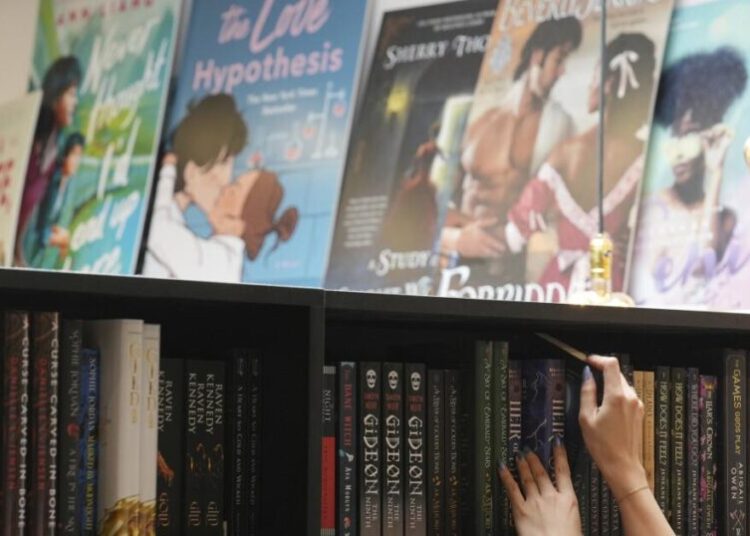
How would you describe the conversation around women and girls today? Consider your own experience: what you’ve seen in recent media, such as news, books, movies or TV shows or even in The New York Times. What stories stand out to you? What do they say about the lives and roles of women and girls in our culture and the rest of the world?
-
Ms. Padnani wrote that revisiting the lives of remarkable women of the past was energizing, yet frustrating, because “the larger fight — to be seen clearly, to be taken seriously — felt familiar.” What do you think she means by that? Do you agree? Why or why not?
Students 13 and older in the United States and Britain, and 16 and older elsewhere, are invited to comment. All comments are moderated by the Learning Network staff, but please keep in mind that once your comment is accepted, it will be made public and may appear in print.
Find more Student Opinion questions here. Teachers, check out this guide to learn how you can incorporate these prompts into your classroom.
Natalie Proulx is an editor at The Learning Network, a Times free teaching resource.
The post Who Are the Women Who Have Shaped and Inspired You? appeared first on New York Times.