Every generation seems to produce someone ready to declare opera and ballet irrelevant. And yet, century after century, these art forms continue to endure — evolving, expanding and moving audiences in ways few artistic traditions ever have.
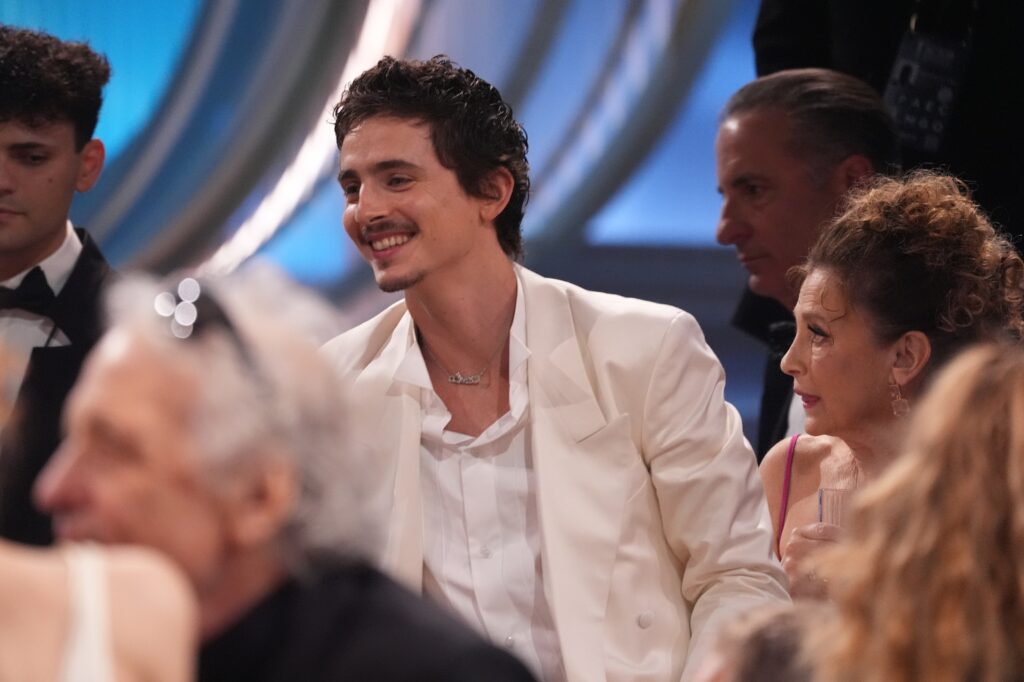
In a recent conversation between Timothée Chalamet and Matthew McConaughey hosted by Variety, Chalamet said “I don’t want to be working in ballet or opera where it’s like, ‘Hey, keep this thing alive, even though no one cares about this anymore.’” This is the kind of reductive take one hears when popularity is mistaken for cultural value.
Opera and ballet move audiences to tears without retakes, without CGI and without editing — only human breath, human bodies and human imagination.
Artists, of all people, should understand the devotion it takes to master an art form. When they mock another discipline, they are not exposing its irrelevance — they are exposing their own ignorance. To dismiss another discipline is not criticism. It is a failure of artistic respect.
Opera and ballet are not obsolete. What is outdated is the idea that art must be trendy to matter.
Opera and ballet have survived empires, wars, revolutions, and centuries of cultural change. I suspect they will survive a celebrity hot take, too.
Seán Tester, Lecce, Italy
The writer is an opera singer.
What is ‘war?’
Why such confusion and hesitancy over using the word “war?” In September, a presidential order announced that “restoring” the name of the U.S. Department of War “demonstrates our ability and willingness to fight and win wars on behalf of our Nation at a moment’s notice, not just to defend.” On a moment’s notice, the U.S. launched an attack on Iran, clearly demonstrating its ability and willingness to fight and win, well, apparently, not “wars” after all but rather “major combat operations” or “targeted strategic military strikes” short of an invasion.
Sen. Markwayne Mullin (R-Oklahoma), the nominee to replace Kristi L. Noem as head of the Department of Homeland Security, initially called it war and then said he misspoke. It seems we all need to study up on the definition of this important word.
In English, the word “war” comes in part from the Old High German word “werran,” meaning “to confuse.” The executive order stated that the new name “sharpens the Department’s focus on our own national interest and our adversaries’ focus on our willingness and availability to wage war.”
In the president’s words, using the word “war” sharpens our focus. Backing away from using that word — together with offering mixed messages on reasons for starting the war and its ultimate goals — leads only to confusion.
Glenn Williamson, Washington
Families deserve honesty
Regarding the March 5 news article “U.S. troops had little protection from strike that killed 6”:
Soldiers deserve to know the truth. So do their families. Even more, so do the families who lose a soldier in war.
During a briefing on Monday, Defense Secretary Pete Hegseth said an Iranian drone strike hit a “fortified” tactical operation center and killed six American soldiers. The Post reported that the facility was a makeshift operations center consisting of a triple-wide trailer. Photos confirm it was not fortified. Will Hegseth tell the families of the dead soldiers that their loved ones were sitting ducks? I doubt it.
Fifty-six years ago, I returned from a year-long tour in Vietnam. I was sickened by the lies that the generals and politicians told about that war. Now, that sickening feeling has returned as I hear how generals and the politicians talk to the American people as they send a new generation to fight an unnecessary war.
Robert Sciaroni, Reston
Don’t speak lightly of casualties
When listening to Donald Trump, Pete Hegseth and Marco Rubio discuss the progression of their war on Iran, one could easily imagine overhearing a group of gangsters talking about eliminating their criminal rivals. The words they use — “obliterate,” “annihilate,” “destroy” — are spoken without hesitation, as though they are spectators enthusiastically watching a cage match. Their approach to discussing the war is marked by a disturbing casualness toward death and destruction.
For instance, when referring to the “quiet death” of Iranian sailors aboard a ship sunk by an American torpedo, the defense secretary described the Iranian regime as “toast,” trivializing the loss of life. Human life is sacred, but these leaders speak of the deaths resulting from war as if they are inconsequential.
Our willingness to accept such rhetoric and actions reflects our collective values as Americans.
Robert R. Macdonald, Mount Pleasant, South Carolina
The post Timothée Chalamet is wrong about opera appeared first on Washington Post.