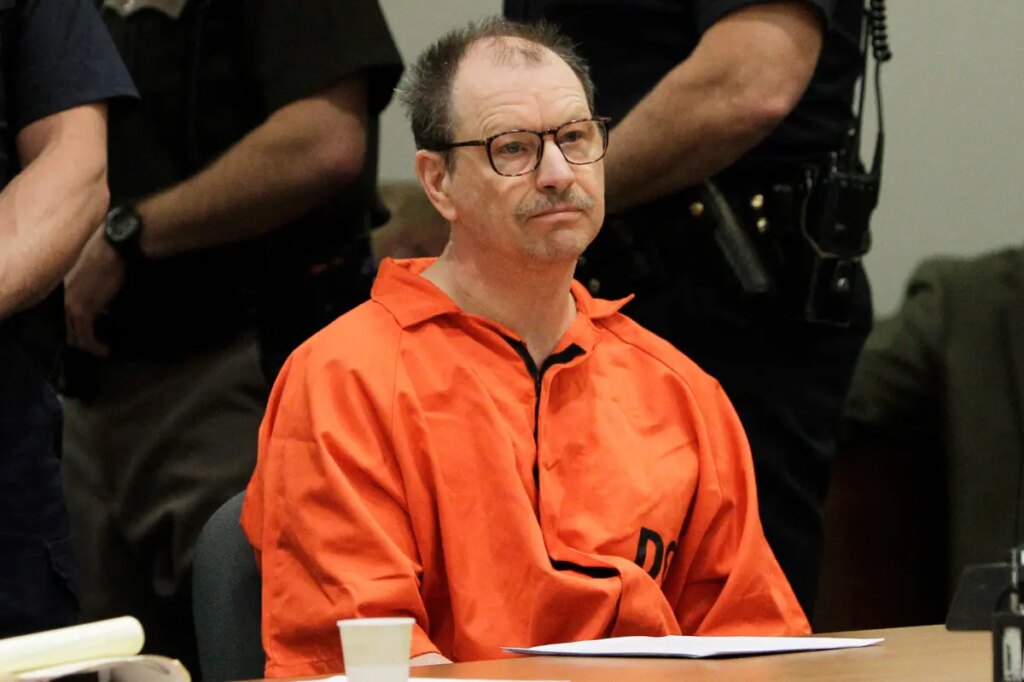
The first sign of evil in Gary Ridgway appeared when he was a 16-year-old boy.
The dyslexic teen from Tyee High School in the US state of Washington had an IQ as low as 80.
His troubled home life spilled over into school, and one day his impulsive thoughts gave way to actual, horrifying violence.
His victim was a six-year-old boy.
Recalling the incident years later, he said Ridgway approached him and whispered: “You know, there’s people around here that like to kill little boys like you.”
He followed that by thrusting a knife through the boy’s ribcage and into his liver.
He told authorities later that he “wanted to see how to stab somebody”.
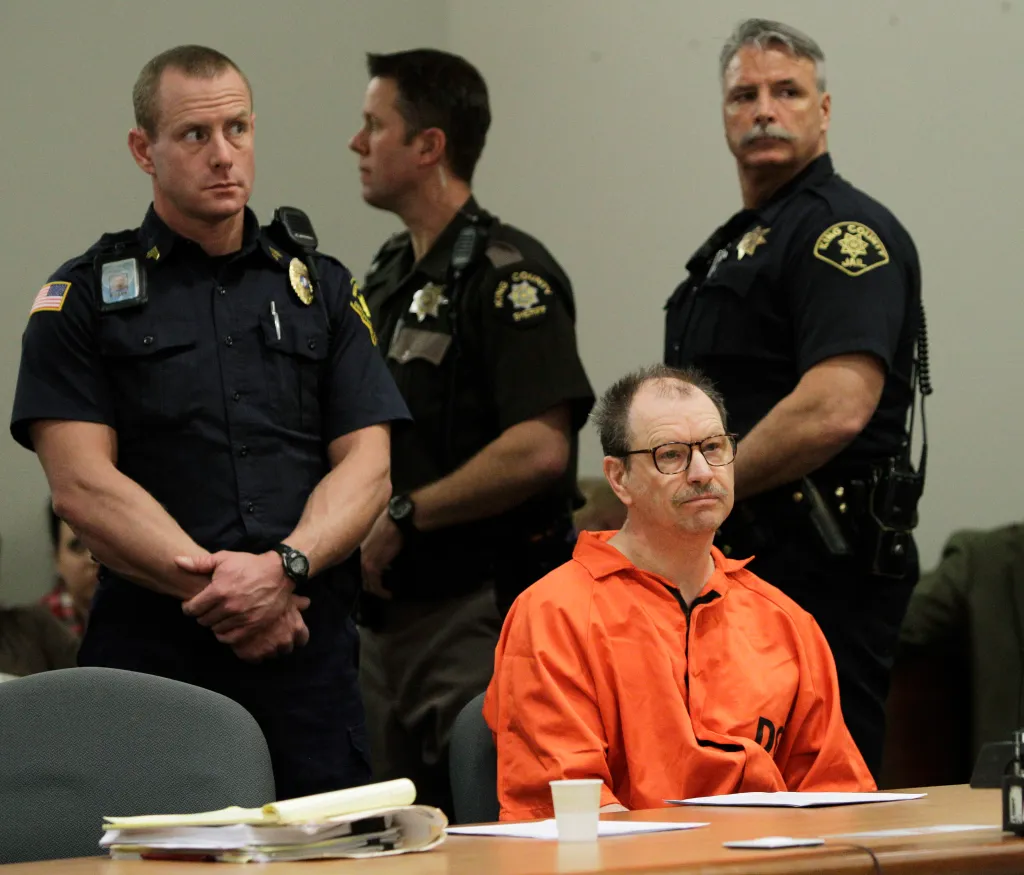
The only child of struggling and sometimes violent parents, Ridgway would go on to murder scores of women and become one of America’s most prolific serial killers.
The official number of victims is 49, but he claims there are as many as 80.
Most were sex workers or vulnerable women whom he targeted for their weakness and whose last moments were tortured.
They were picked up, strangled to death and dumped, sometimes in clusters, in the woods around the Pacific Northwest.
To cover his tracks, he occasionally drove their bodies across state lines before disposing of them.
Ridgway is, unequivocally, loathsome.
He is also where he belongs — serving 49 consecutive life sentences without the possibility of parole inside Washington State Penitentiary.
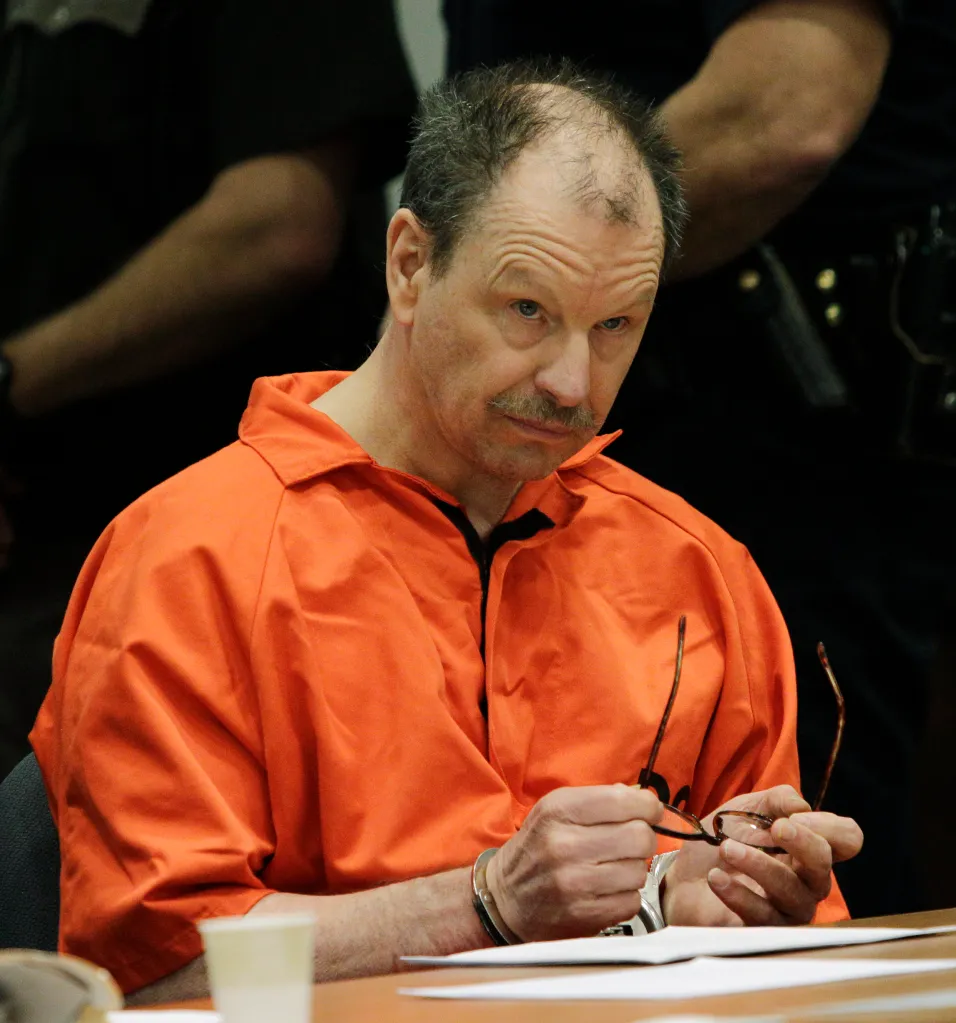
He cannot get his hands on another woman. But that doesn’t mean he can’t torment them. It is from inside the facility that Ridgway has been communicating with one woman.
Her name is Maria DiLorenzo, and their relationship started with one phone call.
‘Manipulated like his victims’
Ridgway, otherwise known as the Green River Killer — a moniker named after the location where his first victims were discovered, largely kept to himself.
Journalists from across the United States reached out to him, but he did not want to talk.
That all changed when DiLorenzo wrote him a letter. She did not expect a response — others who had tried were met with silence.
One day in 2020, while the world was locked down due to the pandemic, DiLorenzo’s phone rang, and Ridgway was on the other end.
The New York native spoke to news.com.au this week about what that call was like, how the calls that followed for months made her question her safety and the “horrific” things he said to her.
“I will never see the world in the same way again,” DiLorenzo told news.com.au.
“Gary has the ability to engage in what at first seems like ordinary conversation before abruptly changing direction into extremely dark and violent territory,” she said.
“He’d do this in such a way that made me feel knocked off my balance in a sense, because it would be so sudden.
“For instance, we could be having a general conversation about New York, where I live, and then he’d start lecturing me how I should take birth control in the event I get raped while describing different horrific scenarios.”
The “ordinary” observations Ridgway made during conversations were a recurring theme.
“Like I said before, he has the ability to present himself in a normal, ordinary way,” DiLorenzo said.
“Oftentimes, we would have regular conversations about what kind of day I was having and vice versa, or he’d talk to me about a show he watched on TV, such as Law & Order, for instance. He’d engage in political discussions with me, curious about my opinions.
“He could also be quite quirky at times and even funny, but in a silly dad-joke kind of way. But those moments would only last so long before he steered the discussion into a perverse subject or turned something ordinary into something depraved.
“Ridgway would show me glimpses of who he really was more than a lot of the others. I spent a lot more time conversing with him than the others, so, over time, he seemed to become more comfortable with me.
“Also, since he knew I was not there to judge him — I genuinely wanted to understand him better — with that level of comfortability and rapport, a lot of his inhibition disappeared.”
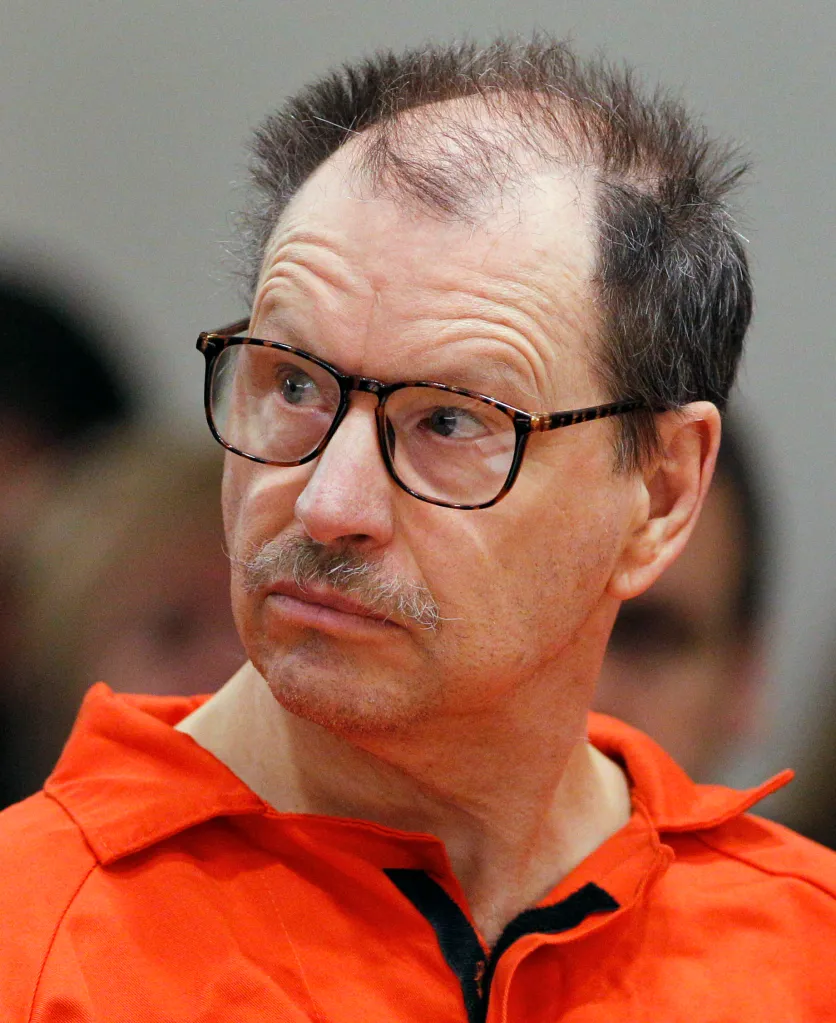
‘He was trying to exert power over me’
The contact started in 2020 after DiLorenzo spent several years researching another project. She had visited various prisons to interview a spree killer and realized she was “somewhat skilled”.
“I seemed to have a knack for it — navigating the prison system and building a rapport with people who are incarcerated,” she said.
When she reached out to Ridgway, she did not expect he would contact her. When he did, she attempted to do what authorities had not managed to do — extract new information about his crimes.
Over several years, he revealed information he had not revealed to others. The details appear in DiLorenzo’s book, to be released in July: Confessions of the Green River Killer.
She gave news.com.au a sneak peek at what it involves.
“We spent some time discussing unsolved cases, specifically 32-42, he claimed to be responsible for. He even told me that if women who were involved in prostitution were found strangled in locations where he left confirmed victims, they were ‘all his.’
“He could never clarify names, because he didn’t remember any, but in my research, I did find two women who met this criteria, Nicole French and Sarah Habakangas.
“Ridgway also alluded to me to killing in different counties, so that’s another important piece of information. He mentioned women that may or may not be real.
“He also admitted to me that he had buried a safe containing evidence that could potentially help solve additional cases. From what I understand, he has been questioned about this by law enforcement, but nothing has come of it.”
The most frightening part for DiLorenzo was when Ridgway described to her all the ways she could be raped and murdered.
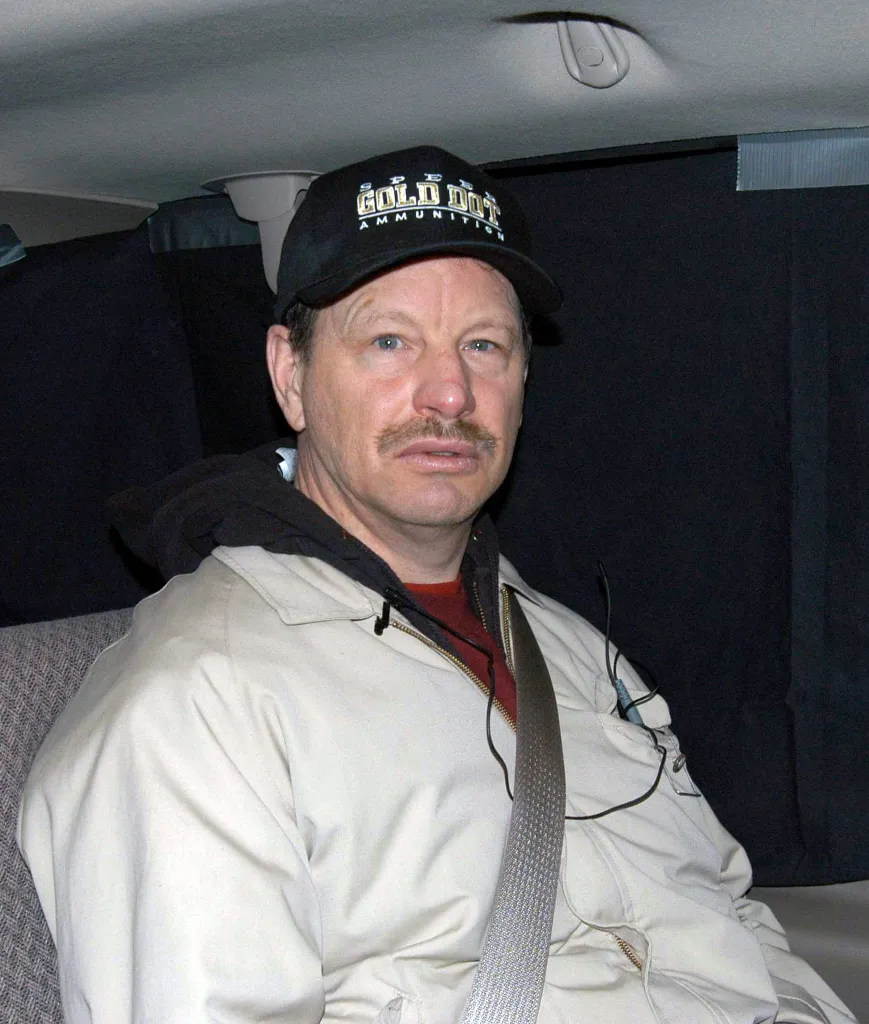
“I think he did that for several reasons,” she told news.com.au.
“On one hand, he was trying to exert as much power as he could over me — since he couldn’t kill, the next best thing for him was to talk to about it.
“Serial killers tend to fantasize a lot, and since he had urges to kill but couldn’t, this was his way of reliving a lot of what he had already done while fantasizing about what he wished he could still do.
“In his mind, during those conversations, he saw me as a victim, someone to manipulate, who he wished to dominate. Since almost everything he does is transactional, this gave him incentive to continue speaking with me and to answer some of my questions.
“But at the same time, he would also give me advice as to how to avoid getting raped and killed. In those moments, I think he wanted to appear as some kind of savior to me and to try to convince me he actually had my best interest in mind.
“If I believed he cared about me, then I would let my guard down and possibly even trust him. It was all a way to manipulate me and gaslight me.”
She said it made her feel “extremely uncomfortable and, in a lot of instances, terrified.”
“To this day, I still have nightmares and trouble sleeping. However, because of the rapport I was able to establish with him, I felt it was imperative to continue speaking with him since there was always the possibility he could reveal more information to me about other murders he committed that he had not been convicted for.
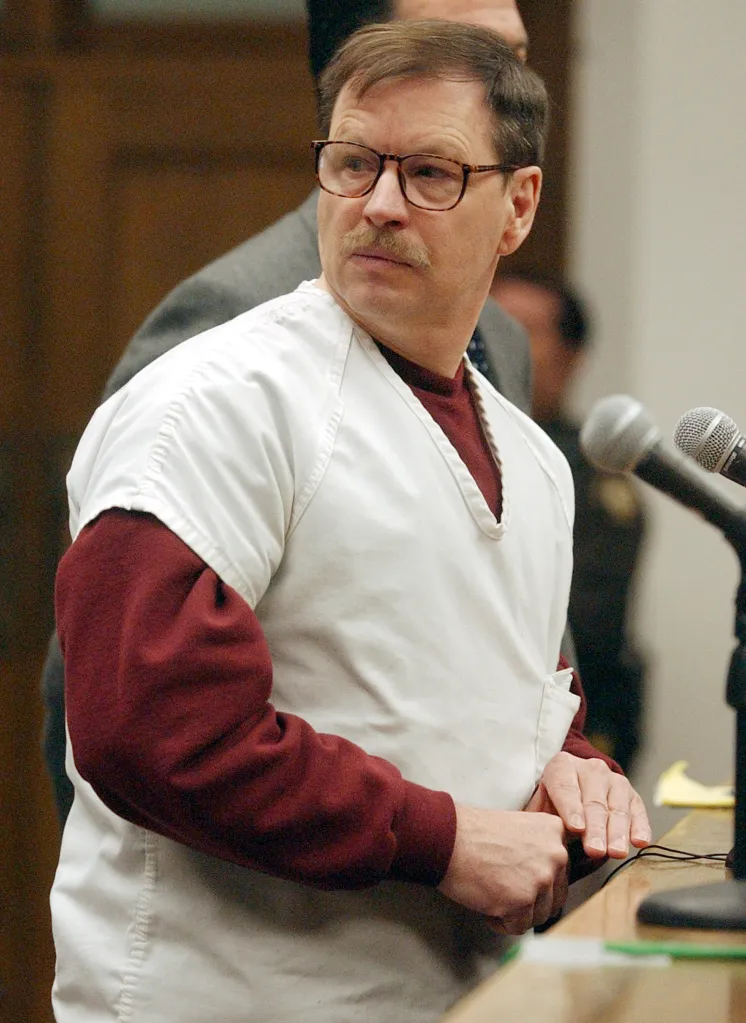
“He barely speaks to media, so I was in a unique position — I was one of the few people to have access to him, so the last thing I wanted to do was jeopardize it in any way. So, I ended playing this long, exhausting game with him.”
Ridgway is, as of this week, believed to be in end-of-life care. Local news reports from December suggested he was “near death.” But the Department of Corrections has labeled that reporting “inaccurate rumors.”
“While we are not able to provide much detail about incarcerated individuals’ medical information, we are able to confirm that Gary Ridgway has not had any change to his medical condition,” a spokesperson said.
A condition of Ridgway’s sentence means he is not eligible to be released into a hospice facility.
DiLorenzo said that if the rumors are true, she will have mixed emotions.
“The unpopular answer (to how I will feel) is that I do expect to feel some kind of sadness, but more over the kind of life he lived rather than the loss of him, if that makes sense,” she said.
“He has lived such an empty, shallow life void of any real feeling. That to me is quite sad, and if I didn’t feel sad about that, I’d be concerned about my own sense of humanity.
“I would also feel incredibly grief-stricken knowing that so many secrets died with him, which could have brought justice to victims and a sense of closure to families. When he dies, those answers will die with him, and that to me is the most heartbreaking part of all of this.”
The King County Sheriff’s office says that Ridgway’s first victim, Wendy Lee Coffield, was found in the Green River on July 15, 1982.
Within a month, four other bodies were found on the riverbank: Debra Lynn Bonner, Marcia Faye Chapman, Opal Charmaine Mills and Cynthia Jean Hinds.
What followed was one of the longest and largest murder investigations in US history.
“Our investigation continued for decades. Over time, the combination of advancing technology, science, and determined investigative work advanced the case until an arrest was made in 2001,” the Sheriff’s office said.
Ridgway pleaded guilty to 49 counts of aggravated murder in the first degree in November 2003. He did not receive the death penalty because he provided information on the whereabouts of several bodies.
News.com.au previously reported that while in jail for killing 49 women, he confessed to a TV crew to killing 80.
The post Major update on the world’s worst serial killer Gary Ridgway appeared first on New York Post.