All politicians now claim that they want to make life more affordable. In practice, too often they simply repackage the same tired policies and claim they’re about addressing costs. Witness the “new” idea from Senate Democrats to break up big meatpacking companies.
Senate Minority Leader Charles E. Schumer (D-New York) and a dozen of his most liberal members introduced a bill on Thursday aimed at forcing meatpackers to process only one type of meat. In other words, a company that sells chicken can’t also sell beef. That arbitrary rule would force big firms like Cargill and Tyson Foods to shrink as they sell or spin off different divisions.
Four companies, including two Brazilian-controlled firms, currently process about 80 percent of America’s beef. The Democrats want to give power to the Federal Trade Commission to compel foreign-owned meat companies to divest U.S. assets, and President Donald Trump has made noises about investigating the industry.
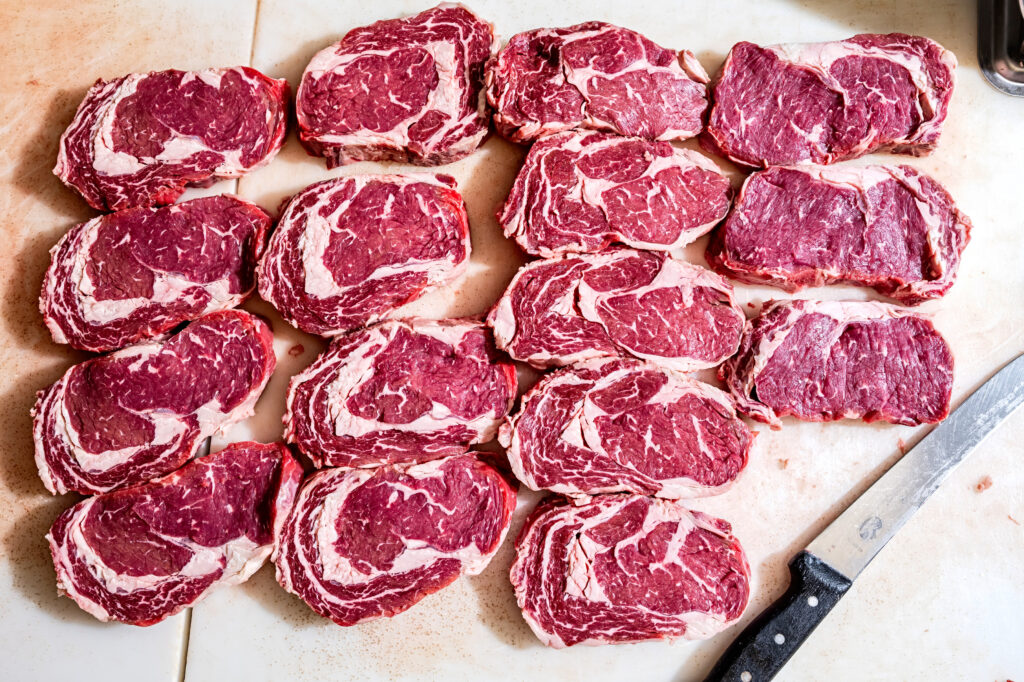
Ground beef prices went up 17 percent last year, and Democrats see political upside where Trump senses danger. Yet it’s not market consolidation or dastardly foreigners keeping prices high. Big companies, on average, sell at more competitive price points than a shopper could get directly from a farm.
It’s already a notoriously difficult business. Tyson’s net profit margin last fiscal year was just 0.9 percent. Cargill’s estimated profit margin was just over 2 percent in 2023.
After breaking up the existing industry leaders, the Democratic bill envisions a host of government subsidies — including financial assistance and loan guarantees — to help small businesses acquire and operate meatpacking plants. Yet the real solution is expanding supply, not fragmenting the industry.
“Imagine the federal government mandating that Ford only manufacture trucks, while forcing them to sell off all their other vehicle lines to separate small businesses,” said Julie Anna Potts, the CEO of the Meat Institute, a trade association. “These facilities are expensive, hard to run efficiently and safely, and are part of a complex value chain.”
The biggest driver of rising prices is that the U.S. has its smallest herd of cattle in 75 years while demand for red meat continues to rise. Importing more beef from other countries would help lower prices for consumers, but politically influential ranchers don’t want that.
Democrats are hungry for an issue to dine out on in the midterms, but their bill leaves Americans wondering: Where’s the beef?
The post The dumbest way to lower beef prices appeared first on Washington Post.