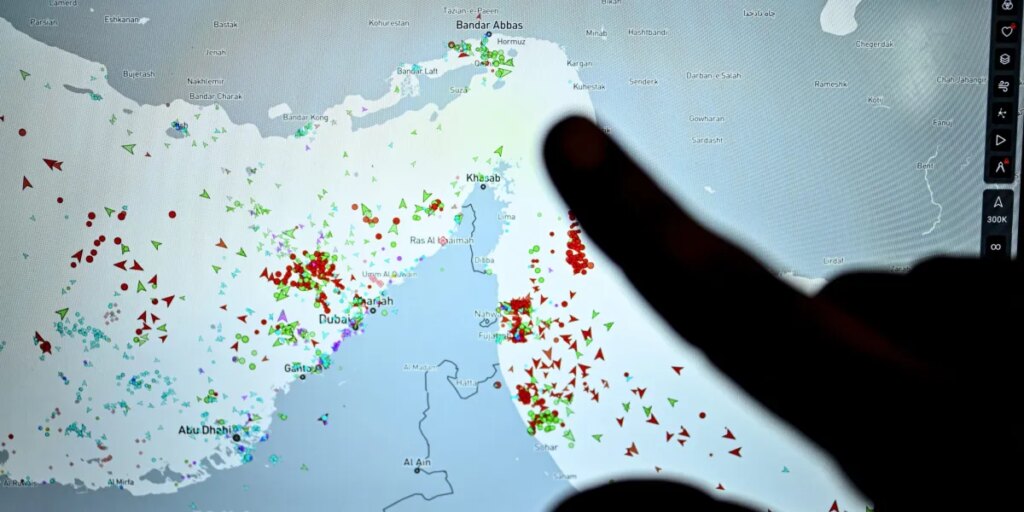
This is the second in a two-part series about how to solve the energy war that flows downstream of the closing of the Strait of Hormuz. Part one, about understanding the problem, is here.
While diplomats talk about what to do with the key oil chokepoint of the Strait of Hormuz closed, the actual battle for low-cost and robust energy will be won through the integration of physics, subsurface engineering, and advanced computation.
The era where owning the geography meant owning the power is over. We are entering the age of “decentralized techno-resource sovereignty.” The nations that survive will be those that own the technology to extract and move energy with extreme efficiency; thereby, replacing massive, vulnerable, and centralized global hubs with resilient, decentralized domestic resources.
Here’s what needs to happen—and change.
1. The Move to Subsurface Sovereignty: A Global Mandate for Resilience
Large centralized surface infrastructure is now a catastrophic liability. A single drone strike or cyber-physical breach can paralyze an above-ground export hub, instantly stranding billions in energy assets. To achieve true energy resilience, the world must move beyond the static, surface-level Strategic Petroleum Reserves (SPR) of the 20th century and embrace Subsurface Sovereignty. This is a global imperative to utilize engineered salt caverns and porous geological formations as high-efficiency, secure energy-batteries for the international economy.
The subsurface storage reserve acts as the ultimate shock absorber against price spike and the decay of petroleum reserves due to poorly managed well shut-in during crisis. By maintaining a deep, decentralized buffer of hydrocarbons, any nation, whether a major producer or a critical importer, can sustain its domestic energy flow even when maritime arteries are severed. However, this is not just about digging holes. Safely injecting and withdrawing massive volumes of hydrocarbons at high speeds to offset a sudden loss of global supply requires immense computational power. We must use high-fidelity, fast reservoir simulation and real-time parameter estimation to manage rock mechanics and prevent cavern wall collapse under rapid pressure cycling.
Mastering this subsurface engineering protocol allows a nation to stabilize its internal markets and, most importantly, protect its reservoirs from the irreversible damage caused by forced production halts. In an era of global volatility, the subsurface earth resource is the only territory that can be truly secured by technology.
2. Upstream Engineering 4.0 for the New Decentralized Global-Energy Order
The economic impact of the current energy shock is deeply unequal, punishing import-reliant nations across the globe, from the industrial hubs of Germany and South Korea to the emerging markets of India and Southeast Asia. This isn’t just a market fluctuation; it is a direct threat to the standard of living for billions who are now at risk of energy poverty and economic stagnation.
In this ongoing shift in the global order, power no longer belongs to the owners of the geography, but to the owners of the technology. For any nation seeking to escape this cycle of vulnerability, the only path forward is Upstream Engineering 4.0. This is a global mandate to move away from exploring fragile energy from conflict-prone regions and instead apply advanced computation to mature, secure domestic basins at a massively decentralized scale.
By deploying a distributed network of high-fidelity sensors and predictive simulations and the power of extensive, low-latency widespread machine learning based engineering control, nations can transform thousands of independent wells and small, scattered oil fields into a coordinated, resilient production grid. This technical pivot would allow nations to squeeze every profitable drop from their own land with surgical precision, bypassing the geopolitical chaos of distant chokepoints and securing a future defined by Decentralized Techno-Resource Sovereignty.
3. A Reality Check for Energy Transition
The ongoing energy shock is the ultimate test of resilience, exposing which energy sources stand the test of conflict and which are a dangerous waste of time and capital. Sources that rely on centralized global transit, like natural gas trapped in vulnerable LNG ports or oil dependent on contested maritime straits, have proven fundamentally unreliable. They are fragile energy, prone to instant paralysis by insurance blockades and asymmetrical strikes. Investing further in these centralized, distant dependencies is a waste of money that leaves a nation’s economy defenseless.
The only sources that come in handy during such a crisis are those that are decentralized and technologically protected. While renewables offer long-term energy security, they cannot instantly scale to meet the massive baseload demands. Our immediate bridge is a pivot to secure, domestic hydrocarbons optimized by computation. By using advanced data analytics and automated wellhead preservation, we can make domestic extraction as clean and efficient as possible.
We must prioritize specific energy-transition technologies that require aggressive investment today: Enhanced Geothermal Systems (EGS) and Advanced Solar-plus-Storage. Geothermal, in particular, mirrors the subsurface engineering of the oil industry; it provides a reliable, decentralized baseload that is immune to naval blockades and cloud cover alike. Similarly, investing in distributed Long-Duration Energy Storage (LDES) turns intermittent solar into a resilient micro-grid that can power industrial manufacturing regardless of the global tanker market.
4. Strategic Playbook: Navigating the New Energy Order
The current crisis demands a different playbook for every nation and every actor in the energy value chain. Below is the mandate for survival in the era of Techno-Resource Sovereignty.
For Major Oil Producers
- The Goal: Prevent your national wealth from becoming a stranded asset.
- To-Do: Invest heavily in Automated Wellhead Preservation and Physics-Informed Digital Twins. If you are forced to stop flow, you must have the sensing capability to modulate pressures and prevent capillary trapping.
- Not-to-Do: Do not rely solely on the promise of surface security. Surface tanks are targets; subsurface reservoirs are fortresses. Stop building massive, centralized export terminals that a $5,000 drone can destroy.
For High-Consumption Importers
- The Goal: Break the Inflation-Interest Rate feedback loop.
- To-Do: Shift from Strategic Petroleum Reserves (SPR) to Subsurface Sovereignty. Purchase crude when prices are low and inject it into your own domestic geological formations. This turns your territory into a high-capacity energy battery.
- Not-to-Do: Stop signing long-term contracts for fragile energy that requires passage through chokepoints like the Strait of Hormuz or the Suez Canal. Any contract that doesn’t include a technical bypass strategy is a liability.
For Resource-Depleted Nations
- The Goal: Decouple your economy from global maritime logistics.
- To-Do: Pivot immediately to Enhanced Geothermal Systems (EGS) and Distributed Solar + Long-Duration Energy Storage. Geothermal allows you to mine the heat beneath your own feet, a source that cannot be blockaded or sanctioned.
- Not-to-Do: Do not waste limited capital on building LNG regasification plants that depend on distant, volatile sellers. This is simply outsourcing your vulnerability at a high cost.
For National Oil Companies (e.g., Aramco, ONGC, ADNOC)
- The Lesson: You are no longer merely resource extraction entities; you are the ultimate guardians of your nation’s geological wealth and rock physics.
- To-Do: Transition from volume-based extraction to Automated Reservoir Preservation. Deploy real-time sensor networks and machine learning algorithms to continuously monitor fluid flow within porous materials. During forced shut-ins, you must actively modulate bottom-hole pressures to prevent water coning and capillary trapping.
- Not-to-Do: Do not allow your domestic reservoirs to fall victim to the silent killer of physical decay. Shutting in a field without advanced computational modeling and parameter estimation is an act of economic self-destruction.
For International Oil Companies (e.g., Exxon, Chevron, Shell)
- The Lesson: Your competitive advantage is no longer just deepwater capital; it is your computational stack, your predictive simulations, and your engineering talent.
- To-Do: Pivot your business model toward Technology as a Service (TaaS). Use your massive datasets and deep learning capabilities to help import-reliant nations, such as India, build Subsurface Sovereignty. Lead joint ventures in engineering salt-caverns and deploying Upstream 4.0 field optimization.
- Not-to-Do: Stop chasing fragile frontier oil in geopolitical hotspots. The threat triplet and insurance freezes have permanently destroyed the return on investment for high-risk geography. Invest your capital in technology that makes existing, secure basins more resilient.
For Transit & Chokepoint Nations (e.g., Egypt, Turkey, Panama)
- The Lesson: Your geographic rent is disappearing. As technology bypasses your territory, your surface waterways will lose their geopolitical leverage.
- To-Do: Diversify your economy by leaning into Earth resource engineering. Become a hub for subsurface storage. Use your unique geology to host international energy batteries in porous formations, charging leasing fees for secure, technology-driven storage.
- Not-to-Do: Do not sink billions of dollars into the physical widening of canals or straits. The era of massive, vulnerable maritime traffic is being superseded by decentralized domestic production and computational efficiency.
The nations that will overcome the energy shock are those that stop allocating capital to vulnerability and start investing fearlessly in their engineers and the technologies. Without the engineer’s ability to interpret sensor data, run subsurface simulations, and automate resource maximization, a nation’s sovereign reserves are nothing more than stranded assets. In the new world order, the engineer’s laptop is more powerful than the nation’s claim over geography.
Techno-Resource Sovereignty is the science of harnessing the subsurface earth and energy resources through the lens of computation. It is the only way to secure energy independence and prevent global energy poverty.
The views and opinions expressed in this article are those of the author and do not necessarily reflect the official policy or position of Texas A&M University, nor do they necessarily reflect the opinions and beliefs of Fortune.
The post Bypassing Hormuz: how technology, not territory, will win the new energy war appeared first on Fortune.