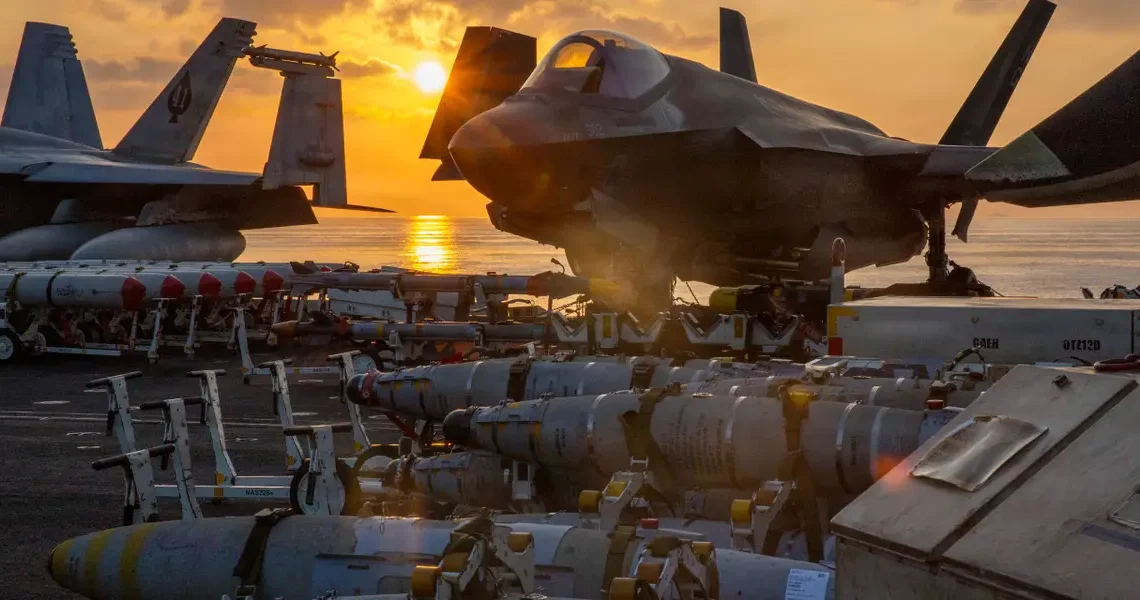
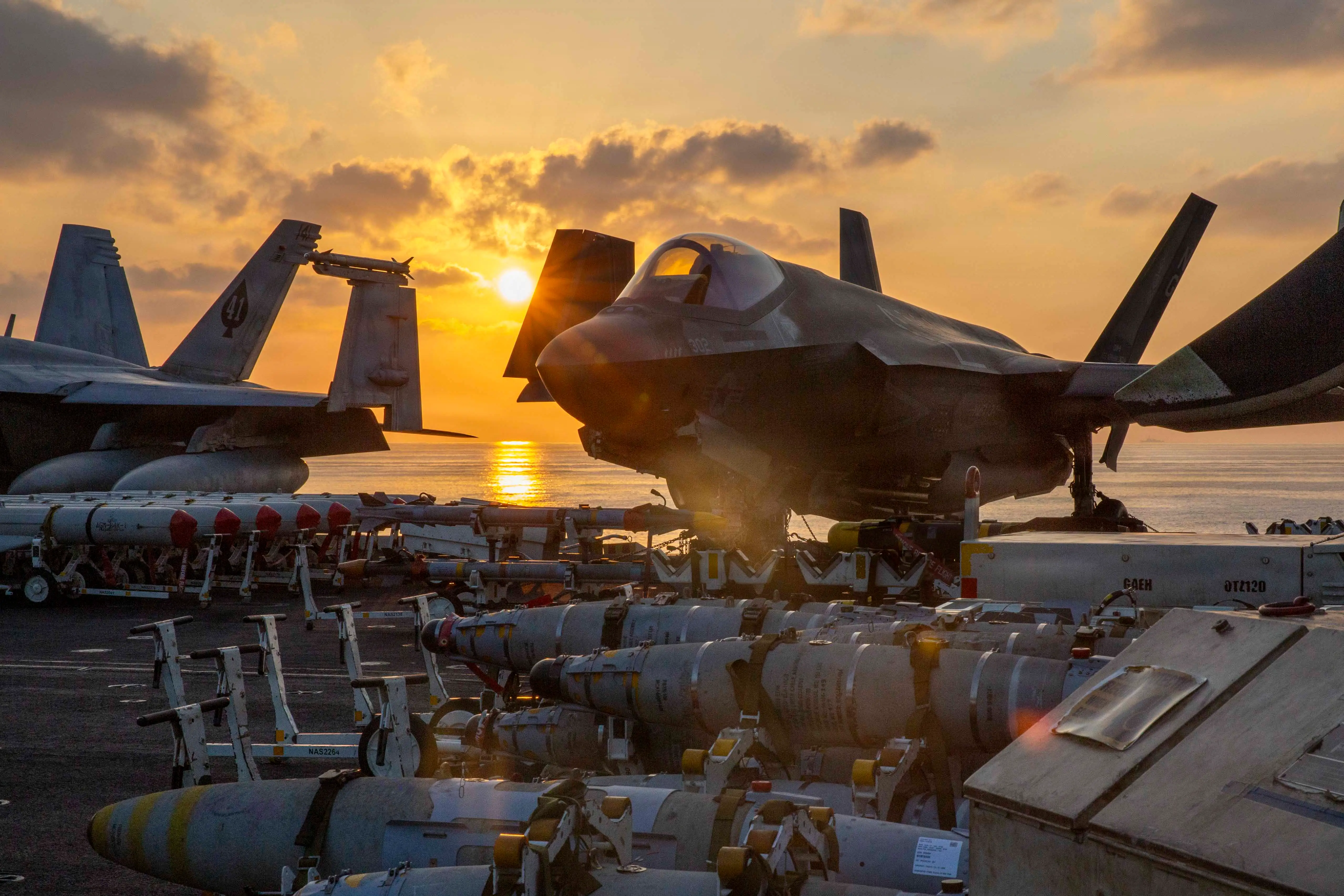
In the opening hours of Operation Epic Fury, the US targeted Iranian combat assets with firepower that isn’t as visible as a missile but is devastatingly effective in modern warfare.
The “first movers” were US space and cyber forces, Chairman of the Joint Chiefs of Staff Gen. Dan Caine said Monday. They disrupted, degraded, and blinded Iran, setting the stage for massive follow-on strikes.
Operation Absolute Resolve against Venezuela earlier in the year involved similar tactics. As the helicopters carrying special operations forces approached its shores, “the United States began layering different effects provided by SPACECOM, CYBERCOM, and other members of the interagency to create a pathway,” the top general said afterward.
US Space Command and Cyber Command also provided critical support to Operation Midnight Hammer, which saw the US hit Iran’s nuclear facilities last summer. All three of these operations have been against well-armed nation-states, not terrorist groups or insurgencies.
In each of these operations, non-kinetic effects, the capabilities beyond physically shooting and destroying a target, played an important role. Non-kinetic cyber, space, and electronic warfare are ways militaries can jam signals, hack networks, or disrupt satellites to blind or confuse an enemy without blowing something up.
The electromagnetic spectrum, the full range of all types of light energy, from low-energy radio waves to high-energy gamma rays, is a particularly crucial battlespace.
Two summers ago, the commander of the US Air Force’s 350th Spectrum Warfare Wing spoke about the importance of electronic warfare and the electromagnetic spectrum. He said that “the spectrum is a bad place to be second, and if we lose in the spectrum, or are unable to affect the spectrum, the joint force will lose, and we’re going to lose very quickly.”
The war with Iran reinforces that being able to fight effectively in the hidden battles is crucial.

“As we look at warfare in the 21st century, the use, the exploitation, the denial of the EM [electromagnetic] spectrum is absolutely foundational to victory,” Houston Cantwell, a retired US Air Force brigadier general and expert at the Mitchell Institute for Aerospace Studies, told Business Insider.
“In the 20th century, it was important. In the 21st century, it’s essential,” he said.
Modern electromagnetic spectrum warfare took shape during World War II, when radar, signals intelligence, and jamming became valuable tools. The technology and speed have evolved dramatically in the 80 years since, but the core logic — detect, disrupt, deceive, and protect use of the spectrum — still underpins military operations today.
The “freedom of action in the electromagnetic spectrum,” the department said in its October 2020 strategy, “is a required precursor to the successful conduct of operations in all domains.”
The US and Israel have targeted Iran’s air defenses to clear the way for air operations, potentially blinding them by jamming or disabling the radars they rely on. They may also have disrupted communications between command centers, radars, air bases, and fighter jets using jamming, cyber, and other non-kinetic tools. Specifics are unclear, but the US has many options.
Maintaining dominance in the electromagnetic spectrum is as vital as denying the enemy’s use of it, Cantwell said, especially for weapons that rely on laser, GPS, or satellite navigation. If the spectrum is denied, then those precision weapons might “absolutely” fail.
Watching the war in Ukraine, the US has learned a lot about how its precision weapons, like HIMARS-fired Guided Multiple Launch Rocket Systems and air-launched Joint Direct Attack Munitions, fair against electronic interference. Kyiv’s forces have previously observed major drops in the accuracy of weapons because of Russia’s electronic warfare capabilities.
Ukraine’s battlefield has been dominated by elements of electronic warfare, as both sides jam communications, drones, weapons, and other systems.
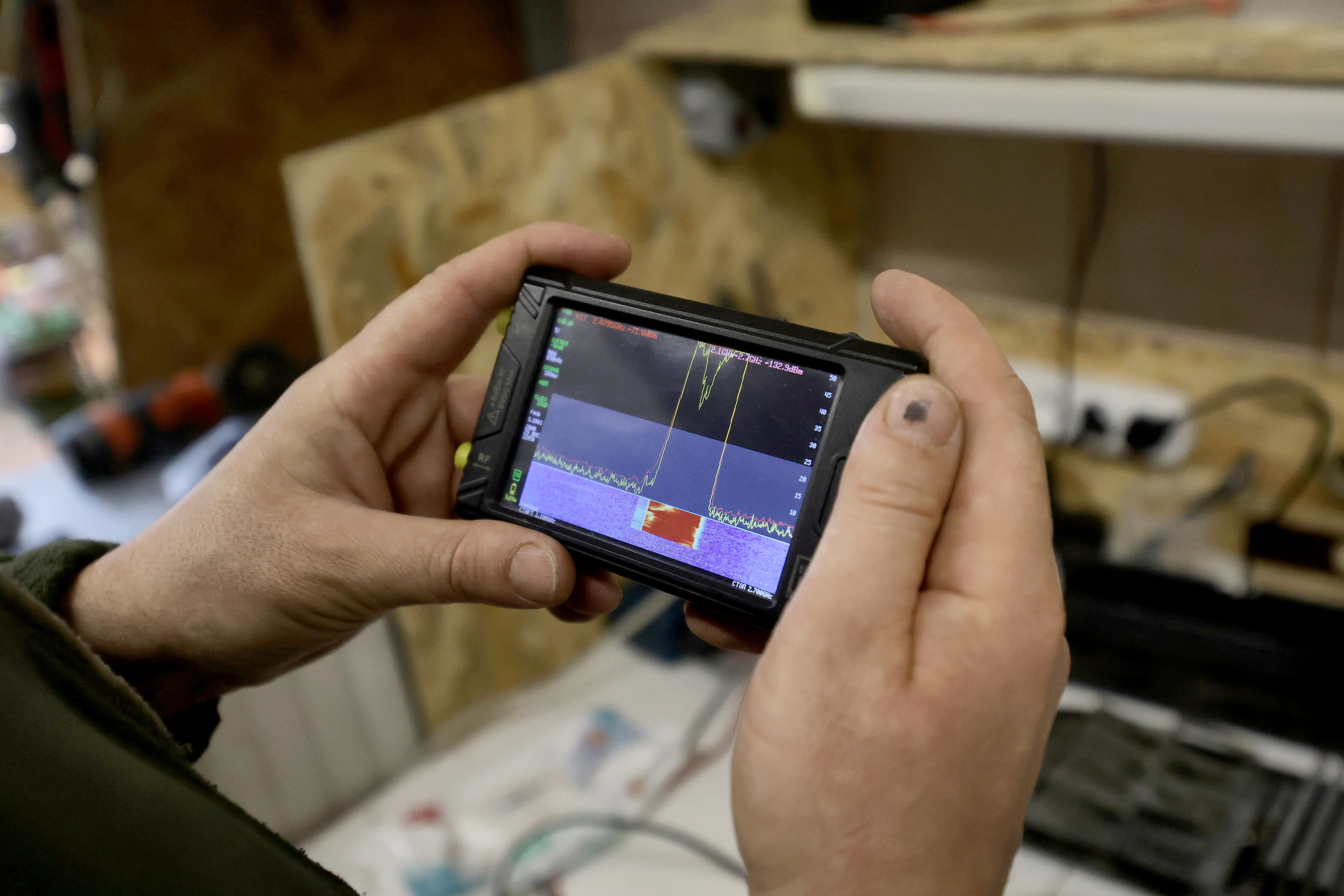
Analysts said the war has demonstrated the widespread effects these tactics can have, and over the last four years, US military officials have often discussed the importance of owning the electromagnetic spectrum in future conflicts, while also acknowledging they expect difficulties in doing so, especially against a peer adversary like Russia or China.
Fighting within cyberspace is an important related element that is largely hidden in combat but of great importance, and while the exact uses of cyber warfare in recent US fights haven’t been publicly disclosed, its potential impacts are notable.
Cyber warfare is a very useful tool in the disruptive phase of an operation, but it’s also critical for “supporting reconnaissance and broader intelligence-gathering efforts in preparation for the operation and in planning its subsequent phases,” Louise Marie Hurel, a cybersecurity expert at the Royal United Services Institute who has consulted for the United Nations, told Business Insider.
The approach to cyber operations has varied between recent campaigns, but one thing is becoming clear, Hurel said. Cyber was previously considered decisive on its own, but now there is an increasing understanding that “cyber is more useful as an enabler and force multiplier within broader operations.”
Unseen non-kinetic effects, from cyber to electronic warfare, that are able to confuse or weaken enemies at key moments in battle can clear the way for kinetic strikes, while protecting reliable access to the electromagnetic spectrum on defense ensures that forces can communicate and operate and also deny the enemy forces the chance to interfere.
These are capabilities that militaries can’t afford to execute operations without.
While a military “might not win the war through spectrum dominance alone,” Royal United Services Institute electronic warfare and air defense expert Thomas Withington said. “If you lose the battle in the spectrum, you’re not going to win the war.”
Read the original article on Business Insider
The post The war with Iran is more evidence that winning the fights you can’t see is critical in modern combat appeared first on Business Insider.