The principle that lawyers can’t be punished by the government for clients they represent or causes they take on is too deeply embedded in the American legal system to be expunged by a single president. The Justice Department was ready to belatedly acknowledge that foundational truth but changed course on Tuesday.
Last year, President Donald Trump imposed sanctions on law firms he perceived as hostile, in part because of who they employed and which cases they took on. One executive order said Jenner & Block “engages in obvious partisan representations to achieve political ends,” and another complained that Covington & Burling provided pro bono representation to former special counsel Jack Smith.
Trump sought to scare away their clients. He wanted to deny lawyers at targeted firms access to government buildings and security clearances they needed to do their jobs. He ordered that Covington lose any government contracts. Others firms faced secondary sanctions, meaning that government contractors were ordered to disclose any business they did with them. “Big Law” makes most of its money working for big companies, many of which have contracts with the government.
These sanctions interfered with the firms’ First Amendment right to free association, and everyone who challenged them in court was victorious. U.S. District Judge John D. Bates, for example, ruled that Trump’s sanctions against Jenner & Block sought “to chill legal representation the administration doesn’t like, thereby insulating the Executive Branch from the judicial check fundamental to the separation of powers.”
It also distorts the economy if a president can arbitrarily pick individual businesses to punish. Employers — whether they’re law firms or manufacturers — should be focused on delivering for customers, not avoiding the wrath of politicians. Companies should also be able to hire the right legal representation for them without worrying about the law firm’s political orientation.
Nine firms struck deals with Trump to avoid a hit to their business or a protracted legal fight. That subjected them to internal and external criticisms for caving to presidential bullying. In many cases, the symbolism was worse than the concessions. Law firms such as Kirkland & Ellis agreed to devote more of their pro bono work to causes Trump favors, though these were vaguely defined. Some firms that made accommodations lost clients and partners. The episode also had a chilling effect on entities that weren’t targeted because taking on certain cases risked drawing the president’s ire.
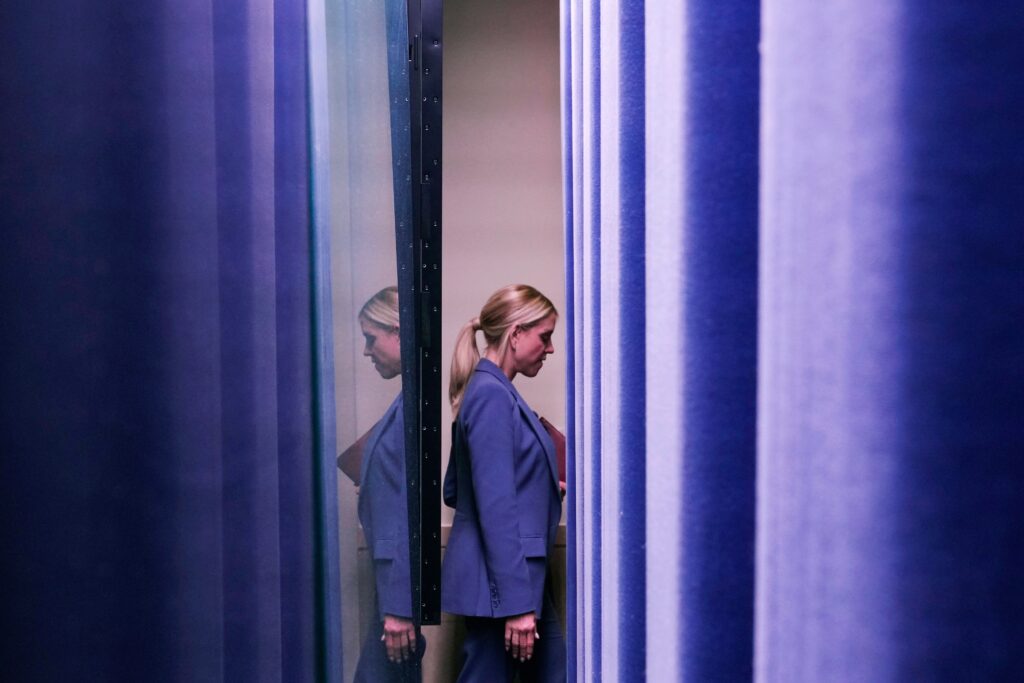
After the firms that challenged the executive orders won in lower courts last year, the Justice Department appealed. Its brief at the U.S. Court of Appeals for the D.C. Circuit is due Friday. On Monday, it looked like cooler heads might have finally prevailed. Associate Attorney General Stanley E. Woodward Jr. filed a motion to stop defending the law firm sanctions. But higher-ups in the administration apparently couldn’t abide the publicity from a tacit admission of defeat. On Tuesday, the Justice Department reversed itself again, with Woodward filing a new motion to withdraw what he submitted the day before.
Are government lawyers paid enough to withstand such embarrassments? The legal fight might drag on, but Trump’s executive orders are still probably dead in the water — and the latest flip-flop suggests the Justice Department knows it. Trump felt he had a free hand in his first year to govern by executive order, but the Constitution’s constraints are catching up.
The post Hotter heads prevail at Trump’s Justice Department appeared first on Washington Post.