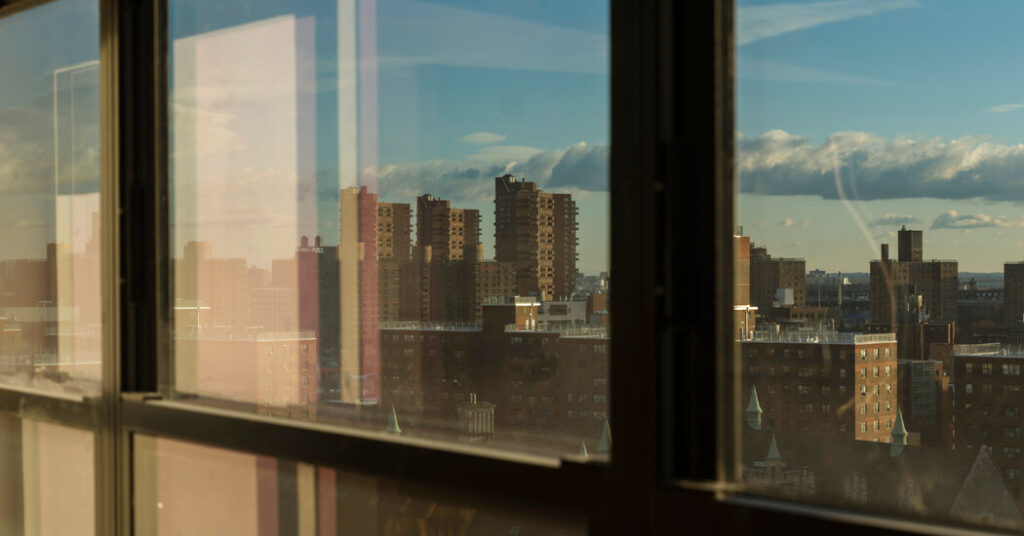
The number of vacant apartments in New York City’s vast public housing system more than doubled to over 6,700 between January 2022 and May 2025, according to a report released by city inspectors on Tuesday. Those vacancies have opened up the units to hundreds of illegal squatters, the report added, compromising the safety of the buildings.
The findings underscore the enormous challenges facing the aging public housing system, which is home to some 350,000 people — a population greater than that of Orlando, Fla. They also reinforce the problems confronting Mayor Zohran Mamdani, who, months into the job, has already been criticized for not prioritizing the needs of public housing residents, despite having presented himself as a champion of city renters.
The report, released by the Department of Investigation, found that the average apartment sat empty for more than a year after being vacated, in part because of the expense and time required to renovate it before new occupants could move in. The process often includes addressing lead paint and asbestos problems.
But the report also identified a number of shortcomings in the New York City Housing Authority’s management of the system, which includes more than 177,500 apartments across 335 developments citywide.
The agency did not “proactively inspect” vacant apartments to make sure they were empty between tenancies, inspectors found. It also used the same type of key for all vacant apartments in a development — and for some NYCHA offices — making it possible for anyone who has the key to access many units.
Over the more than three years analyzed by the Department of Investigation, city agencies reclaimed almost 550 apartments from “unauthorized occupants,” according to the report. That led to at least 81 arrests for trespassing, criminal possession of a controlled substance and criminal possession of a weapon, the department said.
The report offers a few examples of the problems created by vacant apartments.
In one Bronx unit, the police found a member of the Sex Money Murder gang who had been fatally shot, the report said. In a Brooklyn unit, officers found a gun and two people believed to be part of the Untouchable Gorilla Stone Nation gang.
Christopher Ryan, the investigative department’s acting commissioner, said in a statement on Tuesday that “NYCHA apartments that sit vacant reduce the already limited availability of the city’s public housing stock, and without appropriate security measures, pose a public safety risk for public housing residents, employees and contractors.”
A spokesman for the housing authority, Michael Horgan, said that the agency collaborated with the Police Department in 2023 to “root out criminal activity in vacant units on NYCHA property.” He said that the authority would “continue this work in support of our joint mission to provide safe housing for NYCHA residents.”
Those residents have been dealing with a host of problems — including persistent leaks, heat outages and pests — for years. Parts of their buildings sometimes even collapse or explode. The cost of needed repairs and renovations totaled some $78 billion in 2023, according to the latest NYCHA estimates.
The agency has been methodically turning over its developments to private management in recent years. That allows the housing authority to tap into a different type of federal funding to make repairs and improvements.
The increase in vacancies is particularly troubling because of the extreme shortage of affordable housing in New York City. A NYCHA unit typically rents for 30 percent of a household’s annual income, and the agency has a list of roughly 165,000 households waiting for an apartment.
In its report, the Department of Investigation recommends that the authority inspect vacant apartments on a monthly basis to make sure nobody is living there illegally. It also recommended that the agency use different keys for vacant apartments, and that resident watchdog groups report any squatters.
NYCHA accepted all the recommendations, but said it needed time to implement some of them.
Mihir Zaveri covers housing in the New York City region for The Times.
The post New York City Public Housing Vacancies Double to 6,700, Watchdog Says appeared first on New York Times.