Nobody in Hollywood wanted any of this to happen. No matter who triumphed in the monthslong, high-stakes takeover battle between Paramount Skydance and Netflix for Warner Bros. Discovery, many other people are going to lose.
Netflix is widely resented for upending the business model of the legacy entertainment industry, which meant nobody was exactly cheering it on. The hostile takeover bid by Paramount, led by David Ellison, with backing from his tech-mogul father Larry Ellison (who happens to be quite friendly with Donald Trump) also left Hollywood nervous.
After years of tumult — Covid, strikes, streamer wars, wildfires — Hollywood is exhausted, angry, resentful and anxious. Now that Paramount has come out on top, the only relief is that the wait is over. Will it be good for business? Or just less bad than if Netflix had prevailed?
About a decade ago there was the giddy rush of a streaming boom as Apple and Amazon joined Netflix and dumped boatloads of cash into the entertainment ecosystem. It was called “Peak TV.” It seemed as if it might never end.
The legacy Hollywood studios tried to catch up, introducing their own streaming services: Disney+, Paramount+, Peacock, Starz and more. Everyone recognized that the once wildly profitable cable television business was dying, and streaming was an insatiable beast. Earnings calls became about the latest rise or fall in subscriptions. Investor decisions hung on the billions of dollars that companies were investing in “content,” as opposed to the theatrical release schedule or the biannual television and cable presentations.
One former head of a major entertainment conglomerate said to me that it was obvious in 2015 that streaming was coming for the cable business. The legacy studios told themselves that they would somehow make the transition, and, as in “Game of Thrones,” somehow defeat the zombie army.
“All of them together missed the one fact — which is obviously here: The White Walkers were coming,” the executive said.
As the years wore on, it became clear there isn’t room for everyone in the new streaming-led industry. Profit margin has become the new priority, rather than content spend. After that boozy bash of Peak TV for a few years, the hangover set in, and it’s been one battle after another.
As I wrote back in December, Netflix changed how the business worked, and in the process made many enemies in Hollywood. Producers lost their back-end profits, A-list actors and their agents lost out on residuals, and exhibitors lost out on the traditional theatrical release window.
Even so, there is not much relief coming from any of the players that were on the record opposing the Netflix deal, which the Warner Bros. board had once accepted. Until the sudden end of the bidding war on Thursday, the labor guilds, theatrical trade associations, movie theater owners and prominent figures including the director James Cameron were loud in their warnings about the collateral damage. They aren’t cheering Paramount at all; in fact they’re starting to sound the alarm. Both the Writers Guild of America and Cinema United, the exhibitors trade association, issued warnings on Friday.
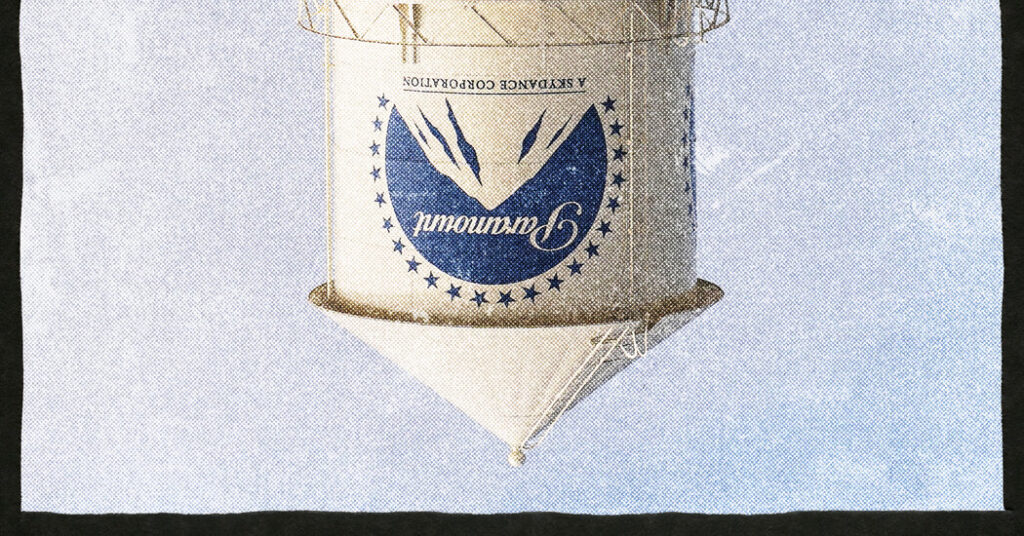
There are others who are trying their best to argue that David Ellison loves movies and cares deeply about the legacy of Hollywood. It is true that he started Skydance Media and made blockbusters including “Top Gun: Maverick” and five of the “Mission: Impossible” films. That company ultimately bought Paramount, and now the combined entity is poised to swallow Warner Bros. Discovery.
But the math will give you a headache. Paramount has a market cap of around $12 billion, is buying Warner Bros. Discovery for $110 billion. It’s the quintessential minnow swallowing the whale. It shouldn’t make sense. Maybe, we’ll find out, it doesn’t.
That’s the state of things if you’re in the business of making entertainment: streaming on one side, led by tech companies that have little respect for the economic norms of Hollywood, and a billionaire’s kid’s leap of faith on the other.
With Paramount the apparent winner, down on the ground where people work every day, they know what’s coming. Fewer jobs. Tighter budgets. More consolidation. Can the industry do much more than survive? The trepidation over this latest merger comes from the fear that Hollywood still hasn’t touched bottom.
Source photograph by Jae C. Hong/Associated Press.
Sharon Waxman is the founder, chief executive and editor in chief of The Wrap.
The Times is committed to publishing a diversity of letters to the editor. We’d like to hear what you think about this or any of our articles. Here are some tips. And here’s our email: [email protected].
Follow the New York Times Opinion section on Facebook, Instagram, TikTok, Bluesky, WhatsApp and Threads.
The post Hollywood Isn’t Celebrating Ellison’s Win appeared first on New York Times.