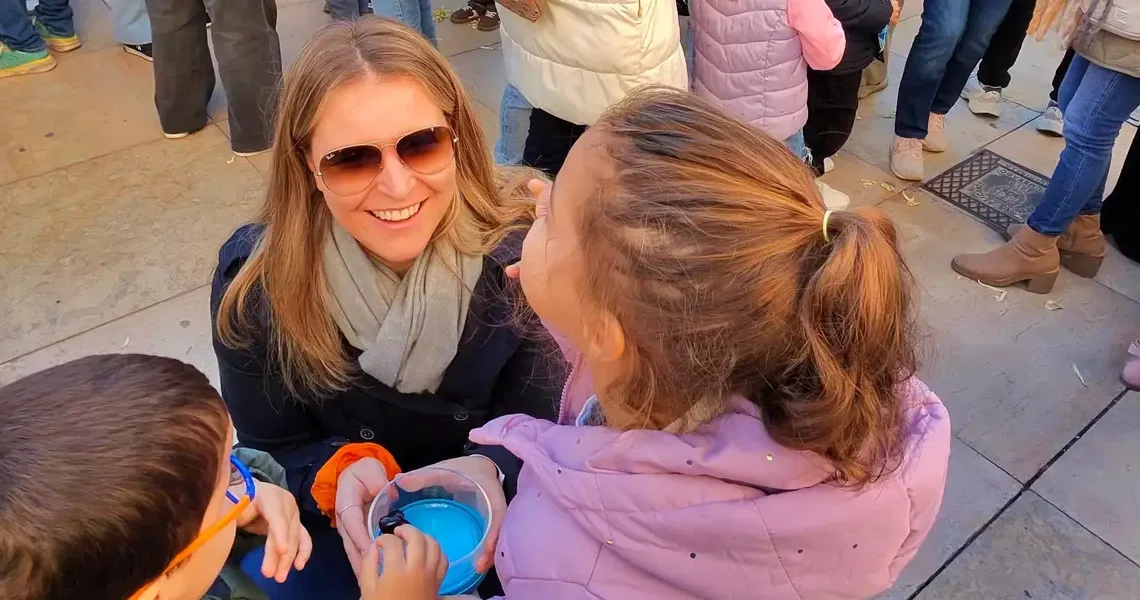
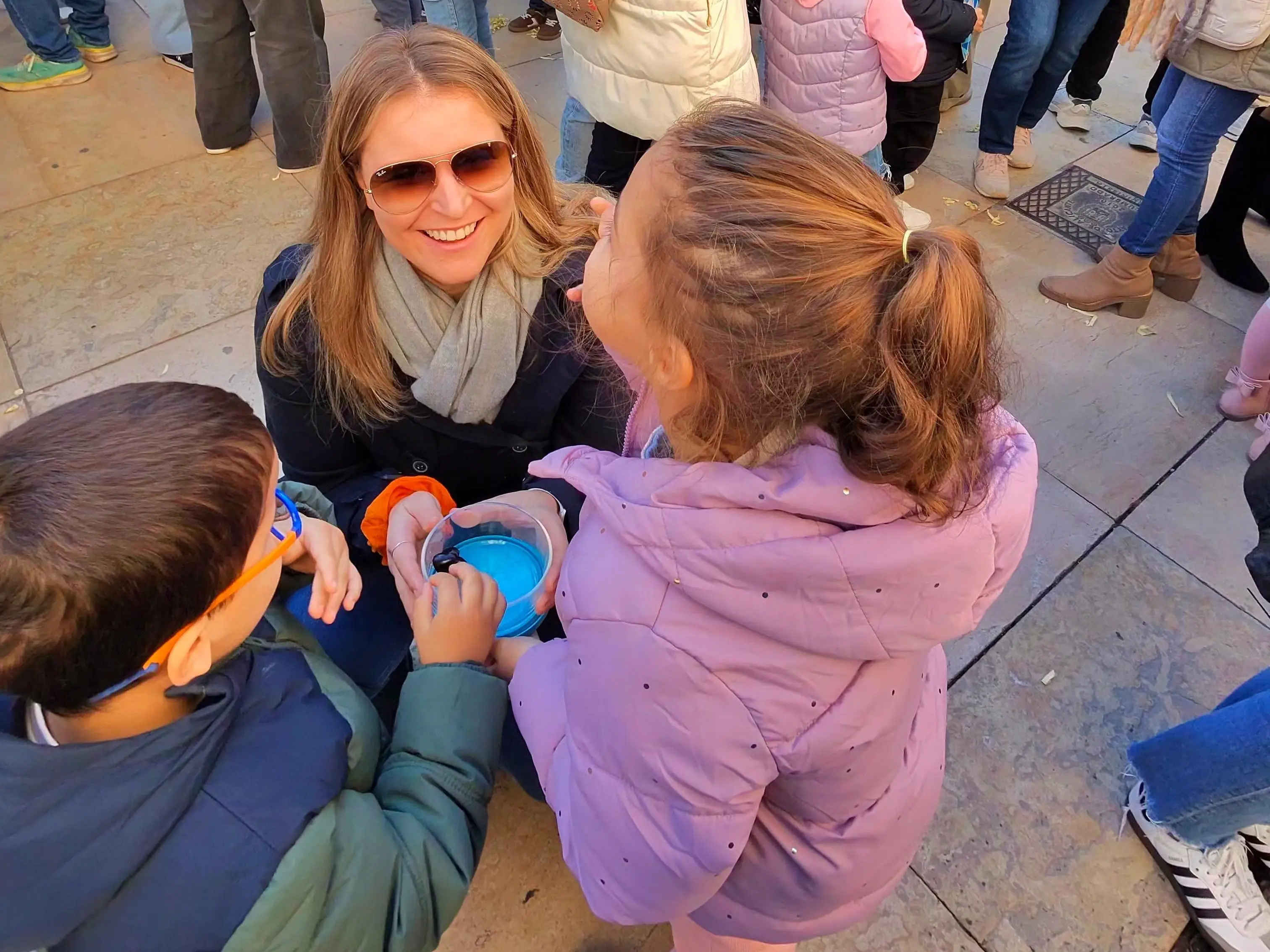
Izabela Oquendo had a picture-perfect life in Manchester, Connecticut, where she lived with her husband and two young children, but she still felt like something was missing.
“My husband and I both had thriving businesses,” Oquendo, 36, told Business Insider. “We had a lot of external things that defined success, like two brand-new cars sitting in the driveway, a beautiful 2,000-square-foot two-story house that we spent a lot of time renovating to be perfect.”
“From the outside, it looked like we had it all together,” she said. “But the truth is, we weren’t really happy.”
In 2025, Oquendo and her husband decided to trade their American dream for a life in Europe and moved to Spain. Oquendo said she wanted to be closer to her Polish mother and to embrace a slower pace of life with fewer bills. She also wanted her children to be exposed to another culture and learn a new language.
The family settled in Alicante, about two hours south of Valencia. Their two children — a boy and a girl, ages 4 and 6 — are enrolled in a local school, where they’re learning Spanish. Oquendo said the transition was difficult at first, but the family is doing much better now.
“One of my biggest fears about moving to Spain was how my kids would handle learning the language and assimilating into the culture,” she said. “They definitely notice they’re in a new country.”
Here are Oquendo’s five pros and cons of raising children in a new country across the world.
It can be hard for kids to make friends who speak a different language
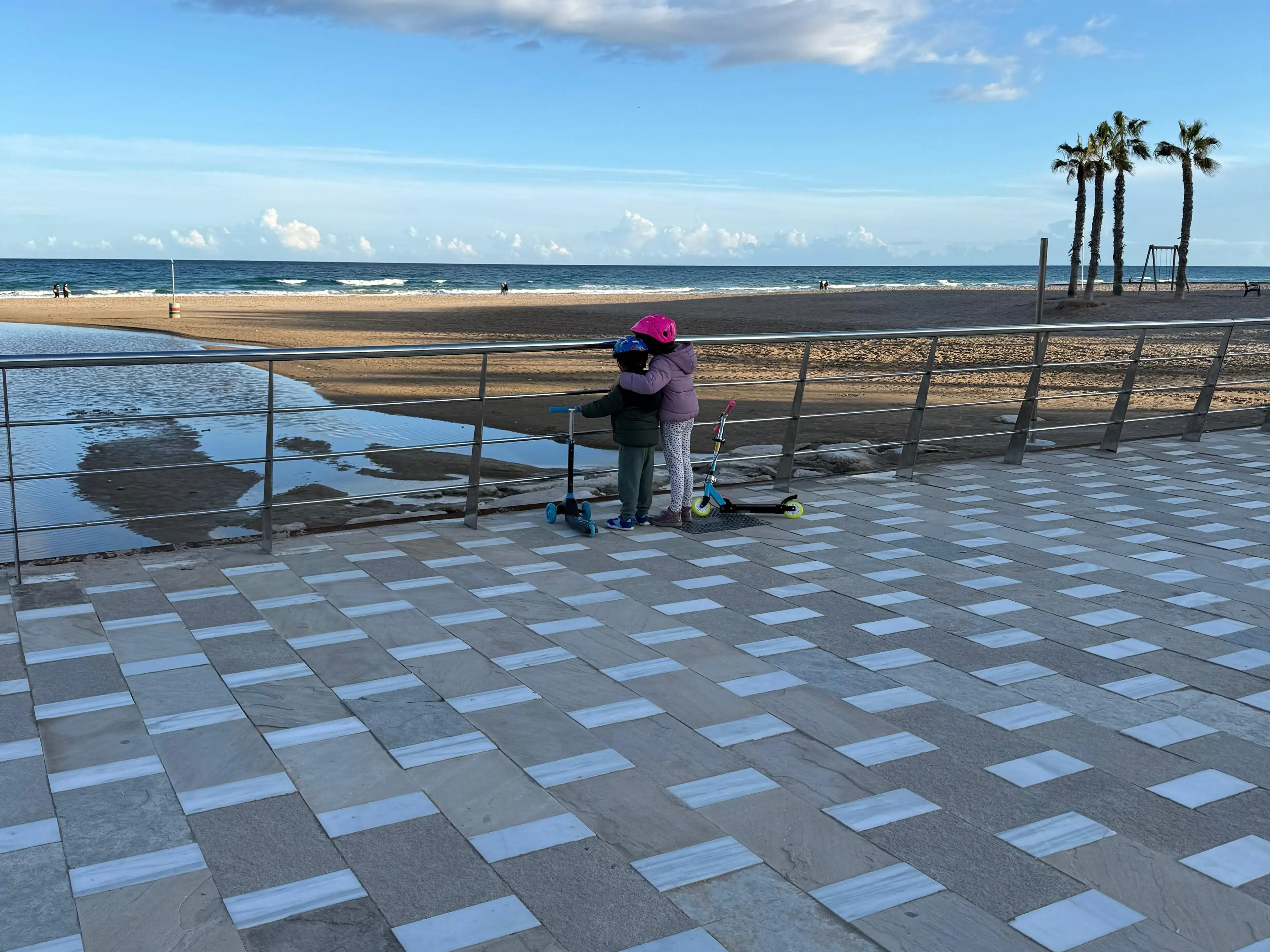
While Oquendo wouldn’t necessarily call it a con — exposing her children to a new language was the point — she said one of her family’s biggest early challenges in Spain was learning how to communicate with their Spanish-speaking peers.
“My daughter is very social, but when she first started school, it was hard for her to make friends — something she’d never struggled with before,” Oquendo said. “It’s because she can’t just walk up and start talking to them; the other kids don’t speak the same language.”
To help her children make friends, Oquendo enrolled them in an English-language camp in the summer of 2025. Now, they’re in a Spanish public school full time, and are steadily learning to communicate in Spanish and becoming more comfortable with their classmates.
Schools abroad can feel safer than schools in the US
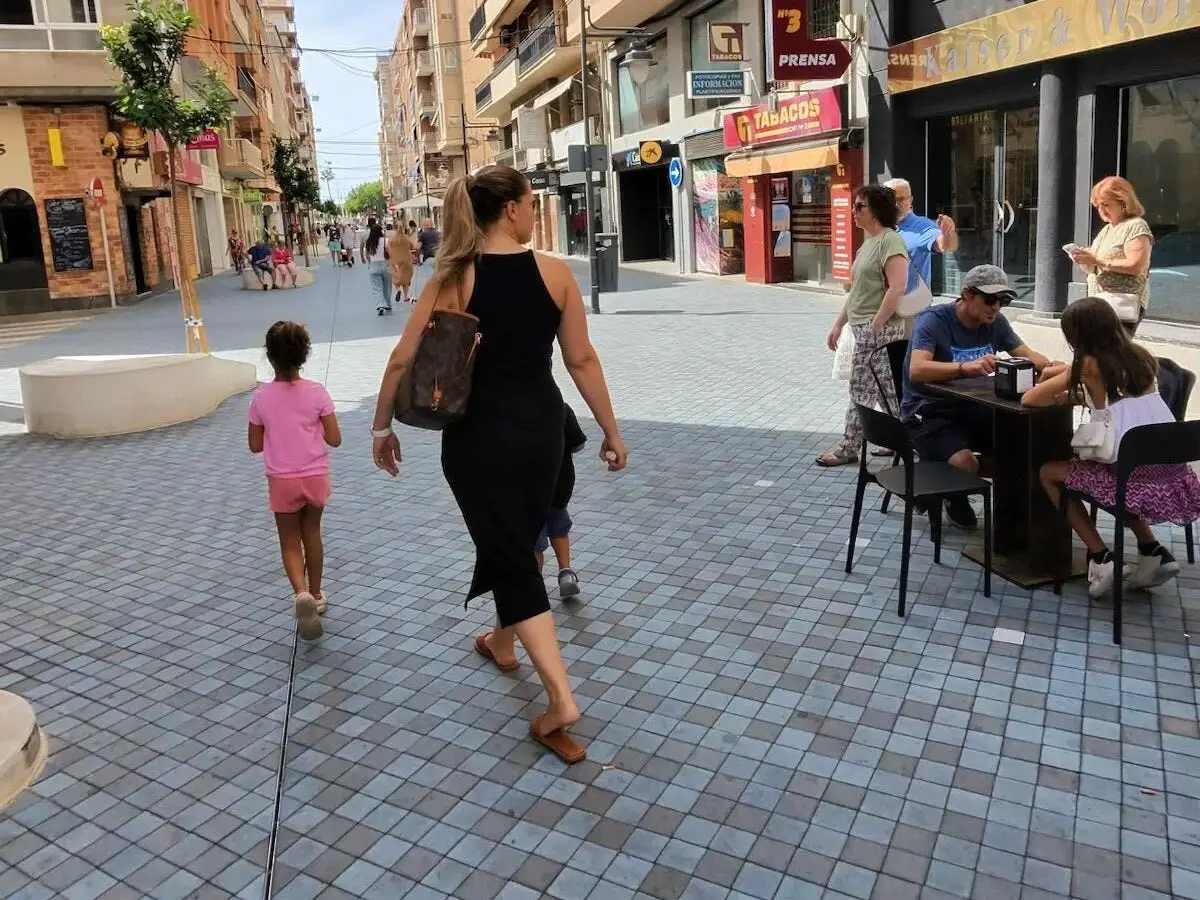
Oquendo said schools in Spain feel far safer than those in the US, where gun violence is a more persistent concern.
A gun-violence prevention research group, Everytown, found that so far in 2026, at least 15 incidents of gunfire occurred on school grounds nationwide.
“One of the major things that has really lifted off my heart here is worrying about their safety at school,” Oquendo said. “It doesn’t even cross people’s minds here. Crime is definitely rising, especially in the bigger cities, but school safety isn’t something I think much about anymore.”
Visiting European relatives is easier
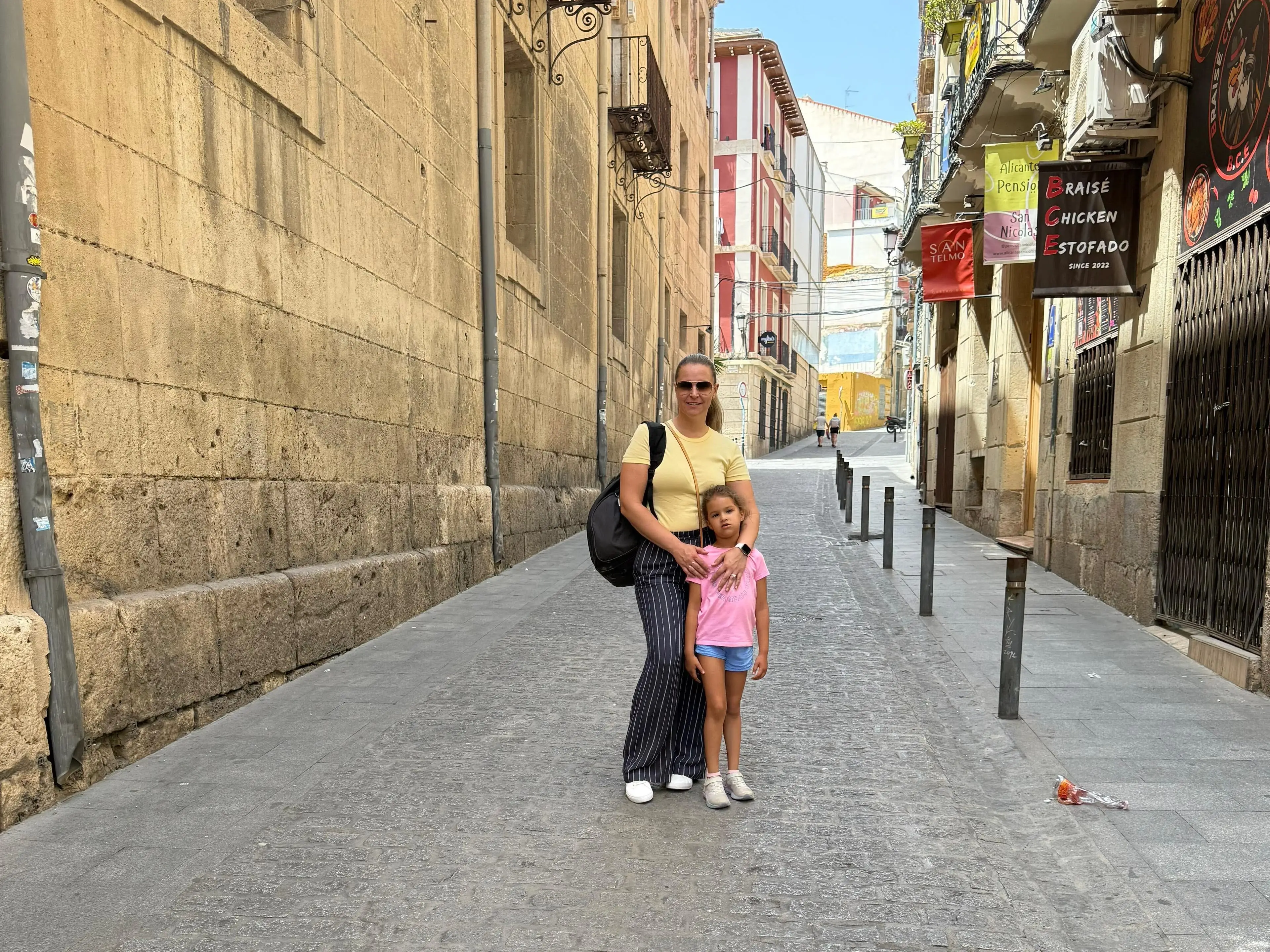
Oquendo said her mother, who had lived in Connecticut just a few towns away, moved back to Poland in 2023. After that, staying in touch was often difficult.
“The time difference made it hard,” she said. “Our mornings were her evenings. If we missed her one day, we couldn’t always call the next.”
Now that the family lives in Spain, Oquendo said they’re more in sync and can visit grandma more often — without it costing an arm and a leg.
“Being closer to family is a big pro for us,” she said. “We can jump on a plane and, three hours later, hang out with grandma. We were in Poland in December, and we’re going again for Easter.”
It can be tough communicating with other parents
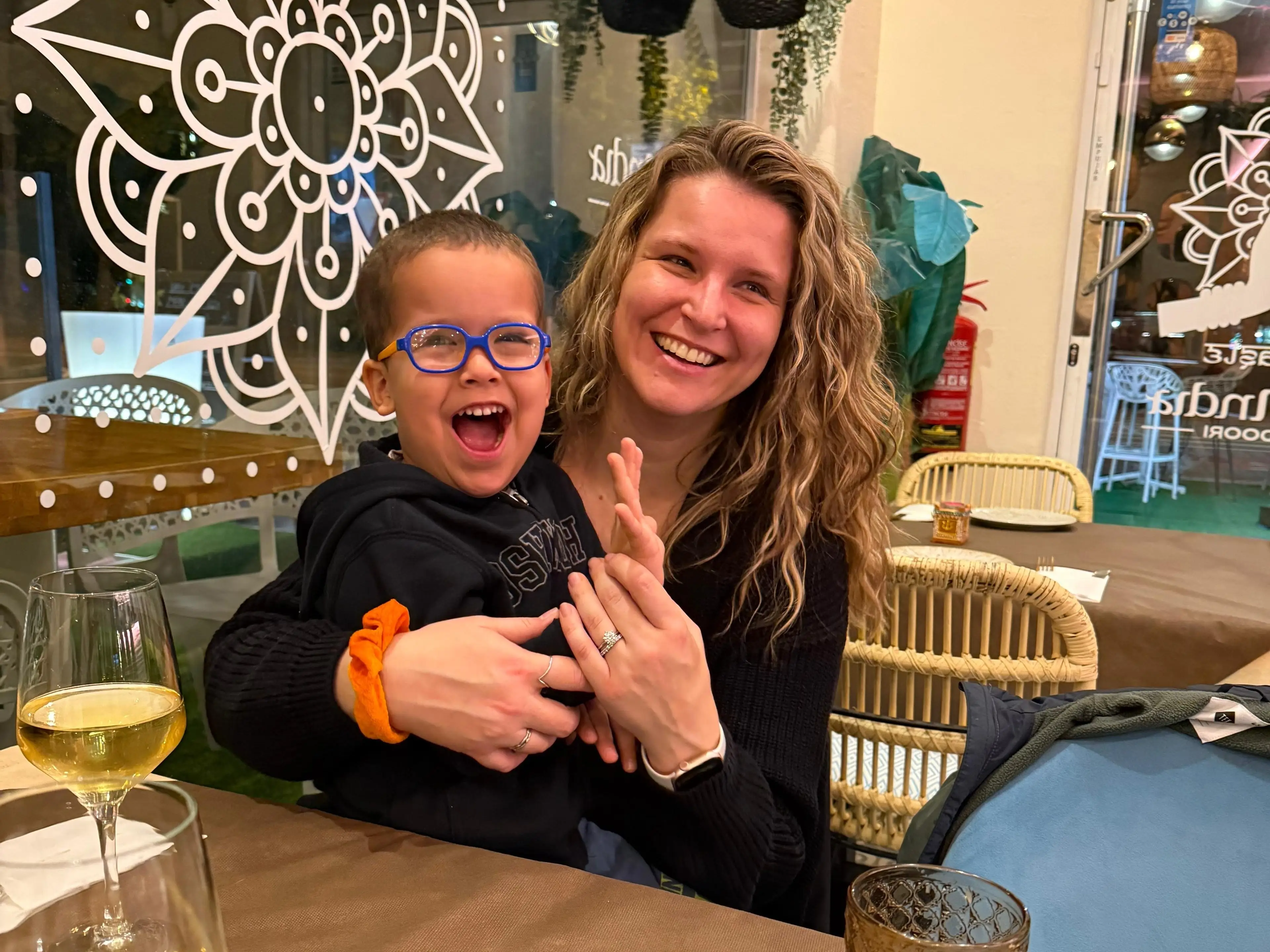
While Oquendo’s husband is a native Spanish speaker, she isn’t. That can make everyday tasks harder, like communicating with her children’s teachers or keeping up with school announcements and programs.
“Having the kids struggle with the language is one thing, but I have trouble figuring out what’s going on at school sometimes, too,” she said. “There are parents’ WhatsApp groups, and I have a hard time keeping up and figuring out what’s happening when, special dress-up days, and the instructions from the school. Just the typical things every mom does.”
When her husband isn’t available to help, Oquendo said she relies on translation apps on her phone and computer, such as Google Translate, to get by in everyday conversations.
When expenses are lower, it’s easier to cut back on work abroad

Before moving to Spain, Oquendo taught at a university, ran a bookkeeping business, and did seasonal tax work. It was a tough workload, but it helped the family afford their expensive life in Connecticut.
In Alicante, she said she’s been able to work less because the cost of living is more affordable. That, in turn, has given the family more time together.
“Because we’ve been able to scale back our expenses, we spend a lot more time together, because I don’t have to work three jobs,” she said. “In the summertime, we go to the beach once or twice a week, and we spend our weekends exploring and taking little trips here and there. I feel like there’s been a lot more connection here than we were able to have in Connecticut.”
Read the original article on Business Insider
The post My family moved from the US to Spain. The transition wasn’t easy — here are 5 pros and cons of raising children abroad. appeared first on Business Insider.