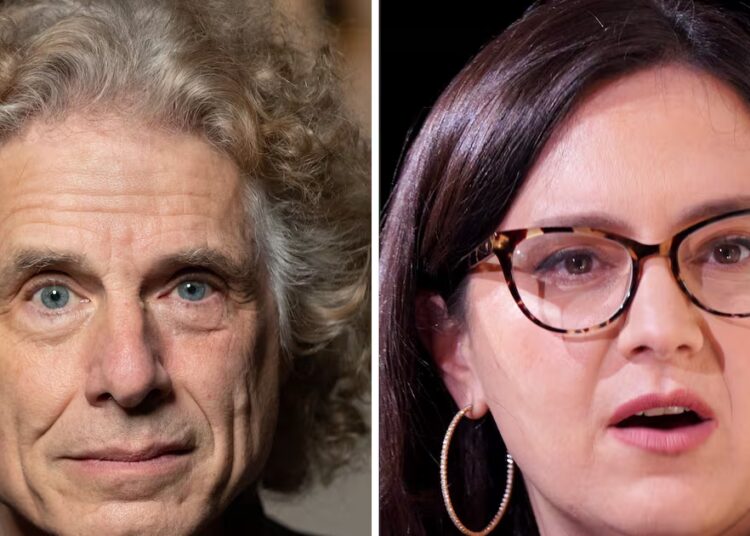
Every time Leah Goodridge leaves her home in New York City, she performs the same exercise: figuring out where the closest bathroom is. That’s because Goodridge has uterine fibroids, which force her to use the restroom frequently, normally twice an hour after she drinks something.
“Every time I leave my house, I have to chart it out,” she said.
Finding a public bathroom when you’re out and about in the Big Apple can be a major challenge. There are only about 1,000 public restrooms for New York City’s more than 8 million residents — not to mention its 65 million yearly visitors. The city ranks 93rd in public toilet access among the 100 largest US cities, according to a 2018 ranking by the Trust for Public Land, which was cited in a city comptroller report.
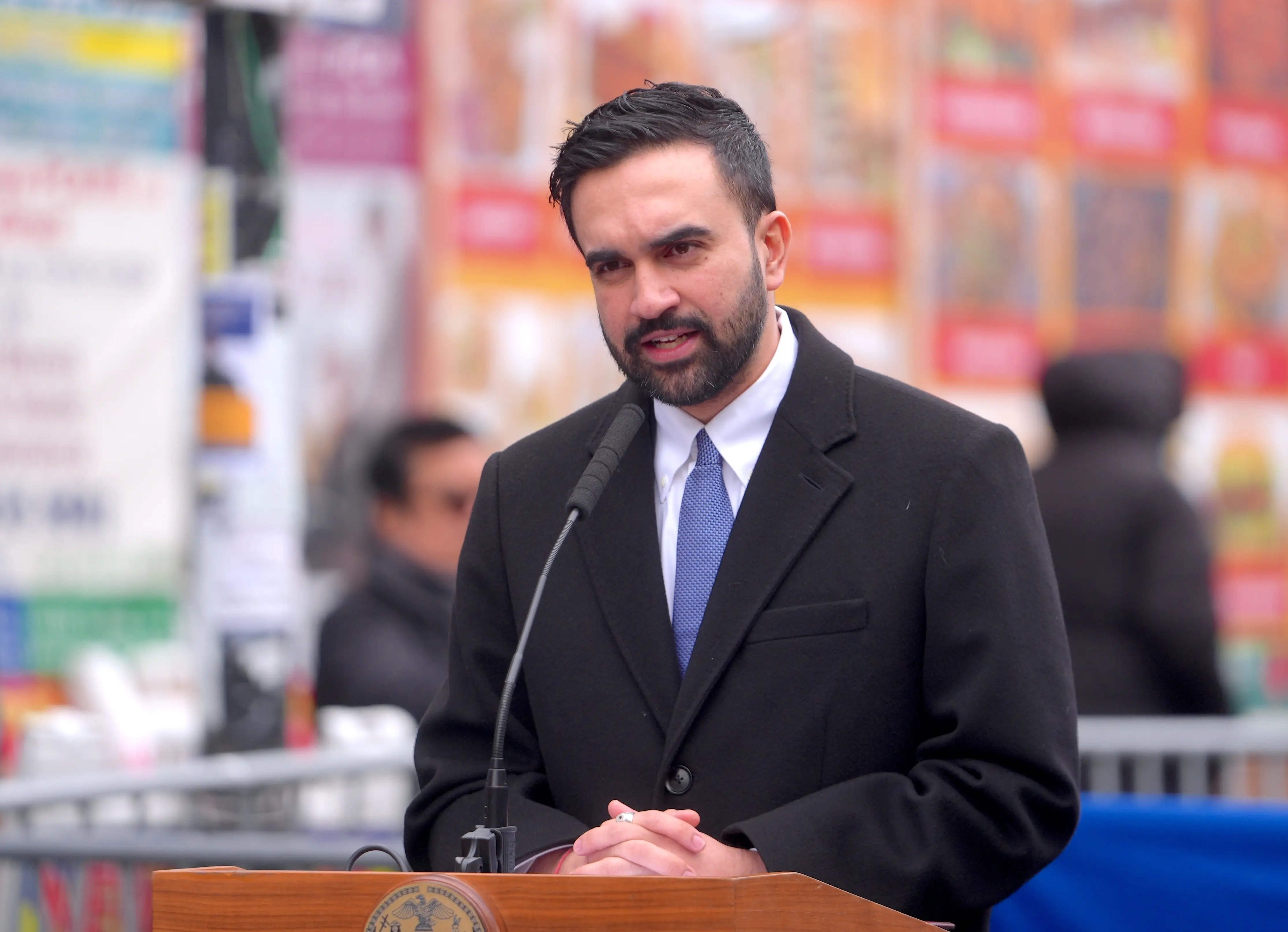
Days after he was sworn in as mayor of New York City, Zohran Mamdani announced he would make the issue a top priority — first with a pilot program to add 20 to 30 modular public bathrooms across the city by the end of this summer.
The catch: The city wants these automatic, self-cleaning toilets delivered “at a lower cost and on a faster timeline than existing public bathroom installations.”
The new mayor has his work cut out for him. Building a new public toilet is trickier and more expensive in New York City than in many other cities, in large part because of the city’s Byzantine regulatory requirements, including restrictive zoning, labor, and permitting rules.
High costs and lots of red tape
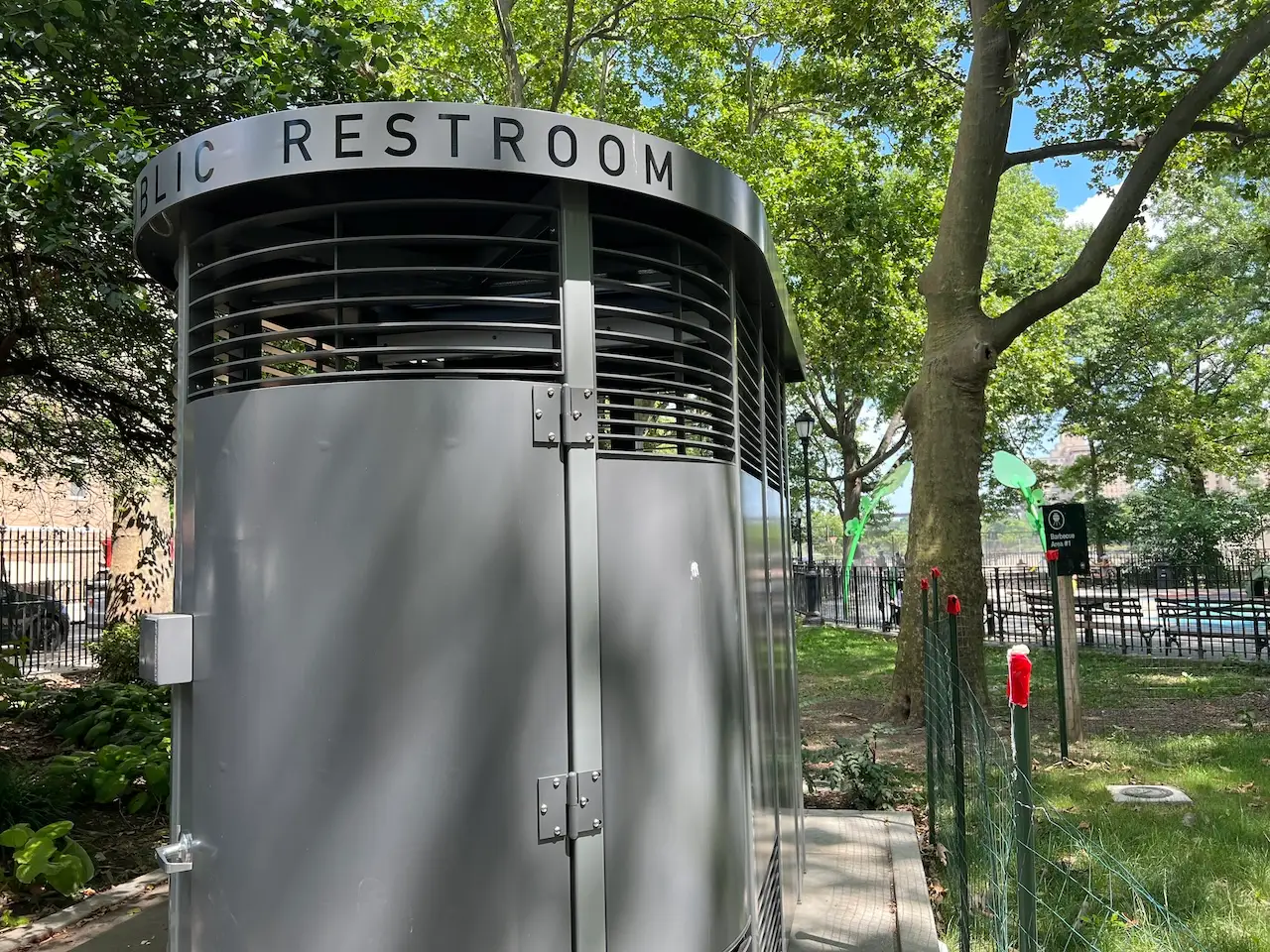
The average cost of a New York City Parks Department bathroom, the facilities that make up the majority of the city’s public toilets, tripled from $1.3 million in 2011 to $3.6 million in 2019, according to a report by The City. Even lower-cost models reach seven figures. Last year, the city installed five prefabricated “Portland Loo” single-stall toilets at a cost of about $1 million each. The toilets themselves cost about $185,000 each — but most of the total price tag was for approvals, utility hookups, and other administrative costs. That’s far more than what some other big US cities are spending on new public toilets.
Last year, the City Council passed legislation that requires the city to double its public bathroom count by 2035. Council Member Sandy Nurse led the effort. “There’s nobody that this doesn’t impact,” she said.
Sachi Takahashi-Rial, a civic advocate and former Manhattan community board member who writes a New York City-focused Substack, said the legislation doesn’t do enough to address the underlying obstacles. Setting a goal to build a certain number of bathrooms isn’t particularly effective without reforming the regulations that are holding back progress, she said.
Zoning laws, many-layered review processes, and rising labor and material costs are all to blame.
“If you don’t get rid of the red tape, then just saying we require this to happen doesn’t mean it’s actually going to happen,” Takahashi-Rial said. “It is going to come down to, are we letting the city procure quickly and inexpensively, and do we set timelines for getting them in the ground?”
Big cities across the US, including San Diego, Denver, and Washington, DC, have all managed to build toilets more cheaply and efficiently than the Big Apple has, city officials pointed out when announcing the mayor’s pilot program. By comparison, San Diego spent about $358,000 installing each of its Portland Loos.
Nurse largely blamed the lengthy review process, which requires a slew of government agencies, local elected officials, and the community board to sign off on a bathroom proposal.
“We could cut a lot of that out,” she said. “We should just give the city the power to move forward and site these with the engineers and the talented people they have on staff.”
Rules requiring union labor for public projects also mean higher costs. And that’s on top of material costs, which have risen quickly in recent years. Connecting the bathroom to electricity, water, and sewer lines is also especially costly in major cities.
Possible solutions
Aside from her personal concerns, Goodridge also has a professional interest in improving bathroom access. As a member of the New York City Planning Commission, she’s been pushing the city government to fund and build more toilets for public use.
One solution to the toilet shortage is making private bathrooms public. Goodridge supports another City Council bill that would require some “public-facing” city-owned buildings to allow the public to use their bathrooms. She’d also like to see the city’s hundreds of Privately Owned Public Spaces, which include plazas and areas inside buildings and are also known as “POPs,” be required to have public toilets.
The Metropolitan Transportation Authority, which runs the city’s subway system, provides 125 public restrooms in its stations across the city. Except, the MTA Inspector General recently found that 23 of the 32 bathrooms it visited were missing a basic amenity, like toilet paper or soap, or “had a deficiency, such as litter, graffiti, or a broken stall lock” and five were closed.
The New York City Council recently documented similar maintenance issues and unexpected closures at a substantial portion of public toilets in the city’s parks, libraries, and POPs.
New Yorkers also can’t rely on Starbucks, the city’s longtime unofficial public bathroom provider, anymore. The coffee megachain reversed its open bathroom policy in 2025, requiring a purchase to use its toilets.
Other cities have had some success cutting costs with modular toilets. San Francisco attracted widespread ridicule in 2022 when the city announced it would spend $1.7 million to build a single, 150-square-foot public toilet. Amid a huge public backlash, a Nevada-based modular restroom company donated a bathroom to the city and covered the installation costs. The city still spent about $300,000 on administrative costs.
Since San Francisco’s toiletgate, the city has passed legislation making it cheaper and faster to build bathrooms.
“My little restroom changed policy within the city of San Francisco,” said Chad Kaufman, president of the Public Restroom Company, which donated the modular toilet. He’s since sold three of his toilets to the city, and his latest was just installed in Precita Park at a cost of just $262,000.
Moving from custom-built to modular construction can speed things up and cut costs. The price of the structure is fixed, and construction isn’t delayed by weather. Plus, installation is quicker and causes less of a disturbance to neighbors.
New York has already begun experimenting with modular bathrooms by purchasing the Portland Loos. The manufacturer of the prefabricated toilets reported that they had more trouble getting permits approved for their toilets in New York than in any other city where they’ve worked. That’s in part because of New York’s strict approval process for prefabricated construction.
There doesn’t seem to be an easy way to bring down maintenance costs once the bathroom is up and running. Kaufman is skeptical of self-cleaning technology and automatic doors. He’s seen toilets with automatic doors that open randomly or break easily. And toilets that use automated cleaning systems aren’t always thorough enough. Those bathrooms still need human attendants to supervise maintenance. The mayor’s office didn’t immediately respond to a request for comment from Business Insider on the potential challenges with his plan.
Ultimately, Goodridge thinks the city just needs more toilets — and that might only be achievable with a hodgepodge of different models.
“If some of them are modular, if some of them are paid toilets, if some of them are free, if some of them are in municipal buildings, if some of them are in POPs, it’s great, as long as we’re chipping away at the number,” she said.
Read the original article on Business Insider
The post Zohran Mamdani wants dozens of factory-built public bathrooms. Delays and high costs could stand in the way. appeared first on Business Insider.