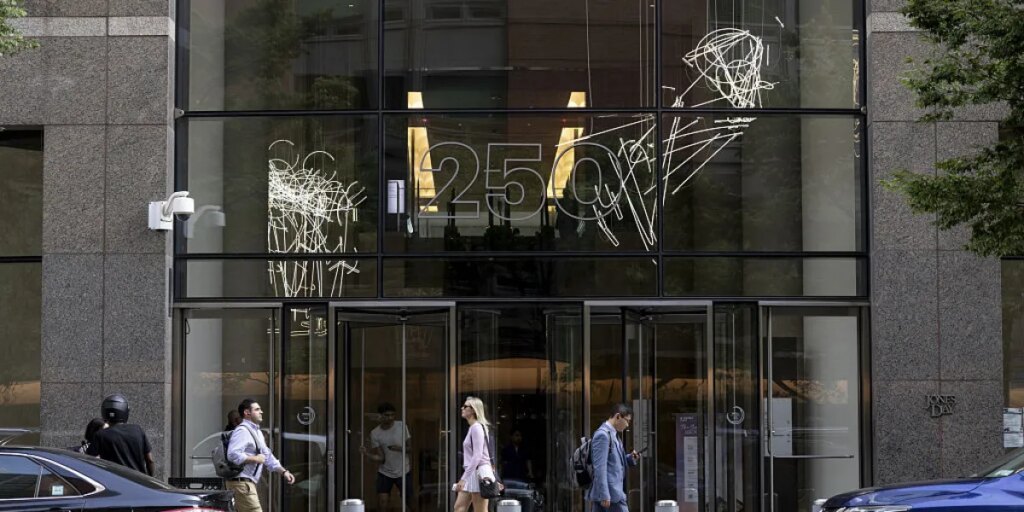
It’s been a bad few months for Bitcoin, as prices have fallen over 40% since October. For investors this has been especially frustrating since, unlike in previous downturns, there has no obvious explanation for the market malaise. This week, however, the perpetually online crowd known as Crypto Twitter came up with a culprit: The secretive Wall Street firm Jane Street, which they alleged had been engaging in a surreptitious form of ETF-related trading that systemically depressed the market.
The theory spawned a series of viral posts in the fever swamps of social media, and gained further traction when Bitcoin staged a midweek rally—following further claims that Jane Street had changed its trading patterns after being “exposed.” The claims, however, appear to be flimsy at best in the eyes of Wall Street veterans. They were also dismissed by a person close to Jane Street, who was not authorized to speak for attribution but described the claims as an “absolutely ridiculous” conspiracy theory.
The unfounded claims that Jane Street manipulated the price of Bitcoin revolve around the firm’s role as an “authorized participant” in the relatively new market for crypto ETFs offered by BlackRock and others. So-called “APs”, which are an integral part of the ETF landscape, are deep-pocketed firms that help ensure that the price of ETF shares track the value of the assets they hold, allowing the firms to earn money from arbitrage by doing so.
Jane Street has been acting as a Bitcoin AP for some time. But this week social media posts began to surface alleging the firm was engaged in skullduggery. The specific accusations vary, but most allege some version of Jane Street dumping Bitcoin holdings at a given time every morning, while holding short positions to benefit from the resulting dip. There is no firm evidence to support this theory, however, and veteran market watchers have put little stock in it.
“The argument makes zero sense and completely misunderstands how derivatives and perps/futures work as well as what an AP does for these ETFs,” said Rob Hadick, a partner at Dragonfly Capital, who has previously worked at Goldman Sachs and other Wall Street firms.
Even though the rumors about Jane Street manipulating Bitcoin appear to lack substance, recent controversies surrounding the firm may have helped to fuel them. Those include a lawsuit filed last week by the administrator winding down the bankrupt stablecoin issuer Terraform Labs, which accused Jane Street of insider trading as the firm collapsed.
In a statement, Jane Street rejected what it describes as “baseless, opportunistic claims” related to its role at Terraform Labs, noting that the firm’s stablecoin imploded due to massive fraud perpetrated by its now-imprisoned founder. This explanation is the consensus view, but a broader dislike for Jane Street among some in the crypto and financial world may be fueling claims the firm was complicit in the demise of Terraform Labs.
The reason for ill will towards Jane Street in some quarters stems in part from the firm having once employed notorious conman Sam Bankman-Fried and his one-time girlfriend, Caroline Ellison, who were both later convicted of fraud-related crimes related to the collapse of the crypto exchange FTX. Jane Street may have also aroused jealousy among some traders for its massively profitable trading strategies, and the secret and eccentric behavior of co-founder Rob Granieri, described in a recent Bloomberg profile.
All of this suggests that, at a time of prolonged market pain, the crypto sector may have found a convenient scapegoat. “It’s just people who don’t understand markets and want there to be a boogeyman to blame for why they haven’t made more money,” said Hadick.
The post Bitcoin fans latch onto ‘ridiculous’ Jane Street conspiracy to explain price slump appeared first on Fortune.