Thirteen months after an Army helicopter collided in midair with an American Airlines flight landing at Reagan National Airport, the Pentagon is trying to blow up a good bipartisan deal to prevent such an accident from happening again. It’s especially galling because the military has previously accepted responsibility for the original crash and expressed support for this compromise before it passed the Senate unanimously.
Setting baseline rules for air traffic to prevent plane crashes is one of the government’s most fundamental responsibilities. If ever there was a time for Congress to pass a new law, it would be to solve vulnerabilities exposed by a tragedy that killed 67 people.
The Rotor Act does all the above, and it was expected to easily clear the House on Tuesday. Yet the Defense Department urged opposition at the 11th hour, claiming it would create “operational security risks affecting national defense activities.” The real reason for the reversal appears to be that a competing House bill would offer the military more latitude to ignore new rules about using transponders.
But the administration’s previous expression of support shows that House members can be confident passing the Rotor Act as it stands won’t jeopardize national security, and they don’t need to create loopholes that might allow for a catastrophic repeat.
Senate Commerce Committee Chairman Ted Cruz (R-Texas) and Ranking Member Maria Cantwell (D-Washington) offered a rare case study of the legislative process working as it should, engaging key players to solve a discrete policy problem without trying to do too much. They earned buy-in from the National Transportation Safety Board, whose investigation of the accident confirmed their proposals would have made a difference. They also won support from a range of aviation groups and victims’ families.
Lawmakers give deference to the Defense Department’s views for good reasons. No one wants to unduly interfere with what the military needs to keep the country safe. Cruz and Cantwell say they worked with the Pentagon to include “specific language at the Pentagon’s behest to best protect classified flights.” They also allowed the military to use alternative equipment to comply with the bill’s requirement that aircraft use Automatic Dependent Surveillance-Broadcast technology.
But Cruz and Cantwell correctly concluded that training flights — like the one that collided with the passenger jet — should need to broadcast their position in busy airspace, just like every other military and civilian flight. DOD spokesman Sean Parnell now says that “the version passed by the Senate does not reflect several of the mutually discussed updates.”
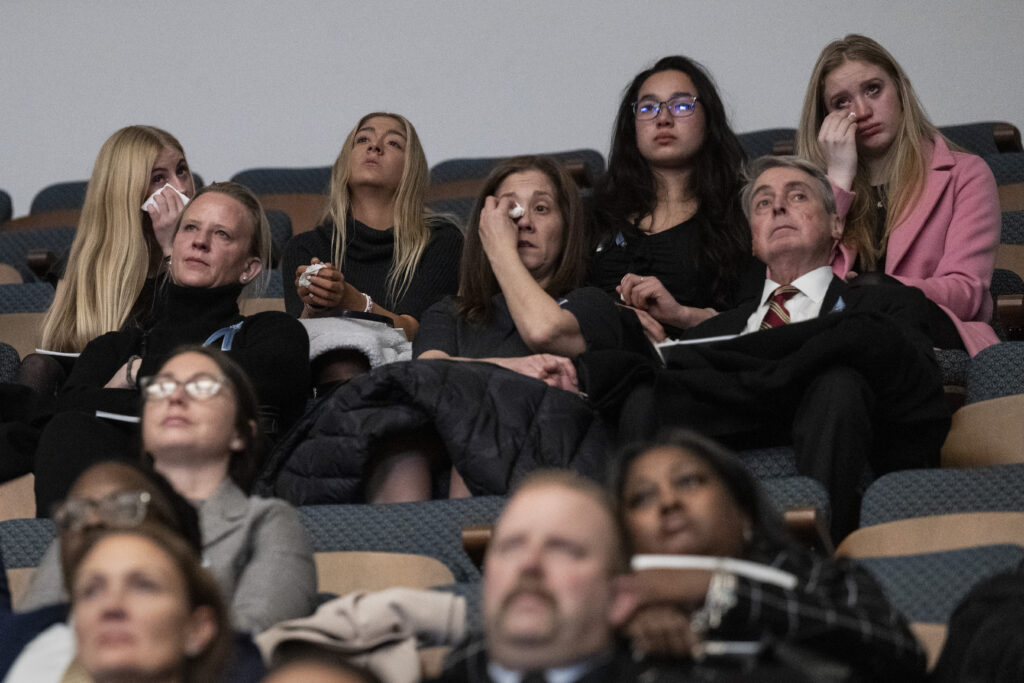
NTSB Chair Jennifer Homendy said the Rotor Act would have saved lives, but the House bill does not implement her agency’s most critical safety recommendations. “I have stood by families over the last year as they grieve, as they receive condolences and offers of support, only to be dismissed and told NO on legislation that would’ve prevented this crash and that passed the Senate 100-0,” she posted Tuesday on social media.
The Pentagon should answer to the people’s elected representatives, not the other way around.
The post The military caused the DCA crash. Now it’s trying to kill key fixes. appeared first on Washington Post.