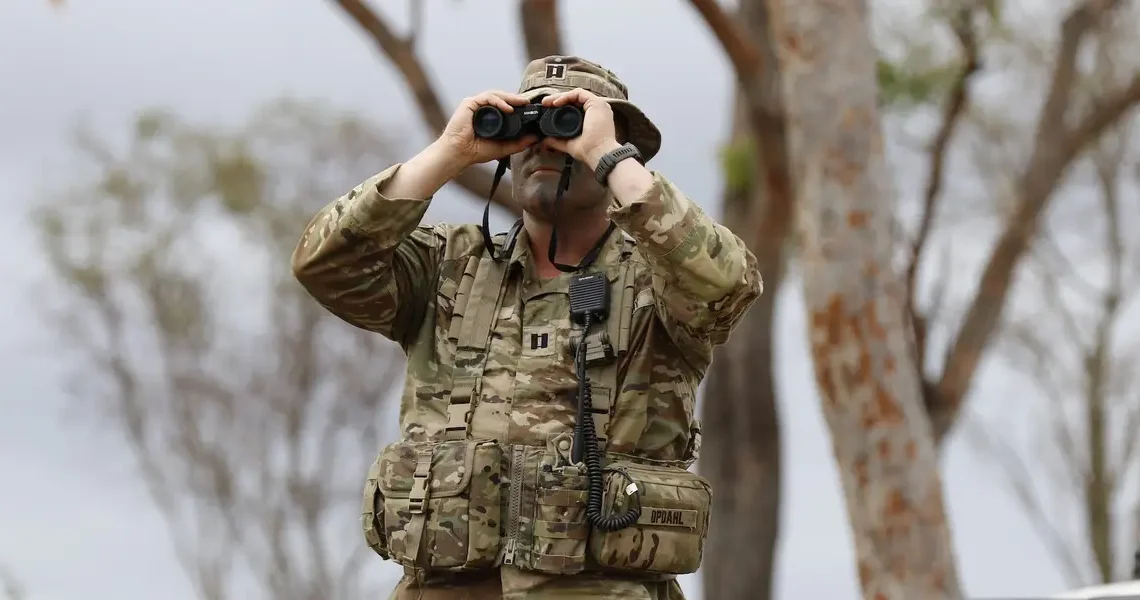
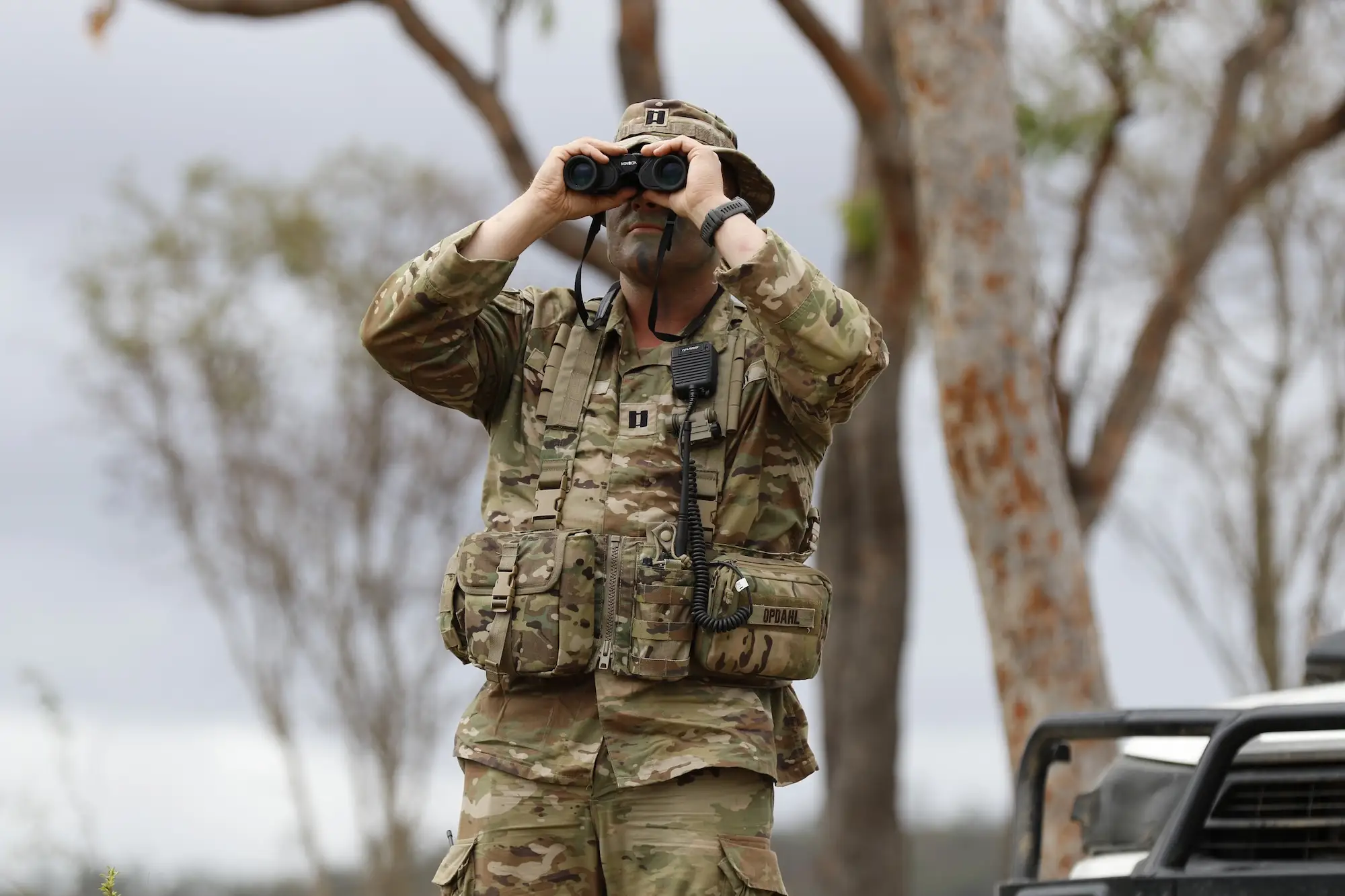
Learning from Russia’s invasion of Ukraine, US Army drone trainers are teaching soldiers to be ready for a threat many US troops haven’t faced in decades: a sky they don’t control.
The US has had control of the air in its recent conflicts in Iraq and Afghanistan, allowing it to move and strike with relatively little fear of enemy aircraft. For most soldiers, what’s overhead has usually been friendly.
But the war in Ukraine is showing the US and Western allies that this assumption may not hold in future conflicts. That shift has implications for tactics, training, and even mindset.
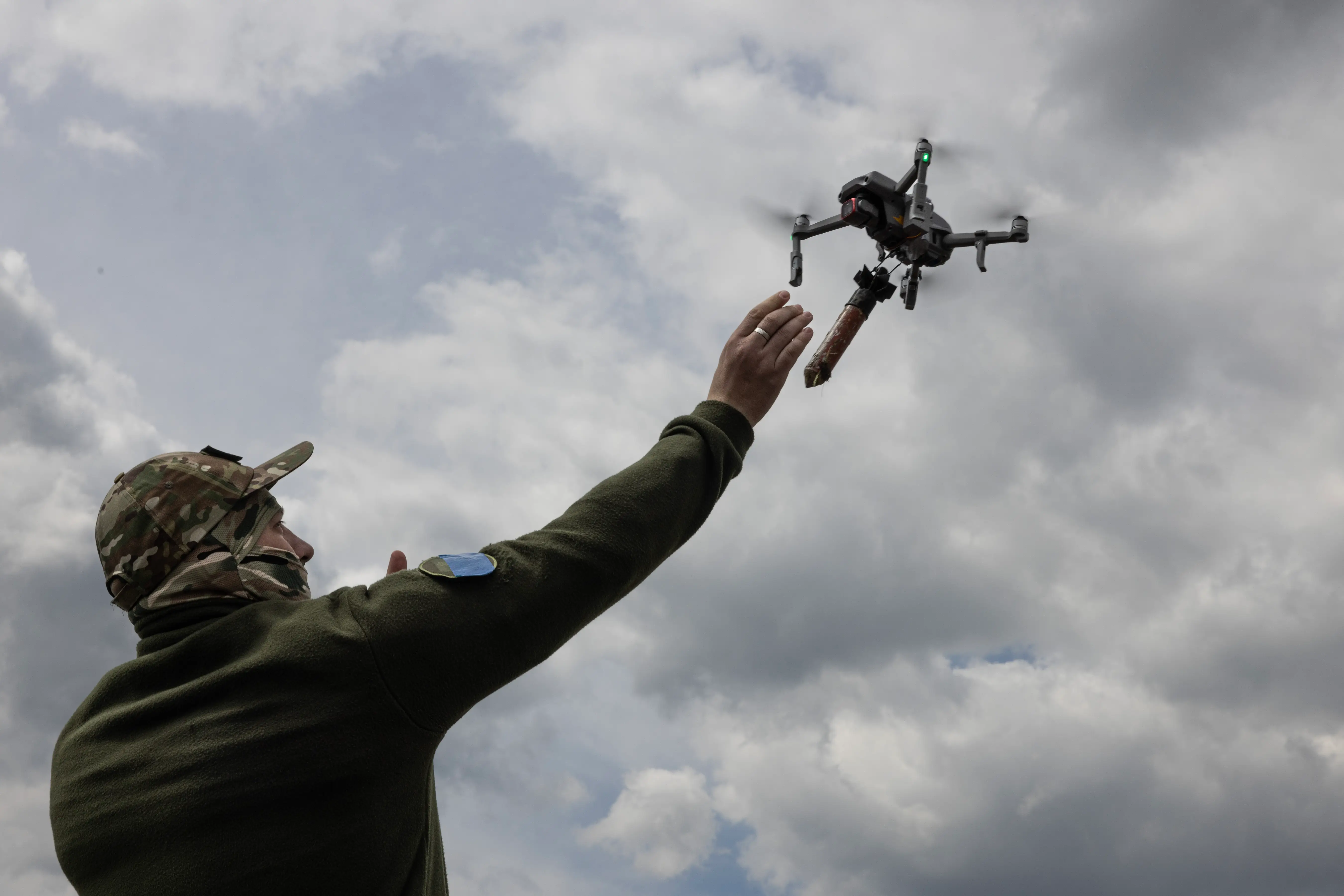
Maj. Rachel Martin, the director of the Army’s new Unmanned Advanced Lethality Course designed to catch the US up on small drone warfare, told Business Insider that “we are used to air supremacy as an Army.”
“Just about every event we’ve ever been a part of, we own the air.” Ukraine is demonstrating “that may not be the case.”
Neither Russia nor Ukraine has been able to secure lasting air superiority, as both sides have powerful air defense arsenals. That mutual denial has constrained traditional airpower and contributed to a grinding war in which drones, artillery, and air defenses dominate the fight. Officials across NATO have warned that Western militaries cannot assume that they’ll have air superiority in future conflicts.
For individual soldiers, that reality changes both tactics and psychology. The Army’s drone course is trying to prepare them.
“In an environment where we may not have air supremacy,” Martin said, “we need to teach and ingrain in every soldier to be pessimistic or suspicious” of anything in the air.
It has to be an almost reflexive judgment — there isn’t time to work through it step by step.
As she put it, “by the time you make that mental process and decide” whether a drone is friendly, “it may have already targeted you.” In these fights, “you hear the sounds, and then you’re engaged.”
She said that Ukrainians, whether they are soldiers or civilians, already have this mindset.
“When they hear the sound of a drone, they immediately deploy a cover, they jump into a house or hide under a bunker, and they don’t even wait around to find out if it’s theirs or not,” she said. “They just assume that it’s there to hurt them.”
That mindset shift is “something that we’re trying” to build into the training, Martin said.
US veterans with experience in Ukraine have spoken about how different the experience is compared to recent US conflicts, particularly the constant presence of enemy drones and artillery.
Carl Larson, an Iraq veteran who was born in Seattle and served in Ukraine’s International Legion, said drones are “a horrendous detriment to morale” because they mean soldiers often can’t move out of their bunkers or other positions during the day.
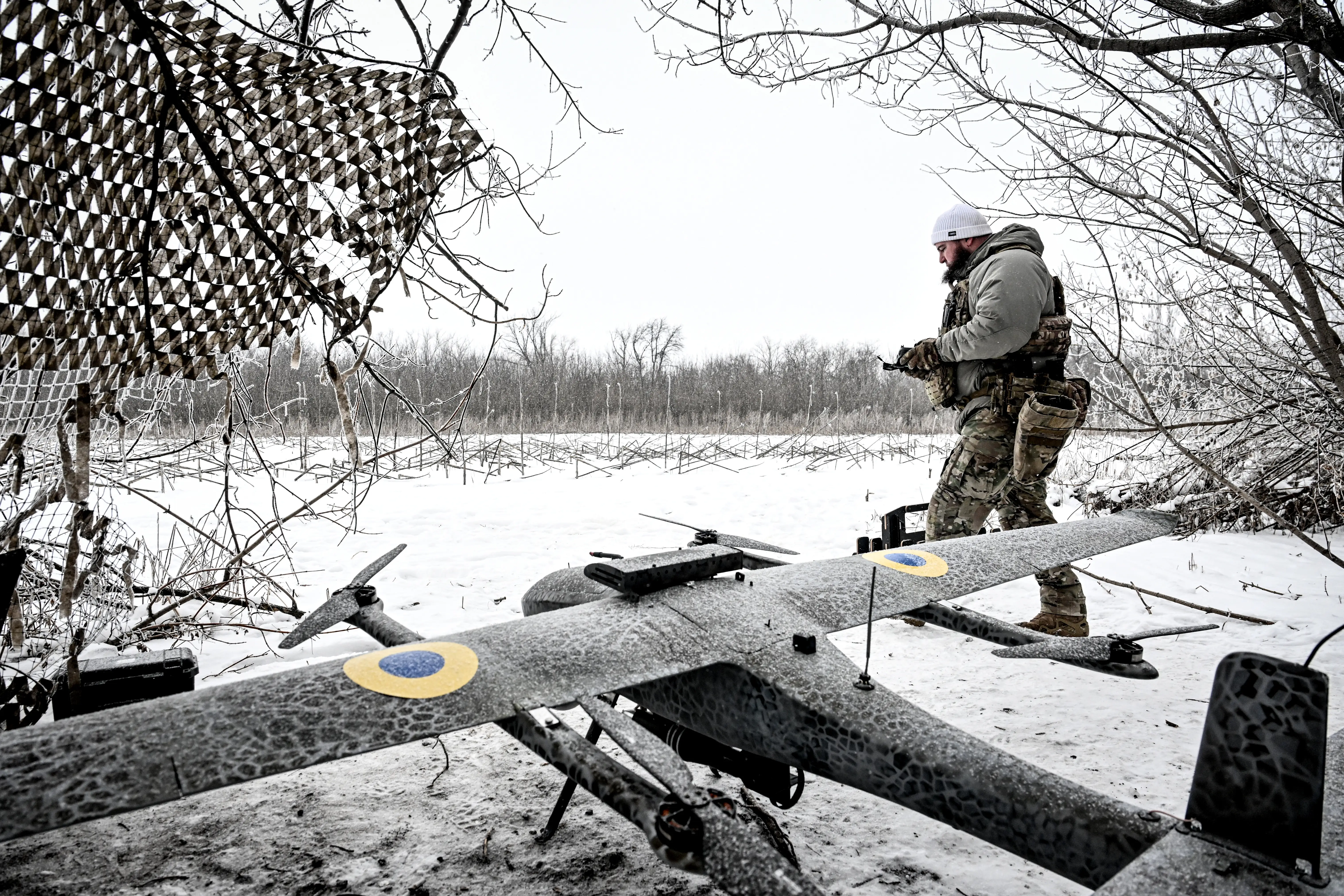
That is “incredibly corrosive to your ability to conduct combat operations,” and also causes immense stress, he said.
Drones can inflict sudden, unpredictable losses. He said he lost “good friends” in Ukraine who “died from having a grenade explode next to them out of nowhere, under a blue sky, you couldn’t even hear it. Bang, they’re dead.”
A veteran of urban warfare in Afghanistan and Iraq who served in Ukraine with the call sign Jackie previously told Business Insider that, compared to those conflicts, there was nowhere for soldiers to really relax in Ukraine. In those, there was space to breathe for soldiers when they moved back half a mile from the line of contact. “You could stand outside and have a barbecue, a sandwich, and drink.”
That wasn’t the case when he fought in the city of Bakhmut, one of the most brutal battles of the war. There were so many drones and artillery that you couldn’t even tell where the line of contact was.
The result was soldiers hiding all day and not moving for hours, in case they were spotted by drones, making the place look like “a ghost town.”
“You would be spotted immediately by a drone because there’s hundreds of drones in the air. There’s no place that’s safe.” Soldiers couldn’t recharge and reequip themselves, as he had been used to with the US Army.
Martin said the Army’s drone course is, in response, teaching students that “we won’t be in a battlefield that remains as static as we’re used to.” It’s teaching students that “mobility is survivability” and that “you may need to move before you’re observed in order to survive.”
Read the original article on Business Insider
The post The US Army hasn’t faced serious threats from above in years. The war in Ukraine is forcing a rethink. appeared first on Business Insider.